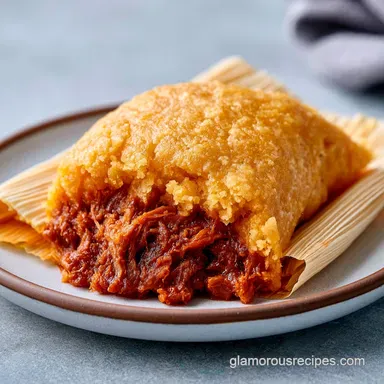
Authentic Homemade Tamales: Velvety and Smoky
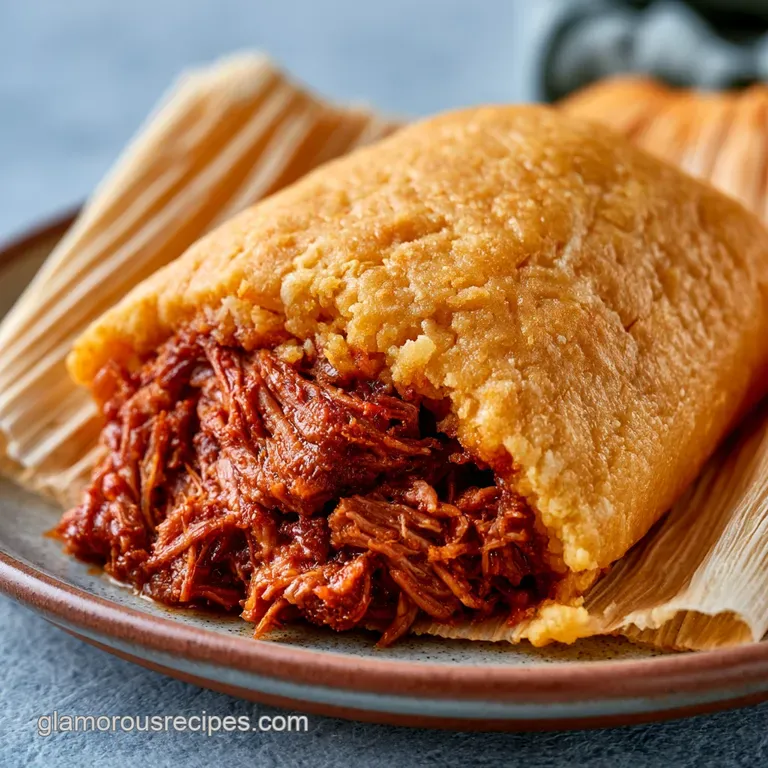
- Time:45 minutes active + 1 hours 30 mins steaming = Total 2 hours 15 mins
- Flavor/Texture Hook: Velvety masa with a bold, smoky chile punch
- Perfect for: Festive gatherings or big batch meal prep
That smell of steaming corn husks hitting the air is unmistakable, but let's be real for a second. Most people's first attempt at this ends in a disaster of gummy, rubbery dough that sticks to the husk like glue.
I remember making a batch where the masa was so dense it felt like eating wet corn bricks, and the filling was just a bland, dry heap of pork.
The secret isn't in some ancient mystery, it's all about the air. If you don't treat your fat like you're making a meringue, you're just making steamed corn mush. You need that lard to be whipped into submission until it's practically a foam.
When you get it right, you've got these bold, adventurous parcels that shatter slightly on the outside and melt into a velvety cream on the inside. My Homemade Tamales are designed to fix the "gluey dough" problem while layering in deep, smoky flavors from toasted chiles.
Secrets for Perfect Homemade Tamales
To get that light as-air texture, we have to focus on the structure of the dough. Most recipes just tell you to "mix," but that's where they fail. You need to physically force air into the lard. This creates tiny pockets that expand during the steaming process, preventing that dreaded rubbery density.
The filling is where we build the bold layers. Instead of just boiling the meat, we sear it until it's mahogany colored. This creates a base of deep, savory notes that can stand up to the earthy corn masa.
When you fold in the guajillo and ancho chile paste, the fats from the pork carry those smoky flavors into every single bite.
Finally, the steaming process is about moisture management. If you crowd the pot or don't leave enough room for the steam to circulate, you'll end up with uneven cooking. A few precision checkpoints make the difference: the pork must hit a shreddable consistency after 45 minutes in the pressure cooker, the lard must be whipped for 3-5 minutes, and the final steam must last exactly 1 hours 30 mins.
The Air Bubble Secret
Fat Aeration: Whipping chilled lard incorporates air, which expands when heated to create a fluffy crumb.
Collagen Breakdown: High pressure cooking converts tough connective tissue in pork shoulder into gelatin, ensuring a velvety mouthfeel.
Starch Hydration: Using warm broth allows the masa harina to hydrate faster, reducing lumps in the dough.
Chile Infusion: Soaking dried chiles softens the skins and releases fat soluble pigments and flavors into the sauce.
| Method | Time | Texture | Best For |
|---|---|---|---|
| Classic Steamer | 1 hours 30 mins | Fluffy and airy | Large parties, authentic feel |
| Oven Bake | 1 hours | Denser, cake like | Small batches, no steamer |
| Microwave | 5 minutes | Rubbery, soft | Single servings, emergency |
It's a bit of a project, but the difference between a steamed and baked version is night and day. If you've ever tried the oven method, you know it lacks that specific "pop" of a traditionally steamed parcel.
Component Analysis
| Ingredient | Science Role | Pro Secret |
|---|---|---|
| Lard | Structure & Lift | Keep it chilled to hold air bubbles better |
| Masa Harina | Base & Flavor | Sift it to avoid tiny clumps in the dough |
| Dried Chiles | Depth & Color | Toast them slightly before soaking for more smoke |
| Pork Shoulder | Protein & Fat | Cube it small for maximum sear surface area |
Right then, let's look at what you'll actually need to get these Homemade Tamales on the table.
Your Essential Ingredients
- 3 lbs (1.36kg) pork shoulder, cubed Why this? High collagen for a velvety shred
- 1 cup (240ml) low sodium chicken broth Why this? Provides a savory base without over salting
- 3 dried guajillo chiles, stemmed and seeded Why this? Adds a tangy, bright red hue
- 2 dried ancho chiles, stemmed and seeded Why this? Deep, raisiny, smoky depth
- 3 cloves (15g) garlic, minced
- 1 tsp (5g) ground cumin
- 1 tsp (5g) salt
- 4 cups (500g) masa harina Why this? Specifically treated corn flour for tamales
- 1 tsp (5g) baking powder Why this? Extra insurance for a fluffy lift
- 1 tsp (5g) salt
- 1 cup (225g) lard, chilled Why this? Unbeatable flavor and aeration
- 2 cups (480ml) warm chicken broth Why this? Helps the masa hydrate quickly
- 24 dried corn husks
- 2 tbsp (30ml) vegetable oil
Ingredient Swaps
| Original Ingredient | Substitute | Why It Works |
|---|---|---|
| Lard (1 cup) | Vegetable Shortening (1 cup) | Similar structure. Note: Lacks the rich, savory flavor of pork fat |
| Pork Shoulder | Beef Chuck (3 lbs) | Similar fat content. Note: Heavier flavor, requires similar cook time |
| Chicken Broth | Vegetable Broth | Same liquid ratio. Note: Works great for a vegetarian filling |
| Masa Harina | Cornmeal + Flour | Not recommended. Note: Texture will be gritty and won't bind properly |
Honestly, don't even bother with low-fat alternatives here. The fat is what carries the flavor and provides the lift. If you're looking for other dough based projects that play with texture, you might love my Sourdough Focaccia which uses a different kind of aeration.
The Necessary Gear
You can't just wing the equipment for Homemade Tamales. You need a few specific tools to ensure the texture is right. A stand mixer is almost mandatory here. While you can beat lard by hand, it's an absolute workout and you likely won't get the same volume of air.
You'll also need a large steamer pot. If you don't have a traditional tamalera, a deep pot with a steaming rack works, but you must ensure the water doesn't touch the bottom of the husks. If the water leaks in, you'll get soggy bottoms, and nobody wants that.
Finally,, a pressure cooker (like an Instant Pot) is a total win for the meat. It cuts the braising time down significantly while forcing the flavors into the pork. If you only have a slow cooker, just double the cooking time on low.
Step by step Guide
Preparing the Protein
- Heat vegetable oil in the pressure cooker. Sear the cubed pork shoulder until mahogany colored and crusty. Note: Don't crowd the pan or the meat will steam instead of brown
- Pour in 1 cup chicken broth, garlic, and cumin. Seal the lid and cook on high pressure for 45 minutes.
- While the meat rests, soak your dried chiles in hot water for 15 mins. Blend them with a splash of the soaking liquid until velvety smooth.
- Shred the pork using two forks. Fold in the chile paste until the meat is richly coated and deep red.
Whipping the Masa
- Place chilled lard in a stand mixer. Beat on medium high for 3-5 minutes until it looks like whipped cream. Note: If it's too oily, put the bowl in the fridge for 10 mins
- Whisk together masa harina, baking powder, and salt. Add this mixture to the whipped lard.
- Slowly stream in the warm chicken broth while mixing on low.
- Beat on medium for another 2 minutes until the dough is light and airy.
Assembling the Parcels
- Pat a soaked and softened corn husk dry with a towel.
- Spread about 3 tbsp of masa on the husk, leaving a small border. Add a generous scoop of pork filling.
- Fold the sides of the husk over the filling and fold the bottom up.
- Stand them upright in the steamer. Steam for 1 hours 30 mins until the masa pulls away easily from the husk.
Fixing Common Tamale Issues
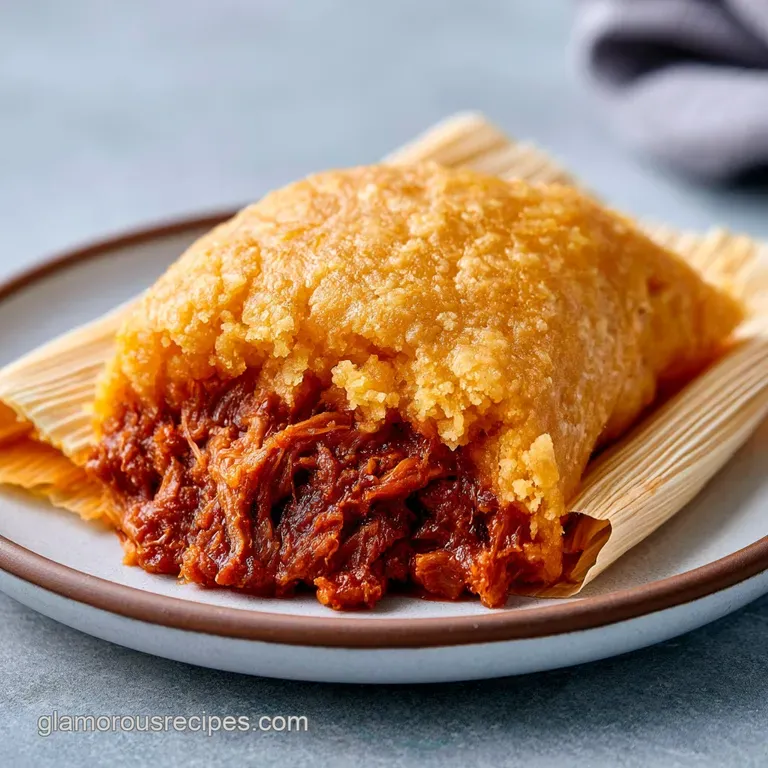
The most frustrating part of making Homemade Tamales is when they look great but taste like raw corn or feel like rubber. Most of these issues come down to temperature and air.
Troubleshooting Common Issues
| Issue | Solution |
|---|---|
| Why Your Masa is Dense | If your dough feels heavy, you probably didn't whip the lard enough or your lard was too warm. Lard needs to be cold to trap the air bubbles. If it's already melted, it won't hold the structure, and y |
| Why Fillings Leak | Leaking usually happens because the masa wasn't spread evenly or the parcel wasn't folded tightly enough. Make sure you have a solid "wall" of masa around the filling before you fold. |
| Why Husks Stick | This is a classic sign of undercooking. If the masa is still sticking to the husk, it hasn't fully set. Give them another 15-20 minutes of steam. |
Common Mistakes Checklist
- ✓ Lard was chilled before whipping.
- ✓ Masa was tested with a "float test" (a small piece should float in water).
- ✓ Husks were soaked for at least 30 minutes.
- ✓ Steamer was not overfilled, allowing steam to move.
- ✓ Pork was seared, not just boiled.
Creative Flavor Twists
While pork is the classic, you can really push the boundaries here. For a beef version, use chuck roast and swap the guajillo for chipotle in adobo for a smokier, spicier kick. If you're feeling adventurous, try a chicken version with shredded rotisserie chicken and a salsa verde masa.
For those wanting a plant based option, you can make vegan masa by replacing the lard with refined coconut oil. It won't be quite as fluffy, but it still delivers a rich mouthfeel. Just be sure to whip the coconut oil while it's in a semi solid state.
If you're in the mood for other global flavors, you might try my Homemade Pita Bread as a side. It's a great way to soak up any extra chile sauce you might have left over from the filling.
Adjustment Guidelines
If you're making a smaller batch (half recipe), use a smaller steamer pot and reduce the steaming time by about 20%. Since you're using fewer tamales, the heat penetrates the center of the pot faster.
For a double or triple batch, don't just triple the salt and spices. Increase salt and cumin to only 1.5x the original amount first, then taste. Liquids should be reduced by about 10% to avoid the masa becoming too runny.
Work in batches when whipping the lard, as most home mixers can't handle 3 cups of fat without splashing.
Truths About Tamale Making
There's a lot of noise out there about how to make Homemade Tamales, and some of it is just plain wrong. Let's clear a few things up.
First, searing the meat doesn't "seal in the juices." That's a myth. The juices escape regardless of whether you sear. However, the sear creates a complex, savory crust that adds a massive amount of flavor to the final dish.
Second, some people say lard is "too heavy" and suggest butter. Butter has a lower smoke point and a different water content, which can mess with the aeration of the masa. Lard is the gold standard for a reason - it's stable and creates the most velvety texture.
Storage and Waste Tips
Once your Homemade Tamales are cooled, they are perfect for the freezer. Store them in an airtight container or vacuum seal bags. They'll stay fresh in the fridge for 4 days or in the freezer for up to 3 months.
To reheat, the best way is to steam them again for 15-20 minutes. If you're in a rush, a microwave works, but wrap them in a damp paper towel first to keep the masa from drying out.
Don't throw away your leftover corn husks! While they aren't edible, they make great compost. Also, if you have leftover chile paste, freeze it in ice cube trays. You can drop a cube into a pan of sautéed vegetables or a pot of beans for an instant flavor boost.
Best Pairing Ideas
Since these are so rich and bold, you need something to cut through the fat. A crisp, pickled red onion salad or a side of cabbage slaw with lime juice is a must. The acidity balances the creamy masa and the heavy pork.
For drinks, a cold hibiscus tea (agua de jamaica) or a spicy margarita is the way to go. The tartness of the hibiscus cleanses the palate between bites of the Homemade Tamales.
If you're hosting a bigger spread, consider serving these alongside some grilled corn or a zesty avocado salad. The contrast between the warm, steamed masa and the cool, fresh vegetables makes the meal feel complete and adventurous.
Recipe FAQs
What is a common mistake when making tamales?
Using warm lard instead of chilled. Lard must be cold to trap air bubbles; if it is too warm, the masa will turn out dense and heavy.
What is the secret to great tamales?
Beat the chilled lard for 3 5 minutes. Whipping it on medium high until it looks like whipped cream is what creates a light, airy texture.
Are tamales ok for diabetics?
Generally no, because masa harina is high in carbohydrates. Those monitoring blood sugar may prefer low-carb options, similar to the approach used in our keto pizza crust.
How to store and reheat tamales?
Store in an airtight container in the fridge for 4 days or freeze for 3 months. Reheat by steaming for 15-20 minutes or microwaving them wrapped in a damp paper towel.
Why are my tamales sticking to the corn husks?
They are undercooked. This is a classic sign that the masa hasn't set; ensure they steam for the full duration to allow the masa to release from the husk.
Why is my tamale filling leaking out?
The masa wasn't spread evenly or the parcel was folded too loosely. Create a solid wall of masa around the filling before folding to ensure a tight seal.
How to make the masa dough light and airy?
Slowly stream in warm chicken broth while mixing on low. Follow this by beating on medium for an additional 2 minutes to finalize the fluffy consistency.
Homemade Tamales Recipe