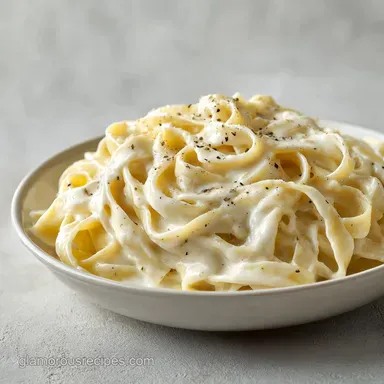
Olive Garden Alfredo Sauce: Creamy and Garlicky

- Time: 5 min active + 15 min cook = Total 20 minutes
- Flavor/Texture Hook: Velvety, garlicky, and soul nourishing
- Perfect for: Cozy weeknight dinners or a comforting treat for the whole family
- Secret to That Velvety Texture
- The Essential Recipe Specs
- The Main Ingredients List
- The Right Cooking Gear
- The Step-by-Step Cooking Process
- Avoiding Common Sauce Pitfalls
- Troubleshooting Common Issues
- Smart Dietary Sauce Swaps
- Sauce Storage and Scraps
- Ways to Serve It
- Final Thoughts on the Sauce
- Recipe FAQs
- 📝 Recipe Card
That first sizzle when the butter hits the pan and the garlic begins to dance in the oil, that's where the magic starts. It's a scent that immediately fills the kitchen with a warm, welcoming aroma, the kind that tells everyone in the house that dinner is going to be something special.
I remember the first time I tried to recreate this at home, thinking I could just melt some butter and toss in cheese. It was a disaster, a greasy mess that looked more like melted plastic than a sauce.
But there's something about the way the right ingredients come together that turns a simple meal into pure comfort. The real hero here is the freshly grated Parmesan. When you use the pre shredded stuff in the bag, you're fighting against cornstarch and cellulose, which prevents the cheese from fully melting into that silky, glossy finish.
To get that restaurant quality, you've got to grate it yourself, feeling the hard wedge of cheese give way to light, fluffy flakes.
This olive garden alfredo sauce recipe is all about creating a feeling of togetherness. It's not just about the food, it's about that moment when you bring a massive bowl of creamy pasta to the table and everyone leans in, captivated by the scent of nutmeg and toasted garlic. It's a classic for a reason, and once you get the timing right, it's a dish you'll return to whenever you need a little bit of soul nourishing warmth.
Secret to That Velvety Texture
Getting a sauce to stay smooth is where most people struggle. You've probably had that experience where the sauce looks great for a second, then suddenly separates into a pool of oil and clumps of cheese. It's frustrating, but there's a simple trick to stop it from happening.
The Stabilizer Secret: Adding a small amount of cream cheese creates a bridge between the water in the cream and the fats in the butter and Parmesan. This prevents the sauce from "breaking," which is when the emulsion fails and the oil leaks out.
The Simmer Window: We let the cream simmer for exactly 3 minutes. This reduces the water content just enough to thicken the sauce naturally without needing a flour based roux, keeping the flavor clean and pure.
Gentle Heat Integration: By reducing the heat to low before adding the cheese, we ensure the proteins in the Parmesan don't tighten up and become rubbery. This allows the cheese to melt slowly into a velvety flow.
| Method | Time | Texture | Best For |
|---|---|---|---|
| Quick Butter/Parm | 5 mins | Lighter/Oily | Quick Lunch |
| Classic Cream Base | 20 mins | Velvety/Thick | Family Dinner |
| Flour Based Roux | 30 mins | Heavy/Pastelike | Casseroles |
The Essential Recipe Specs
When we talk about the specs of this sauce, we're looking for a specific balance. It shouldn't be so thick that it stands up like mashed potatoes, but it shouldn't be so thin that it puddles at the bottom of the plate. It needs to coat the pasta like a heavy blanket.
For the best results, make sure your cream and cream cheese are not ice cold when they hit the pan. If you drop a freezing block of cream cheese into hot cream, it can create small lumps that are a pain to whisk out. I usually leave mine on the counter for about 20 minutes before I start cooking.
Another detail is the white pepper. I know most of us just have black pepper in the cupboard, but white pepper has a more floral, earthy heat that doesn't leave black specks in your pristine white sauce. It's a small detail, but it's what makes this homemade olive garden alfredo sauce feel authentic.
The Main Ingredients List
The ingredients here are simple, but the quality makes the difference. Don't be tempted to use low-fat cream or a substitute for the butter, as the fat is what carries all those garlicky, nutty notes.
- 1/2 cup (115g) unsalted butter Why this? Provides the rich, creamy base and carries garlic flavor (Substitute: Salted butter, but reduce added salt)
- 3 cloves (15g) garlic, minced Why this? Essential aromatic punch (Substitute: 1 tsp garlic powder, though less fragrant)
- 1 tbsp (15ml) olive oil Why this? Raises the smoke point of butter (Substitute: Unsalted butter)
- 2 cups (480ml) heavy cream Why this? Provides the body and velvetiness (Substitute: Half and half, though thinner)
- 2 oz (56g) cream cheese, softened and cubed Why this? Acts as the emulsifier to stop separation (Substitute: Mascarpone)
- 1/2 tsp (3g) salt Why this? Enhances all other flavors (Substitute: Sea salt)
- 1/4 tsp (1g) white pepper Why this? Subtle heat without the black specks (Substitute: Ground black pepper)
- 1 1/2 cups (150g) freshly grated Parmesan cheese Why this? The primary flavor and thickener (Substitute: Pecorino Romano for a saltier kick)
- 1/4 tsp (1g) ground nutmeg Why this? Cuts through the richness with warmth (Substitute: A pinch of mace)
| Ingredient | Science Role | Pro Secret |
|---|---|---|
| Heavy Cream | Volume & Body | Use room temp to avoid curdling |
| Cream Cheese | Stabilizer | Cube it small for faster melting |
| Parmesan | Salt & Umami | Always grate from a block |
| Nutmeg | Flavor Balance | A tiny pinch goes a long way |
The Right Cooking Gear
You don't need a professional kitchen to pull this off, but a few specific tools make the process smoother. I always reach for a wide, heavy bottomed skillet or a saucepan. The wider the pan, the more surface area the cream has to reduce, which helps it thicken more efficiently during that 3 minute simmer.
A sturdy whisk is non negotiable. You'll be doing a fair amount of whisking to ensure the cream cheese and Parmesan integrate perfectly. If you use a spoon, you're more likely to leave clumps of cheese behind, which ruins that silky mouthfeel we're after.
Finally, a fine mesh grater or a food processor is your best friend for the cheese. The smaller the shreds, the faster they melt. If the shreds are too thick, they might not fully dissolve before the sauce gets too hot, leading to a grainy texture.
The step-by-step Cooking Process
Now, let's get into the actual making. This is a fast process, so have everything measured and ready on your counter.
- Melt the butter and olive oil over medium low heat. Note: The oil keeps the butter from browning too quickly.
- Add the minced garlic and sauté for 1-2 minutes until fragrant and translucent. Ensure the garlic does not brown, or it will taste bitter.
- Pour in the heavy cream and whisk in the salt and white pepper.
- Bring the mixture to a gentle simmer and maintain for exactly 3 minutes, stirring occasionally until it slightly thickens.
- Reduce the heat to low. Note: This is critical to prevent the cheese from breaking.
- Whisk in the cubed cream cheese until it is completely dissolved into the sauce.
- Gradually add the freshly grated Parmesan cheese one handful at a time.
- Whisk constantly until the sauce is velvety and glossy.
- Stir in the ground nutmeg. Note: Adding this at the end preserves its aromatic quality.
- Remove from heat immediately once the cheese has melted.
Chef's Note: If you're serving this with pasta, toss the noodles into the pan while the sauce is still hot. The pasta will absorb a bit of the cream, making the sauce cling to every single strand.
Avoiding Common Sauce Pitfalls

Even with a simple easy olive garden alfredo sauce recipe, things can go sideways. The most common issue is a sauce that looks "broken" or grainy. This usually happens because the heat was too high when the cheese went in, causing the proteins to clump together.
Troubleshooting Common Issues
| Issue | Solution |
|---|---|
| Why Your Sauce is Grainy | This is usually a temperature issue. When Parmesan hits boiling liquid, it can seize up. To avoid this, always drop your heat to the lowest setting before the cheese touches the pan. If it's already h |
| Why Your Sauce Separated | Separation happens when the fat and the liquid part ways. This is often caused by adding the cheese too quickly or using a cheese with too many additives. If you see oil pooling on top, remove it from |
| Why Your Sauce is Too Thin | If the sauce feels more like a soup than a coating, you likely skipped the 3 minute simmer or didn't use enough Parmesan. You can fix this by simmering it for another 2 minutes, but be careful not to |
Common Mistakes Checklist:
- ✓ Did you grate the cheese from a block?
- ✓ Did you simmer the cream for the full 3 minutes?
- ✓ Is the heat on "low" before adding the cream cheese?
- ✓ Did you add the Parmesan one handful at a time?
- ✓ Did you avoid boiling the sauce after the cheese was added?
Smart Dietary Sauce Swaps
Sometimes you want the comfort of an olive garden alfredo sauce recipe but need to tweak it for the table. Whether it's a dairy restriction or just wanting something a bit lighter, you can still get close to that classic flavor.
For those looking for an olive garden alfredo sauce recipe gluten-free, you're in luck. Since this recipe doesn't use a flour roux, it's naturally gluten-free. Just ensure your Parmesan cheese is certified GF, as some brands use additives.
If you need an olive garden alfredo sauce without heavy cream, you can use a mixture of whole milk and an extra tablespoon of cream cheese to maintain the thickness. It won't be as rich, but it's a great way to lighten the load. For an even more unique twist, you might enjoy my Garlic Sauce recipe if you're looking for a punchy, non dairy garlic hit for other dishes.
Another popular variation is the olive garden alfredo sauce with cream cheese, which is already built into this method. The cream cheese is the secret weapon. Without it, you have a standard Alfredo, but with it, you have that specific, thick, restaurant style mock olive garden alfredo sauce.
Sauce Storage and Scraps
Since this sauce is so rich, it holds up well in the fridge, but it does change consistency. When it cools, the fats solidify, and the sauce will look almost like a thick paste. Don't panic! This is normal.
Storage Guidelines: Store the leftover sauce in an airtight container in the fridge for up to 4 days. When you're ready to eat it again, reheat it slowly on the stove over low heat. Add a splash of milk or pasta water to loosen it back up to that velvety state.
Freezing: I don't generally recommend freezing Alfredo. The emulsion can break during the freeze thaw cycle, leaving you with a grainy sauce. However, if you must, freeze it for up to 2 months and thaw it slowly in the fridge before reheating gently.
Zero Waste Tips: Don't throw away those Parmesan rinds! The hard end of the cheese block is a flavor goldmine. Toss a rind into a pot of simmering vegetable or chicken stock, or even into a Easy Baked Tortellini Casserole while it's baking. It adds a deep, salty umami that you just can't get from salt alone.
Ways to Serve It
While this is primarily a sauce recipe, the way you present it changes the whole experience. The classic choice is fettuccine, but don't be afraid to experiment with other shapes. Rigatoni or penne are great because the sauce gets trapped inside the tubes.
The Classic Pairing: For a full olive garden chicken alfredo recipe, simply grill two chicken breasts seasoned with salt, pepper, and a pinch of paprika. Slice the chicken and lay it over the creamy pasta. Serve with a side of toasted garlic bread and a crisp Caesar salad to balance the richness.
The Gourmet Twist: If you want to fancy things up, add a handful of sautéed baby spinach or some roasted red peppers to the sauce at the very end. The acidity of the peppers cuts through the fat of the cream and butter beautifully.
Decision Shortcut:
- If you want a dinner party showstopper, use fettuccine and grilled shrimp.
- If you want a quick family meal, toss it with bow tie pasta and peas.
- If you want a cozy side, pour it over steamed broccoli or asparagus.
Final Thoughts on the Sauce
Making a homemade olive garden alfredo sauce is one of those skills that makes you feel like a real pro in the kitchen. It's not about complex techniques or expensive ingredients, it's about patience and paying attention to the heat.
Once you feel that sauce transition from a liquid to a glossy, clinging cream, you'll never go back to the jarred stuff.
Trust the process, keep your heat low, and always, always grate your own cheese. Whether you're making this for a rainy Tuesday or a big holiday gathering, this creamy garlic alfredo sauce is guaranteed to bring everyone together. Now, go grab your whisk and get cooking!
Recipe FAQs
What are the ingredients in Olive Garden's Alfredo sauce?
Butter, olive oil, minced garlic, heavy cream, salt, white pepper, cream cheese, Parmesan cheese, and nutmeg. These components combine to create the characteristic rich, velvety texture.
What is the secret to Olive Garden Alfredo sauce?
The inclusion of cream cheese. This adds a specific tang and stability that traditional Alfredo lacks. If you enjoyed mastering this emulsion here, see how the same principle works in our creamy tomato vodka sauce.
What is the closest Alfredo sauce to Olive Garden Alfredo?
A copycat recipe using both cream cheese and heavy cream. Most store-bought options lack the depth provided by these two fats combined with freshly grated Parmesan.
Is Olive Garden Alfredo made from scratch?
Yes, it is prepared in-house. They use a combination of fresh dairy and cheeses to maintain the sauce's consistency and richness.
Why is my Alfredo sauce grainy?
The heat was too high when adding the cheese. Parmesan seizes when it hits boiling liquid, so always reduce the heat to the lowest setting before the cheese touches the pan.
How to prevent the sauce from separating?
Add the Parmesan cheese gradually, one handful at a time. Whisking constantly on low heat ensures the fat and liquid stay emulsified.
How to store leftover Alfredo sauce?
Place it in an airtight container in the refrigerator. Reheat gently over low heat, adding a splash of heavy cream if the sauce has thickened too much.
Olive Garden Alfredo Sauce in 20 Minutes