Healthy Miso Soup with Greens and Tofu

- Prep & Cook: 5 min active + 15 min cook
- Taste Profile: A rich, salty base paired with tender-crisp greens
- Best for: A quick, nutrient-packed lunch during the week
The aroma of dashi meeting boiling water always transports me. That savory, briny scent drifts through the kitchen, bringing a sense of peace. In Japan, such a soup is far more than a simple accompaniment; it is a daily ritual steeped in a legacy of fermentation and mindful consumption.
I once believed that a vast array of specialty ingredients was necessary to achieve an authentic taste. In reality, as long as you have quality miso and dashi, you can experiment with any greens on hand. The objective is to find a harmony between salty depth and bright, fresh accents.
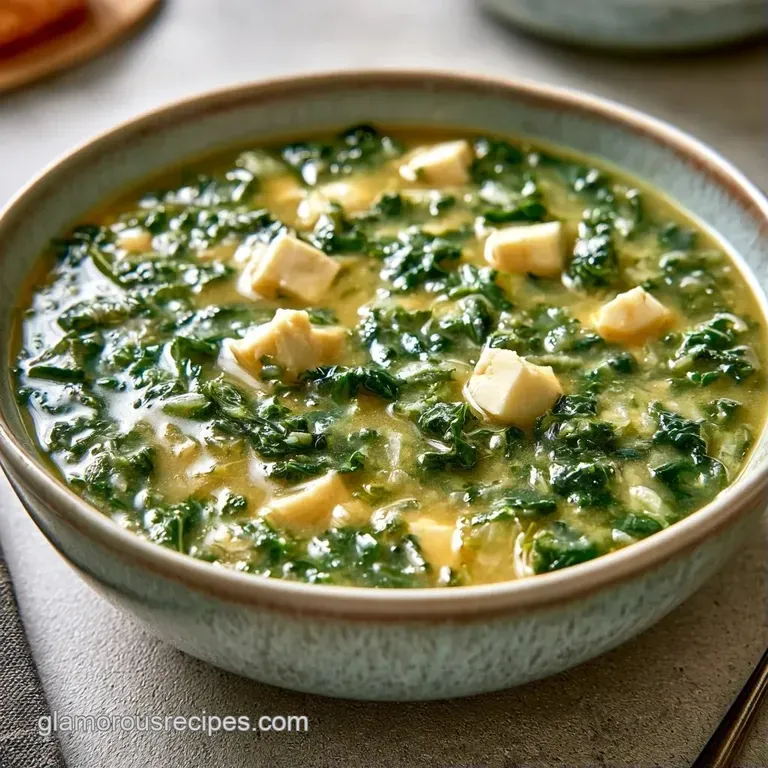
The result is a bowl that feels effortless yet delivers a concentrated punch of flavor. The appeal of this Miso Soup with Greens is the interplay between the silky tofu and the slight bite of the kale. Let’s dive into the steps.
Hearty Miso Soup with Greens
Raw Miso: Adding the paste after the heat is off keeps the probiotics alive and prevents the flavor from turning bitter.
Dashi Base: Combining seaweed and fish/mushroom notes creates a foundation that makes the vegetables taste more vibrant.
Texture Play: The quick simmer keeps the greens from turning into mush, leaving them with a satisfying snap.
| Method | Time | Texture | Best For |
|---|---|---|---|
| Stovetop | 20 mins | Bright and fresh | Weeknight meals |
| Oven Pot | 2 hours | Deeply infused | Slow Sunday prep |
The difference here is all about the speed of the heat. A quick stovetop simmer preserves the vivid green color of the kale, whereas a slow baked pot softens everything into a unified, rich stew.
Essential Recipe Specs
This recipe focuses on a fast turnaround without sacrificing the bold, global flavors of a fermented broth. Since we aren't boiling the miso, the active time is minimal.
For the best results, use a medium bottomed pot to ensure the heat spreads evenly. This prevents the garlic from burning in the first 30 seconds.
The Ingredient Lineup
| Ingredient | What It Does | Best Swap |
|---|---|---|
| Miso Paste | Provides salty, fermented depth | Red miso for a bolder taste |
| Dashi Granules | Adds a savory, oceanic base | Kombu powder or mushroom stock |
| Extra Firm Tofu | Adds protein and a smooth bite | Chickpeas for more chew |
| Chopped Kale | Brings earthiness and color | Spinach or Swiss chard |
The Full List
- 950 ml (4 cups) water
- 1 tsp dashi granules Why this? Instant umami boost without making stock from scratch
- 3 tbsp miso paste Why this? Fermented soybeans provide the core salty flavor
- 1 tbsp low sodium soy sauce Why this? Adds a layer of salt and color
- 2 cups chopped kale Why this? Holds its shape better than spinach
- 200g (7 oz) extra firm tofu, cubed Why this? Doesn't fall apart during stirring
- 2 cloves garlic, minced Why this? Adds a sharp, aromatic punch
- 2 stalks green onion, thinly sliced
- 1 tsp toasted sesame seeds
Substitutions to consider:
- Kale: Use spinach, but only add it in the last 60 seconds of cooking.
- Tofu: Try silken tofu if you want a more delicate, custard like texture.
- Dashi: Use a vegan mushroom broth if you avoid fish products.
Gear You'll Need
No professional gear is required for this. A standard medium saucepan will do the trick.
I also suggest using a small whisk or a fork. Use this to blend the miso slurry in a separate bowl, as it's the best way to keep annoying lumps of paste out of your soup.
Steps to Cook It
Place a medium saucepan over medium heat. Add a splash of water and the minced garlic, sautéing for 30 seconds until it smells fragrant but hasn't turned brown. Note: Burnt garlic makes the broth bitter.
Pour in 950 ml of water and stir in the dashi granules. Bring the mixture to a gentle boil, then reduce it to a simmer.
Add the chopped kale and cubed tofu to the simmering broth. Cook for 3–5 minutes until the greens are tender crisp and vibrant.
Turn off the heat entirely. This is the most important part.
Scoop about 120 ml (1/2 cup) of the hot broth into a small bowl.
Add the 3 tbsp of miso paste to the small bowl. Whisk vigorously until the paste is completely dissolved into a smooth slurry.
Pour the miso slurry back into the pot and stir gently.
Garnish each bowl with sliced green onion and toasted sesame seeds.
Fixing Common Issues
One thing I learned the hard way is that miso is sensitive. If you boil it, you lose that fresh, fermented tang and kill the probiotics. That's why we use the slurry method.
Another common slip is overcooking the greens. If you leave the kale in too long, it loses that bright green pop and becomes a dull olive color.
Preventing Miso Clumping
Miso is thick and doesn't always like to merge with water. If you drop the dollop straight into the pot, you'll find salty chunks at the bottom of your bowl.
Stopping Greens from Overcooking
Greens have different wilting points. Kale takes a few minutes, but spinach vanishes in seconds.
| Problem | Fix |
|---|---|
| Lumpy broth | Whisk miso with broth in a separate bowl first |
| Mushy greens | Reduce simmer time to 3 minutes |
| Too salty | Dilute with an extra 1/2 cup of hot water |
For a bolder taste, try using red miso instead of white. It's fermented longer and has a more intense punch that stands up well to the kale.
Ways to Customize
If you're feeling adventurous, this Miso Soup with Greens works as a great base for fusion flavors. I love adding a teaspoon of grated ginger along with the garlic to give it a spicy, warming edge.
For those who want something even simpler, my Easy Miso Soup recipe shows how to do this without the added greens for a lighter starter.
Decision Shortcuts:
- For a heartier meal: Double the tofu and add sliced shiitake mushrooms.
- For a brighter finish: Squeeze in half a lime right before serving.
- For a saltier kick: Add a splash more soy sauce during step 2.
| Upgrade | Ingredient | Impact |
|---|---|---|
| Premium | Fresh Kombu | Deeper oceanic flavor |
| Budget | Cabbage | Cheaper than kale, slightly sweeter |
| Protein | Edamame | Adds a nutty flavor and more bulk |
If you find yourself craving something creamier, you might enjoy my Creamy Tortellini Vegetable Soup, which uses a totally different flavor profile but the same "one pot" convenience.
Keeping it Fresh
Because the miso is stirred in at the very end, this soup tastes best served right away. That said, any leftovers can be kept chilled for a couple of days.
Refrigeration
Store the soup in an airtight container. When warming it back up, use a gentle simmer on the stove. Avoid letting it reach a rolling boil, as this will diminish the delicate miso flavor.
Freezer Warning
I wouldn't recommend freezing this soup. The tofu develops a spongy texture and the kale loses its integrity, making the quality drop significantly.
Zero Waste Tips
Save your kale stems rather than throwing them away. Dice them finely and sauté them with the garlic at the beginning; this adds a pleasant crunch and retains more nutrients in your meal.
Serving Suggestions
This dish is a light starter, but it can be a full meal if you add a side of steamed brown rice. The contrast between the fluffy rice and the salty, velvety broth is fantastic.
The Light Starter
Serve it in a small bowl as an appetizer. The toasted sesame seeds provide a nutty aroma that wakes up the palate before a larger course.
Increasing Protein Density
If you're using this for dinner, add a soft boiled egg. The jammy yolk mixes into the Miso Soup with Greens, creating a richer, creamier consistency.
Right then, you're all set. Whether you're looking for a quick detox lunch or just something warm to soothe your soul, this recipe delivers. Just remember: heat off, miso in, and enjoy the bold, global flavors.
High in Sodium
925 mg 925 mg of sodium per serving (40% 40% of daily value)
The American Heart Association recommends a daily sodium limit of no more than 2,300 mg for most adults to maintain heart health.
Tips to Reduce Sodium
-
Low-Sodium Miso-30%
Substitute regular miso for a low-sodium miso paste or reduce the amount to 1.5 tbsp to cut the primary source of salt.
-
Fresh Dashi Alternative-20%
Replace processed dashi granules with homemade dashi made from kombu and bonito flakes to avoid added sodium.
-
Increase Bulk-10%
Add more chopped kale or mushrooms to the soup to increase volume and lower the sodium concentration per serving.
-
Rinse the Tofu-5%
Thoroughly rinse the extra firm tofu under cold running water to remove excess salt from the packaging brine.
-
Enhance with Aromatics
Add fresh grated ginger or a squeeze of lemon juice to boost the flavor profile without adding any sodium.
Recipe FAQs
What greens can I put in miso soup?
Kale is the ideal choice for this broth. Other hearty greens also work well as long as they don't dissolve during simmering.
Is it true that only kale can be used in miso soup?
False. While kale is the official ingredient here, other leafy greens are great alternatives.
Do you eat the green leaves in miso soup?
You eat the leaves along with the tofu. They add a tender crisp texture and a vibrant color to the bowl.
Which vegetables go well with miso?
Tofu and kale pair perfectly with the salty miso base. If you enjoy these hearty combinations, try the flavor profiles in our white bean soup.
Miso Soup With Greens