Tender Lamb Stew with Lamb Shoulder

- Total2 Hrs 50 Mins
- Calories578 kcal
- CuisineInternational
- Time: 20 min active + 2 hours 30 mins cooking
- Flavor & Texture: Savory, hearty, and tender
- Perfect for: Cold rainy nights and family gatherings
Lamb Stew
Imagine a rainy Sunday afternoon with the smell of seared meat and fresh rosemary filling every room. This is the kind of meal that makes a house feel like a home. It's bold, comforting, and hits that spot where savory richness meets a sharp, clean finish.
The real draw here is the contrast. You have the deep, earthy notes of the lamb and root vegetables, but the touch of lemon in the broth keeps it from feeling too heavy. It's a balance that keeps you coming back for another spoonful.
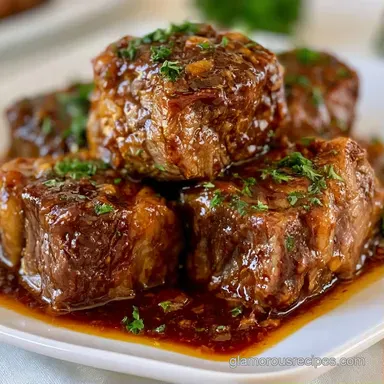
You can expect a thick, glossy sauce and meat that basically falls apart. This lamb stew is designed for those who want a big, adventurous flavor without spending the whole day hovering over a stove.
The Texture Trick
- Shoulder Cuts: Using lamb shoulder is a smart move because the connective tissue melts into gelatin during the simmer, giving the sauce a silky body.
- The Hard Sear: Browning the meat at high heat creates a deep crust, which builds a savory foundation that you just can't get from boiling.
- Citrus Balance: The lemon juice in the broth cuts through the fat of the lamb, brightening the whole pot.
Flavor Map:
- Deep Umami (Lamb) <---> Bright Citrus (Lemon broth)
- Earthy (Rosemary/Thyme) <---> Sweet (Carrots/Onions)
- Tender (Meat) <---> Soft (Potatoes)
| Thickness | Temp | Rest | Visual Cue |
|---|---|---|---|
| Thick & Glossy | 145°F (63°C) | 3 mins | Meat yields to a fork |
Quick Recipe Specs
This is a one-pot meal that focuses on building layers. You start with a high-heat sear, move to a gentle sauté, and finish with a long, low-heat braise.
Gathering the Essentials
Ingredient Breakdown
| Ingredient | Purpose | Substitutions |
|---|---|---|
| Lamb Shoulder | Primary protein and structure | Beef chuck (approximate; use less salt) |
| Tomato Paste | Enhances depth and color | A small amount of tomato sauce (will add more liquid) |
| Lamb Broth | Savory liquid foundation | Beef broth (bolder flavor, adjust lemon accordingly) |
Complete Ingredient List
- 2 lbs lamb shoulder, cut into 1-inch cubes Why this? High collagen for a velvety sauce
- 2 tbsp vegetable oil
- 1 tsp salt
- ½ tsp black pepper
- ¼ cup all-purpose flour
- 2 tbsp unsalted butter
- 1 large onion, diced
- 3 cloves garlic, minced
- 3 large carrots, sliced into thick rounds
- 1½ lbs Yukon Gold potatoes, cubed into 1-inch pieces
- 1 tbsp tomato paste
- 4 cups lamb broth with lemon juice Why this? Adds brightness to balance the heavy fats
- 1 tsp dried thyme
- 1 sprig fresh rosemary, tied with string
- 2 bay leaves
- 1 cup frozen peas
Tools for the Job
You'll need a heavy-bottomed Dutch oven. A cast-iron pot is a total win here because it holds heat evenly and can go from the stove to the oven if you prefer. Use tongs for flipping the meat and a wooden spoon for scraping those tasty brown bits off the bottom.
How to Make It
Phase 1: Browning the Lamb
Put the cubed lamb in a mixing bowl. Toss with ¼ cup all-purpose flour, 1 tsp salt, and ½ tsp black pepper until well-coated. In a Dutch oven, heat 2 tbsp vegetable oil over medium-high heat.
Brown the lamb in batches to avoid overcrowding, searing until the meat is a deep, rich brown brown on all sides. Use tongs to transfer the meat to a plate. Note: Overcrowding the pot lowers the temperature, causing the meat to steam rather than sear.

Phase 2: Sautéing the Vegetables
Turn the heat down to medium and melt 2 tbsp unsalted butter into the remaining fat. Add the diced onion and sliced carrots, cooking for 5–7 minutes until the onions reach a translucent and soft consistency.
Stir in 1 tbsp tomato paste and the minced garlic, stirring constantly for 1 minute until the paste darkens and becomes fragrant.
Phase 3: Creating the Braise
Return the seared lamb and any accumulated juices to the pot. Pour in 4 cups lamb broth with lemon juice, using a wooden spoon to scrape up the browned bits from the bottom. Stir in 1 tsp dried thyme, 1 sprig fresh rosemary, and 2 bay leaves.
Once the liquid reaches a boil, lower the heat, cover with a tight lid, and simmer for 90 minutes.

Phase 4: Finishing the Stew
Incorporate the cubed potatoes and continue simmering, covered, for another 30–45 minutes. The stew is done when the potatoes are tender and the lamb yields easily when pressed with a fork, hitting a core temperature of 145°F/63°C. Fold in 1 cup frozen peas during the final 5 minutes of cooking.
Discard the bay leaves and rosemary sprig before serving.

Problems and Solutions
Fixing a Thin Sauce
If the liquid looks too watery, you just need to reduce it. Remove the lid for the final 20 minutes of simmering to let the steam escape and the flavors concentrate.
Preventing Tough Meat
Chewy lamb usually just means it hasn't had enough time. Collagen takes a while to melt, so if it's not tender, give it another 15–30 minutes on low.
Balancing Heavy Flavors
If the stew feels too "heavy" or fatty, add a teaspoon of apple cider vinegar or an extra squeeze of fresh lemon right before serving.
| Problem | Root Cause | Solution |
|---|---|---|
| Watery broth | Lid kept on too long | Simmer uncovered for 20 mins |
| Tough meat | Undercooked | Simmer for another 30 mins |
| Bland flavor | Lack of salt/acid | Add salt or a splash of lemon juice |
Dietary Adaptations
For a low-carb alternative, replace the potatoes with cauliflower florets or radishes. Stir these in during the final 30 minutes of cooking to avoid them becoming mushy. To give the dish a Caribbean-inspired profile, stir a dash of soy sauce and a pinch of allspice into the braise for an earthy, salty depth.
This recipe is easily adapted for a slow cooker: sear the meat first, then cook on low for 8 hours. For an Instant Pot version, use the sauté function for the meat and aromatics before pressure cooking for 45 minutes.
To cut through the richness, I suggest serving this with a bright side. A Beltane Wild Herb Salad provides a crisp, acidic contrast that refreshes the palate between bites.
Storage and Reheating
Seal the leftovers in glass containers and keep them chilled for 3 to 4 days, according to USDA guidelines. Honestly, this lamb stew tastes even better on day two once the flavors have had time to meld.
This dish freezes beautifully. Let it cool completely and store it in freezer-safe bags for up to 3 months. When you're ready to eat, thaw it overnight in the fridge. Reheat gently on the stovetop over medium-low heat until it reaches 165°F/74°C, as recommended by the CDC.
If the sauce has thickened too much, stir in a splash of water or broth to loosen it. When reheating cooked leftovers, check with a food thermometer that the center reaches 165°F (74°C); the appliance temperature and time alone do not confirm this.
Serving Suggestions

Serve this in wide bowls with a big piece of crusty sourdough bread for dipping. A sprinkle of fresh parsley or a few cracks of black pepper on top adds a nice pop of color. Because the flavors are so bold, you don't need much else on the plate.
High in Sodium
957 mg of sodium per serving (42% of daily value)
American Heart Association recommendation: no more than 2,300 mg of sodium per day
Tips to Reduce Sodium
-
Swap the Broth
Replace the lamb broth with a low-sodium or no-salt-added version to drastically reduce the main source of salt.
-
Reduce Added Salt
Decrease or omit the 1 tsp of salt used to season the meat, relying instead on the natural flavors of the broth and vegetables.
-
Low-Sodium Tomato Paste
Check the label and choose a no-salt-added tomato paste to avoid hidden sodium in the base of the stew.
-
Enhance with Aromatics
Increase the fresh rosemary, dried thyme, and lemon juice to provide a bold, savory flavor that compensates for less salt.
Frequently Asked Questions
Is the finished broth meant to be thick or thin, and how can it be thickened without changing the taste?
It should be moderately thick. The flour coating on the lamb naturally thickens the liquid as it simmers, creating a rich consistency without adding extra ingredients.
Can boneless lamb shoulder be replaced with bone-in shoulder steaks or chops, and how should they be prepared?
Yes, bone-in cuts are a great substitute. Sear them whole in the pot first, then simmer as directed to extract more flavor from the bone into the broth.
Would a slow cooker work for this recipe?
Yes, it is an excellent alternative. Brown the meat and vegetables in a pan first, then transfer everything to the slow cooker for a longer, lower-temperature simmer.
What broth works if chicken broth is not on hand, and does beef broth overpower the stew?
Use lamb broth with lemon juice. This specific combination provides the essential brightness and savory depth intended for this regional style of stew.
How can the recipe be adapted for low-carb, garlic-free, or other allergy-driven diets, such as swapping the potatoes or onion?
For low-carb, replace the potatoes with cauliflower florets or radishes; omitting the flour will leave the sauce thinner. Skip the garlic or onions as needed to accommodate dietary restrictions while maintaining the core braising technique.
Does a Caribbean lamb stew differ from this version?
Yes, the seasoning profile is different. Caribbean styles typically incorporate different spices and higher heat levels compared to this herbal preparation.
Where should leftovers be stored?
Keep them chilled for 3 to 4 days. Store the stew in glass containers to maintain the quality of the meat and vegetables.
Will freezing this stew affect the quality?
No, it freezes beautifully. Store it in freezer-safe bags for up to 3 months and thaw overnight in the fridge before reheating. When reheating cooked leftovers, check with a food thermometer that the center reaches 165°F (74°C); the appliance temperature and time alone do not confirm this.
Tender Lamb Stew with Lamb Shoulder
Ingredients:
Instructions:
More to Cook

Grilled Bread Salad with Sourdough
Grilled Bread Salad is a bright Panzanella salad with charred sourdough.

Tzatziki Sauce in 15 Minutes
Cool and tangy Greek yogurt and cucumber make this Tzatziki Sauce.

Beltane Wild Herb Salad
This Beltane Wild Herb Salad celebrates spring with fresh flavors.
