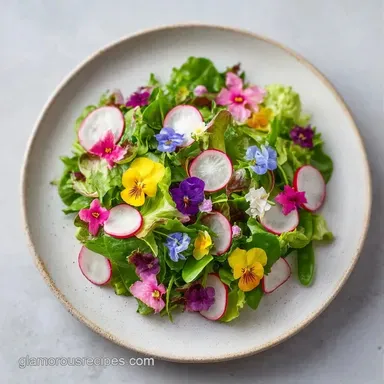
Beltane Wild Herb Salad: Fresh and Foraged
- Time:15 minutes active + 0 minutes chilling
- Flavor/Texture Hook: Peppery crunch with velvety floral notes
- Perfect for: Pagan spring celebrations, brunch, or a healthy lunch
- The Real Beltane Wild Herb Salad
- Why the Flavors Balance Out
- Ingredient Deep Dive
- What You'll Need
- The Essential Tool Kit
- The Easy Step-by-Step
- Fixing Common Salad Issues
- Troubleshooting Common Issues
- Different Ways to Twist It
- Scaling Guidelines
- Truths About Foraged Greens
- Storage and Zero Waste
- Best Pairings for This
- Recipe FAQs
- 📝 Recipe Card
That smell of crushed chives and cold, damp earth is exactly how I remember my first foray into foraging. I remember standing in a small patch of meadow, the air still crisp but the sun finally starting to bite through the clouds, wondering if these little jagged leaves were actually edible.
My grandmother had this habit of treating the backyard like a grocery store, and she taught me that the best flavors aren't bought in plastic bags, but plucked from the soil right when the world wakes up.
For those who didn't grow up with it, Beltane is all about the peak of spring and the arrival of summer. It's a celebration of growth, fertility, and the sheer abundance of nature. This recipe is my way of bringing that wild energy into a modern kitchen.
It's not just about eating greens, it's about honoring that seasonal shift.
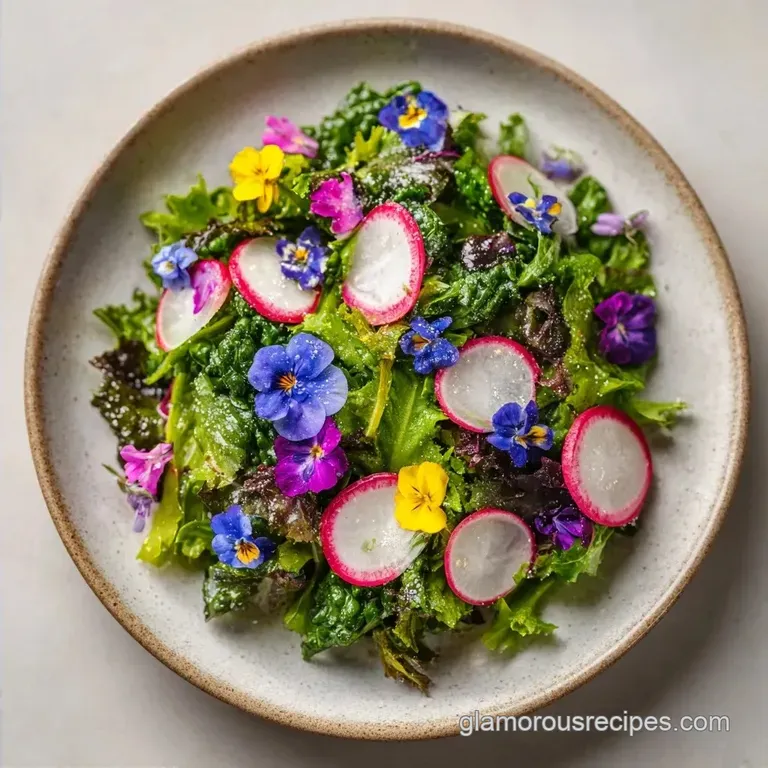
You can expect a bowl that looks like a meadow and tastes like a bright, zesty wake up call. The Beltane Wild Herb Salad is designed to be simple and fast, so you spend less time chopping and more time enjoying the freshness. We're combining the bitterness of wild greens with the sweetness of honey and the snap of fresh radishes.
The Real Beltane Wild Herb Salad
When you first look at this recipe, it might seem like just another bowl of greens. But there's something different about the way wild herbs interact with a dressing. Most store-bought mixes are bred to be mild, but foraged greens like dandelion or chickweed have a punchy, assertive character.
It's a flavor profile that feels alive and energetic.
I've found that the key is not to overwork the leaves. If you toss them too aggressively, you lose that delicate structure. You want the dressing to coat the leaves in a thin, glistening layer without drowning them.
It's a delicate balance between the wild, untamed taste of the meadow and the structured sweetness of the vinaigrette.
This dish is a great entry point for anyone curious about foraging. You don't need to be an expert botanist to appreciate the difference a few wild leaves make. Even if you get your greens from a specialty market, the combination of edible flowers and spring herbs creates a visual and sensory experience that feels special.
Why the Flavors Balance Out
To get this right, you have to understand how the ingredients fight and then eventually shake hands. It's all about managing the bitterness of the spring greens.
- Acidic Neutralization: The lemon juice and apple cider vinegar break down the bitter compounds in dandelion greens, making them taste brighter.
- Emulsion Stability: The honey and Dijon mustard act as binders, stopping the oil and vinegar from separating so every leaf gets an even coat.
- Textural Contrast: Sliced radishes provide a watery, sharp crunch that offsets the velvety feel of the edible flowers.
- Aromatic Layering: Fresh chives and parsley add a grassy, oniony top note that bridges the gap between the earthiness of the greens and the acidity of the dressing.
If you're looking for other ways to use these ingredients, you might want to get the Ultimate Spring Party Salad recipe at The Kitchn for some additional inspiration on seasonal mixes.
Fresh vs Shortcut Comparison
Depending on how much time you have or where you live, you might choose different paths for your greens.
| Approach | Green Source | Flavor Profile | Effort Level |
|---|---|---|---|
| Fresh Foraged | Dandelion, Chickweed | Sharp, peppery, bold | High (Gathering/Cleaning) |
| Garden Mix | Store baby kale, Arugula | Mild, nutty, consistent | Low (Wash and go) |
| Hybrid | Baby spinach + Foraged | Balanced, accessible | Medium |
Right then, let's look at what's actually happening inside the bowl.
Ingredient Deep Dive
Understanding why we use these specific items helps you make better choices if you're missing something in your pantry.
| Ingredient | Science Role | Pro Secret |
|---|---|---|
| Extra Virgin Olive Oil | Fat carrier | Use a cold pressed oil to keep the peppery notes intact |
| Apple Cider Vinegar | Sharp acid | Adds a fruity undertone that softens the mustard's bite |
| Honey | Natural sweetener | Helps the dressing cling to the smooth surface of the leaves |
| Dijon Mustard | Emulsifier | Provides a creamy texture without adding heavy dairy |
What You'll Need
For this recipe, stick to these exact amounts to keep the dressing balanced. If you add too much honey, you lose the "wild" feel; too much vinegar, and it becomes a pickle salad.
- 4 cups (100g) mixed baby spring greens (arugula, spinach, or baby kale) Why this? Provides a mild, nutrient dense base for bolder herbs.
- 1/2 cup (15g) foraged dandelion greens or chickweed Why this? Adds the characteristic "wild" bitterness and pepper.
- 1/4 cup (10g) fresh parsley, roughly chopped Why this? Adds a clean, grassy freshness.
- 2 tbsp (5g) fresh chives, snipped Why this? Brings a subtle, mild onion aroma.
- 1/4 cup (15g) edible spring flowers (violas, pansies, or nasturtiums) Why this? Adds visual beauty and a velvety texture.
- 1/2 cup (75g) thinly sliced radishes Why this? Provides a sharp, crisp contrast.
- 3 tbsp (45ml) extra virgin olive oil
- 1 tbsp (15ml) fresh lemon juice
- 1 tbsp (15ml) apple cider vinegar
- 1 tsp (5g) honey
- 1 tsp (5g) Dijon mustard
- 1/4 tsp (1.5g) sea salt
- 1/8 tsp (0.5g) cracked black pepper
Substitution Options:
| Original Ingredient | Substitute | Why It Works |
|---|---|---|
| Honey (1 tsp) | Maple Syrup (1 tsp) | Similar viscosity. Note: Adds a woody, autumnal note. |
| Apple Cider Vinegar | White Wine Vinegar | Similar acidity. Note: A bit sharper, less fruity. |
| Dandelion Greens | Radicchio (shredded) | Matches the bitter profile. Note: Lacks the "wild" forage feel. |
| Edible Flowers | Pomegranate Seeds | Adds a pop of color. Note: Changes velvety texture to a burst of juice. |
Honestly, don't even bother with low-fat olive oil here. You need the richness of the extra virgin oil to carry the flavors of the herbs.
The Essential Tool Kit
You don't need a fancy kitchen to pull this off. In fact, the fewer tools you use, the better.
- Large Glass Jar: Essential for shaking the dressing. A mason jar works perfectly.
- Large Mixing Bowl: Give yourself plenty of room so you don't bruise the greens.
- Salad Spinner: This is a must. Wet greens are the enemy of a good dressing.
- Tongs: Better than spoons for tossing delicate flowers and leaves.
Chef's Note: If you don't have a salad spinner, lay your greens on a clean lint free kitchen towel and pat them gently. Just don't press too hard, or you'll crush the cells and make them wilt faster.
The Easy step-by-step
Now, let's put it all together. This is a fast process, but the order of operations matters.
- Wash the herbs. Rinse the wild herbs and greens in cold water to remove any grit or sand. Use a salad spinner until the leaves are completely dry and snap when touched. Note: Water on the leaves prevents the oil from sticking.
- Mix the dressing base. Pour the olive oil, lemon juice, apple cider vinegar, honey, and Dijon mustard into your glass jar.
- Season the emulsion. Add the sea salt and cracked black pepper to the jar.
- Emulsify the dressing. Close the lid tight and shake vigorously for 30 seconds until the mixture is opaque and creamy. Note: You're looking for a uniform color, not separate layers of oil.
- Combine the greens. Place the mixed baby greens, dandelion greens, and chopped parsley in your large bowl.
- Add the crunch. Scatter the thinly sliced radishes over the top of the greens.
- Dress the salad. Drizzle the shaken dressing over the top and toss gently with tongs until every leaf is glistening.
- Add the flowers. Gently fold in the edible flowers at the very end. Note: These are fragile; if you toss them too much, they'll tear.
Precision Checkpoints:
- Dressing Shake: Exactly 30 seconds for a stable emulsion.
- Dryness: Leaves should have zero visible water droplets before dressing.
- Toss Time: No more than 20 seconds of tossing to prevent wilting.
Fixing Common Salad Issues
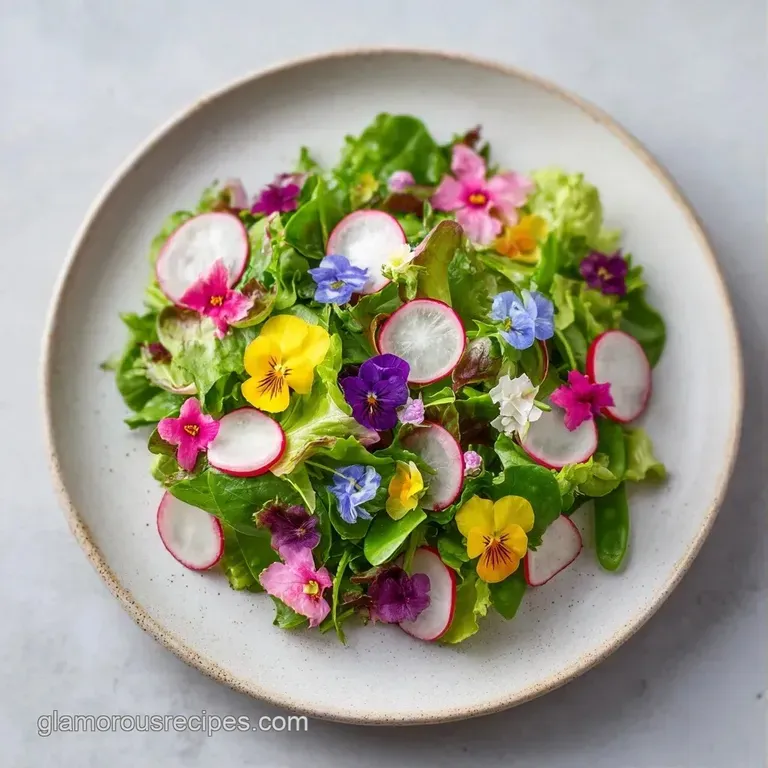
Even a simple salad can go wrong if the ingredients are fighting each other. Most of the time, it comes down to the balance of bitter and sweet.
Troubleshooting Common Issues
| Issue | Solution |
|---|---|
| Why Your Greens Taste Too Bitter | If the dandelion greens are too aggressive, it usually means they were harvested too late in the season or the acid in the dressing is too low. |
| Why Your Dressing Separates | If you see oil floating on top, the emulsion didn't take. This happens if the mustard is omitted or if the jar wasn't shaken long enough. |
| Why Your Leaves Wilt Quickly | This is almost always due to adding the dressing too early or having wet greens. Salt and acid draw moisture out of the plant cells through osmosis, causing them to collapse. |
Common Mistakes Checklist:
- ✓ Did you dry the greens completely?
- ✓ Did you shake the dressing until it turned opaque?
- ✓ Did you fold the flowers in last?
- ✓ Did you use cold water for washing?
- ✓ Did you use a large enough bowl for tossing?
Different Ways to Twist It
Once you've mastered the basic Beltane Wild Herb Salad, you can start playing with the profile. I love changing this based on what's actually growing in my garden.
For a Nutty Crunch
Add 2 tablespoons of toasted pine nuts or slivered almonds. The fat in the nuts complements the bitterness of the dandelion greens beautifully.
For a Heartier Meal
Toss in some crumbled feta or goat cheese. The creaminess of the cheese cuts through the sharp acidity of the lemon and vinegar. If you're looking for a more substantial pairing, this salad is fantastic alongside a Quick Beltane Chicken Dinner.
For a Vegan Swap
The recipe is already vegan friendly if you use a vegan certified honey substitute like agave or maple syrup. It doesn't change the texture much, though agave is slightly thinner.
For an Even Wilder Vibe
If you're feeling brave, replace the baby kale with more foraged greens. You can try the Green Salad for 4 recipe if you want a dish that leans even harder into that specific peppery flavor.
Decision Shortcut:
- If you want it creamier → Add a dollop of Greek yogurt to the dressing.
- If you want it sweeter → Increase honey to 2 tsp and add sliced strawberries.
- If you want more "bite" → Add a pinch of red pepper flakes to the jar.
Scaling Guidelines
Adjusting this recipe is pretty straightforward, but you can't just multiply everything linearly when it comes to the dressing.
Scaling Down (½ Batch): Use 2 cups of greens and 1/4 cup of wild herbs. For the dressing, use 1.5 tbsp oil, 1/2 tbsp lemon, and 1/2 tbsp vinegar. Use a smaller jar to ensure the ingredients hit the sides and emulsify properly.
Scaling Up (2x-4x Batch): When doubling or tripling, don't double the salt and pepper. Start with 1.5x the seasoning and taste it. For the liquids, reduce the total volume by about 10% as larger batches of greens tend to release more moisture.
Work in two separate bowls if you don't have a massive catering bowl, otherwise, you'll end up crushing the leaves at the bottom.
Truths About Foraged Greens
There are a few things people get wrong when they start making Beltane recipes. Let's clear those up.
Myth: All wild greens are dangerous to eat. Truth: While you must identify your plants correctly, many wild herbs are perfectly safe and highly nutritious. The key is knowing your source and ensuring the area hasn't been sprayed with chemicals.
Myth: Foraged salads are only for "foodies". Truth: This is actually how most people ate for centuries. It's a practical way to get fresh nutrients before the commercial garden season fully kicks in.
Myth: You need a specialized "foraging kit". Truth: A clean pair of scissors and a breathable bag are all you really need. Don't let the gear obsessed culture stop you from picking some chives.
Storage and Zero Waste
Since this is a fresh herb salad, it doesn't have a long shelf life once dressed.
Storage Guidelines: If you've already tossed the salad, eat it within 2 hours. If you want to prep it ahead of time, store the washed and dried greens in an airtight container with a piece of paper towel to absorb moisture. Keep the dressing in its jar in the fridge for up to 5 days.
Just shake it again before using.
Zero Waste Tips: Don't throw away your radish tops! They are edible and have a peppery flavor similar to arugula. You can chop them finely and add them to the "Wild Herb" portion of this recipe. Also, if you have leftover lemon juice, freeze it in ice cube trays to use for future dressings.
Best Pairings for This
This salad is a high energy dish, so it needs something that can ground it. Because it's so zesty, it works best with proteins that have a bit of richness.
I highly recommend serving this with a piece of grilled salmon or a crusty piece of sourdough toast topped with avocado. The fats in those dishes balance the acidity of the Beltane Wild Herb Salad perfectly.
If you're planning a full seasonal menu, this makes a great side for a slow cooked roast or a light spring pasta. It's all about that contrast between the heavy, comforting main and the sharp, wake up call of the greens.
Just keep the salad chilled until the moment you serve it to ensure the leaves stay crisp and the colors stay vibrant.
Recipe FAQs
Why are the dandelion greens too bitter?
Increase the acid in the dressing. Bitterness usually happens if the greens were harvested late in the season or if there isn't enough lemon juice and vinegar to balance the flavor.
Why is my dressing separating?
Shake the jar more vigorously. This happens if the Dijon mustard is omitted or if the mixture wasn't shaken for the full 30 seconds to create a stable emulsion.
How to prevent the leaves from wilting quickly?
Dry the greens completely and dress immediately before serving. Salt and acid draw moisture out of plant cells, so adding dressing too early or using wet greens causes rapid wilting.
When should the edible flowers be added?
Fold them in at the very end. Adding the violas or pansies last ensures they stay intact and do not bruise during the tossing process.
Is it okay to store the dressed salad in the fridge overnight?
No, eat it within two hours of tossing. For advance prep, store washed greens in an airtight container with a paper towel and keep the dressing separate in the fridge for up to five days.
How to achieve a creamy consistency for the dressing?
Combine all ingredients in a glass jar and shake for 30 seconds. This vigorous action emulsifies the oil and vinegar into an opaque, creamy texture.
What is the best side dish to pair with this salad?
Serve it alongside a savory, rich accompaniment. The peppery notes of the wild herbs perfectly balance the buttery flavor of garlic mushrooms.
Beltane Wild Herb Salad in 15 Minutes