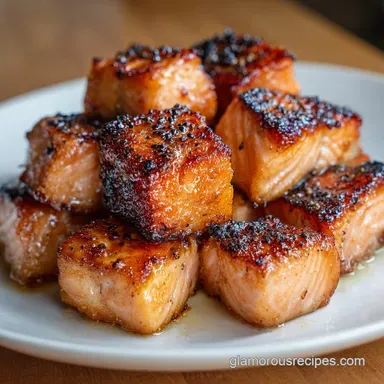
Salmon Bites Recipe: Crispy and Caramelized
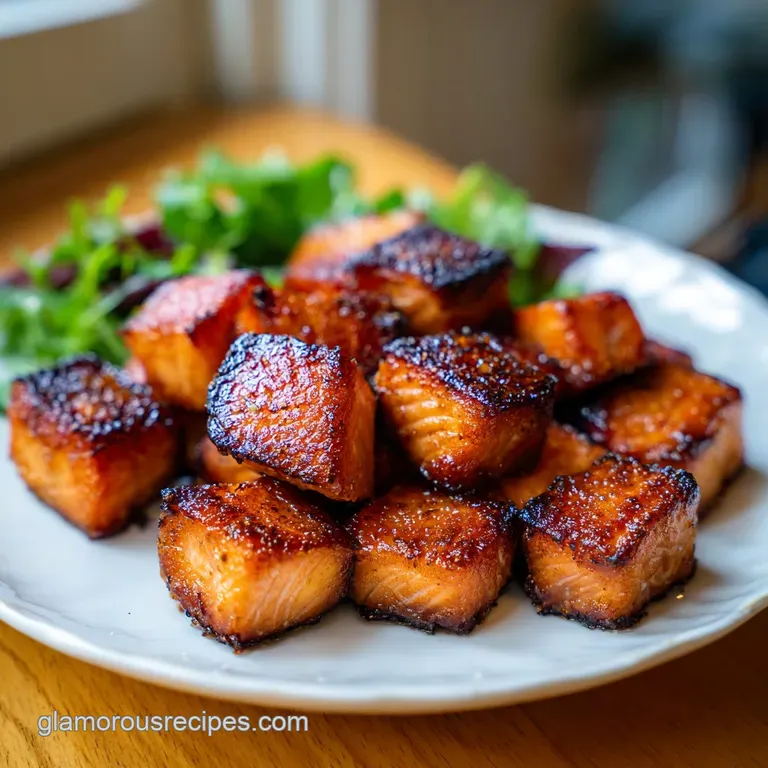
- Time: 5 min active + 8 min cook = Total 13 mins
- Flavor/Texture Hook: Shatter crisp edges with a velvety, sticky honey glaze
- Perfect for: Fast weeknight dinners or impressive appetizer platters
- Easy Honey Garlic Salmon Bites Recipe
- Why This Method Works
- Component Analysis
- Ingredients and Substitutes
- The Cooking Process
- Fixing Common Mistakes
- Troubleshooting Common Issues
- Adjusting Your Batch Size
- Dispelling Common Salmon Myths
- Storage and Zero Waste
- Best Side Dish Pairings
- Recipe FAQs
- 📝 Recipe Card
The sound of salmon hitting a scorching cast iron pan is one of my favorite kitchen noises. That aggressive sizzle tells me immediately that I'm getting a proper crust. I remember the first time I tried making these for a small get together.
I was nervous about the fish sticking or turning into rubbery cubes, so I spent the whole time hovering over the pan, flipping them every thirty seconds.
The result? I basically steamed the fish in its own juices. There was no crust, the sauce wouldn't cling, and I felt like a total failure. But after experimenting with a bit of cornstarch and a much hotter pan, I found the rhythm.
Now, this salmon bites recipe is my go to when I want something that feels fancy but takes less time than ordering takeout.
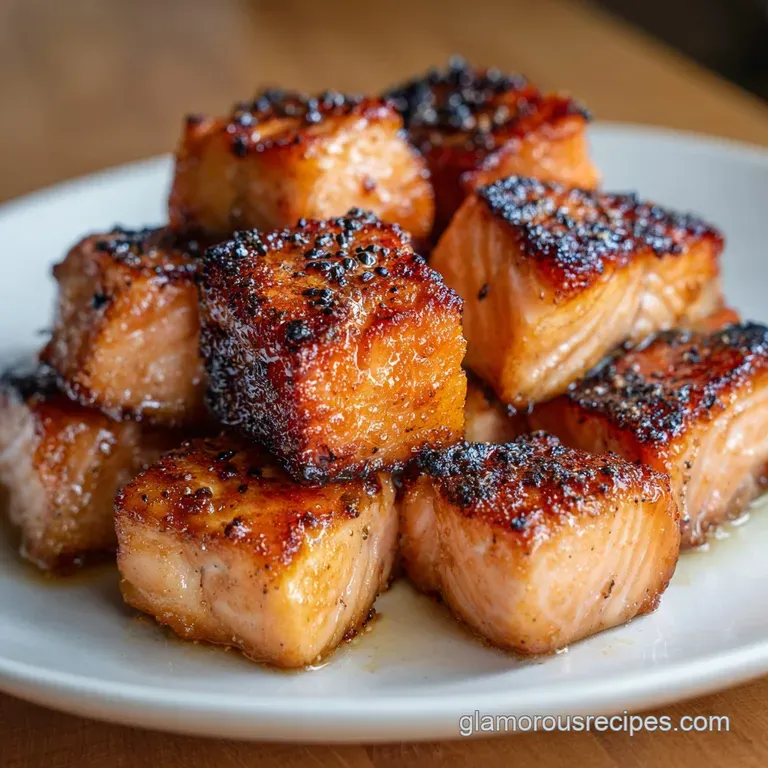
You can expect a dish that balances the saltiness of soy with the sweetness of honey, finished with a bright hit of lemon. It's a fast, modern way to eat omega-3s without the boredom of a plain fillet. We're aiming for golden brown cubes that are juicy inside and glossy outside.
Easy Honey Garlic Salmon Bites Recipe
Right then, let's get into the logic of this dish. The goal here is contrast. We want a hard sear on the outside and a tender, almost buttery center. Most people make the mistake of crowding the pan, which drops the temperature and ruins the crust. By keeping the cubes spaced out, we ensure the heat stays high.
If you're planning a full meal, these pair beautifully with a side of grains. While you're at it, you might want to try a Spinach Rice Casserole for a creamy, Mediterranean contrast to the sticky glaze. It turns a quick snack into a balanced dinner.
Why This Method Works
Starch Barrier: Cornstarch absorbs surface moisture and creates a thin layer that crisps up rapidly. This prevents the fish from sticking and gives that shatter effect.
Sugar Caramelization: Honey contains fructose and glucose that brown quickly at medium high heat. This creates the sticky lacquer that clings to the salmon.
Acid Balance: Lemon juice cuts through the richness of the salmon fats and the sweetness of the honey. It brightens the entire profile so it doesn't feel too heavy.
High Smoke Point: Avocado oil handles the high heat needed for a sear without burning or adding a bitter taste.
| Method | Time | Texture | Best For |
|---|---|---|---|
| Pan Seared | 13 min | Sticky/Crispy | Fast dinner |
| Oven Baked | 20 min | Softer/Even | Large crowds |
| Air Fryer | 12 min | Very Crunchy | Low oil |
Component Analysis
| Ingredient | Science Role | Pro Secret |
|---|---|---|
| Cornstarch | Moisture Absorbent | Use a light dusting to avoid a "pasty" feel |
| Honey | Glaze Agent | Add at the end to prevent burning |
| Soy Sauce | Umami Source | Use low sodium to control the salt |
| Avocado Oil | Heat Medium | Get it shimmering before adding fish |
Ingredients and Substitutes
- 1 lb skinless salmon fillet, cut into 1 inch cubes Why this? Consistent size ensures even cooking
- Substitute: Steelhead Trout (Same texture, slightly milder)
- 2 tbsp avocado oil Why this? High smoke point for searing
- Substitute: Grapeseed oil (Similar over high heat properties)
- ½ tsp salt Why this? Basic flavor enhancement
- Substitute: Sea salt (Adds a slight mineral crunch)
- ¼ tsp black pepper Why this? Subtle heat
- Substitute: White pepper (Milder, cleaner look)
- ½ tsp garlic powder Why this? Deep savory base
- Substitute: Onion powder (Sweeter, less pungent)
- 1 tbsp cornstarch Why this? Creates the crispy crust
- Substitute: Arrowroot powder (Good for gluten-free, similar result)
- 3 tbsp honey Why this? Natural sweetener and thickener
- Substitute: Maple syrup (Adds a woody, autumnal note)
- 2 tbsp soy sauce Why this? Salty depth
- Substitute: Tamari (Better for gluten-free diets)
- 1 tbsp fresh lemon juice Why this? Acidity to balance fat
- Substitute: Lime juice (Zesty, more tropical vibe)
- 2 cloves garlic, minced Why this? Fresh aromatic punch
- Substitute: Garlic paste (Easier to distribute)
- 1 tsp toasted sesame oil Why this? Nutty finish
- Substitute: Toasted walnut oil (Heavier, richer flavor)
The Cooking Process
Phase 1: The Prep
First, pat the salmon cubes completely dry with paper towels. Note: Moisture is the enemy of a sear; wet fish will steam instead of brown. In a bowl, toss the salmon cubes with salt, pepper, garlic powder, and cornstarch until evenly coated. Make sure there are no clumps of starch.
Phase 2: The over High heat Sear
Heat avocado oil in a 12 inch cast iron skillet or non stick pan over medium high heat until it shimmers. Add salmon in a single layer, ensuring they do not touch. Sear for 2-3 minutes per side until a golden brown crust forms. Don't move them too early, or you'll tear the crust.
Phase 3: The Glaze Finish
Reduce heat to medium. Pour in the mixture of honey, soy sauce, lemon juice, minced garlic, and sesame oil. Stir constantly for 1-2 minutes until the sauce bubbles and thickens into a sticky glaze. The sauce should coat the fish in a glossy, velvety layer.
Chef's Note: If the glaze thickens too quickly and looks like it's burning, add a teaspoon of water to loosen it up.
Fixing Common Mistakes
Troubleshooting Common Issues
| Issue | Solution |
|---|---|
| Why Your Fish Sticks | If the salmon clings to the pan, you likely added the fish before the oil reached the proper temperature. The proteins need to sear instantly to create a release layer. Ensure the oil is shimmering, a |
| Why Your Sauce Is Runny | A thin sauce usually happens when the heat is too low during the final stage. The sugars in the honey need to reach a bubbling point to reduce and thicken. Keep stirring and let it bubble for the full |
| Why Your Bites Are Rubber | Overcooking salmon happens in seconds. According to the FDA, salmon is fully cooked when it has an internal temperature of 145 degrees F. However, I personally pull mine at 135-140 degrees F because c |
Common Mistakes Checklist
- ✓ Pat fish bone dry before seasoning
- ✓ Use a large pan to avoid crowding
- ✓ Avoid flipping the cubes more than once
- ✓ Wait for the glaze to bubble and thicken
- ✓ Remove from heat just before "perfect"
Adjusting Your Batch Size
If you're just cooking for one, you can easily halve this salmon bites recipe. Use a smaller skillet (about 8 inches) so the oil doesn't spread too thin. Reduce the cook time by about 20% since there is less mass in the pan to absorb the heat.
For a party of 8 or more, I recommend doubling the recipe but working in batches. If you put 2 lbs of salmon in one pan, the temperature will plummet, and you'll end up with boiled fish. Sear the batches separately, then toss them all together in the pan at the end to apply the glaze.
When doubling the sauce, don't double the salt or garlic powder exactly- go to about 1.5x. Flavors can intensify differently when scaled up.
| If you want... | Do this... |
|---|---|
| Maximum Crunch | Use a cast iron pan and extra cornstarch |
| Healthier Option | Air fry at 400°F for 8-10 mins |
| More Heat | Add Sriracha to the glaze mixture |
Dispelling Common Salmon Myths
Searing salmon does not "seal in the juices." This is a common misconception. Heat actually pushes moisture out of the muscle fibers. The sear is entirely about adding a complex, savory flavor and a contrasting texture to the soft interior.
You don't need to soak salmon in milk to remove "fishiness." That's an old school trick. The best way to avoid a fishy taste is simply using fresh, high-quality fish and a splash of acid, like the lemon juice in this recipe, to neutralize the amines.
Storage and Zero Waste
Store any leftover salmon in an airtight container in the fridge for up to 3 days. To reheat, avoid the microwave, as it will turn the fish into rubber. Instead, pop them back in a skillet over medium heat for 2-3 minutes with a tiny bit of butter.
To avoid waste, don't toss the salmon trimmings. If you have small scraps from cubing the fillet, sauté them with some onions and fold them into an omelet or a pasta sauce. If you kept the skin, sear it separately in a dry pan until it shatters like a chip, then use it as a garnish.
Best Side Dish Pairings
Because this salmon bites recipe has a strong, sweet and salty profile, you want sides that are either neutral or fresh. Steamed bok choy or charred broccoli are classic choices that cut through the richness of the glaze.
For a dipping experience, I love serving these with a Garlic Sauce on the side. The creamy, pungent garlic contrast makes the honey glaze pop. If you want something lighter, a simple cucumber salad with rice vinegar and sesame seeds provides a refreshing crunch.
For a more filling meal, serve them over a bed of jasmine rice or quinoa. The rice absorbs the extra glaze from the pan, meaning none of that flavor goes to waste. You can also serve them on a platter with toothpicks for a modern appetizer that looks and tastes professional without the stress.
Recipe FAQs
What's the secret to great salmon bites?
Pat the fish completely dry and use cornstarch. This creates a moisture free surface that allows a golden brown crust to form quickly during searing.
What to season salmon bites with?
Use salt, black pepper, and garlic powder. These basic seasonings enhance the natural flavor of the salmon without overpowering the final glaze.
What sauce is good for salmon bites?
A sticky honey soy glaze works best. Mix honey, soy sauce, lemon juice, minced garlic, and sesame oil for a balanced flavor similar to the acid profile in our seafood stew.
Is salmon fillet good for cholesterol?
Yes, it is generally beneficial. Salmon is rich in omega-3 fatty acids, which help lower triglycerides and support overall heart health.
Why is my salmon sticking to the pan?
The oil wasn't hot enough. You must wait until the avocado oil shimmers so the proteins sear instantly and create a natural release layer.
Why is my sauce too runny?
The heat was likely too low during the glaze stage. The honey needs to reach a bubbling point to reduce and thicken into a sticky consistency that clings to the fish.
How to reheat leftover salmon bites?
Pop them back in a skillet over medium heat for 2-3 minutes. Avoid the microwave, as it will turn the fish rubbery.
Crispy Salmon Bites