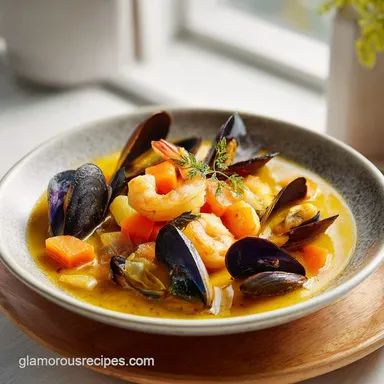
Easy Mixed Seafood Stew: Silky and Savory
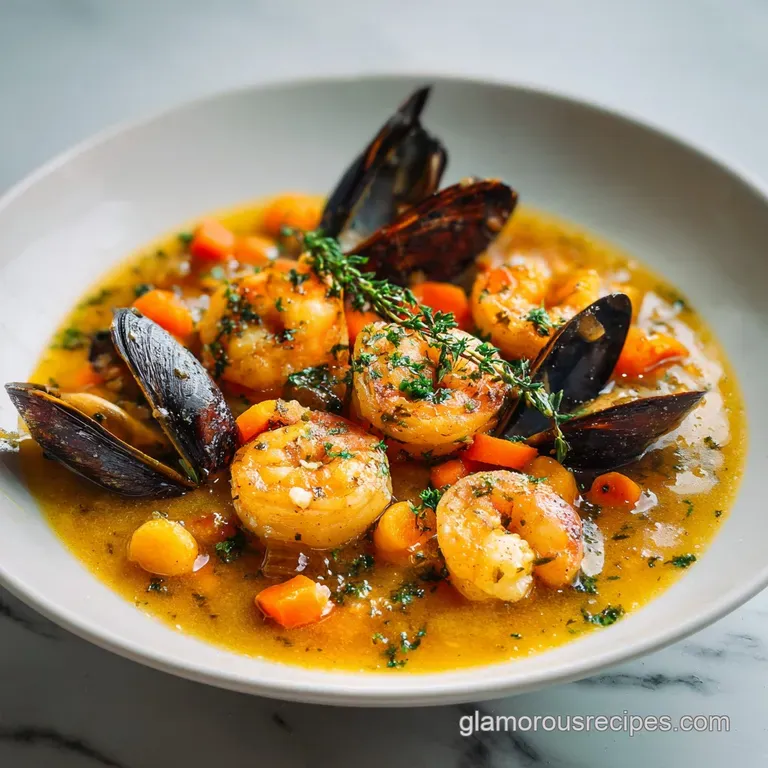
- Time:15 minutes active + 25 minutes simmering = Total 40 minutes
- Flavor/Texture Hook: Silky broth with tender, flaky fish and snappy shrimp
- Perfect for: A rainy date night or a cozy weekend dinner with friends
- Creating a Cozy, Hearty Seafood Stew
- The Secret to Tender Seafood
- Cooking Method Comparison
- Deep Dive Into the Flavors
- Selecting the Best Seafood
- The Essential Pot and Tools
- The Step-by-Step Cooking Process
- Fixing Common Stew Mistakes
- Changing Up the Flavor
- Storing Your Leftovers
- The Perfect Sides
- Recipe FAQs
- 📝 Recipe Card
Creating a Cozy, Hearty Seafood Stew
That first sizzle of butter hitting the heavy pot, followed by the sharp, aromatic hit of garlic and onions, is where the magic starts. There is something about that smell that immediately makes the whole house feel warmer, even if it's freezing outside.
I remember one specific Tuesday last November when the wind was absolutely howling. I had a handful of mismatched seafood in the fridge - some cod, a few scallops, and a bag of mussels - and I just wanted something that felt like a hug in a bowl.
I'll be honest, my first attempt at this years ago was a disaster. I threw everything in the pot at once, thinking "it's all seafood, it all cooks the same." I ended up with mussels that were like pebbles and shrimp that had shrunken to the size of pebbles. It was a mess.
But that's how I learned the most important rule of the kitchen: timing is everything. Once I started adding the ingredients in stages, the texture shifted from rubbery to velvety, and the broth became something I actually wanted to drink with a spoon.
This isn't a fancy, high stress meal. It's about the contrast of the bright, zesty lemon hitting the rich, savory tomato base. It's the kind of meal that encourages you to linger at the table, tearing off chunks of crusty bread to soak up every last drop of the liquid.
It's simple, comforting, and honestly, it's the best way to bring a bit of the coast into your own dining room without needing a professional kitchen.
The Secret to Tender Seafood
I used to think that the broth was the only part that mattered, but the real trick is in how the proteins behave. If you treat a scallop the same way you treat a mussel, you're going to have a bad time.
The Staggered Entry: Different seafood has different densities. By adding the firm white fish first, then the shellfish, we ensure everything reaches its ideal temperature at the same time.
The Fond Factor: When we sauté the vegetables in butter, we create little brown bits on the bottom of the pot. Deglazing with white wine lifts those bits, incorporating all that concentrated flavor back into the liquid.
Acid Balance: Adding lemon juice at the very end prevents the acid from breaking down the delicate proteins too much during the simmer, keeping the fish flaky rather than mushy.
The Simmer Sweet Spot: Keeping the heat low prevents the broth from boiling violently, which would tear the fish chunks apart. A gentle bubble keeps the seafood intact.
Cooking Method Comparison
Depending on how much time you have or the vibe of your evening, you might want to tweak the approach. Here is how the fast version compares to the classic method.
| Method | Time | Texture | Best For |
|---|---|---|---|
| Fast Prep | 30 mins | Soft, cohesive | Weeknight dinner |
| Classic Simmer | 60 mins | Deeply infused | Sunday feast |
| Slow Cooked | 3 hours | Very tender fish | Meal prep |
Right then, before we get into the ingredients, you should know that the quality of your stock is the backbone of the whole thing. If you can find a high-quality seafood stock, use it. If not, a good fish stock or even a clam juice base works.
Just avoid using beef or chicken stock, as they'll overpower the delicate brine of the seafood.
Deep Dive Into the Flavors
Not every ingredient is just there for bulk; each one plays a specific role in the overall balance of the pot. It's all about creating that savory, umami rich environment.
| Ingredient | Science Role | Pro Secret |
|---|---|---|
| Unsalted Butter | Fat Base | Sautéing the mirepoix in butter creates a silkier mouthfeel than oil |
| Dry White Wine | Acid/Deglazer | Use a Sauvignon Blanc to cut through the richness of the scallops |
| Seafood Stock | Umami Core | Reduce your stock by a third beforehand for a more concentrated taste |
| Smoked Paprika | Depth/Color | Adds a subtle "charred" note that mimics a wood fired pot |
This combination creates a flavor profile that hits every part of the palate. You've got the sweetness from the carrots and onion, the saltiness from the stock, and the bright punch of the lemon. It's a carefully balanced act that makes the dish feel complete.
Selecting the Best Seafood
When you're shopping, look for "firm" white fish. You don't want something that flaked apart the moment you touched it in the store, or it'll disintegrate in the stew. I usually go for cod or halibut.
- 4 tbsp unsalted butter Why this? Provides a rich, creamy base for the vegetables
- 1 medium yellow onion, finely diced Why this? Adds a subtle sweetness and aromatic foundation
- 3 cloves garlic, minced Why this? Essential for that sharp, savory punch
- 1 medium carrot, diced Why this? Adds color and a hint of earthiness
- 1 stalk celery, diced Why this? Provides a salty, herbal backbone
- 1 tsp dried thyme Why this? Earthy notes that complement the fish
- 1 can (14.5 oz) crushed tomatoes Why this? Creates the thick, velvety body of the stew
- 1/2 cup dry white wine Why this? Cuts through the fat and adds brightness
- 2 cups seafood stock Why this? The primary source of ocean flavored umami
- 1 bay leaf Why this? Adds a subtle floral depth to the broth
- 1/2 tsp smoked paprika Why this? Gives it a hint of smokiness and warm color
- salt to taste
- black pepper to taste
- 1 lb firm white fish (cod or halibut), cut into 1 inch chunks Why this? Holds its shape during simmering
- 1/2 lb large shrimp, peeled and deveined Why this? Adds a snap and sweet seafood flavor
- 1/2 lb scallops, patted dry Why this? Provides a buttery, luxurious texture
- 1/2 lb mussels or clams, scrubbed clean Why this? Releases brine into the broth as they open
- 1 tbsp fresh lemon juice Why this? Wakes up all the other flavors at the end
- 2 tbsp fresh parsley, chopped Why this? Adds a fresh, green finish
| Original Ingredient | Substitute | Why It Works |
|---|---|---|
| Halibut/Cod | Salmon | Same firmness, but adds a richer, oilier taste |
| Dry White Wine | Vegetable Broth + Lemon | Mimics acidity. Note: Lacks the complex fermented notes |
| Mussels/Clams | Extra Shrimp | Same protein. Note: You lose the salty brine released by shells |
| Seafood Stock | Clam Juice (diluted) | Very high umami. Note: Can be overly salty, so reduce added salt |
If you find yourself without a fancy white wine, don't panic. A splash of apple cider vinegar mixed with a bit of water can mimic that acidity, though it's not quite the same. Trust me on this, though - don't use a sweet wine like Moscato, or your stew will taste like a dessert.
The Essential Pot and Tools
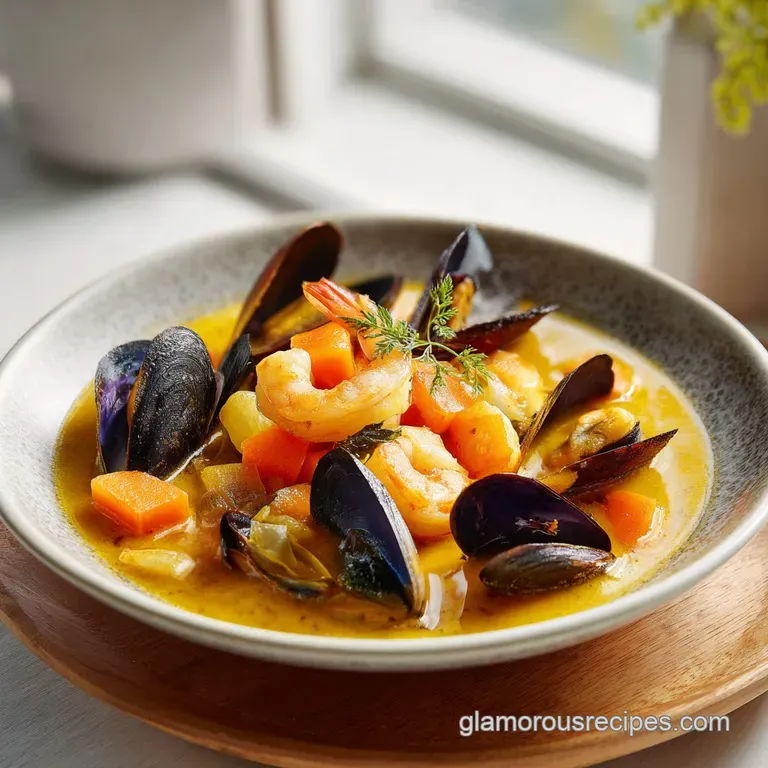
You don't need a professional kitchen to pull this off, but the right vessel makes a huge difference. I always reach for my Dutch oven. The heavy bottom ensures that the heat is distributed evenly, so the garlic doesn't burn while the onions are still raw.
A sturdy wooden spoon is your best friend here. You'll need it to scrape the bottom of the pot when you add the wine - that process of "deglazing" is where the hidden flavor lives. Also, make sure you have a good set of tongs for removing the bay leaf at the end.
There is nothing worse than accidentally biting into a whole bay leaf.
For prepping the seafood, a sharp chef's knife is non negotiable. You want clean cuts on the fish so they cook evenly. If the chunks are different sizes, the small ones will overcook before the big ones are even warm.
The step-by-step Cooking Process
Let's get into it. This process is all about the sequence. If you rush the vegetables, the broth will taste raw. If you rush the seafood, you'll get rubber. Just take your time.
Phase 1: Building the Flavor Foundation
Melt the 4 tbsp unsalted butter over medium heat in your Dutch oven. Once it's bubbling, toss in the diced onion, carrot, and celery. Sauté them for 5-7 minutes until the onions are translucent and smelling sweet. Now, stir in the minced garlic and thyme.
Cook this for just 60 seconds - don't let the garlic brown or it'll turn bitter.
Phase 2: Simmering the Broth
Pour in the 1/2 cup dry white wine. Use your spoon to scrape up all those browned bits from the bottom. Once the wine has reduced slightly, stir in the 14.5 oz can of crushed tomatoes, 2 cups seafood stock, 1/2 tsp smoked paprika, and the bay leaf. Bring it to a gentle simmer, then turn the heat down to low.
Let it bubble softly for 10 minutes to let the flavors meld together.
Phase 3: The Seafood Sequence
Gently slide the 1 lb of white fish chunks into the broth. Let them simmer for 3 minutes. Now, add the 1/2 lb shrimp, 1/2 lb scallops, and 1/2 lb mussels or clams. Simmer for another 3-5 minutes until the shellfish are opaque and the mussels have popped open.
The Finishing Touch
Fish out that bay leaf and discard it. Stir in the 1 tbsp fresh lemon juice and the 2 tbsp of chopped parsley. This is the moment the stew goes from "good" to "incredible" because the acid cuts right through the richness of the butter and fish.
Chef's Note: If you're using frozen mussels, make sure they are completely thawed and scrubbed. If a mussel doesn't open after 5 minutes of simmering, toss it out. It was likely dead before it hit the pot and isn't safe to eat.
Fixing Common Stew Mistakes
Even the best of us mess up sometimes. I've had plenty of pots of stew that didn't go as planned. The key is knowing how to pivot.
Why Your Seafood Is Rubbery
The most common issue is overcooking. Seafood doesn't need a lot of time. If you leave the shrimp in too long, they curl up into tight little circles and get a bouncy, rubbery texture. The fix is to pull the pot off the heat the second the mussels open.
Why Your Broth Is Too Thin
If your stew feels more like a soup than a hearty stew, you might have had too much stock or your tomatoes weren't thick enough. You can fix this by simmering the broth for an extra 10 minutes before adding the seafood, or by stirring in a small knob of cold butter at the end to emulsify the liquid.
| Problem | Root Cause | Solution |
|---|---|---|
| Rubbery Shrimp | Overcooked | Remove from heat immediately when pink |
| Bland Broth | Lack of salt/acid | Add a squeeze more lemon or a pinch of salt |
| Fish Falling Apart | Too much stirring | Gently fold the fish in; don't stir vigorously |
Now, to make sure you don't run into these issues, keep this checklist in mind:
- ✓ Pat scallops and fish completely dry before adding to the pot (prevents steaming).
- ✓ Use a wide bottomed pot to ensure even heat distribution.
- ✓ Don't overcrowd the pot - if you double the recipe, use two pots.
- ✓ Add the lemon juice only at the very end to keep the fish texture intact.
- ✓ Check your mussels - if they don't open, don't force them.
Changing Up the Flavor
One of the best things about a seafood stew is how flexible it is. Depending on what you have in the pantry, you can take this in a few different directions.
For a Creamy Version
If you want something more velvety, stir in 1/2 cup of heavy cream or a dollop of crème fraîche right after you remove the bay leaf. This transforms the dish into something closer to a chowder. It pairs beautifully with the smoked paprika.
For a Spicy Kick
If you like heat, add 1/2 tsp of red pepper flakes when you sauté the garlic. For an even deeper heat, you can substitute a bit of the stock with a spicy V-8 juice - it boosts the tomato flavor and adds a subtle spiciness to the stew. If you don't have access to that, you can make a substitute using tomato juice and hot sauce.
For a Mediterranean Vibe
To give this a Bouillabaisse feel, add a pinch of saffron to the broth and swap the thyme for fennel seeds. This gives it that classic French Riviera aroma. If you love that kind of bold flavor, you might also enjoy my Sardines in Tomato Sauce for a different kind of umami rich dinner.
If you're in the mood for a massive seafood feast instead of a cozy pot, you might want to try a Low Country Boil, which swaps the broth for a steaming pile of corn, potatoes, and shrimp.
Storing Your Leftovers
Seafood is notoriously tricky to store. Unlike a beef stew that tastes better on day three, a seafood stew can lose its magic if you're not careful.
In the Fridge: Store the stew in an airtight container for up to 2 days. I highly recommend storing the broth and the seafood separately if you can. This prevents the fish from continuing to "cook" in the hot liquid as it cools, which helps avoid that rubbery texture when you reheat it.
Freezing: Honestly, I don't recommend freezing this specific recipe. The delicate textures of the scallops and white fish don't survive the freezing and thawing process well - they often become mealy.
However, you can freeze the tomato and seafood stock base without the seafood in it for up to 3 months.
Zero Waste Tip: Don't throw away your seafood shells! If you have leftover shrimp shells or mussel shells, toss them into a pot of water with a bit of onion and celery, simmer for an hour, and you've got a homemade stock for your next batch. It's a great way to get the most out of your ingredients.
The Perfect Sides
A stew this rich needs something to balance it out. You want a combination of something to soak up the broth and something fresh to cleanse the palate.
Crusty Sourdough Bread
This is non negotiable. Get a loaf of sourdough, slice it thick, and toast it with a bit of olive oil and garlic. The tanginess of the sourdough cuts through the richness of the butter and cream, and the holes in the bread are perfect for trapping that velvety broth.
Garlic Butter Baguette
If sourdough isn't your thing, a classic French baguette is the way to go. Slather it in garlic butter and pop it under the broiler for 2 minutes. The crunch of the toasted bread against the tender seafood is a fantastic contrast.
A Crisp Green Salad
Since the stew is quite heavy, a simple side salad with a lemon vinaigrette dressing works wonders. Use arugula or mixed greens with some thinly sliced radishes and cucumber. The bitterness of the arugula helps reset your taste buds between bites of the rich seafood.
Right then, you've got everything you need to make a pot of seafood stew that would make any coastal chef proud. Just remember to trust your senses - smell the garlic, watch the mussels open, and taste the broth as you go. Happy cooking!
Recipe FAQs
Is seafood stew the same as Cioppino or Bouillabaisse?
No, this is a common misconception. While they share similar ingredients, those are regional specialties from San Francisco and France, whereas this is a general seafood stew using a white wine and tomato base.
Which seafood ingredients are used in this recipe?
Cod or halibut, shrimp, scallops, and mussels or clams. These are simmered in a broth consisting of seafood stock, crushed tomatoes, and dry white wine.
Can I use different types of seafood to vary the stew?
Yes, you can vary the selection. Use any firm white fish or shellfish you prefer; if you enjoy managing these protein textures, you can apply similar simmering principles to our velvety gravy for a different meat preparation.
Is this a traditional Sicilian seafood stew?
No, it is not. While it incorporates Mediterranean flavors like garlic and parsley, it does not follow the specific naming or traditional requirements of a Sicilian style stew.
How to prevent the seafood from becoming rubbery?
Add ingredients in stages based on cook time. Simmer white fish for exactly 3 minutes, then add shellfish for only 3 5 minutes until they are just cooked through.
How to store leftovers without ruining the fish?
Refrigerate in airtight containers for up to 2 days. Store the broth and the seafood separately to prevent the fish from continuing to cook as it cools.
Is it true that I can freeze this seafood stew?
No, this is a common misconception. Freezing ruins the delicate texture of scallops and white fish, often leaving them mushy or rubbery upon reheating.
Seafood Stew in 40 Minutes: Silky and Hearty Mediterranean