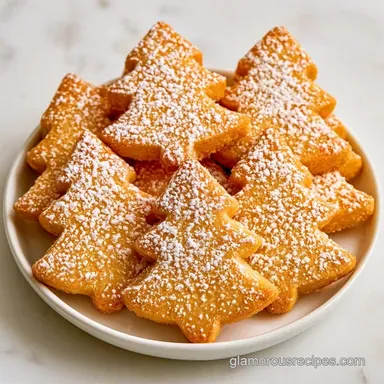
Christmas Tree Shortbread Cookies: Sandy Crumb
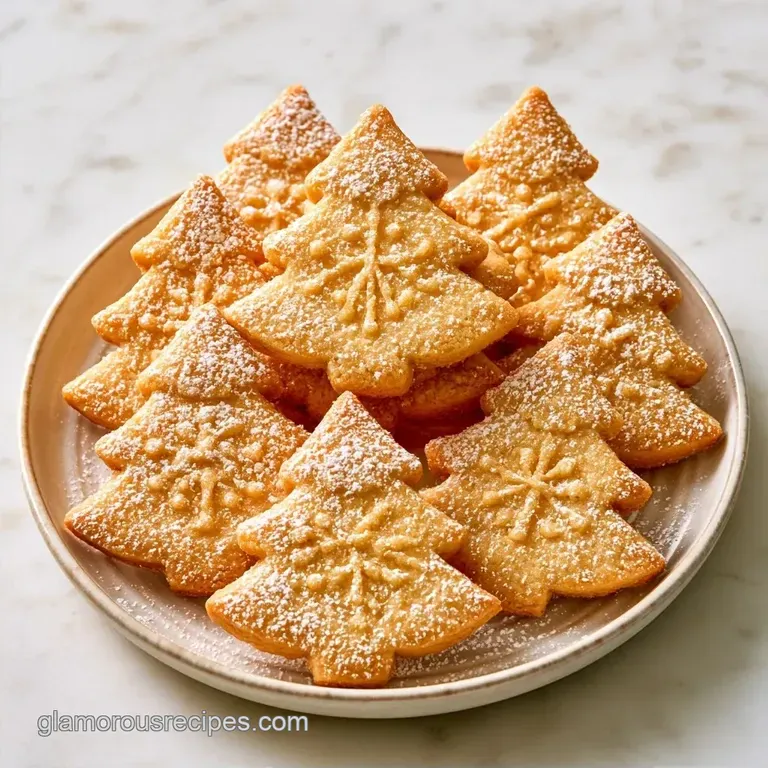
- Time: 20 minutes prep + 30 minutes resting
- Sensory Appeal: Buttery snap with a melt in-mouth finish
- Perfect for: Holiday gifting and winter dessert platters
The scent of browned butter and vanilla always permeates my kitchen the moment I begin. That specific fragrance always feels like a herald for the holiday season. I recall one December when I prepared a batch for a small get-together but over worked the butter; instead of graceful trees, I produced a series of flat, buttery puddles.
That experience taught me that pastry is rooted in precision and temperature control. To get that classic snap, these Christmas Tree Shortbread Cookies require a "light touch" to keep the structure intact and air out. Handling the dough gently is the secret.
The final result is a pale, crisp cookie that maintains its shape perfectly. This isn't a recipe for a high rising treat or a chewy center, but rather a refined, buttery base that provides a clean canvas for a vivid green icing.
Christmas Tree Shortbread Cookies Recipe
| Method | Time | Texture | Best For |
|---|---|---|---|
| Fast Chill | 65 mins total | Sandy & Crisp | Festive Gifting |
| Traditional | 4 hours total | Very Dense | long term Storage |
The fast chill method is a practical compromise. It allows the butter to firm up enough to hold the tree shape without requiring a full overnight rest.
Gathering Your Essentials
| Ingredient | Role | If You Don't Have It |
|---|---|---|
| Unsalted Butter | Provides the rich, sandy base | Salted butter (reduce added salt) |
| Powdered Sugar | Creates a tender, fine crumb | Finely ground granulated sugar |
| All Purpose Flour | Gives the cookie its structure | Pastry flour (will be more fragile) |
| Vanilla Extract | Adds aromatic warmth | Almond extract for a nutty twist |
For the Shortbread Dough
- 1 cup (225g) unsalted butter, softened to room temperature
- 1/2 cup (60g) powdered sugar Why this? Cornstarch in the sugar keeps the crumb tender
- 2 cups (250g) all purpose flour
- 1 tsp (5ml) vanilla extract
- 1/4 tsp (1.5g) salt
For the Christmas Tree Icing
- 1 cup (120g) powdered sugar
- 2 tbsp (30ml) whole milk or heavy cream Why this? Fat content ensures a smooth flow
- 1 tsp (5ml) vanilla extract
- Green gel food coloring
If you find yourself without heavy cream, whole milk works just as well, though the icing will be slightly less glossy.
Essential Baking Tools
To get a clean edge on your trees, a sharp metal cutter is your best friend. I recommend using a parchment lined sheet to prevent the dough from sticking during the transfer.
A stand mixer such as KitchenAid is helpful for the initial stir, but a simple handheld whisk and a spatula are all you really need. The goal is to avoid over working the flour.
A small piping bag with a round tip makes the icing process much faster. If you don't have one, a plastic zip top bag with a tiny corner snipped off works in a pinch.
Step-by-step Baking Guide
- Mix the softened butter and powdered sugar in a bowl. Stir just until combined; avoid over beating the butter. Note: Over beating incorporates too much air, which causes the cookies to spread.
- Add the salt and vanilla extract and stir.
- Gradually fold in the flour with a spatula until a soft, non-sticky dough forms. Stop mixing the moment the flour is fully incorporated.
- Shape the dough into a flat disc, wrap it tightly in plastic, and refrigerate for 30 minutes.
- Preheat your oven to 325°F (160°C).
- On a surface lightly dusted with flour, roll the chilled dough to a thickness of 1/4 inch (6mm).
- Firmly press a Christmas tree cutter into the dough and move the shapes to a parchment lined baking sheet.
- Bake for 12-15 minutes until centers are set and edges are barely golden. Transfer to a wire rack to cool.
- Whisk the icing ingredients until smooth, then divide the mixture into two bowls: one white and one deep green.
- Pipe a thick line of green icing down the middle of the tree and add tiny white dots for ornaments.
Allow the cookies to cool completely before applying the icing. If they are even slightly warm, the icing will melt and run.
Troubleshooting Your Bake
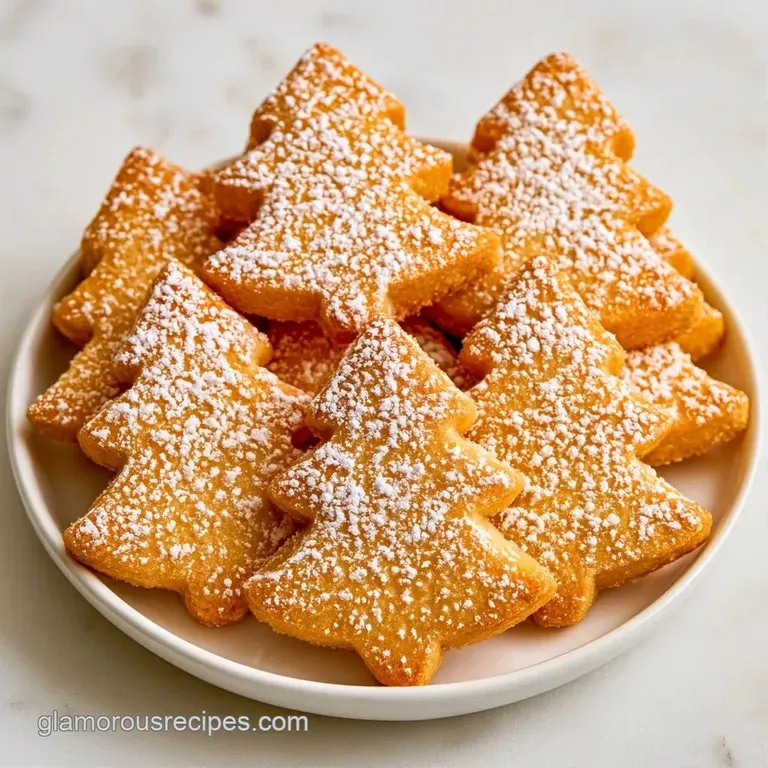
Dealing with dough that is too soft is a common hurdle. If the dough feels sticky or the trees look like they are melting as you move them to the tray, the butter has likely warmed up too much.
Another issue is the "bleeding" of colors in the icing. This usually happens if the icing is too thin or if the food coloring isn't fully incorporated into the sugar.
Preventing Cookie Spread
If your trees lose their shape, chill the cut out cookies on the baking sheet for 10 minutes before sliding them into the oven. This firms the fat and keeps the edges sharp.
Fixing Runny Icing
If the icing is too thin to hold a peak, add more powdered sugar one tablespoon at a time. It should be a thick, pipeable paste.
Correcting Cracked Edges
Cracks usually happen if the dough is too dry. You can fix this by adding a teaspoon of milk to the dough, but be careful not to over mix it.
| Problem | Fix |
|---|---|
| Cookies spread too much | Chill cut outs 10 mins before baking |
| Icing is too runny | Add powdered sugar by the tablespoon |
| Edges are too brown | Lower oven temp by 10 degrees |
| Dough is cracking | Add a tiny bit of milk to the mix |
Flavor Variations
If you want a warmer, spiced profile, you can replace the vanilla in the dough with a teaspoon of cinnamon. For a more festive feel, check out cinnamon shortbread for a different texture.
For those who prefer a bolder, winter flavor, add a pinch of ground ginger and cloves. If you like that style, you might enjoy gingerbread shortbread which uses molasses for a deeper color.
You can also add a handful of finely crushed pistachios to the dough. This adds a subtle saltiness and a natural green hue to the Christmas Tree Shortbread Cookies.
| Premium Ingredient | Budget Alternative | Impact | Savings |
|---|---|---|---|
| European Butter | Standard Unsalted | Slightly less richness | ~$2-3 per pack |
| Vanilla Bean Paste | Pure Vanilla Extract | Less visual "specks" | ~$5 per jar |
| Heavy Cream | Whole Milk | Less silky finish | ~$1-2 per carton |
Decision Shortcut
- More snap? → Increase flour by 1 tbsp.
- Sweeter icing? → Add 1 tbsp powdered sugar.
- Slower spread? → Chill cut outs 10 mins.
Storage and Freshness
Store the cookies in a single layer within a container. Avoid stacking them until the icing has fully set, otherwise, you'll end up with green smudges on the bottoms of your trees.
Keep them on the counter for up to 5 days. Due to the high butter content, they remain moist and tender in a sealed container without needing refrigeration.
For longer storage, wrap the baked, un-iced cookies in parchment and foil and freeze for up to 3 months. You can ice them as usual once they have thawed.
To reduce waste, turn any leftover dough scraps into "mini ornaments" by rolling them into small balls. These bake more quickly, generally in about 8-10 minutes.
Final Presentation Tips
To make the icing look professional, use a very small round tip for the white ornaments. This creates a clean dot rather than a blob.
A green finish looks best when you pipe the icing in a continuous zig zag motion from the top of the tree to the bottom. This mimics the layers of a real evergreen.
If you are gifting these, use a wide glass jar with a ribbon. Layer the Christmas Tree Shortbread Cookies vertically so the decorations are clearly visible through the glass.
Pair these with a hot cup of Earl Grey tea or a spiced cider. The astringency of the tea cuts through the richness of the butter, making for a balanced treat.
Why This Dough Works
Powdered Sugar: The cornstarch in the powdered sugar breaks up the gluten. This is why the cookies have a sandy, shattering texture instead of a chewy one.
Minimal Mixing: Stirring only until the flour disappears prevents the gluten from toughening. This ensures the Christmas Tree Shortbread Cookies stay tender and don't shrink in the oven.
The Chill Phase: Refrigerating the dough firms the butter. When the cold butter hits the hot oven, it creates a brief steam pocket that sets the structure before the cookie can spread.
Recipe FAQs
What is the 321 rule for shortbread?
By weight, the proportions are one part sugar, two parts butter, and three parts flour. This balance guarantees a classic crumbly texture without the need for leavening agents.
What's the secret to a perfect shortbread texture?
Don't over mix the flour. Stop stirring as soon as the streaks vanish to avoid gluten buildup, ensuring the cookies stay tender. If you enjoyed achieving this delicate crumb, explore our almond snowball cookies, which follow a similar principle regarding fat ratios.
Is it true that you must over whip the butter for fluffiness?
Surprisingly, no. Over whipping introduces too much air, which causes the cookies to spread and lose their Christmas tree shape.
How do I prevent the cookies from spreading in the oven?
Chill the dough for exactly 30 minutes. This firms up the butter so the shapes hold their structure during the 12 15 minute bake.
What distinguishes shortbread from shortcake?
Shortbread is a dense, buttery biscuit, while shortcake is more like a cake. Shortcakes typically contain eggs and leavening agents, whereas this recipe relies solely on the butter flour-sugar ratio.
How can I stop the icing from bleeding?
Ensure the icing is thick and the coloring is fully incorporated. If the consistency is too thin, the green dye will seep into the white sections.
Can I freeze these cookies for later?
Yes, but freeze them before icing. Wrap the baked cookies in parchment and foil for up to 3 months, then apply the icing after thawing.
Why does the dough need to be chilled?
It stabilizes the butter. Chilling prevents the dough from becoming too soft, ensuring you can roll it to a precise 1/4 inch thickness without it sticking.
Christmas Tree Shortbread Cookies: 65 Min