Spring Herb Beltane Butter: Whipped and Fresh
- Time: 10 min active + 1 hour chilling = Total 1 hour 10 mins
- Flavor/Texture Hook: Velvety, airy, and punchy with fresh garden notes
- Perfect for: Beltane festival food ideas or an easy brunch upgrade
- Making a Fresh Spring Herb Butter
- Why This Version Actually Works
- Component Analysis
- The Full Ingredient List
- Getting the Tools Ready
- Putting the Butter Together
- Fixing Common Butter Mishaps
- Troubleshooting Common Issues
- Fun Flavor Twists to Try
- Adjusting the Batch Size
- Kitchen Myths Debunked
- Keeping Your Butter Fresh
- Best Ways to Serve It
- Recipe FAQs
- 📝 Recipe Card
Making a Fresh Spring Herb Butter
The smell of fresh chives and tarragon hitting a warm skillet is, for me, the official scent of May. I remember one specific morning during a small Beltane celebration where I tried to just stir herbs into cold butter.
It was a disaster, a chunky, uneven mess that felt more like a science experiment gone wrong than a seasonal treat.
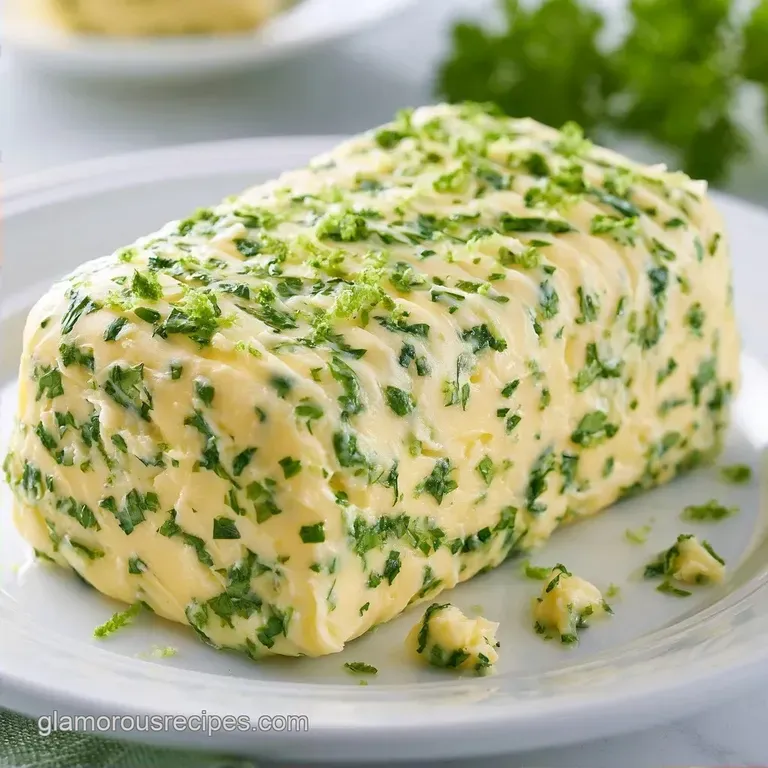
I realized that the secret isn't just the herbs, but how you handle the fat. Once I started whipping the butter first, everything changed. This Spring Herb Butter becomes this airy, pale gold cloud that carries the herbs evenly, so you get a hit of lemon and garlic in every single bite.
It's the kind of thing you make once and then suddenly find yourself putting on everything from grilled asparagus to toasted sourdough. It's simple, budget friendly, and makes you feel like you've got your life together even if the rest of your kitchen is a mess.
Why This Version Actually Works
Instead of just mixing, we're focusing on the structure of the butter to make it more palatable.
- Air Incorporation: Beating the butter traps tiny air bubbles, which lightens the mouthfeel and makes the flavor of the herbs pop.
- Acidic Brightening: The lemon zest contains oils that cut through the heavy saturated fats, preventing the butter from tasting "flat."
- Temperature Synergy: Using room temperature butter allows the garlic paste to distribute without creating cold clumps.
- Cold Setting: Chilling the log after rolling it stabilizes the air bubbles, ensuring it doesn't just melt into a puddle the second it hits the plate.
| Method | Prep Time | Texture | Best For |
|---|---|---|---|
| Stirred | 5 mins | Dense/Chunky | Quick searing |
| Whipped | 15 mins | Velvety/Airy | Spreading/Topping |
Component Analysis
Understanding how these bits interact helps if you want to tweak things later.
| Ingredient | Science Role | Pro Secret |
|---|---|---|
| Unsalted Butter | Fat Base | Use high-quality grass fed for a natural yellow hue |
| Fresh Herbs | Aromatic Layer | Pat them bone dry after washing to avoid watery butter |
| Lemon Zest | Flavor Bridge | Zest only the yellow part; the white pith is bitter |
| Garlic Paste | Pungency | Mash with a pinch of salt to create a smooth paste |
The Full Ingredient List
I've kept this budget smart by using common garden herbs. If you're looking for other easy compound butter recipes, you'll notice the base is always the same, but the "botanicals" change.
- 1 cup (225g) unsalted butter, room temperature Why this? Gives full control over the salt levels
- 2 tbsp (8g) fresh flat leaf parsley, finely minced Why this? Provides a clean, grassy base
- 1 tbsp (3g) fresh chives, finely snipped Why this? Adds a mild, onion like bite
- 1 tsp (1g) fresh tarragon, finely minced Why this? Gives that classic "French" anise flavor
- 1 clove (3g) garlic, minced into a paste Why this? Distributes flavor better than chunks
- 1 tsp (2g) lemon zest, finely grated Why this? Adds an essential citrus high note
- ½ tsp (3g) flaky sea salt Why this? Adds tiny crystals of crunch
- ¼ tsp (1g) cracked black pepper Why this? Provides a subtle warmth
Substitution Guide
| Original Ingredient | Substitute | Why It Works |
|---|---|---|
| Fresh Tarragon | Fresh Basil | Similar aromatic intensity. Note: Changes the profile to more "Italian" |
| Flat leaf Parsley | Fresh Cilantro | Similar color and freshness. Note: Stronger, citrusy flavor |
| Unsalted Butter | Salted Butter | Still works. Note: Reduce added flaky salt to a pinch |
Getting the Tools Ready
You don't need a professional kitchen for this, but a few specific tools make it way faster. I use a hand mixer such as a KitchenAid or a simple cordless one. If you don't have one, a whisk and some elbow grease work, though you won't get that same "whipped" lightness.
For the herbs, a very sharp chef's knife is non negotiable. If your knife is dull, you'll bruise the herbs instead of cutting them, which leads to that dark, oxidized look. I also suggest using parchment paper for the rolling process, as it prevents the butter from sticking to the counter.
Putting the Butter Together
Right then, let's crack on. This process is all about the order of operations. If you add the herbs too early, they'll get pulverized and turn the butter a weird grey color.
- Mince the parsley, chives, and tarragon as finely as possible. Note: This ensures a velvety texture without large "leafy" chunks.
- Combine the minced herbs, garlic paste, and lemon zest in a small bowl and set aside.
- Place the room temperature butter in a mixing bowl.
- Using a hand mixer on medium high speed, beat the butter for 2-3 minutes until it transforms to a nearly white, fluffy consistency.
- Turn the mixer to the lowest setting.
- Gradually add the herb mixture and salt.
- Fold gently with a spatula until the herbs are evenly distributed and you see green flecks throughout.
- Scoop the mixture onto a piece of parchment paper.
- Roll it into a log approximately 6 inches long, and twist the ends tight.
- Chill in the fridge for at least 1 hour until the log is firm to the touch.
Chef's Tip: To get the herbs really fine, don't chop them with a rocking motion. Instead, use a "pinch and slice" method to keep the stems out and the leaves intact.
Fixing Common Butter Mishaps
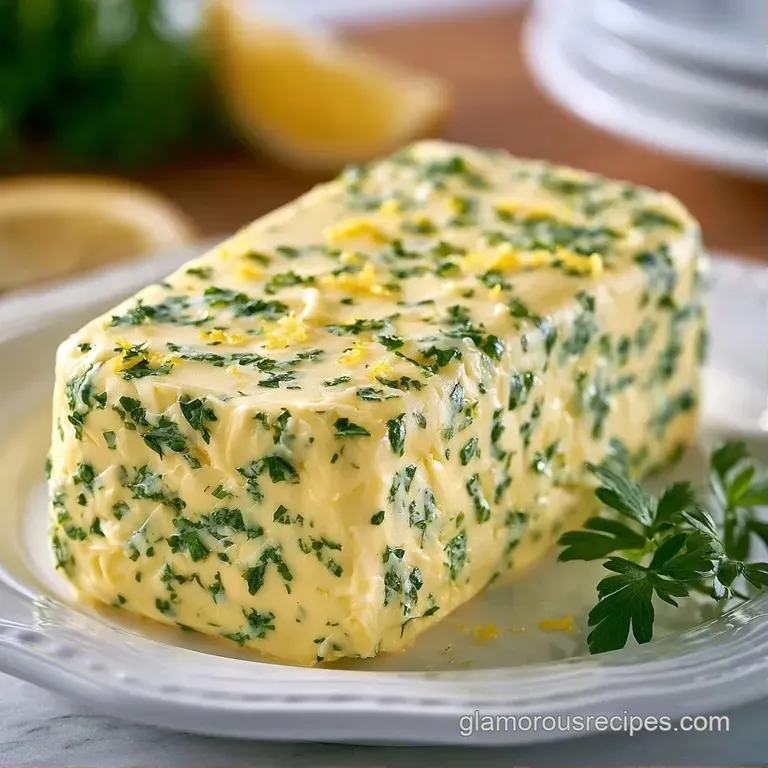
Even with a simple recipe, things can go sideways. Usually, it's a temperature issue. According to Serious Eats, maintaining the correct fat temperature is key to preventing the emulsion from breaking.
Troubleshooting Common Issues
| Issue | Solution |
|---|---|
| Why Your Butter Separated | If your butter looks curdled or "broken," it's usually because the butter was too cold when you started whipping or the herbs were too wet. This causes the fat to clump rather than aerate. |
| Why the Herbs Turned Brown | This is oxidation. It happens when you use a dull knife or leave the minced herbs sitting out for too long before mixing. The cells rupture and the enzymes react with oxygen. |
| Why the Garlic is Overpowering | Garlic varies in potency. If you used a massive clove, it can drown out the delicate tarragon. Next time, use a microplane for a more subtle infusion. |
Common Mistakes Checklist
- ✓ Did you use room temperature butter? (Cold butter won't whip)
- ✓ Are the herbs minced finely? (Avoid large pieces)
- ✓ Did you use the yellow part of the lemon only? (Avoid the bitter white pith)
- ✓ Did you chill the log for the full hour? (Essential for shaping)
- ✓ Did you fold the herbs instead of beating them? (Prevents bruising)
Fun Flavor Twists to Try
Once you've nailed the basic Spring Herb Butter, you can start playing with the "botanicals." I love experimenting with what's growing in the yard or what's on sale at the market.
The Wild Garden If you can find wild garlic or ramps, swap the garlic clove and half the chives for minced wild garlic. This creates a more pungent, "forest" version of the Herb Beltane Butter that is incredible on grilled trout.
The Floral Spring For a slightly sweeter vibe, add a teaspoon of honey and a pinch of dried lavender. This version is less of a savory condiment and more of a breakfast treat, especially when paired with fresh berries.
The Plant Based Swap You can use a high-quality vegan butter block. Most work well, but be careful with "tub" margarines as they're often too soft to roll into a log. If using plant based, I recommend adding a tiny bit more lemon juice to mimic the natural tang of dairy.
The Zesty Heat Add a pinch of red pepper flakes or a teaspoon of finely minced jalapeño. This adds a "kick" that balances the richness of the butter, making it a great base for a Sourdough Focaccia topping.
Adjusting the Batch Size
If you're making this for a big party or just for yourself, you'll need to tweak the proportions slightly.
Scaling Down (½ Batch) Use 112g of butter and halve everything else. Since the volume is smaller, you might need to beat the butter for only 1-2 minutes instead of 3 to avoid over working it.
Scaling Up (2x-4x Batch) When doubling, don't double the salt and pepper exactly. Start with 1.5x the amount, taste it, and add more if needed. Large batches of whipped spring herb butter can get very warm in a mixer, so I recommend chilling your mixing bowl in the fridge for 10 minutes before starting.
| Goal | Butter Amount | Salt Adjustment | Mixing Tip |
|---|---|---|---|
| Solo Use | 112g | Exact Half | Use a small bowl |
| Party Size | 450g | 1.5x Amount | Work in two batches |
Kitchen Myths Debunked
I've seen a lot of "rules" about compound butters that just aren't true. Let's clear some things up.
"You must use salted butter for flavor." Actually, using unsalted butter is better. It allows you to use flaky sea salt, which gives you those little bursts of flavor rather than a uniform, salty taste throughout.
"Dried herbs are a fine substitute." Not for this recipe. Dried herbs have a dusty, concentrated flavor that doesn't blend into the velvet texture of whipped butter. They stay gritty and lack the "brightness" of a Spring Herb Butter.
Keeping Your Butter Fresh
Since this has fresh garlic and herbs, you have to be a bit more careful than you would with plain butter.
Storage Guidelines Keep your butter log wrapped tightly in parchment and then placed in an airtight container or a zip top bag. In the fridge, it stays fresh for about 2 weeks. If you see any discoloration on the edges, it's time to toss it.
Freezing Tips This recipe freezes beautifully. I usually slice the chilled log into "coins" and freeze them on a tray before transferring them to a bag. This way, you can just pop one coin onto a hot steak or a piece of veg without thawing the whole batch. They'll last about 3 months in the freezer.
Zero Waste Tips Don't throw away the leftover herb stems! I toss my parsley and chive stems into a freezer bag. Once the bag is full, I simmer them with some onion scraps and water to make a quick, aromatic vegetable stock.
Best Ways to Serve It
The beauty of a Spring Herb Butter is its versatility. It's not just for bread.
The Beltane Classic Serve thick slices of toasted rustic bread, generously topped with a slice of Herb Beltane Butter and a sprinkle of extra flaky salt. It's the ultimate simple start to a spring meal.
The Modern Spring Roast When roasting carrots or asparagus, don't put the butter on at the start. Roast the veg with oil first, and then put a dollop of this butter on them the second they come out of the oven. The heat melts the butter into a velvety sauce that coats every piece.
The Seafood Secret This is a game changer for grilled shrimp or seared scallops. The tarragon and lemon in the butter mimic a classic beurre blanc but with way less effort. If you're making a larger meal, this pairs wonderfully with a side of Tzatziki Sauce for a fresh, Mediterranean inspired spread.
Recipe FAQs
How to store the herb butter?
Wrap tightly in parchment or plastic wrap. Keep it refrigerated for up to two weeks or freeze it for several months to maintain freshness.
Why should I beat the butter for 2-3 minutes?
To create a fluffy, aerated texture. Whipping the butter on medium high speed transforms it to a nearly white consistency, which makes it much easier to spread and blend with the herbs.
Is it normal for the butter to look curdled or separated?
No, this is a common misconception. Separation usually occurs if the butter was too cold when whipping or if the herbs were too wet, causing the fat to clump rather than aerate.
How to prevent the herbs from turning brown?
Use a very sharp knife and mix immediately. Oxidation happens when dull blades rupture herb cells or when minced herbs sit out too long before being incorporated into the butter.
What should I serve this herb butter with?
Spread it on warm steak or grilled vegetables. It also pairs perfectly with toasted slices of sourdough discard bread for a rich, savory side.
How to prevent the garlic from overpowering the other flavors?
Mince the garlic into a fine paste. This ensures the flavor is distributed evenly throughout the butter rather than leaving pungent, concentrated chunks.
How to firm up the butter for clean slicing?
Chill the rolled log in the fridge for at least 1 hour. This sets the fat and ensures you can cut precise, uniform rounds for serving.
Whipped Spring Herb Butter