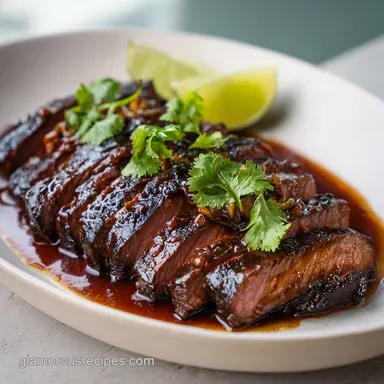
Carne Asada: Bold and Charred
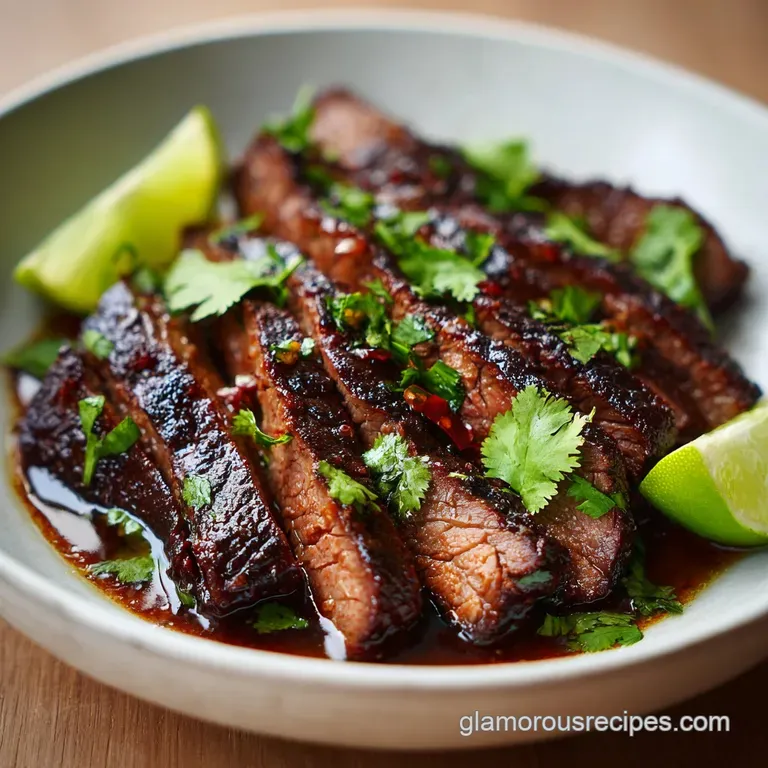
- Time:15 minutes active + 4 hours 10 mins marinating = Total 4 hours 25 mins
- Flavor/Texture Hook: Smoky, zesty, and charred with a velvety interior
- Perfect for: Outdoor summer parties or weekend family gatherings
- Bold Carne Asada Flavor Guide
- The Secret to Tender Beef
- Steak and Marinade Breakdown
- Shopping List Breakdown
- Must Have Cooking Gear
- Step by Step Searing
- Avoiding Common Steak Mistakes
- Troubleshooting Common Issues
- Swapping and Tweaking Flavors
- Breaking Steak Traditions
- Storage and Scrap Tips
- Bold Side Dish Pairings
- Recipe FAQs
- 📝 Recipe Card
Bold Carne Asada Flavor Guide
The smell of a charcoal grill hitting that peak temperature is a sensory trigger like no other. I remember one July afternoon when the air was thick with the scent of singed lime and searing beef.
My cousins and I were gathered around a rusted grill in the backyard, waiting for those first few strips of steak to stop sizzling and start smelling like a street fair in Mexico City. It's that specific aroma- a mix of burnt honey, garlic, and smoke- that tells you the party has actually started.
For a long time, I thought the secret was just "more lime." I'd soak the meat until it was practically pickled, only to find the texture became mushy and the flavor one dimensional. Then I realized that the real magic happens when you balance that acid with umami and a touch of sugar.
We're not just grilling meat here; we're creating a crust that shatters slightly before giving way to a juicy, tender center.
This Carne Asada is all about that contrast. You've got the brightness of orange and lemon, the salty depth of soy, and the earthy warmth of cumin. When you combine these and hit them with a 500°F flame, you get a result that's bold and adventurous.
Trust me, once you see that mahogany char forming on the steak, you'll never go back to basic salt and pepper grilling.
The Secret to Tender Beef
Acid Breakdown: Lime and lemon juices break down tough muscle fibers, making the meat tender. This process happens quickly, which is why we don't over marinate.
Umami Boost: Soy sauce provides glutamates that deepen the savory profile. It replaces some of the salt and helps the meat brown faster.
Sugar Caramelization: Honey provides a tiny bit of sugar that burns at high heat. This creates those dark, charred bits that taste like candy and smoke.
Enzymatic Action: Fresh cilantro and garlic release aromatic compounds that penetrate the meat. These add a fresh, pungent layer that cuts through the richness of the beef.
| Method | Marinating Time | Texture | Best For |
|---|---|---|---|
| Fast Track | 30 minutes | Firmer, cleaner beef taste | Quick weeknight tacos |
| Classic | 4 hours | Velvety, deeply infused | Crowd pleasing parties |
Steak and Marinade Breakdown
| Ingredient | Science Role | Pro Secret |
|---|---|---|
| Skirt Steak | High surface area | Poke holes with a fork for deeper penetration |
| Orange Juice | Natural sugar/acid | Adds a floral sweetness lime lacks |
| Soy Sauce | Salt and color | Gives that dark "street food" look |
| Honey | Browning agent | Keep it minimal to avoid burning too fast |
Shopping List Breakdown
For the steak, I highly suggest skirt steak if you can find it, as it has a looser grain than flank. If you're looking for other ways to get those smoky beefy flavors in your diet, you might enjoy my Chili Recipe with Bacon, which uses a similar approach to building deep, savory layers.
For the Protein
- 2 lbs skirt steak or flank steak, trimmed of silver skin Why this? High flavor profile and takes marinade well
- Substitute: Hanger steak (similar flavor, slightly more tender)
For the Signature Carne Asada Marinade
- 1/2 cup orange juice, fresh squeezed Why this? Balances the sharp citrus acids
- Substitute: Pineapple juice (adds a more tropical, sweeter note)
- 1/4 cup lime juice, fresh squeezed Why this? Essential for that authentic zest
- Substitute: Bottled lime juice (less bright, use sparingly)
- 2 tbsp lemon juice, fresh squeezed Why this? Adds a different dimension of acidity
- Substitute: Extra lime juice
- 1/4 cup olive oil Why this? Carries the fat soluble spices into the meat
- Substitute: Avocado oil (higher smoke point)
- 1/4 cup soy sauce Why this? Provides salt and a rich mahogany color
- Substitute: Tamari (for a gluten-free option)
- 4 cloves garlic, minced Why this? Pungent base for the marinade
- Substitute: 1 tsp garlic powder (less punchy)
- 1/2 cup fresh cilantro, chopped Why this? Fresh, herbaceous contrast
- Substitute: Flat leaf parsley (milder flavor)
- 1 tsp ground cumin Why this? Earthy, warm aromatic
- Substitute: Ground coriander (more citrusy)
- 1 tsp smoked paprika Why this? Adds a hint of wood smoke flavor
- Substitute: Sweet paprika (less depth)
- 1 tsp kosher salt Why this? Enhances all other flavors
- Substitute: Sea salt
- 1/2 tsp freshly ground black pepper Why this? Subtle heat and bite
- Substitute: White pepper
- 1 tsp honey or agave nectar Why this? Encourages fast caramelization
- Substitute: Brown sugar
Must Have Cooking Gear
You don't need a fancy setup, but a few things make a difference. A heavy duty grill is non negotiable. If you're using a gas grill, make sure your burners are clean so you get a consistent sear.
I usually use a large Ziploc bag for the marinade because it forces the liquid against the meat, ensuring every inch is covered.
For the final step, a very sharp chef's knife is your best friend. Since skirt steak has long, tough fibers, a dull knife will shred the meat instead of slicing it. This is where most people mess up their Carne Asada. If you can't slice clean, you're eating chewy rubber.
Step by step Searing
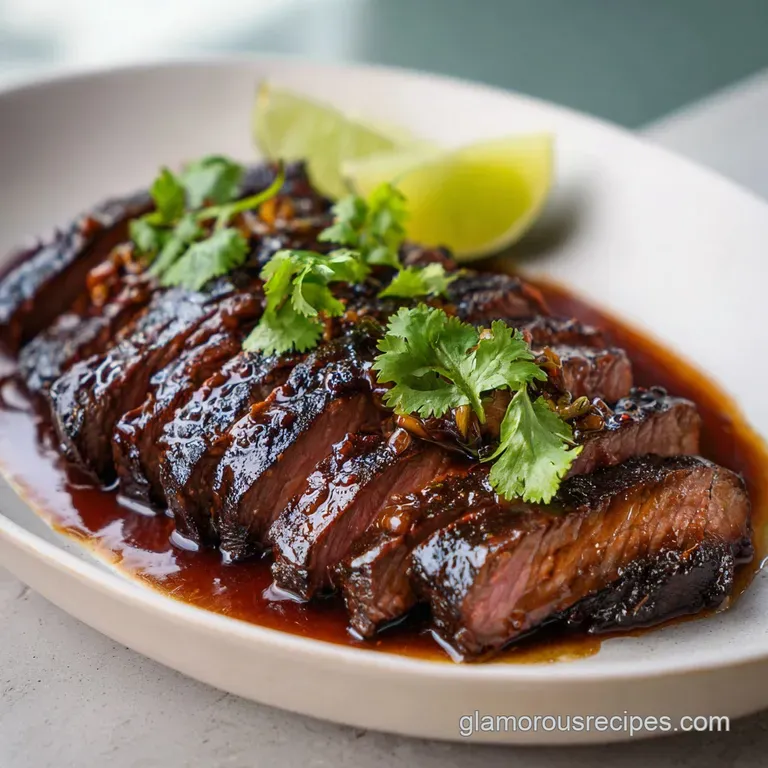
To make this version, we started with a recipe from Tyler Florence and switched it up to make it our own by tweaking the citrus ratios and adding that honey kick.
- Trim any thick pieces of silver skin from the skirt or flank steak. Use a fork to poke small holes across the surface of the meat to allow the marinade to penetrate deeper. Note: Silver skin doesn't melt; it just gets tough.
- Whisk together the orange juice, lime juice, lemon juice, olive oil, soy sauce, minced garlic, chopped cilantro, ground cumin, smoked paprika, kosher salt, black pepper, and honey in a bowl until the honey is fully dissolved.
- Place the steak in a sealable bag or glass dish, pour in the marinade mixture, massage the marinade into the meat, and refrigerate for 2 to 4 hours. Note: Don't exceed 6 hours or the acid will make the meat mushy.
- Preheat an outdoor grill to high heat (approximately 450°F to 500°F). Wait until you see the grates shimmering.
- Remove the steak from the marinade and pat the surface slightly with paper towels to remove excess moisture. Note: Excess liquid causes steaming, not searing.
- Grill for 3–5 minutes per side until a mahogany colored char forms and the internal temperature reaches 130°F to 135°F for medium rare.
- Transfer the meat to a cutting board and let it rest for 10 minutes to redistribute juices. You'll smell the concentrated garlic and smoke intensify during this time.
- Identify the muscle fibers (the grain) and slice the steak thinly perpendicular to the grain for maximum tenderness.
Avoiding Common Steak Mistakes
One thing I've noticed is that people often panic when the grill flares up. Since this Carne Asada marinade has oil and honey, it's going to drip and cause some flames. Don't fight it- embrace it. Those little bursts of fire are what give you the authentic, charred taste.
But there is a line between "charred" and "burnt." If the honey is scorching too fast, move the steak to a slightly cooler part of the grill for 60 seconds.
Troubleshooting Common Issues
| Issue | Solution |
|---|---|
| Why Your Steak Is Chewy | This usually happens because of the slice. If you cut with the grain, you're leaving those long muscle fibers intact, and your teeth have to do all the work. Always look for the lines in the meat and |
| Why Your Beef Is Gray | If your meat looks gray instead of brown, your grill wasn't hot enough. The meat "boiled" in its own juices instead of searing. You need that high heat to create a crust instantly. |
| Why The Flavor Is Bland | You might have skipped the pat dry step. If the meat is swimming in marinade on the grill, the temperature drops, and you lose the sear. The flavor is already inside the meat; the surface just needs t |
Common Mistakes Checklist:
- ✓ Did you trim the silver skin?
- ✓ Did you pat the meat dry before grilling?
- ✓ Is the grill reaching 450°F+?
- ✓ Did you slice perpendicular to the grain?
- ✓ Did you let the meat rest for 10 minutes?
Swapping and Tweaking Flavors
If you're cooking for a crowd, you might need to adjust the amounts. When scaling this Carne Asada, don't just double everything blindly.
Scaling Down (½ batch): Use a smaller pan or a quart sized bag. Reduce the grilling time by about 20% since thinner cuts of meat (if you're using smaller pieces) cook faster. If you're using a flank steak, the time stays roughly the same, but be mindful of the heat.
Scaling Up (2x-4x batch): This is where it gets tricky. Increase the salt and spices to about 1.5x instead of 2x. Spices can become overwhelming in large volumes. Reduce the total liquid by about 10% because the meat will release more moisture in a crowded bag.
Most importantly, work in batches on the grill. If you crowd the grates, the temperature will plummet, and you'll end up with gray, boiled beef.
Chef's Tip: For an extra punch of flavor, freeze your garlic cloves for 10 minutes before mincing them. It breaks the cell walls and makes the garlic more pungent.
Also, try adding a teaspoon of instant espresso to the marinade- it doesn't taste like coffee, but it deepens the color of the Carne Asada and adds an earthy bitterness that cuts through the honey.
| Original Ingredient | Substitute | Why It Works |
|---|---|---|
| Honey (1 tsp) | Brown Sugar (1 tsp) | Similar caramelization. Note: Slightly more molasses taste |
| Soy Sauce (1/4 cup) | Coconut Aminos (1/4 cup) | Salty/Umami. Note: Lower sodium and slightly sweeter |
| Skirt Steak (2 lbs) | Flank Steak (2 lbs) | Similar cut. Note: Flank is leaner and slightly tougher |
Breaking Steak Traditions
There's a common belief that searing meat "seals in the juices." This is simply not true. Searing creates flavor through browning, but it doesn't create a waterproof barrier. Moisture loss happens regardless of how hard you sear. The goal of the over high heat char on this Carne Asada is flavor, not juice retention.
Another myth is that you should salt the meat immediately before it hits the grill. While a salt crust is great for a ribeye, for this marinated steak, the salt is already in the soy sauce and the marinade. Adding more right before grilling can actually draw moisture to the surface, which ruins your sear.
Storage and Scrap Tips
Fridge Storage: Store your cooked Carne Asada in an airtight container for up to 4 days. To keep it from drying out, add a splash of lime juice or a bit of the leftover (and boiled) marinade to the container.
Freezer Storage: This meat freezes beautifully. Wrap it tightly in foil and then a freezer bag. It'll stay good for 3 months. When you're ready to eat, thaw it in the fridge overnight.
Reheating: Never microwave it on high. That's a one way ticket to rubbery beef. Use a skillet over medium heat with a teaspoon of butter or oil. Just flash fry it for 2 minutes to get the edges crispy again.
Zero Waste: Don't throw away the silver skin trimmings or the fat you cut off the steak. Toss them into a stainless steel pan and sear them until they render down into a brown liquid. Use this "beef gold" as a base for a pan sauce or add it to a stew for an intense, concentrated beef flavor.
Bold Side Dish Pairings
To turn this into a full meal, you need sides that can stand up to the intensity of the Carne Asada. I love serving this with grilled spring onions (cebollitas) that have been charred until they're soft and sweet.
For a fresh contrast, make a pico de gallo with extra lime and a pinch of sugar to balance the acidity. If you want something heartier, some cilantro lime rice is the go to. The rice absorbs the juices from the steak, making every bite feel cohesive.
If you're looking for other adventurous ways to use beef, I've found that the same flavor profile of this Carne Asada works great when paired with grilled corn on the cob slathered in cotija cheese and chili powder. The sweetness of the corn and the saltiness of the cheese create a perfect loop with the zesty steak.
Right then, you've got the tools, the science, and the method. Now get that grill screaming hot and let's get to work. Trust me, the smell alone will have your neighbors knocking on your door. Let's crack on!
Recipe FAQs
What type of meat is best for carne asada?
Skirt steak or flank steak. These cuts are ideal because they have a strong beefy flavor and a texture that stands up well to high heat grilling.
What is the secret to a flavorful carne asada?
Deep marinade penetration and high heat. Use a fork to poke holes in the meat before marinating and grill at 450°F to 500°F to develop a rich, savory crust.
What do Mexicans use for carne asada?
Citrus, garlic, and fresh cilantro. Traditional profiles rely on a blend of orange, lime, and lemon juices combined with aromatic spices like cumin and smoked paprika.
What is the best marinade for carne asada?
A balance of citrus, soy sauce, and honey. This combination provides the necessary acidity to tenderize the beef and a touch of sweetness to enhance the char.
How to prevent the meat from being chewy?
Slice the steak thinly perpendicular to the grain. Cutting across the muscle fibers instead of with them ensures every bite is tender.
How to get a mahogany char on the beef?
Preheat the grill to 450°F to 500°F and pat the meat dry. Removing excess moisture with paper towels prevents the meat from steaming and allows it to sear instantly.
Is it true you should slice the steak immediately after grilling?
No, this is a common misconception. Let the meat rest for 10 minutes to allow the juices to redistribute, which prevents the steak from drying out.
Authentic Carne Asada