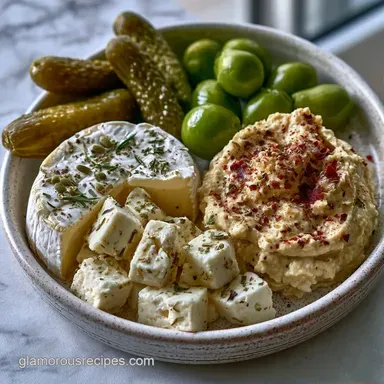
Vegan Charcuterie Board: Health-Conscious
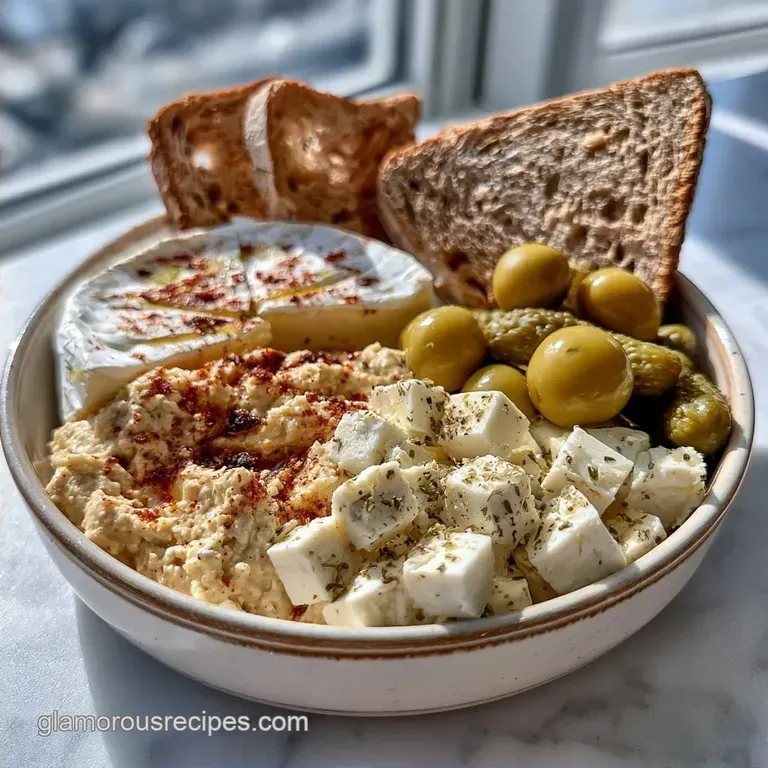
- Time:20 minutes active
- Flavor/Texture Hook: Tangy, salty, and crisp
- Perfect for: Holiday parties or guest appetizers
The smell of fresh rosemary and the sharp tang of pickled cornichons always take me back to a small bistro in Lyon. I remember watching the locals assemble boards with cured meats and pungent cheeses, treating the arrangement like a piece of art.
For a long time, I thought that tradition was closed to anyone avoiding animal products, but I was wrong.
I spent a few years trying to recreate that feeling without the meat. I started by just throwing a few vegan cheeses and some grapes on a plate, but it felt empty. It wasn't until I focused on the "umami" side of things, using fermented olives and salty capers, that the experience finally clicked.
Now, I treat every board as a puzzle of textures and tastes.
You can expect a result that looks professional but takes very little effort. This Vegan Charcuterie Board focuses on a mix of probiotic rich cheeses, omega-3 walnuts, and vibrant produce. It is a healthy way to entertain that doesn't leave people feeling sluggish.
How the Textures Balance
The success of this layout depends on a few simple principles of taste. Since we aren't using cured meats, we have to find other ways to trigger the savory receptors in your brain.
- Fermented Depth: Using cultured vegan feta and brined olives provides the salt and tang that mimics aged meats.
- Structural Contrast: Pairing a soft, silky brie with hard sprouted grain crisps keeps the palate interested.
- Acidic Brightness: Cornichons and capers cut through the richness of the cashew based cheeses, preventing the board from feeling too heavy.
According to Serious Eats, the perception of flavor is heavily tied to the fat content and acidity of the food. In this recipe, the fats from the nuts and vegan cheeses carry the flavors of the rosemary and fig jam across your tongue.
| Approach | Prep Effort | Texture Profile | Best For |
|---|---|---|---|
| Fresh/Homemade | High | Complex and varied | Intimate dinners |
| Shortcut/Store | Low | Consistent and clean | Large parties |
Recipe Specs
This layout is designed for a medium wooden or slate board. It serves about 6 to 8 people as an appetizer. The goal is a balance of colors, so the red of the tomatoes and the green of the cucumbers should be placed opposite each other.
The total time is 20 minutes. There is no cooking involved here, just assembly. It is a low stress way to provide a nutrient dense option for your guests.
The Essential Ingredient Roles
To better understand the selections, it's helpful to look at the logic behind the ingredients. This plant based spread is designed as a balanced harmony of tastes.
| Component | Purpose | Substitute Notes |
|---|---|---|
| Vegan Brie | Creamy richness | Cashew based wheels are excellent |
| Cultured Feta | Briny tang | Tofu based feta is a more budget friendly choice |
| Fig Jam | Sweet contrast | Apricot preserves offer a brighter flavor |
| Castelvetrano Olives | Savory salt | Kalamatas provide a bolder punch |
Your Shopping List
Gather these ingredients from your nearest store. I recommend choosing organic produce to ensure the most vivid colors.
- 8 oz Vegan Brie or Camembert Why this? Creates a rich, creamy foundation.
- 6 oz Cultured Vegan Feta, cubed Why this? Adds a sharp, salty kick.
- 1/2 cup Roasted Garlic Hummus Why this? A satisfying, protein packed dip.
- 1/2 cup Castelvetrano Olives Why this? Buttery texture with mild saltiness.
- 1/2 cup Cornichons or pickled okra Why this? Essential acidity to refresh the palate.
- 2 tbsp Capers Why this? Concentrated bursts of brine.
- 1 cup Baby carrots, peeled Why this? Provides a crisp texture and bright hue.
- 1 cup Cucumber slices Why this? Hydrating and neutral in flavor.
- 1 cup Cherry tomatoes Why this? Juicy pops of red color.
- 1 cup Fresh blueberries or grapes Why this? Natural sugars to balance the salt.
- 4 oz Seeded crackers or sprouted grain crisps Why this? A sturdy base for the cheeses.
- 1/2 cup Raw walnuts or almonds Why this? Earthy notes and healthy fats.
- 1/4 cup Dried apricots Why this? Chewy texture and concentrated sweetness.
- 3 tbsp Fig jam or apricot preserves Why this? Pairs excellently with the Brie.
- 1 tsp Fresh rosemary sprigs Why this? Adds a woody, aromatic scent.
If you have leftover crackers, you can use them to make a Grilled Bread Salad as a side for a larger meal.
The Right Tool Set
You don't need much for a Vegan Charcuterie Board, but a few pieces of gear make the process faster.
- Medium Serving Board: A 12 to 15 inch wooden board or a slate platter.
- Ceramic Ramekins: Three small bowls (about 3 inches wide) to hold the wet ingredients.
- Small Spreading Knife: For the Brie and jam.
- Toothpicks: These make it easier for guests to grab olives and feta.
I prefer using ceramic bowls because they stop the oils from the olives from soaking into the wood, which can leave permanent stains.
How to Assemble It
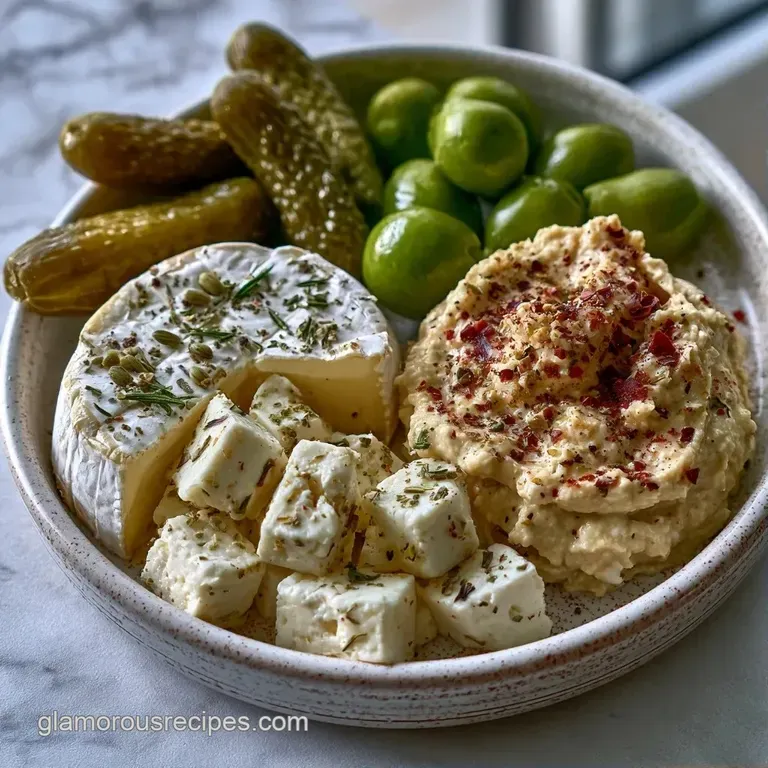
The flow of assembly is what keeps the board from looking cluttered. Follow these steps to create a visual path for your guests.
- Place three ceramic ramekins on the board in a triangular formation. Fill them with the roasted garlic hummus, fig jam, and olives. Note: This creates anchor points that stabilize the layout.
- Position the Vegan Brie and cubed Feta near the ramekins. Arrange the seeded crackers in a curving 'S' shape flowing around the cheese. Wait until the crackers look like a river before adding the produce.
- Tuck the baby carrots, cucumber slices, and cherry tomatoes into the larger open spaces. Distribute the colors evenly, placing the red tomatoes away from the blueberries for better contrast.
- Scatter the walnuts, dried apricots, and blueberries into the remaining small gaps. Ensure no large holes remain on the board.
- Place the cornichons and capers in small clusters near the feta.
- Garnish the board with fresh rosemary sprigs. Tuck them under the edges of the cheese or the ramekins.
- Set the board at room temperature for 10 minutes before serving. Note: This allows the Vegan Brie to soften slightly.
Once you have your board ready, it is the perfect time to introduce a light starter. I often suggest a Homemade Caesar Salad to provide a fresh, garlicky contrast to the rich cheeses.
Fixing Common Board Issues
Even a simple assembly can have a few hiccups. Here is how to handle them.
Preventing Sogginess
The most common problem is when the brine from the olives or pickles leaks onto the crackers. This makes them limp and unappealing. The fix is simple. Always use ramekins for wet items. Never place a cornichon directly touching a cracker.
Use a "buffer" of walnuts or dried apricots between the brined items and the grains.
Stopping Oxidation
Cucumbers and carrots can sometimes look dull if they sit too long. To keep them bright, slice them right before you build the board. If you must prep early, toss the cucumber slices in a tiny bit of lemon juice. This slows down the browning process and adds a nice zesty note.
Fixing Boring Platters
If your board looks too monochromatic, you probably have too many "beige" items grouped together. Break up the crackers and nuts by inserting a pop of color. Put a blueberry between two walnuts or a cherry tomato next to the Brie. This creates a more dynamic look that invites people to eat.
Alternative Ways to Build
A Vegan Charcuterie Board is highly adaptable. You can change the theme based on the season or the dietary needs of your guests.
For a Mediterranean vibe, swap the fig jam for a red pepper pesto and add marinated artichoke hearts. If you want a tropical twist, use mango slices instead of apricots and swap the walnuts for macadamia nuts.
If you are serving guests with allergies, you can easily make this nut free. Replace the vegan brie and feta with sunflower seed based cheeses and use pumpkin seeds instead of walnuts. The flavor profile stays similar, but it becomes safe for everyone.
| Goal | What to change |
|---|---|
| Low Carb | Swap crackers for cucumber slices |
| Budget | Use hummus instead of vegan brie |
| Nut Free | Swap walnuts for sunflower seeds |
Modifying for Keto
To make this board keto friendly, remove the dried apricots and fig jam. Replace them with fresh raspberries and a small bowl of olives stuffed with pimientos. Use almond flour crackers or simply use more cucumber slices as the vehicle for the cheese.
Storing Your Leftovers
If you have leftovers from your Vegan Charcuterie Board, you can keep them for a short time.
Place the remaining cheeses and vegetables in sealed tubs in the cooler. They will stay fresh for about 2 days. The crackers should be stored separately in a dry container to prevent them from absorbing moisture from the fridge.
To avoid waste, don't throw away the remaining vegetable scraps. The ends of the carrots and cucumber peels can be tossed into a freezer bag for your next homemade vegetable stock. If you have leftover hummus or jam, use them as spreads for morning toast.
The Best Drink Matches
The right beverage brings out the different notes of the board. Since the Vegan Charcuterie Board has a lot of salt and cream, you want something that refreshes the palate.
A chilled Prosecco or a dry sparkling cider works well. The bubbles cut through the fat of the vegan brie and the richness of the hummus. For a non alcoholic option, a sparkling water with a squeeze of lime and a sprig of mint is a great choice.
If you are serving this as part of a larger meal, it bridges perfectly with light pasta dishes or fresh salads. The salty and sweet elements act as a great transition between a starter and a main course.
Right then, you have everything you need to put together a stunning Vegan Charcuterie Board. It is all about the balance of textures and the courage to mix colors. Just remember to use your ramekins, keep your "wet" and "dry" items separate, and let the natural colors of the produce do the heavy lifting.
Trust me on this, your guests will be more impressed by the variety than the complexity of the ingredients. Let's crack on and get building.
High in Sodium
1098 mg 1098 mg of sodium per serving (48% 48% of daily value)
The American Heart Association recommends a daily sodium limit of 2,300mg to help maintain healthy blood pressure and reduce heart disease risk.
Tips to Reduce Sodium
-
Rinse Brined Items-20%
Rinse the Castelvetrano olives, cornichons, and capers under cold water before serving to wash away excess surface brine.
-
Low-Sodium Hummus-20%
Swap store-bought hummus for a homemade version using no-salt added chickpeas and extra lemon juice for flavor.
-
Unsalted Crisps-20%
Replace the seeded crackers with unsalted sprouted grain crisps or fresh cucumber slices as the base.
-
Mind the Vegan Cheese-15%
Look for lower sodium vegan feta alternatives or reduce the portion size of the cultured feta.
-
Enhance with Freshness
Increase the amount of fresh rosemary or add lemon zest and cracked black pepper to provide a flavor punch without salt.
Recipe FAQs
How to arrange a vegan charcuterie board for the best look?
Place ramekins of hummus, fig jam, and olives as your first anchor points.
Tip: Flow the seeded crackers in a curving 'S' shape around the cheese.
Is it true that you need faux meats for a complete board?
No, this is a common misconception. A combination of vegan brie, feta, and fresh produce provides all the necessary variety.
Tip: Distribute colors evenly by tucking baby carrots and cherry tomatoes into the larger gaps.
Which items should I swap for a nut-free version?
Replace the raw walnuts with pumpkin seeds and use sunflower seed based cheeses.
Tip: Keep the dried apricots to maintain the essential sweetness.
What can I serve alongside this board for a full meal?
Serve this board as a starter before a hearty main course.
Tip: If you enjoyed balancing varied textures here, see how we apply the same principle to our flaky empanada dough.
Vegan Charcuterie Board in 20 Minutes