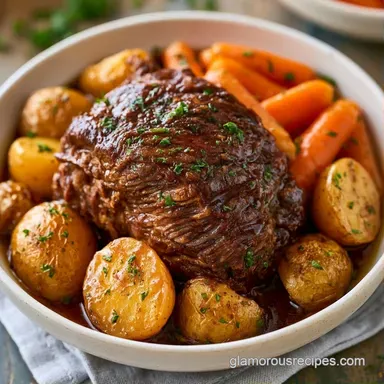
Slow Cooker Spring Roast: Tender and Moist
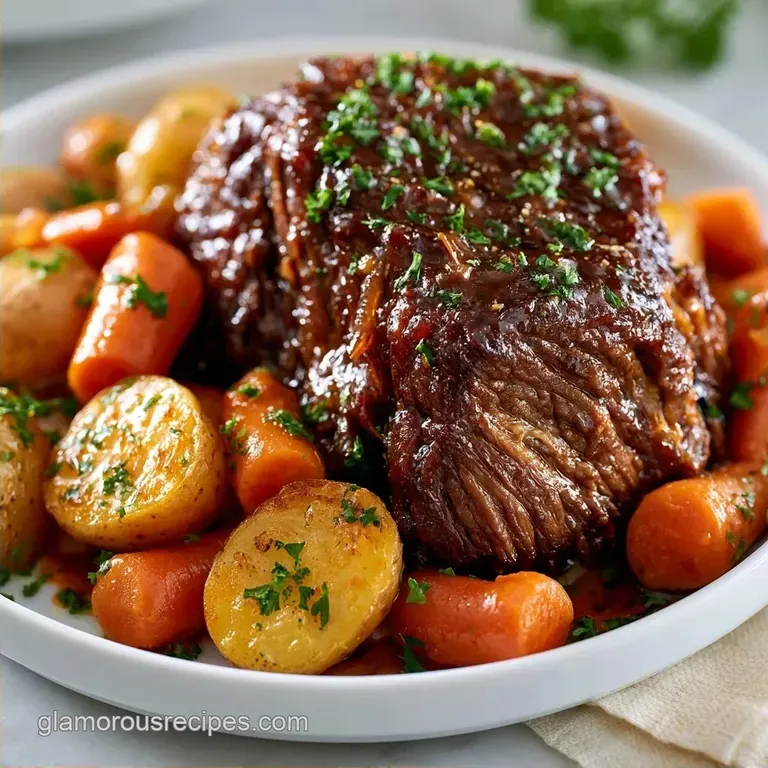
- Time:15 minutes active + 8 hours cooking = Total 8 hours 30 mins
- Flavor/Texture Hook: Mahogany crusted beef with velvety, melt in-the mouth vegetables
- Perfect for: Soul nourishing Sunday dinners or effortless meal prep for the week
Easy Slow Cooker Spring Roast
The first thing you notice isn't the sight of the meat, but that heavy, salty sizzle as the beef hits the hot cast iron. It's a sound that promises something comforting. I remember one particular Sunday in March when the air outside was still biting, but the kitchen was starting to feel like a sanctuary.
I had a massive chunk of beef chuck on the counter and a handful of garden fresh herbs that smelled like a rainy forest.
The magic of this Slow Cooker Spring Roast is how it balances the deep, rich weight of the beef with the brighter, earthier notes of spring carrots and baby potatoes. Most people just throw everything in the pot and hope for the best, but that's where they miss out.
By taking a few minutes to get that deep brown crust on the meat, you're adding layers of flavor that you just can't get from a slow cooker alone.
We're going for a contrast here: a savory, salt forward crust on the outside of the beef, but a tender, almost buttery interior. Then you have the vegetables, which stay intact but become velvety as they soak up the beef broth and Worcestershire sauce.
It's the kind of meal that makes your whole house smell like a hug, and by the time you're ready to eat, the meat should practically fall apart under the pressure of a fork.
How the Flavors Develop
To get this right, we have to look at what's actually happening inside the pot over those eight hours. It's not just about heating the meat; it's about transforming it.
Collagen Breakdown: The beef chuck is full of tough connective tissue. Slow, moist heat slowly converts this collagen into gelatin, which is what gives the meat that silky, melt in-the mouth feel and thickens the sauce naturally.
Liquid Infusion: Because the vegetables sit at the bottom and sides, they act like sponges. The baby potatoes and carrots don't just cook; they absorb the salt and umami from the beef broth and gravy mix, creating a concentrated flavor profile.
Aromatic Layering: Adding the rosemary and thyme sprigs at the start allows the essential oils to steam into the meat. Since the pot is sealed, these scents have nowhere to go but into the beef, creating a woody, herbal undertone that cuts through the richness of the fat.
The Searing Effect: Getting a dark crust on the beef before it goes into the cooker adds a complex, toasted flavor. According to the guides at Serious Eats, this browning process creates new flavor compounds that wouldn't exist if you just simmered the meat from raw.
| Component | Fresh Approach | Shortcut Approach | Result |
|---|---|---|---|
| Beef Stock | 24 hour bone broth | Low sodium beef broth | Fresh is richer; shortcut is consistent |
| Thickeners | Flour roux (manual) | Brown gravy mix packet | Roux is velvety; packet is salty and fast |
| Aromatics | Fresh garden herbs | Dried herbs | Fresh is bright; dried is more muted |
Ingredient Deep Dive
When we're talking about the components of this roast, the beef is the undisputed star. I always insist on beef chuck. Why? Because lean cuts like sirloin or eye of round will turn into dry, stringy rubber in a slow cooker. You need that marbled fat to keep things moist.
| Ingredient | Science Role | Pro Secret |
|---|---|---|
| Beef Chuck | Fat/Collagen Source | Trim only the thickest fat caps; leave the marbling |
| Brown Gravy Mix | Starch/Salt Base | Mix with broth first to avoid clumps in the pot |
| Baby Potatoes | Starch Absorber | Leave them halved to create more surface area for sauce |
| Worcestershire | Umami Booster | Adds fermented depth that mimics aged beef |
The Pantry List
Right then, let's get your shopping list together. Make sure your beef is at room temperature for about 20 minutes before searing, or it won't brown as evenly.
- 1.4 kg beef chuck roast, trimmed of excess fat Why this? High collagen content ensures tenderness
- 30 ml vegetable oil Why this? High smoke point for the sear
- 5 g kosher salt Why this? Coarser grains penetrate the meat better
- 5 g cracked black pepper Why this? Adds a woody heat to the crust
- 450 g baby potatoes, halved Why this? They hold their shape better than large ones
- 4 large carrots, cut into 5 cm chunks Why this? Prevents them from turning into mush
- 1 large yellow onion, quartered Why this? Provides a sweet, aromatic base
- 4 cloves garlic, smashed Why this? Smashed cloves release more oils than minced
- 475 ml low sodium beef broth Why this? Controls the salt levels so it's not overpowering
- 1 packet brown gravy mix Why this? Quick thickening with a deep color
- 2 sprigs fresh thyme Why this? Earthy, lemony notes
- 2 sprigs fresh rosemary Why this? Piney aroma that complements beef
- 15 ml Worcestershire sauce Why this? Adds a savory, vinegary punch
| Original Ingredient | Substitute | Why It Works |
|---|---|---|
| Beef Chuck Roast | Bottom Round | Leaner cut. Note: Will be less tender; increase broth by 100ml |
| Baby Potatoes | Parsnips | Similar texture. Note: Adds a sweeter, pepperier flavor |
| Brown Gravy Mix | Cornstarch + Beef Base | Similar thickening. Note: Lacks the pre seasoned depth of the mix |
| Fresh Thyme | Dried Thyme (1 tsp) | Same flavor. Note: Less aromatic; add earlier in the process |
Essential Kitchen Gear
You don't need a professional kitchen to pull this off, but a couple of specific tools make a massive difference. I use a heavy cast iron skillet for the sear because it holds heat better than non stick. If you use a thin pan, the meat will steam instead of brown, and you'll lose that mahogany crust.
A 6 quart slow cooker is the sweet spot for this recipe. If your pot is too small, the liquid will bubble over; if it's too large, the liquid might evaporate too quickly, leaving the meat dry. Also, grab a meat thermometer.
Relying on "fork tenderness" is a gamble, but hitting a specific internal temperature is a guarantee.
The Cooking Process
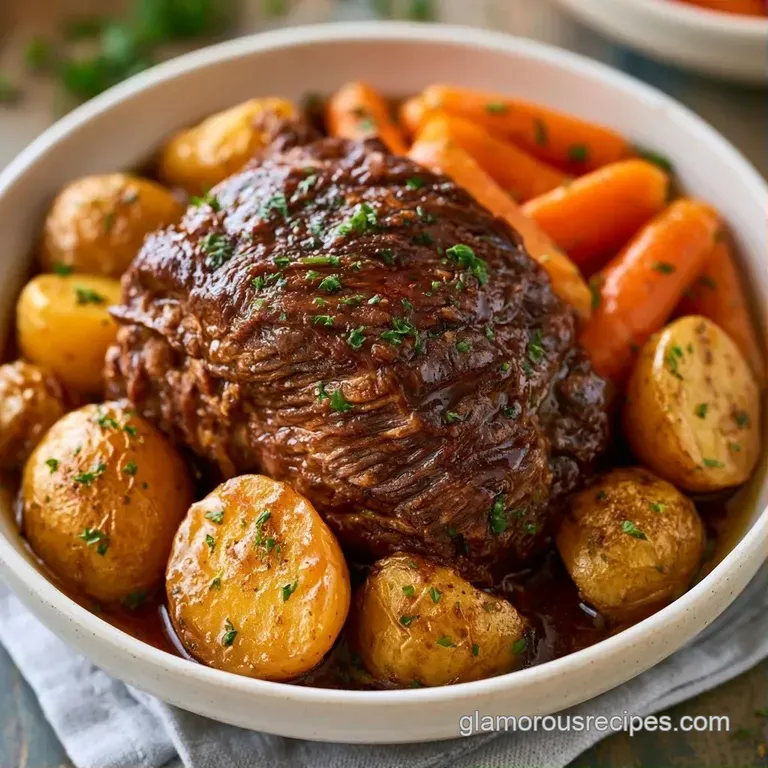
Let's crack on. Follow these steps closely, and don't be tempted to skip the sear. It's the difference between a grey piece of meat and a soul nourishing meal.
- Pat the beef dry with paper towels and season generously with salt and pepper. Note: Moisture on the surface prevents a good crust
- Heat vegetable oil in a cast iron skillet over medium high heat until shimmering.
- Sear the meat for 4-5 minutes per side until a deep, mahogany colored crust forms, then transfer the meat to the slow cooker.
- Scatter the halved potatoes, carrots, onion, and garlic around the beef in the slow cooker.
- Pour the beef broth, Worcestershire sauce, and brown gravy mix over the top.
- Tuck the fresh thyme and rosemary sprigs into the liquid. Note: Ensure they are submerged so they don't burn
- Cover and cook on Low for 8 hours, until the meat registers 96°C (205°F) internally.
- Remove the meat to a cutting board and let it rest for 15 minutes before slicing against the grain. Note: Resting allows the juices to redistribute
Chef's Tip: If you want an even deeper flavor, add a teaspoon of instant espresso powder to the gravy mix. It doesn't make the roast taste like coffee, but it mimics the richness of a long simmered demi glace.
Fixing Common Mistakes
Even the best of us mess up. I once forgot to sear my beef and ended up with a roast that looked like it had been boiled in a bath. It tasted okay, but it lacked that "wow" factor.
The Meat is "Rubbery" Not Tender
This usually happens when the meat is taken out too early. Beef chuck has a "danger zone" where it's cooked through but the collagen hasn't melted yet. If it's rubbery, put it back in for another hour. It needs to hit that 96°C mark to truly break down.
The Gravy is Too Thin
If your sauce is more like a soup than a gravy, it's likely because the vegetables released too much water. You can whisk a small slurry of cornstarch and cold water into the pot during the last 30 minutes of cooking, or simply simmer the liquid in a saucepan on the stove after removing the meat.
The Vegetables are Mushy
This happens if you use carrots that are too small or if you cook on "High" instead of "Low". High heat can cause the cell walls of the vegetables to collapse too quickly. Stick to the "Low" setting and keep your carrot chunks at least 5 cm wide.
| Problem | Root Cause | Solution |
|---|---|---|
| Grey meat | Skipped searing or pan too cold | Sear 5 mins per side in shimmering oil |
| Too salty | Used salted broth + gravy mix | Use low sodium broth or add a splash of water |
| Dry beef | Cooked on High or overcooked | Use "Low" setting and check internal temp |
Common Mistakes Checklist:
- ✓ Pat beef bone dry before seasoning
- ✓ Avoid overcrowding the skillet during the sear
- ✓ Use the "Low" setting for the full 8 hours
- ✓ Let the meat rest before slicing
- ✓ Slice against the grain for maximum tenderness
Changing the Portion
If you're cooking for a crowd or just for yourself, you can't just double everything and call it a day. Slow cookers behave differently as the volume of food changes.
Scaling Down (Half Portion): When using a 1.5 kg roast, use a smaller slow cooker if possible. Reduce the beef broth by about 10% since there's less surface area for evaporation. Your cooking time will likely drop by about 20%, so start checking the internal temperature at 6 hours.
Scaling Up (Double Portion): If you're doing a 2.8 kg roast, don't double the salt or the gravy mix. Increase the seasonings and the gravy packet to 1.5x only. Liquids should also be reduced by about 10% because the larger mass of meat will release more natural juices.
You'll need a 7 or 8 quart slow cooker for this.
If you love the idea of slow cooked meats but want something with a different flavor profile, you might also love my pork shoulder tamales for a more festive, spicy vibe. Both rely on that same "low and slow" magic to break down tough cuts of meat.
| Serving Size | Beef Weight | Broth Amount | Est. Cook Time |
|---|---|---|---|
| 3 Servings | 700 g | 350 ml | 6-7 hours |
| 6 Servings | 1.4 kg | 475 ml | 8 hours |
| 12 Servings | 2.8 kg | 850 ml | 9-10 hours |
Busting Cooking Myths
There are a lot of "old wives' tales" when it comes to roasting beef. Let's clear some of those up.
Searing Seals in Juices: You'll hear people say that searing the meat "locks in" the moisture. This is actually false. Searing creates a crust that adds flavor, but it doesn't stop the meat from losing moisture during the cook.
The moisture is preserved by the low temperature and the liquid environment of the slow cooker.
Cutting Meat Immediately: Some believe that slicing the meat hot helps it stay tender. In reality, if you slice it immediately, all those precious juices will run out onto the board, leaving the meat dry. A 15 minute rest is non negotiable.
Storage and Scraps
Don't let a single bit of this meal go to waste. The leftover juices are liquid gold.
Storage Guidelines: Keep the sliced beef and vegetables in an airtight container in the fridge for up to 3 days. Store the gravy separately. When you reheat it, do so gently on the stove or in the microwave with a splash of water to loosen the sauce.
For the freezer, you can freeze the beef and gravy together for up to 3 months. Thaw overnight in the fridge before reheating.
Zero Waste Tips: If you have leftover carrots or onion scraps from the prep, toss them into a freezer bag with some celery ends. Once the bag is full, boil them with water to make a basic vegetable stock. Also, if you have a bit of the roast left over, shred it and toss it with some creamy garlic sauce for an incredible open faced sandwich the next morning.
Best Way to Serve
The beauty of a Slow Cooker Spring Roast is its versatility. It's a complete meal in one pot, but the presentation can change the whole mood of the dinner.
The Steakhouse Experience: Plate the beef in thick, juicy slices. Surround them with a mound of the baby potatoes and carrots. Spoon a generous amount of the brown gravy over the meat, letting it pool around the vegetables. Garnish with a fresh sprig of parsley or a few thyme leaves for a pop of color.
The Open Faced Sandwich: For a more casual approach, toast two thick slices of sourdough bread. Pile on shredded beef and a few sliced carrots. Pour the gravy over the top until the bread is slightly soaked but still holds its shape. This is the ultimate comfort food for a rainy afternoon.
Lightening It Up: If you want to cut through the richness, serve the roast with a side of steamed asparagus or a crisp arugula salad with a lemon vinaigrette. The acidity of the lemon helps balance the heavy, savory notes of the beef and gravy.
Very High in Sodium
1480 mg 1,480 mg of sodium per serving (64% 64% of daily value)
The American Heart Association recommends a daily sodium limit of no more than 2,300 mg, and an ideal limit of no more than 1,500 mg for most adults.
Tips to Reduce Sodium
-
Ditch the Gravy Packet-30%
Replace the processed brown gravy mix with a homemade roux using flour, butter, and a bit of broth to eliminate hidden sodium.
-
Switch to No-Salt Added Broth-30%
Upgrade from low-sodium beef broth to no-salt added broth or a homemade stock for a cleaner flavor profile.
-
Cut the Added Salt-25%
Reduce the kosher salt by half or omit it entirely, allowing the natural flavors of the beef and vegetables to shine.
-
Substitute the Sauce-20%
Replace the Worcestershire sauce with coconut aminos or a splash of balsamic vinegar to get that umami taste with less salt.
-
Enhance with Fresh Herbs
Increase the amount of fresh thyme, rosemary, and cracked black pepper to add depth and complexity without adding sodium.
Recipe FAQs
Can I cook baby potatoes with the slow cooker spring roast?
Yes, halved baby potatoes are a key part of the recipe. Scatter them around the beef in the slow cooker before starting the 8-hour cook cycle.
Which vegetables work best in a slow cooker spring roast?
Use carrots, yellow onion, and smashed garlic. These hearty options hold their shape during the long cook; if you want a lighter side, try our frozen green beans for a snappy contrast.
How to ensure the roast beef is melt-in-the-mouth tender?
Cook on Low for 8 hours until the meat hits 205°F (96°C). This duration allows the tough connective tissues in the chuck roast to break down completely.
Is it true that searing the meat is unnecessary for slow cooker roasts?
No, this is a common misconception. Searing for 4-5 minutes per side in a cast iron skillet creates a mahogany crust that significantly improves the depth of flavor.
Can I freeze the leftovers of this roast?
Yes, you can freeze the beef and gravy together. They remain high quality for up to 3 months when stored in an airtight container.
What is the target internal temperature for the beef?
Reach 205°F (96°C) internally. This specific temperature ensures the beef is tender enough to pull apart easily rather than being chewy.
How to properly rest the meat before slicing?
Transfer the roast to a cutting board for 15 minutes. This critical step lets juices redistribute so the meat doesn't dry out when you slice against the grain.
Slow Cooker Spring Roast