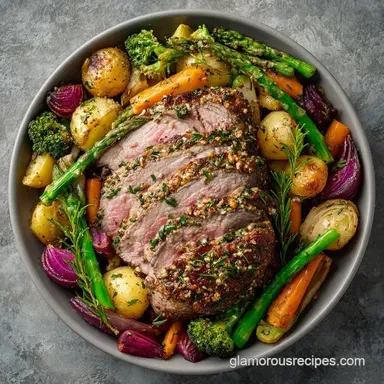
Savory Beltane Dinner: Herb-Crusted Roast Lamb
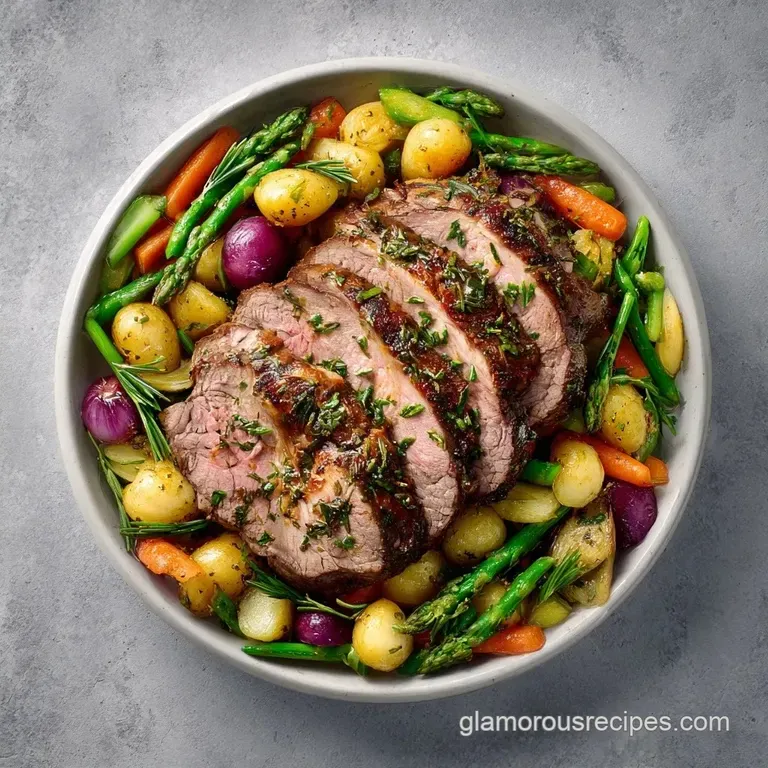
- Time: 30 min active + 105 min roasting
- Flavor/Texture Hook: Velvety meat with a zesty, herb heavy crust
- Perfect for: May Day gatherings or a bold spring feast
- Savory Beltane Dinner Secrets
- Where Most Cooks Fail
- Essential Recipe Specs
- Component Deep Dive
- Tools You'll Need
- The Cooking Process
- Fixing Common Issues
- Troubleshooting Common Issues
- Personalizing Your Feast
- Adjusting the Portion Size
- Debunking Kitchen Myths
- Storage and Waste
- Best Pairing Ideas
- Recipe FAQs
- 📝 Recipe Card
Imagine the smell of fresh mint and crushed garlic hitting a hot roasting pan, filling the room with a scent that feels like a garden waking up after a long winter. That's the vibe of this meal. It's not just about the food, but the feeling of the season shifting.
Beltane is all about the fire and the return of the sun. For those of us who love the kitchen, that means using the most vibrant, green things we can find. I remember the first time I tried a roast like this, I completely overdid the rosemary and drowned out the lamb.
I learned the hard way that spring herbs need a light touch to keep things bright.
We're making a Savory Beltane Dinner that focuses on the natural sweetness of baby carrots and the snap of fresh asparagus. It's a one pan wonder that looks fancy but mostly just requires you to keep an eye on your timer. Let's get into it.
Savory Beltane Dinner Secrets
The secret to this dish is the temperature swing. We start high to sear the botanical rub, then drop the heat to let the meat cook through without drying out. Most people just pick one temperature and hope for the best, but that usually leads to a grey, bland center or a burnt crust.
By starting at 218°C, we lock in the aromatic oils from the mint and parsley. These herbs would just shrivel and taste like hay if we cooked them slowly from the start. The high heat caramelizes the Dijon mustard, which acts as a glue for the herbs.
Another trick is the timing of the vegetables. If you throw everything in at once, your asparagus will be a mushy mess by the time the lamb is done. We stagger the additions so the carrots get enough time to soften, but the asparagus stays bright green and crisp.
This is how you get a Savory Beltane Dinner that actually tastes like spring.
Why This Works
- Thermal Shock: The initial 218°C blast sets the herb crust, preventing it from sliding off the meat.
- Fat Rendering: The drop to 163°C allows the lamb fat to melt slowly, basting the vegetables underneath.
- Enzymatic Brightness: Adding lemon juice to the vegetables at the end cuts through the richness of the lamb.
- Carryover Cooking: Resting the meat for 20 minutes lets the fibers relax, ensuring the juices stay inside.
| Method | Time | Texture | Best For |
|---|---|---|---|
| Oven Roast | 105 min | Velvety & Crusty | Large groups, hands off |
| Stovetop Sear | 45 min | Charred & Tight | Smaller cuts, fast meals |
Where Most Cooks Fail
The biggest mistake is ignoring the moisture on the meat. If the lamb is damp, the herb paste will just slide off, and you'll end up with steamed meat instead of a roasted crust. I've seen people skip the paper towel step and wonder why their roast looks pale.
Another issue is the "crowding" effect. If you pack the carrots and potatoes too tightly around the lamb, they'll steam in the meat juices instead of roasting. You want a little breathing room so the hot air can circulate and brown the edges of the vegetables.
Finally,, people often pull the lamb out when the thermometer hits the target temperature. But the internal heat keeps rising after it leaves the oven. If you don't account for that, your medium rare lamb quickly becomes medium well. Trust the rest period.
Essential Recipe Specs
This meal is designed for a crowd, but it's flexible. The core is the bone in leg of lamb, which provides more flavor than a boneless cut. The bone acts as a heat conductor, helping the meat cook more evenly from the inside out.
The vegetable mix is intentionally simple. Baby carrots and fingerlings are hardy enough to handle the long roast, while asparagus provides the necessary contrast in texture. It's a balanced plate that doesn't need a separate side dish to feel complete.
Component Deep Dive
| Ingredient | Science Role | Pro Secret |
|---|---|---|
| Dijon Mustard | Emulsifier/Binder | Use a grainy version for more texture |
| Fresh Mint | Aromatic Acid | Chop it last to prevent oxidation |
| Bone in Lamb | Flavor Base | Leave a thin layer of fat for basting |
| Baby Carrots | Sugar Source | Leave a bit of the green stem for looks |
Tools You'll Need
You don't need a professional kitchen for this, but a few things make it easier. A roasting pan with a rack is non negotiable. Without the rack, the bottom of the lamb sits in its own grease and won't brown.
I recommend a digital meat thermometer. Guessing the doneness of a 3 lb leg of lamb is a gamble I'm not willing to take. Also, have a sharp carving knife ready; a dull blade will shred the meat and push all those precious juices out onto the board.
The Cooking Process
The Botanical Rub
First, preheat your oven to 218°C. In a small bowl, mix the olive oil, Dijon mustard, minced garlic, parsley, mint, oregano, salt, and pepper. Stir this until it becomes a thick, fragrant paste. Note: This paste acts as a flavor shield for the meat.
Pat the lamb dry with paper towels. This is the most important part for getting a crust. Rub the herb paste generously over the entire surface of the lamb, pressing it firmly into the meat.
The Initial Sear
Place the lamb on a rack in the roasting pan. Roast for 15 minutes at 218°C. You'll know it's ready when the herbs start to sizzle and the aroma of toasted garlic fills the kitchen.
Immediately reduce the oven temperature to 163°C. Now, let it roast until your thermometer hits 135°F for medium rare. This usually takes about 1 hour to 1 hour 15 mins.
The Veggie Phase
Wait until there are 45 minutes left on the lamb's clock. Toss the fingerling potatoes and baby carrots in olive oil, thyme, and salt. Scatter them around the lamb in the pan.
When there are only 12 minutes left, add the asparagus to the pan. The asparagus should look bright green and just slightly softened when you pull the pan out.
The Final Rest
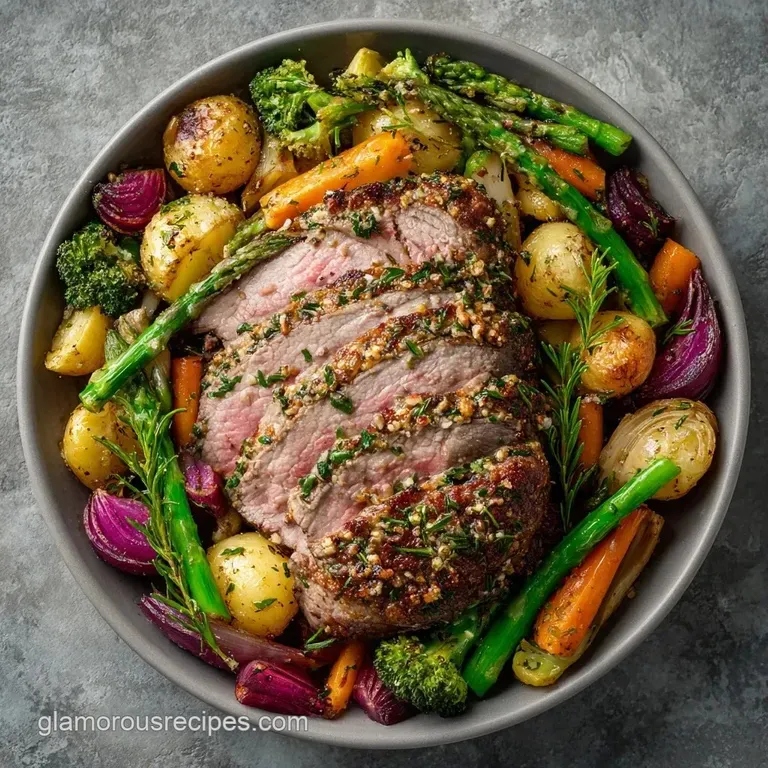
Remove the pan from the oven. Transfer the lamb to a cutting board and let it rest for 20 minutes. Note: Cutting too early lets the juices run, leaving the meat dry. Carve and serve your Savory Beltane Dinner.
Fixing Common Issues
Troubleshooting Common Issues
| Issue | Solution |
|---|---|
| Why Your Crust Is Burnt | If the herbs look black instead of dark green, you likely left the oven at 218°C for too long. The sugar in the mustard burns quickly. |
| Why Your Veggies Are Soggy | Soggy vegetables happen when there's too much liquid in the pan or the veggies are piled on top of each other. Give them space. If you have too many, use a second sheet pan. |
| Why the Meat Is Tough | Tough meat is usually a sign of overcooking or skipping the rest. If the internal temp goes past 145°F, the muscle fibers tighten and squeeze out the moisture. |
Common Mistakes Checklist
- ✓ Pat meat bone dry before applying the rub.
- ✓ Use a rack to prevent the bottom from steaming.
- ✓ Check internal temperature, not just the timer.
- ✓ Stagger vegetable entry to preserve texture.
- ✓ Rest the meat for a full 20 minutes.
Personalizing Your Feast
If you want to move away from the traditional lamb, you can use a thick cut pork loin, though you'll need to reduce the roast time by about 20%. For a Vegetarian Beltane Dinner Idea, a large head of cauliflower works surprisingly well.
Just halve the cauliflower, apply the same herb paste, and roast at 218°C for the whole duration.
For those who like a bit of a kick, add a pinch of red pepper flakes to the rub. If you want a more floral note, swap the oregano for dried lavender. It sounds wild, but it pairs beautifully with the mint and lamb.
To add a creamy element to the plate, I highly recommend a Tzatziki Sauce recipe. The cool cucumber and yogurt balance the heat and richness of the Savory Beltane Dinner perfectly.
Adjusting the Portion Size
If you're cooking for just two people, use a smaller leg of lamb (around 1.5 lb). Use the same temperature, but check the internal temp about 20 minutes earlier than the recipe suggests.
For the vegetables, halve the quantities and use a smaller roasting pan to keep them from spreading too thin and burning.
When scaling up for a big party (say, 12 people), don't just double the salt and spices increase them by about 1.5x. Too much salt can become overwhelming in large batches. Work in two separate roasting pans to ensure the vegetables have enough room to brown.
| Scaling | Pan Size | Temp Adjustment | Time Adjustment |
|---|---|---|---|
| Half Batch | Small Roaster | No change | Reduce by 20% |
| Double Batch | 2 Large Pans | No change | Add 10-15 mins |
Debunking Kitchen Myths
You'll often hear that searing meat "seals in the juices." This is a total myth. Searing creates a crust for flavor, but it doesn't stop moisture from leaving the meat. The only way to keep juices inside is to not overcook the meat and let it rest.
Another common claim is that meat must be room temperature before roasting. While some swear by it, the difference in final internal temperature is negligible for a roast of this size. Just focus on the surface dryness.
Storage and Waste
Leftover Savory Beltane Dinner keeps well in the fridge for up to 3 days. Store the lamb and vegetables in separate airtight containers. When reheating, do it slowly in the oven at 150°C or in a pan with a splash of water to keep the meat from drying out.
For the freezer, the lamb can last about 2 months. Wrap it tightly in foil and then a freezer bag. Thaw it in the fridge overnight before reheating.
To avoid waste, don't throw away the lamb bone. Toss it into a pot with water, celery, and onion to make a rich bone broth. Use the leftover herb paste (if you made extra) as a marinade for grilled chicken or roasted tofu.
Best Pairing Ideas
This roast is quite rich, so you want sides that provide a sharp or acidic contrast. A crisp arugula salad with a lemon vinaigrette is a great choice. If you want something more substantial, you can follow a Roasted Asparagus recipe at The Kitchn to supplement your vegetable spread.
For a drink, a light red wine like a Pinot Noir or a chilled sparkling cider works well. The acidity in these drinks cuts through the lamb fat and complements the minty notes of the rub.
When you put it all together, this Savory Beltane Dinner is more than just a meal. It's a celebration of the season. The smell of the herbs, the velvet texture of the meat, and the snap of the spring greens make it a memory on a plate. Enjoy your feast!
Recipe FAQs
What do you eat for dinner if you don't like ham for a spring holiday?
Try a bone-in leg of lamb with spring vegetables. It offers a savory, herb forward alternative that fits the seasonal theme perfectly.
How to prevent the herb crust from burning?
Reduce the oven temperature to 325°F (163°C) after the first 15 minutes. The sugar in the Dijon mustard burns quickly if left at 425°F (218°C) for too long.
Why are my roasted carrots and asparagus soggy?
Ensure vegetables have enough space in the roasting pan. Piling them on top of each other or having too much liquid in the pan creates steam instead of roasting.
Is it true that you can carve the lamb immediately after taking it out of the oven?
No, this is a common misconception. You must let the lamb rest for 20 minutes to keep the juices inside and prevent the meat from becoming tough.
How to reheat leftover lamb and vegetables?
Warm slowly in the oven at 150°C or in a pan with a splash of water. This prevents the meat from drying out during the reheating process.
What is the best way to ensure the lamb reaches medium rare?
Use a meat thermometer to hit exactly 135°F. Roast at 325°F (163°C) for approximately 1 hour to 1 hour 15 minutes after the initial sear.
Can I use a different protein for a similar spring feast?
Yes, other rich meats work well. If you enjoyed the precision of the meat temperature here, see how the same principle works in our sous vide duck.
Savory Beltane Dinner Feast