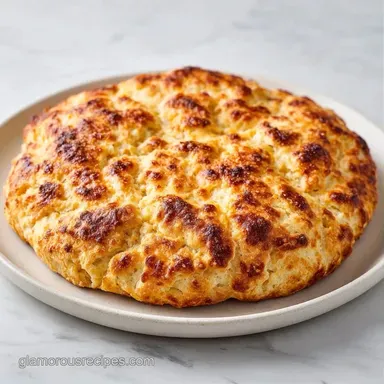
Plant-Based Beltane Bannock: Crisp and Fluffy
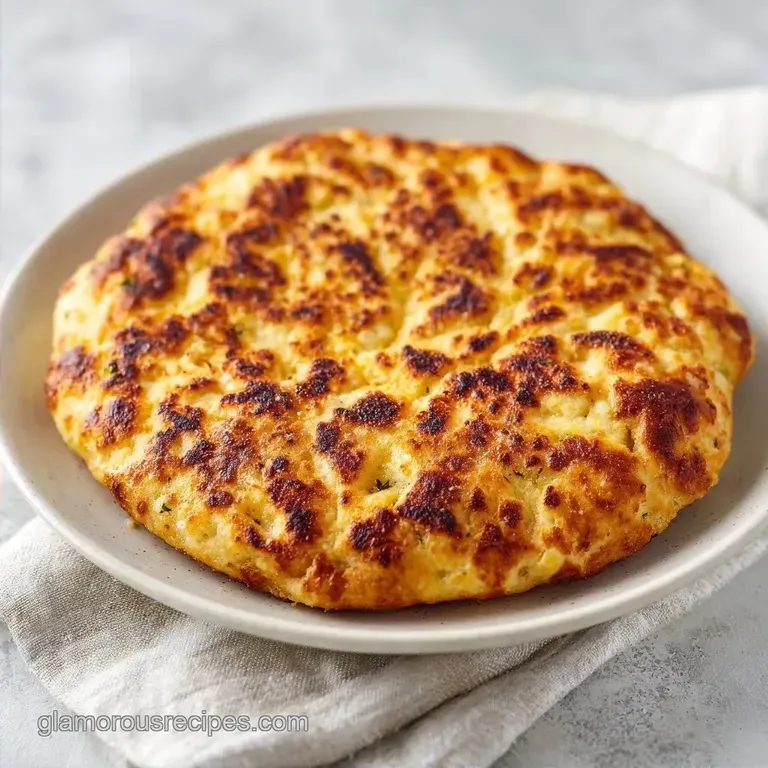
- Time: 15 min active + 10 min cook
- Flavor/Texture Hook: Shatter crisp exterior with a velvety, soft center
- Perfect for: Quick breakfasts, camping trips, or cozy winter dinners
The sound of cold vegan butter hitting a hot cast iron skillet is the best part of my morning. That sharp sizzle tells me the pan is ready, and the smell of browning flour soon fills the kitchen. For a long time, I thought you needed heavy cream or lard to get that authentic, dense yet-fluffy Scottish texture.
I assumed plant based versions would either be too gummy or just taste like a sad pancake.
But here's the truth: you don't need animal fats to get a shatter crisp crust. The secret is all in how you handle the fat and the acidity. Once I stopped trying to mimic dairy with thick creams and started using a simple acidified plant milk, everything clicked.
This Plant Based Bannock doesn't just "work" for a vegan diet, it actually tastes cleaner and lets the toasted grain flavor shine through.
Expect a bread that's golden brown on the outside and steaming hot on the inside. It's a humble dish, but when you tear it open and see those airy pockets, you realize how simple the chemistry really is.
Whether you're making this for a quiet Tuesday or as a Plant Based Beltane Bannock for a spring celebration, it's all about the tactile feel of the dough.
Plant Based Bannock: A Simple Guide
The Acid Kick: Apple cider vinegar reacts with baking powder to create carbon dioxide bubbles. This provides the lift since we aren't using eggs.
Cold Fat Pockets: Keeping the vegan butter cold ensures it doesn't melt into the flour. Instead, it creates tiny steam vents during frying, which makes the interior velvety.
Minimal Agitation: Stirring only until moistened prevents gluten over development. This keeps the bread tender rather than chewy like a bagel.
Starch Gelatinization: The medium heat of the pan allows the outside to brown while the inside sets. This creates that distinct mahogany shell.
| Method | Time | Texture | Best For |
|---|---|---|---|
| Cast Iron Pan | 10 mins | Crisp edges, soft center | Quick weeknight meals |
| Oven Baked | 20 mins | Uniform, cake like | Larger crowds |
| Deep Fried | 6 mins | Shatter crisp, oily | Indulgent treats |
Component Analysis
| Ingredient | Science Role | Pro Secret |
|---|---|---|
| All Purpose Flour | Provides structure | Use a light touch to avoid toughness |
| Baking Powder | Chemical leavener | Check the expiry date for max lift |
| Vegan Butter | Adds richness/flake | Keep it cubed and chilled until the last second |
| Apple Cider Vinegar | Activates leavening | Soy milk works best for the "buttermilk" tang |
Gathering Your Essentials
For this recipe, accuracy matters, but don't stress over a few grams. I usually just eyeball the flour once I've done this a few times, but if you're new to this, stick to the measurements.
- 2 cups (250g) all purpose flour Why this? Balanced protein for a tender crumb (Substitute: Spelt flour for a nuttier taste)
- 1 tbsp (12g) baking powder Why this? Provides the primary lift (Substitute: 1/4 tsp baking soda + extra vinegar)
- 1/2 tsp (3g) salt Why this? Tightens the flavor profile (Substitute: Sea salt)
- 1 tbsp (12g) cane sugar Why this? Helps with the golden browning (Substitute: Maple syrup)
- 3 tbsp (42g) cold vegan butter, cubed Why this? Creates a flaky texture (Substitute: Cold coconut oil)
- 3/4 cup (180ml) unsweetened soy or oat milk Why this? High protein for better browning (Substitute: Almond milk)
- 1 tsp (5ml) apple cider vinegar Why this? Creates the vegan buttermilk (Substitute: Lemon juice)
- 1 tbsp (15ml) neutral oil Why this? High smoke point for frying (Substitute: Grapeseed oil)
Essential Kitchen Tools
You don't need a fancy setup here. A simple bowl and a sturdy spatula are your best friends.
- 10 inch cast iron skillet: This is non negotiable for that mahogany crust.
- Large mixing bowl: Gives you room to rub in the butter without spilling.
- Small jar: For the "buttermilk" to sit and activate.
- Spatula or wooden spoon: For gentle folding.
Step-by-step Instructions
- Combine the plant milk and apple cider vinegar in a small jar. Let it sit for 5 minutes until it thickens slightly to create a vegan buttermilk.
- Whisk the all purpose flour, baking powder, salt, and cane sugar in a large mixing bowl.
- Add the cubed vegan butter to the dry ingredients. Use your fingertips to rub the butter into the flour until it resembles wet sand with no large lumps.
- Pour in the acidified plant milk. Stir gently with a spatula just until the flour is moistened. Note: Stop the moment you see no more dry flour to keep it tender.
- Heat the neutral oil in a 10 inch cast iron skillet over medium heat.
- Scoop the dough into the pan. Flatten it into a disc approximately 1 inch thick.
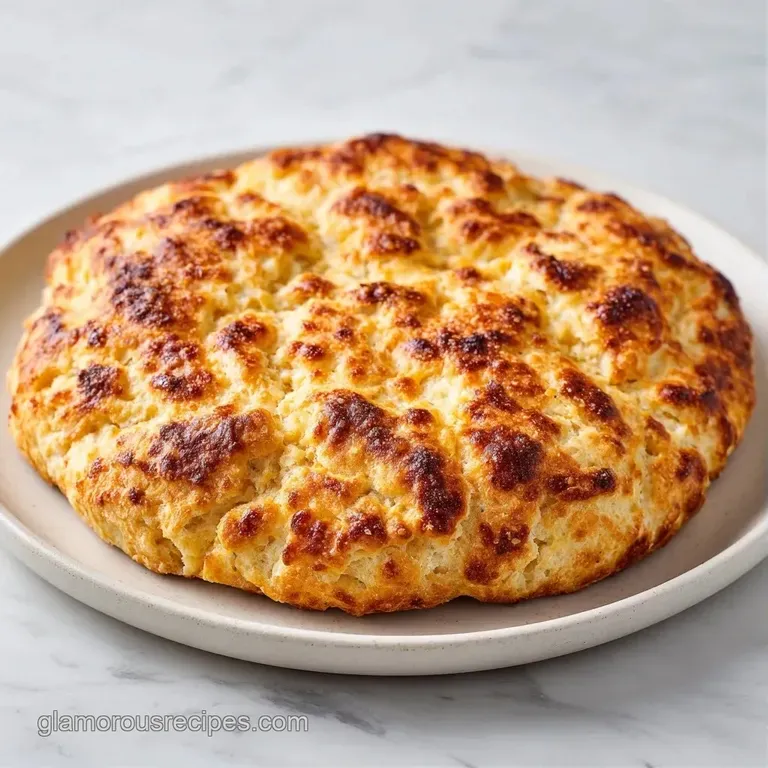
- Cook for 4-5 minutes per side until a mahogany colored crust forms and the edges feel firm.
- Remove from the pan and let it rest for 2 minutes before slicing. Note: This allows the internal steam to set the crumb.
Troubleshooting Guide
Sticky Dough Issues
If the dough feels more like batter than a soft dough, you might have too much moisture. This often happens if the plant milk varies in consistency. Just sprinkle in a tablespoon of flour at a time.
Lack of Rise
A flat bannock usually means the baking powder is old or the vinegar didn't react. Always check your leaveners. According to King Arthur Baking, baking powder loses its potency over time, especially if stored in a humid area.
Burnt Exterior Raw Interior
This happens when the pan is screaming hot. The outside sears before the heat can penetrate the center. Drop your heat to medium low and cover the pan for 2 minutes to trap steam.
| Problem | Root Cause | Solution |
|---|---|---|
| Dough is gummy | Over mixing the flour | Stir only until just combined |
| Pale crust | Pan not hot enough | Wait for oil to shimmer before adding dough |
| Dry/Crumbly | Too much flour | Add 1 tsp of plant milk |
Common Mistakes Checklist
- ✓ Did you keep the butter cold?
- ✓ Did you let the "buttermilk" sit for 5 minutes?
- ✓ Did you stop mixing the moment the flour disappeared?
- ✓ Is your skillet medium heat (not high)?
- ✓ Did you avoid pressing the dough down too hard in the pan?
Adjustment Guidelines
If you're cooking for a crowd or just yourself, you can easily tweak the volume. For a Based Bannock that feeds a group, I recommend working in batches.
Scaling Down (1/2 Batch): Use a smaller 6 inch skillet. Reduce the cooking time by about 20% per side, as the dough will likely be thinner. Since there's no egg to split, just halve all ingredients exactly.
Scaling Up (2x-4x Batch): Don't just quadruple the salt and sugar; increase them to 1.5x or 2x to avoid over seasoning. Work in batches in your skillet. If you try to crowd the pan, the temperature will drop, and you'll lose that shatter crisp edge.
For larger batches, I sometimes find that lowering the heat slightly and extending the cook time ensures the center is fully set.
Based Bannock Myths
Myth: You need lard for the authentic taste. Actually, the "traditional" flavor comes from the browning of the flour and the tang of the acid. high-quality vegan butter provides the same richness without the heavy aftertaste.
Myth: Plant based breads can't be fluffy. This is just wrong. As long as you have a reaction between an acid (vinegar) and a base (baking powder), you'll get plenty of air. It's the same logic used in many professional vegan bakes.
Myth: You must knead the dough. In fact, kneading is the enemy here. You want a quick bread, not a yeast loaf. Kneading creates gluten, which would make your Plant Based Bannock tough and rubbery.
Storage Guidelines
Store any leftovers in an airtight container at room temperature for up to 2 days. If you want them to last longer, the fridge is fine for 5 days, but the texture will firm up.
For long term storage, freeze sliced pieces in a freezer bag for up to 2 months. To reheat, skip the microwave. Throw the slices back into a dry skillet for 2 minutes per side. This brings back the crispness that the freezer steals.
To avoid waste, use any leftover "buttermilk" in your pancake batter or as a soak for fried tofu. If you have scraps of the cooked bread, toast them into cubes for a savory crouton. This pairs great with a hearty soup or even as a side to some Papas con Chorizo for a fusion breakfast.
Perfect Complements
Depending on your mood, this bread can swing from a sweet treat to a savory staple.
The Sweet Pairing
Slather a warm slice with salted vegan butter and a drizzle of pure maple syrup. For a more festive vibe, serve it with a side of fresh raspberries or a dollop of coconut jam. It has a similar comforting feel to my Rosca de Reyes but is much quicker to pull together.
The Savory Pairing
Try topping it with smashed avocado, a squeeze of lime, and red pepper flakes. It also works brilliantly as a scoop for thick stews, bean chilis, or a mushroom gravy.
Flavor Variations
- Savory Herb Garden: Stir in 1 tsp of dried rosemary and a pinch of garlic powder into the flour.
- Wild Berry Burst: Fold in 1/4 cup of dried cranberries or blueberries before frying.
- Traditional Oat Variation: Replace 1/2 cup of all purpose flour with rolled oats for a heartier, chewier texture.
- gluten-free Swap: Use a 1:1 gluten-free flour blend. Note: You may need an extra tablespoon of plant milk as GF flours absorb more liquid.
Whether you're making a simple Plant Based Bannock for breakfast or a more elaborate Vegan Beltane Recipes spread, the key is patience with the pan. Once you see that deep brown color, you know you've got it right. Trust your senses, keep your butter cold, and enjoy the crunch.
Recipe FAQs
What makes this the best plant based Beltane bannock?
The combination of acidified plant milk and rubbed-in vegan butter. This specific method creates a tender crumb and a mahogany colored crust without any animal products.
Can I use almond milk instead of soy or oat milk?
Yes, any unsweetened plant milk works. Just ensure the milk is unsweetened to avoid altering the intended flavor profile of the bread.
Why is my bannock tough or dense?
You likely over mixed the dough. Stir the acidified plant milk gently with a spatula just until the flour is moistened to prevent gluten over development.
How to make the vegan buttermilk for this recipe?
Combine the plant milk and apple cider vinegar in a small jar. Let the mixture sit for 5 minutes until it thickens slightly before adding it to the dry ingredients.
How do I store and reheat leftover bannock?
Store in an airtight container for up to 2 days at room temperature. To reheat, place slices in a dry skillet for 2 minutes per side to restore the original crispness.
Is it true that you need eggs to get a mahogany crust?
No, this is a common misconception. The interaction between the cane sugar and the heat of the cast iron skillet produces a deep, rich color naturally.
How does this bannock differ from a standard sandwich loaf?
It is a quick bread that relies on baking powder rather than yeast. If you enjoyed working with a fast acting dough here, see how we adapt the process for a slow fermented sourdough sandwich bread.
Plant Based Bannock in 25 Minutes