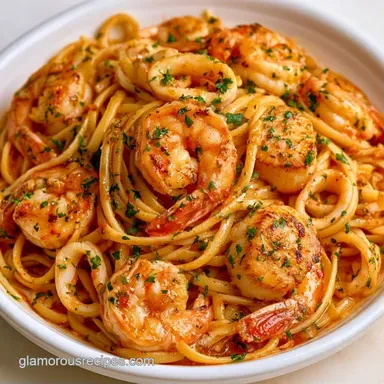
Creamy Seafood Pasta with Shrimp and Scallops

- Time: 10 min active + 20 min cooking
- Flavor & Texture: Buttery, bold, and rich
- Perfect for: Date night or a fancy weekend dinner
Creamy Seafood Pasta for Date Night
The sound of scallops hitting a hot pan and the smell of garlic browning in butter make the house feel like a bistro. This is the kind of meal you make when you want to impress someone without spending three hours in the kitchen. It feels expensive, but it comes together fast.
The result is a bold mix of tender seafood and a sauce that clings to every strand of pasta. You get the brightness of lemon and the depth of Parmesan, which keeps the richness from feeling too heavy.
Making this creamy seafood pasta relies on timing. You want the seafood to stay tender and the sauce to stay smooth. If you follow the heat cues, you'll get that restaurant-style finish.
Why This Method Works
- High Heat Searing: Cooking seafood in batches prevents the pan from cooling down. This creates a golden crust instead of steaming the meat into a rubbery mess.
- Starchy Pasta Water: A splash of the salty water helps the cream and cheese bond to the noodles. It stops the sauce from pooling at the bottom of the plate.
| Seafood Source | Prep Time | Texture | Best For |
|---|---|---|---|
| Fresh Catch | 15 mins | Firm and sweet | High-end dinner |
| Frozen Mix | 5 mins | Softer | Weeknight speed |
The Essential Ingredients
What Each Ingredient Does
| Ingredient | Role | If You Don't Have It |
|---|---|---|
| Heavy Cream | Base of the sauce | Full-fat coconut milk (adds nutty flavor) |
| Parmesan | Salt and thickness | Pecorino Romano (saltier, sharper) |
| White Grape Juice | Acidity and brightness | Lemon juice and a splash of water |
| Linguine | Structural base | Fettuccine or spaghetti |
The Shopping List
- 1 lb linguine
- 1 tbsp salt Why this? Draws flavor into the pasta dough
- ½ lb large shrimp, peeled and deveined
- ½ lb sea scallops, patted dry
- ½ lb calamari rings
- 2 tbsp unsalted butter
- 1 tbsp olive oil
- 3 tbsp unsalted butter
- 4 cloves garlic, minced
- ½ cup non-alcoholic white grape juice Why this? Adds a bright, fruity acidity
- 1½ cups heavy cream
- ¾ cup freshly grated Parmesan cheese
- 1 tsp fresh lemon zest
- 1 tbsp fresh lemon juice
- ½ tsp salt
- ¼ tsp black pepper
- 2 tbsp fresh parsley, chopped
Tools for the Job
While you won't need many supplies, a wide skillet is non-negotiable. Using a pan that is too small crowds the seafood, causing it to release water and ruining the sear. I prefer a 12-inch stainless steel or cast iron pan to achieve that deep golden color on the scallops.
Step-by-step Cooking
Preparing the Base
- Heat salted water in a large pot until it reaches a rolling boil.
- Cook the linguine until just shy of al dente, typically 1–2 minutes shorter than the package directions.
- Save 1 cup of the starchy pasta water, then drain the noodles.
Searing the Seafood
- Use paper towels to pat the shrimp, scallops, and calamari completely dry. Note: Moisture on the surface prevents browning.
- In a skillet over medium-high heat, melt 2 tbsp butter with 1 tbsp olive oil until the butter begins to foam.
- Sear scallops for 2 minutes per side, then cook the shrimp and calamari for about 2 minutes total until they hit 145°F (63°C) inside. To avoid steaming, work in batches if the pan is too crowded for a single layer.

- Transfer the cooked seafood to a plate and set aside.
Crafting the Sauce
- Using the same skillet, melt 3 tbsp butter over medium heat.
- Sauté the minced garlic for 1 minute until aromatic but not browned.
- Pour in the non-alcoholic white grape juice, scraping the bottom of the pan to loosen the browned bits.
- Reduce heat to medium-low and stir in the heavy cream. Let it simmer gently for 3–5 minutes until the sauce thickens slightly.

- Whisk in the Parmesan cheese until the sauce is smooth and melted.
Final Assembly
- Stir the cooked linguine into the sauce, mixing constantly.
- Gradually stir in the reserved pasta water, one tablespoon at a time, until the sauce becomes glossy and velvety.
- Gently fold the seared seafood back in along with the lemon juice, lemon zest, salt, and pepper.

- Take the pan off the heat immediately to keep the seafood from overcooking.
- Garnish with fresh parsley and serve.
Common Problems and Fixes
A grainy appearance often suggests the cheese has split from excessive heat, which can happen quickly without constant stirring. You can typically rescue the sauce by whisking in a splash of warm pasta water over very low heat.
If the seafood becomes rubbery, it is almost always due to overcooking. Seafood cooks rapidly; remove it from the pan once it reaches 145°F.
Should your creamy seafood pasta sauce become too thick, resist adding more cream. Simply stir in the reserved pasta water until the sauce is smooth and clings to the noodles without clumping.
| Problem | Root Cause | Solution |
|---|---|---|
| Grainy Sauce | Overheated cheese | Whisk in warm pasta water on low heat |
| Rubbery Seafood | Overcooked | Pull from heat exactly at 145°F |
| Sauce is too thick | Too much reduction | Add reserved pasta water 1 tbsp at a time |
Flavor Twists
I enjoy stirring in red pepper flakes alongside the garlic for a bit of warmth. For a more robust flavor, substitute the butter during the sear with a Cajun Butter Sauce to give this creamy seafood pasta a zesty, coastal kick.
To change up the seafood, you could use lobster tails or pieces of halibut. Be mindful that cooking times differ; since halibut takes longer to cook than shrimp, sear it first.
Storage Guidelines
Store any remaining portions in an airtight container in the refrigerator for a maximum of 2 days.
Skip the microwave when warming this up; it can make the shrimp rubbery and cause the sauce to separate. Instead, gently warm the pasta in a pan over low heat until it is steaming hot throughout and reaches 165°F (74°C) inside. Stir in a bit of water or a tablespoon of cream to restore its silky sheen.
Freezing is not recommended, as the cream will split and the seafood will lose its firm texture.
The Best Pairings

A crisp green salad with a sharp vinaigrette cuts through the richness of the cream. I suggest a Homemade Caesar Salad for a classic pairing. A slice of toasted sourdough with garlic butter also works well for soaking up the extra sauce on the plate.
Enjoy your creamy seafood pasta.
Critical in Sodium
1229 mg of sodium per serving (53% of daily value)
The American Heart Association recommends that most adults limit their sodium intake to 2,300 mg per day, or even less for those with hypertension.
Tips to Reduce Sodium
-
Reduce Pasta Water Salt
Significantly decrease or eliminate the tablespoon of salt used for boiling the linguine, as much of it is absorbed by the pasta.
-
Omit Added Salt
Remove the ½ tsp of salt added to the sauce and rely on the natural flavors of the seafood and butter.
-
Limit Parmesan Cheese
Reduce the amount of grated Parmesan cheese or substitute a portion of it with an unsalted nutritional yeast for a similar savory taste.
-
Boost Citrus and Herbs
Increase the amount of fresh lemon zest and chopped parsley to add brightness and depth of flavor without needing extra salt.
Recipe FAQs
Can I make this with only shrimp?
Yes, you can. Simply omit the scallops and calamari and increase the shrimp quantity to maintain the seafood ratio.
How to avoid rubbery seafood?
Pat the shrimp, scallops, and calamari completely dry before searing. Remove them from the heat immediately once they reach an internal temperature of 145°F (63°C).
Why should I save the pasta water?
It creates a velvety texture. The starchy water emulsifies with the heavy cream and Parmesan to make the sauce glossy.
Is another pasta shape acceptable?
Yes, most long noodles work. Fettuccine or spaghetti are great alternatives to linguine and will hold the creamy sauce well.
How long should leftovers be stored?
Keep them in a sealed bowl in the fridge for up to 2 days. Reheat in a skillet over low heat with a splash of water or cream to restore the consistency until it reaches 165°F (74°C) inside.
When reheating cooked leftovers, check with a food thermometer that the centre reaches 165°F (74°C); the appliance temperature and time alone do not confirm this.
Does this dish pair well with a salad?
Yes, a crisp green salad balances the rich cream sauce. This pasta pairs perfectly with a classic Caesar.
Creamy Seafood Pasta in 30 Minutes