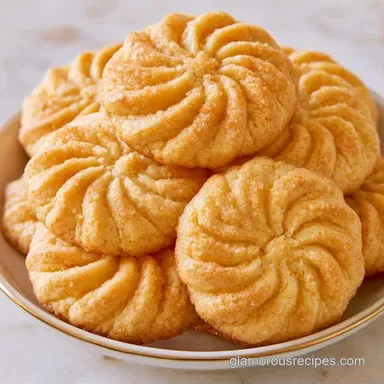
Cream Cheese Spritz Cookies: Buttery with a Creamy Tang
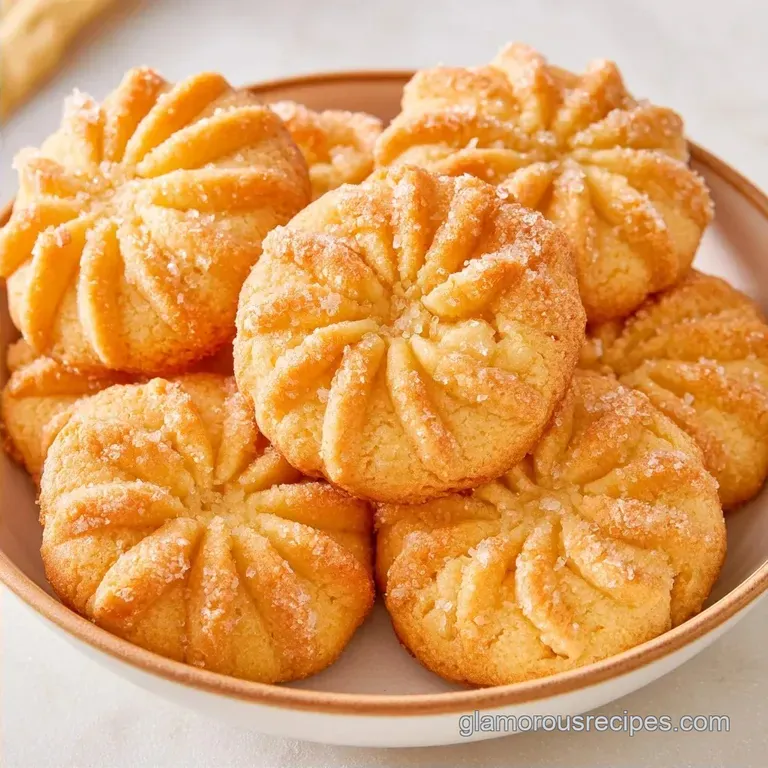
- Time: 20 min active + 12 min baking
- Flavor/Texture Hook: Buttery with a subtle, creamy tang
- Perfect for: Holiday cookie platters and tea time
The sharp, metallic click of a cookie press against parchment is a sound I associate with December. There's a specific aroma that fills the kitchen when cream cheese hits a hot oven, something slightly more complex than just vanilla and sugar.
It's a scent that signals the transition from simple baking to something more intentional.
Most old-fashioned spritz recipes demand a grueling overnight chill to keep the dough from puddling. I used to spend hours waiting for butter to firm up, only to have the cookies spread anyway because my kitchen was too warm. It felt like a gamble every time.
These Cream Cheese Spritz Cookies remove that anxiety. By shifting the fat ratio, the dough stays pliable enough to press but firm enough to hold a crisp edge. You get that classic, pressed look with a fraction of the effort.
The Logic of Texture
- The Fat Blend: Cream cheese introduces a different fat structure and slight acidity. This helps the dough resist spreading, meaning you can bake immediately without the traditional overnight chill.
- Cornstarch Effect: Replacing a small amount of flour with cornstarch lowers the overall protein content. This produces a more tender, fragile crumb that snaps cleanly.
| Fresh Cream Cheese | Shortcut (Butter only) | Impact | Savings |
|---|---|---|---|
| Fresh Philadelphia style | All-butter base | More stability, tangier flavor | Higher cost |
| Full fat block | Margarine | Less spread, richer mouthfeel | More time |
Key Recipe Details
Success with this bake depends on a few key figures. Set your oven to exactly 350°F and bake for 10-12 minutes, using precisely 250g of flour. Too much flour results in dough that is too stiff to shape, whereas too little causes the forms to blur into blobs.
Quick Decision Guide: Want more citrus? → stir in 1 tsp lemon zest Prefer chocolate? → substitute 1/4 cup flour for cocoa powder For brighter colors? → use gel-based food coloring
Ingredient Breakdown
| Component | Purpose | Substitute Notes |
|---|---|---|
| Unsalted Butter | Primary fat and flavor | Salted butter works if you halve the added salt |
| Cream Cheese | Structure and tang | Mascarpone works but increases spread |
| Cornstarch | Tenderizing agent | Arrowroot powder as a 1:1 swap |
| Powdered Sugar | Sweetness and smoothness | Superfine sugar works but may be slightly grainier |
Choosing the Right Fats
For this recipe, use a block style cream cheese rather than the spreadable tub version. The tub version has more water and air, which disrupts the emulsion and can lead to cookies that flatten out too much in the oven.
Selecting the Flour
All purpose flour provides the necessary gluten for the cookie to hold its shape. If you want a more delicate result, sifting the flour with the cornstarch is not optional. It ensures no lumps interrupt the flow of the cookie press.
Ingredients & Substitutes
- 1/2 cup (115g) unsalted butter, softened Purpose: Delivers the signature shortbread snap
- 4 oz (115g) cream cheese, softened Purpose: Helps the dough hold its shape when pressed
- 1 cup (120g) powdered sugar Purpose: Ensures a fine, velvety texture
- 1 tsp (5ml) vanilla extract Purpose: Provides a warm, aromatic foundation
- 1/4 tsp (1.5g) salt Purpose: Balances the richness of the fats
- 2 cups (250g) all purpose flour Purpose: The primary structural element of the cookie
- 2 tbsp (16g) cornstarch Purpose: Softens the bite for a more tender crumb
- 1/4 cup (30g) colored sugars or sprinkles Purpose: Creates a festive, colorful appeal
Necessary Tools
A cookie press is the star here, but a sturdy stand mixer such as a KitchenAid makes the creaming process much faster. You'll also need a digital scale for the flour to ensure consistency.
I highly recommend using silicone mats over parchment. The cookies release more cleanly, and the mats provide a more consistent heat distribution across the bottom of the treat.
The Baking Process
Prepping the Oven and Trays
Heat the oven to 350°F (175°C). Line your baking sheets with parchment paper or silicone mats.
Creaming the Fats
In a large bowl, beat the softened butter and cream cheese together. Mix until the combination is velvety and free of lumps. Note: Using room temperature fats prevents the mixture from splitting.
Adding the Sweetener
Gradually add the powdered sugar, vanilla, and salt. Beat on medium high until the mixture looks pale and fluffy.
Incorporating the Dry Ingredients
Sift the flour and cornstarch together. Slowly add the dry mixture to the creamed fats on low speed. Mix only until the flour streaks disappear. Note: Overmixing creates too much gluten, making the dough rubbery.
Pressing the Shapes
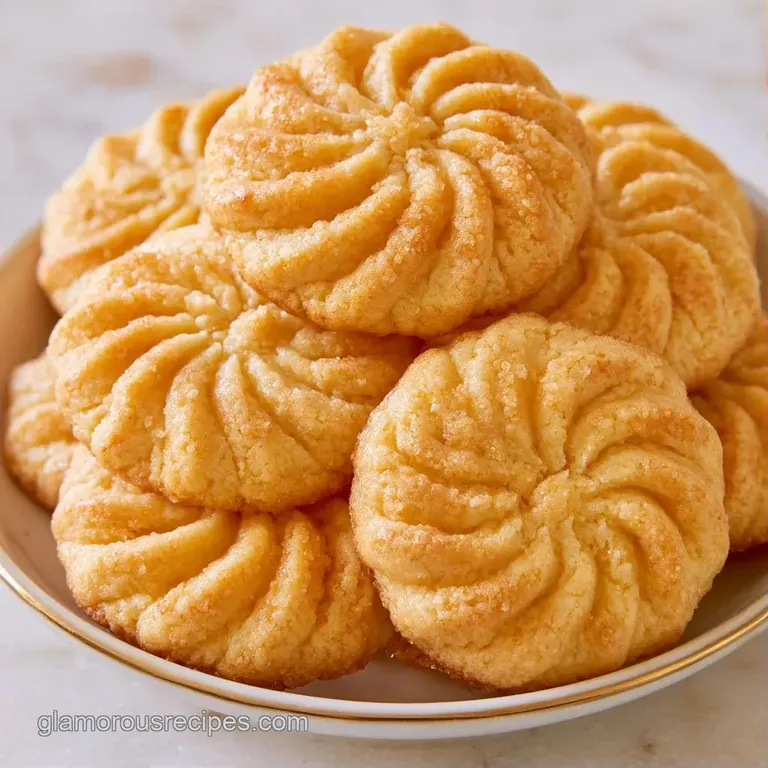
Load the dough into a cookie press. Press firmly onto the parchment paper, spacing the shapes about 1 inch apart.
Adding the Flare
Quickly sprinkle colored sugars or festive sprinkles onto the raw dough before baking.
Baking to Perfection
Bake for 10-12 minutes until the edges are just barely set and the centers remain a pale cream color.
Cooling the Cookies
Allow the cookies to cool on the sheet for 5 minutes. Transfer them to a wire rack to finish cooling.
Solving Common Issues
If your dough feels a bit too soft, don't panic. It usually happens if the butter was too warm. A quick 10 minute rest in the fridge is usually enough to firm it up. If the press is clogging, you likely have a pocket of unmixed butter.
Fixing Runny Dough
When the dough is too soft, the cookies will lose their definition. This is often caused by high kitchen temperatures. Chill the dough for 10 minutes.
Resolving Press Clogs
Clogs happen when the dough is unevenly mixed or too cold. If the dough won't exit the press, warm the press head slightly with a hairdryer or gently knead the dough by hand.
Correcting Excessive Spread
If the cookies flatten too much, the cream cheese may have been too soft or the oven too low. Ensure your oven is preheated fully and use block cream cheese.
| Problem | Root Cause | Solution |
|---|---|---|
| Cookies are flat | Butter/cheese too warm | Chill dough 10 mins |
| Dough is crumbly | Not enough fat | Add 1 tbsp softened butter |
| Press is sticking | Flour under mixed | Knead dough briefly by hand |
Flavor Adaptations
You can easily pivot this recipe for different seasons. For a bright, citrusy version, fold in 1 teaspoon of fresh lemon zest and replace the vanilla with lemon extract. These Lemon Cream Cheese Spritz Cookies are a hit in the spring.
For a richer profile, replace 2 tablespoons of flour with high-quality cocoa powder. This creates Chocolate Cream Cheese Spritz Cookies that pair beautifully with a glass of cold milk. If you love the taste of the raw mixture, you might enjoy my Edible Cookie Dough Recipe for One for a quick snack.
Adding a Glaze
Drizzle a simple glaze of powdered sugar and a splash of milk over the cooled cookies. Let it set for 20 minutes before serving.
Keeping Them Fresh
Keep these cookies in a single layer, using parchment paper to separate the rows. They will remain fresh in a room temperature container for approximately 5 days. Since they contain cream cheese, refrigerating them is also an option to keep that signature tang.
For longer preservation, store the finished cookies in the freezer for as long as 3 months. To enjoy them again, allow them to thaw for 30 minutes on the counter. I use this same method for my Applesauce Oatmeal Cookies to keep the texture perfect.
Zero Waste Tip: If you're left with a tiny bit of dough that doesn't fit in the press, simply roll it into a ball and press it down with a fork. It will bake just like the pressed cookies.
Presentation Levels
Since these have such a precise shape, the way you present them changes the entire vibe.
Simple Home Style
Pile the cookies naturally on a ceramic platter. This works for casual holiday get togethers where people can grab and go.
Polished Host Style
Arrange the cookies in a clean linear row on a white marble slab. Dust the entire arrangement with a fine layer of powdered sugar for a snow covered look.
Restaurant Pastry Style
Build a tiered cookie tower using a cake stand. Alternate the flavors and nestle a few fresh raspberries and mint leaves between the cookies to add a pop of color and freshness.
| Level | Layout | Garnish | Vibe |
|---|---|---|---|
| Simple | Random pile | None | Casual |
| Polished | Linear row | Powdered sugar | Elegant |
| Restaurant | Tiered tower | Fresh berries | Luxury |
Common Baking Myths
While some believe spritz dough requires a 24-hour chill to maintain its form, it isn't necessary here. Thanks to the cream cheese, the dough has a stability that butter alone cannot provide, making it ready for the oven immediately.
You might also hear that increasing the sugar helps the cookies keep their shape. Actually, excessive sugar can lead to more spreading since it liquefies when heated. Be sure to use exactly 120g of powdered sugar.
Recipe FAQs
What is the trick to making spritz cookies?
Use a cookie press to create uniform shapes quickly. This ensures consistent baking and a professional look every time.
Share some tips for making cream cheese spritz cookies?
Ensure your butter and cream cheese are fully softened before beating. This creates a velvety base that avoids lumps in the dough.
Which problems occur most with cookie presses?
Dough sticking to the disk is the most frequent issue. Lightly grease the disk or use a small amount of flour to help the dough release.
Can I use cold cream cheese instead of softened?
No, cold ingredients will create lumps in your batter. Softened fats emulsify better, which is a technique similar to how we create the smooth base in our homemade alfredo sauce.
Why did my cookies spread in the oven?
Overworking the flour or using overly melted fats usually causes spreading. Mix only until the flour streaks disappear to keep the structure firm.
How do I store these cookies to keep them crisp?
Place them in a sealed container once they have cooled completely. This prevents moisture from softening the tender cornstarch crumb.
Is it true that spritz dough must chill overnight?
Not true. The cream cheese provides enough stability to allow for immediate baking without a long wait.
Do these cookies need a specific baking temperature?
Set your oven to 350°F (175°C) for the best results. Bake for 10 12 minutes until edges are just barely set.
Cream Cheese Spritz Cookies