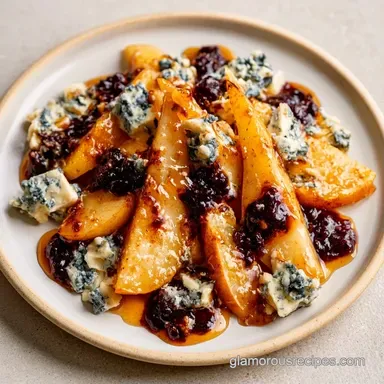
Blue Cheese Platter with Bosc Pear

- Time: 15 min active + 45 min resting (for cheese temperature)
- Flavor/Texture Hook: Pungent, creamy, and crisp
- Perfect for: Wine nights, holiday appetizers, or bold snack cravings
Whenever the aroma of a strong Roquefort fills the air, I'm transported back to rainy Friday evenings. I once feared these cheeses were far too "loud" for a simple gathering, but I eventually learned to view the blue cheese as a foundational base note rather than the entire composition.
The whole experience comes together once you introduce the right balance of crunch and sweetness. You don't need professional culinary training to succeed, just a solid board and a few brave selections. This platter serves as a striking centerpiece that tastes even better than it appears.
The appeal lies in the variety of textures. Between the crunch of toasted nuts, the crispness of a Bosc pear, and the buttery richness of Gorgonzola, it's a daring way to present intense flavors without overpowering the senses.
Blue Cheese Platter Recipe Specs
This is a no cook assembly, but the timing is key. You can't just pull cheese from the fridge and serve it. Let it sit out for about 45 minutes. This lets the fats soften, which makes the flavor bloom and the texture more spreadable.
The prep takes 15 minutes, but the total time of 60 minutes includes that essential resting period. It serves 4 people comfortably as an appetizer.
| Budget Level | Key Difference | Impact | Savings |
|---|---|---|---|
| Premium | Roquefort & Serrano Ham | Higher salt, deeper funk | $0 |
| Mid Range | Stilton & Prosciutto | Balanced, classic taste | $5-8 |
| Budget | Local Blue & Salami | Milder, more accessible | $12-15 |
Ingredient Deep Dive
The goal here is contrast. If everything is creamy, it's boring. If everything is salty, it's exhausting. We use the pear and honey to create a bridge between the funk of the cheese and the salt of the meat.
| Ingredient | What It Does | Best Swap |
|---|---|---|
| Gorgonzola Dolce | Adds creamy, mild sweetness | Mascarpone with blue veins |
| Roquefort | Provides the salty, sharp punch | Stilton or Danish Blue |
| Bosc Pear | Brings a crisp, floral sweetness | Granny Smith apple or dried figs |
| Raw Honey | Neutralizes the saltiness | Maple syrup or apricot jam |
Selecting the Blue Cheeses
I like using two different types. Gorgonzola Dolce is almost like a spread, while Roquefort is crumbly and aggressive. Having both on the board gives guests a choice of intensity.
Adding the Sweetness
The honey and fig jam aren't just for flavor, they act as lubricants for the palate. A dip of honey before a bite of Roquefort prevents the salt from taking over your whole mouth.
Introducing the Crunch
Toasted walnuts are non negotiable. The bitterness of the walnut skin complements the blue mold. You can use pecans for a sweeter, oilier crunch.
Must Have Assembly Tools
Professional gear isn't necessary, though certain tools can simplify the process. A slate platter or wooden board is ideal since they stay put on the counter.
Steer clear of plastic trays if possible. Wood offers a more natural aesthetic and better breathability. Grab a few small ramekins for the jam and honey; this keeps the liquids separate so your crackers stay crisp.
Use a sharp paring knife for the pear. Aim for thin, consistent slices to ensure the fruit doesn't overwhelm the cheese.
Putting the Board Together
- Slice the Bosc pear into thin, uniform crescents. Note: Toss them in a squeeze of lemon juice if you aren't serving immediately to keep them white.
- Cut the Roquefort into irregular wedges to create height on the board.
- Leave the Gorgonzola Dolce in a rustic block. Note: This makes it easier for people to scoop it with a cracker.
- Place the ramekins of honey and fig jam on the board first. These act as anchors for the rest of the items.
- Position the cheese wedges at opposite ends of the board. Wait until the cheese looks glossy and soft before placing.
- Fan the prosciutto in ribbons between the cheese and the jam.
- Arrange the pear slices in a curving line to lead the eye across the board.
- Fill the remaining gaps with toasted walnuts and clusters of crackers. Continue until the board looks lush and overflowing.
Avoiding Kitchen Disasters

Fixing Brown Pears
Nothing ruins a Blue Cheese Platter faster than oxidized, brown fruit. The acid in lemon juice stops the enzyme reaction. Just a quick dip or a light spray of lemon water keeps the pears ivory white for hours.
Stopping Flavor Overlap
Blue cheese is pungent and can "bleed" into other items. Keep the jam and honey in separate bowls. If you put the honey directly on the board, it will soak into the crackers and change their flavor profile.
Managing Cheese Temperature
If the cheese is too cold, it tastes like wax. If it's too hot, the Gorgonzola will turn into a puddle. Aim for a room temperature of about 68-72°F. If it starts to sweat, just dab it with a paper towel.
Handling Overpowering Funk
If a guest finds the Roquefort too strong, suggest they pair it with a piece of pear and a heavy glob of fig jam. The sugar acts as a buffer, masking the most aggressive notes.
Alternative Mixes and Swaps
For a more savory version, swap the pear for cornichons or pickled red onions. This turns the board into something a bit more acidic and sharp. If you're looking for something lighter, a Homemade Caesar Salad makes a great side dish to balance the richness of the cheese.
Creating a Spicy Twist
Try adding a drizzle of "hot honey" (honey infused with chili) instead of raw honey. The heat cuts through the fat of the Gorgonzola and adds a modern edge to the Blue Cheese Platter.
Adapting for Nut Allergies
If walnuts aren't an option, toasted pumpkin seeds or sunflower seeds provide the same earthy crunch. Dried apricots also fill those gaps on the board and add a chewy texture.
Changing the Fruit Profile
Bosc pears are great, but sliced persimmons or fresh grapes work wonders. Grapes provide a burst of juice that cleanses the palate between different types of cheese.
Storing Your Leftovers
If you have remnants of your Blue Cheese Platter, don't just put the whole board in the fridge. The crackers will get soft and the fruit will wilt.
Store the cheeses in parchment paper, not plastic wrap. Plastic can suffocate the mold and change the taste. They'll keep in the fridge for about 7 days. The prosciutto can stay in its original packaging for another week.
As for zero waste, don't toss the leftover pear cores or walnut shells. The pear cores can go straight into a compost bin. If you have a bit of blue cheese left that's too small for a board, crumble it into a salad or melt it over a steak for dinner the next night.
Best Drinks and Sides
A Blue Cheese Platter needs a drink that can stand up to the funk. A sweet dessert wine, like a Sauternes or a Port, is the classic choice. The sugar in the wine mirrors the honey on the board.
For something more refreshing, try a dry sparkling wine. The bubbles scrub the palate clean of the heavy cheese fats. If you're serving a full meal, a side of Sourdough Focaccia provides a salty, bready base that handles the blue cheese perfectly.
Balancing Salt and Sugar
Keep the ratios in mind. For every salty bite of ham or Roquefort, there should be a sweet counterpoint. This is why the honey is so important. It keeps the experience from becoming too salty.
Contrasting Creamy and Crisp
The sensory appeal here is the collision of textures. The velvety feel of the Gorgonzola against a hard artisan cracker creates a satisfying contrast that keeps you reaching for more.
The Trick Behind the Texture
The secret to this Blue Cheese Platter is a "flavor bridge." Since blue cheese is naturally salty and pungent, pairing it with raw honey and pears allows the sugar to neutralize the salt and soften those aggressive notes.
It's all about achieving harmony. The cheese provides a fatty base that carries the taste, while the fruit's acidity and the walnuts' texture cut through the richness. This keeps any one element from taking over, making even the most intense cheeses feel balanced.
Decision Shortcut
- Too salty? → add more honey or pear
- Too bland? → swap Gorgonzola for a sharp Stilton
- Too mushy? → add more toasted walnuts or a firmer baguette
You're now ready to create a sophisticated spread that looks elaborate but requires minimal effort. Just be sure to let the cheese come to room temperature before serving. Trust me, waiting a bit is the toughest part, but it's essential for the flavors to truly bloom.
Recipe FAQs
What ingredients pair best with blue cheese on a platter?
Sweet elements like honey, fig jam, and Bosc pear cut through the pungency.
Tip: Use lemon juice on sliced pears to stop them from browning.
Does the 3 3 3 rule apply to a blue cheese board?
No, this is a common misconception. This specific platter focuses on intensifying blue cheese flavors rather than a generic balanced ratio.
Tip: Prioritize contrast in textures over strict number counts.
Which sweet additions balance the saltiness of blue cheese?
Honey and fig jam provide a sugary contrast to the sharp Roquefort.
Tip: Place these in small ramekins to keep the board tidy.
What is the best way to arrange blue cheese for a professional look?
Position firmer cheeses as wedges and keep creamier blocks rustic for scooping.
Tip: Place the cheeses at opposite ends of the board for better accessibility.
Can toasted nuts improve the platter's texture?
Toasted walnuts or pecans add an essential crunch to the board.
Tip: Toast the nuts lightly in a pan to release their oils and aroma.
Which proteins complement a variety of blue cheeses?
Prosciutto or Serrano ham adds a salty, savory depth.
Tip: Fan the meat in ribbons to create visual volume.
How to build this specific blue cheese platter?
Start by anchoring the board with honey and jam ramekins.
Tip: If you enjoyed balancing rich, salty flavors here, the same profile works in our baked tortellini casserole.
Is it true that a cheese board must be called a charcuterie board?
That's a myth. A cheese board focuses on dairy, while charcuterie specifically refers to cured meats.
Tip: Use both terms interchangeably in casual settings, but know the difference for formal menus.
Blue Cheese Platter in 30 Minutes