Frozen Margarita: the Ultimate 6-Minute Recipe for a Perfect Slush
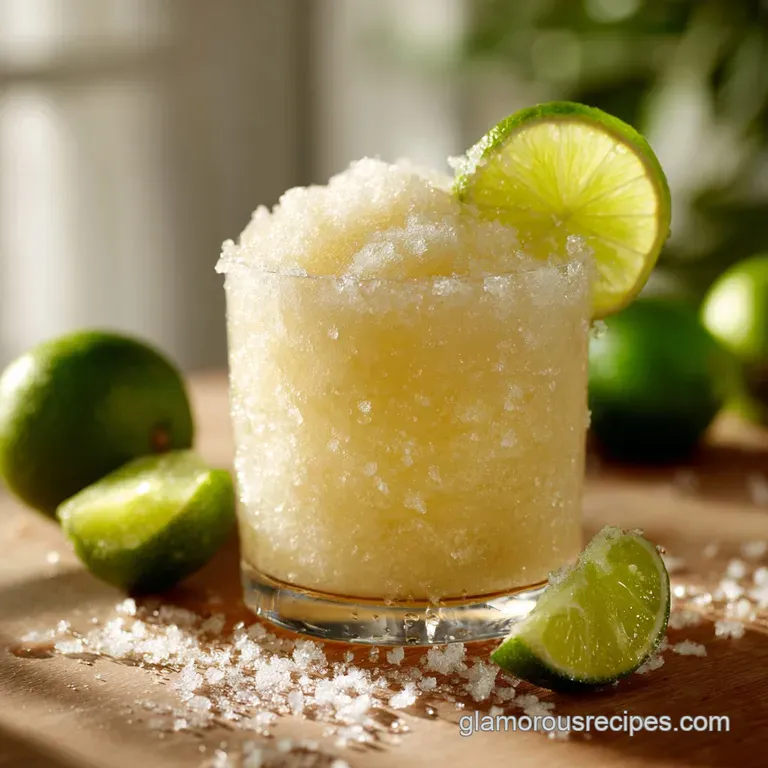
- The Zesty Zenith: Mastering the Classic Frozen Margarita
- The Science of Slush: Achieving the Perfect Margarita Texture
- Essential Components: Ingredients for the Ultimate Frozen Margarita
- The Blending Blueprint: Step-by-Step Guide to Making a Frozen Margarita
- Pro Tips and Troubleshooting Common Frozen Margarita Fails
- Making Ahead and Saving Leftovers: Storage Solutions
- Recipe FAQs
- 📝 Recipe Card
The Zesty Zenith: Mastering the Classic Frozen Margarita
Seriously, that first sip of an ice-cold, perfectly balanced frozen margarita is pure summer bliss. The sharp, cold slap of fresh lime immediately cuts through the day, delivering the bright, earthy warmth of quality tequila.
When that salt hits your tongue and the ice crystals melt smoothly, it’s like pushing the reset button on reality.
I’m talking about the real deal here not that neon green, syrupy headache they serve at chain restaurants. This is the kind of cocktail that requires zero shaking skills and zero fancy gear (just a good blender, thank goodness).
It’s fast, incredibly cheap compared to bar prices, and it absolutely saves hot days, lazy afternoons, and impromptu gatherings.
We are going to ditch the watery disappointment and master the science of the slush. Trust me, once you understand the simple ratio and how to properly load your blender, you’ll never look back. Let’s get blending and make the ultimate classic frozen margarita recipe.
The Science of Slush: Achieving the Perfect Margarita Texture
Moving Beyond the Mix: Why Fresh Ingredients Matter
Look, I get it; bottled margarita mix is easy. But using fresh lime juice and premium tequila is the difference between a high school party punch and an actual adult cocktail. Fresh lime juice contains aromatic oils and crisp acidity that bottled versions just can't replicate, period.
You need that zing to balance the strong flavors of the tequila and the sweetness of the agave.
Difficulty and Time Commitment Overview (2 Minutes Prep, 60 Seconds Blend)
If you can measure liquids, you can master this. The total active time is maybe five minutes, start to finish, assuming your limes are already juiced. We are talking instant gratification here. You literally dump, blend, and sip; it couldn't be easier if a robot did it for you.
What Makes This Frozen Margarita Recipe the Ultimate Refresher?
It’s all about balance and temperature control. We use specific ratios of alcohol, acid, and sugar to achieve peak flavor, but the real magic is the massive amount of ice. We need the ice to break down completely without turning the whole mixture watery, resulting in that thick, spoonable texture that holds up against the heat.
Balancing Act: The Crucial 3:2:1 Tequila Lime-Sweetener Ratio
The standard cocktail wisdom for a perfect margarita is 3 parts tequila, 2 parts lime, and 1 part sweetener/liqueur. This recipe adheres to that closely, slightly tweaking the sweetener because ice dilutes flavor.
This classic 3:2:1 ratio ensures your drink is tart, punchy, and robust enough to stand up to the frozen state. Stick to the numbers and you won't end up with tequila flavored snow cone syrup.
Why Cubed Ice is Superior for Blending (Avoiding Watery Results)
Avoid using crushed ice if you can, because it melts way too fast, introducing excess water too early. Standard ice cubes actually help the blender blades work effectively, creating a smoother, denser slush. Using solid cubes gives you more control over the final texture and keeps the drink colder longer.
The Role of Agave Nectar in Freezing Point Depression
This is the sneaky chemistry part. Alcohol (Tequila, Triple Sec) and sugar (Agave) lower the freezing point of water. This means the mixture stays slushy and smooth instead of freezing solid into a rock. If your margarita is turning out too hard, you probably need a touch more agave or orange liqueur.
This little bit of sugar is necessary to keep that texture perfect.
Essential Components: Ingredients for the Ultimate Frozen Margarita
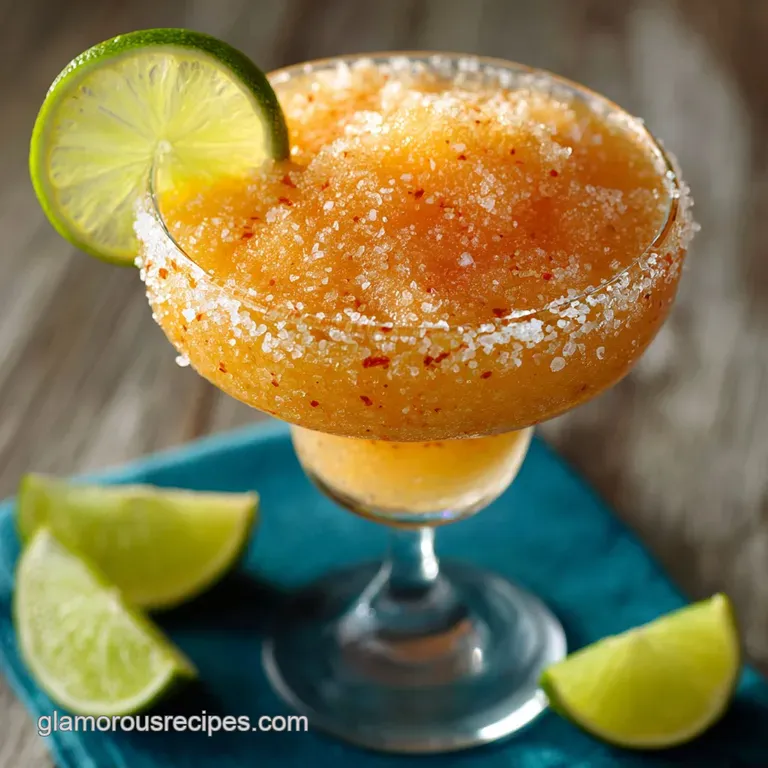
Selecting the Best Tequila for Blended Cocktails
Blanco (silver) tequila is your best friend here. It’s unaged, bright, and maintains that aggressive agave flavor beautifully, even when chilled. While you don't need top-shelf, please avoid anything labeled "gold" unless you know it's a quality, aged reposado —the cheap stuff often has added caramel coloring and sugar, which dulls the flavor.
Always look for "100% Agave."
Fresh vs. Bottled Lime Juice: A Flavor Showdown
There is no substitute. Bottled lime juice is flat, slightly metallic, and tastes like chemicals compared to fresh juice. Seriously, go buy the limes. Juicing them takes sixty seconds, and it is the single most important factor determining success.
Alternative Sweeteners and Triple Sec Substitutions
Agave nectar is traditional because it’s derived from the same plant as tequila, but feel free to swap things up.
| Component | Standard | Viable Substitute |
|---|---|---|
| Orange Liqueur | Cointreau or Triple Sec | Grand Marnier (richer, slightly sweeter) |
| Agave Nectar | Agave Nectar | Simple Syrup (1:1 sugar/water) or Monk Fruit Syrup (if watching calories) |
| Tequila | Blanco/Silver Tequila | Mezcal (for a smoky flavor profile) |
Chef's Note: If you’re trying to keep the calories down, check out the simple ratio adjustments I use in my popular Skinny Margarita: The Zesty, Low-Calorie Recipe (Only 160 Calories) . You might need slightly less ice if using sugar alternatives.
Ingredient Proportions: Scaling the Recipe (1x, 2x, 4x)
This recipe makes two very generous cocktails. Scaling is simple because we are using that beautiful 3:2:1 logic. Just make sure your blender can handle the volume! Don't overcrowd the blender carafe, or you'll end up with chunks at the bottom.
The Blending Blueprint: step-by-step Guide to Making a Frozen Margarita
Prepping the Glass: The Optimal Salt Rim Technique
People often fail the rim by dunking the whole thing, leading to salt in the actual drink. Don't do that. Take a lime wedge and rub it only along the outer edge of the glass rim.
Then, gently roll the outer rim in coarse Kosher salt or sea salt (mixed with a tiny bit of lime zest, if you’re feeling fancy). Chill those glasses in the freezer while you blend; this keeps the drink cold longer.
Optimizing the Load Order in the Blender
This is crucial for preventing blender lock-up. You always want to load the liquids first, followed by the ice . The liquids (tequila, lime juice, liqueur, agave) create a vortex for the blades to catch the ice immediately.
- Pour in Tequila, Lime Juice, Orange Liqueur, and Agave.
- Add the 3 cups of ice cubes last.
Achieving Peak Slush Consistency (Avoiding Thick or Icy Chunks)
Start the blender on a low setting for 5 seconds to crack the ice, then crank it immediately to high. Blend continuously, but keep an eye on it. You need to see a smooth, churning vortex not solid ice chunks spinning wildly.
If it starts seizing up, use your tamper (if you have one) or stop and scrape down the sides, then add a tiny splash more tequila or lime juice to get things moving again.
The Immediate Serve: From Blender to Hand
Frozen margaritas are NOT a make-ahead drink. They need to be consumed almost immediately for that perfect, airy texture. Once you hit the ideal slush, pour it directly into your chilled, salted glasses. Garnish with a lime wheel and enjoy the immediate gratification.
Pro Tips and Troubleshooting Common Frozen Margarita Fails
When to Add More Ice vs. More Liquid (Consistency Check)
If your drink is too thick and chunky (like a lumpy smoothie), you need more liquid. Add 1/2 oz of tequila or lime juice to help the blending process. If your drink is too runny and watery (it’s thin and the salt rim is dissolving quickly), you added too much liquid, or your ice melted too fast.
The fix? Toss in 1/2 cup more ice and pulse immediately.
Taming the Blender Beast (Preventing Overheating)
Blenders heat up incredibly quickly when running on high, especially if they are struggling to process the ice. If you blend for more than 90 seconds non-stop, you are warming up your drink! Pulse if you need to; don't just let the motor scream for minutes.
The Key to a Crisp, Non-Diluted Flavor
Use high-quality ice, not old ice that smells like your freezer. For the crispiest flavor, I often chill my liquid ingredients (tequila, etc.) in the fridge for an hour before blending. Starting with cold liquids means less melting when the blades start spinning.
Making Ahead and Saving Leftovers: Storage Solutions
Flash Freezing for Future Use (The ‘Margarita Block’ Method)
Did you accidentally make too much? Don't pour it out! Pour the excess frozen margarita mixture into a small, freezer safe container, cover it tightly, and freeze it. This creates a solid "Margarita Block" (or popsicles, if you’re feeling fun). It will be rock solid because of the high alcohol content.
How to ‘Revive’ a Stiffly Frozen Leftover Batch
To serve your Margarita Block later, you can't just scoop it. Place the frozen chunk back in the blender with a tiny splash (1 oz) of fresh lime juice and 2 new ice cubes. Pulse it slowly until it breaks up and returns to its slushy state. This process adds back the necessary air and liquidity.
Shelf Life and Best Practices for Batch Preparation
While freezing works for storage, freshly blended is always best. If you absolutely must batch prepare for a party, blend the mixture up to an hour ahead and store it in an insulated thermal carafe (like a high-quality coffee dispenser). This holds the cold surprisingly well without letting the ice completely separate.
You can expect a maximum of 2 hours of decent texture before it needs remixing.
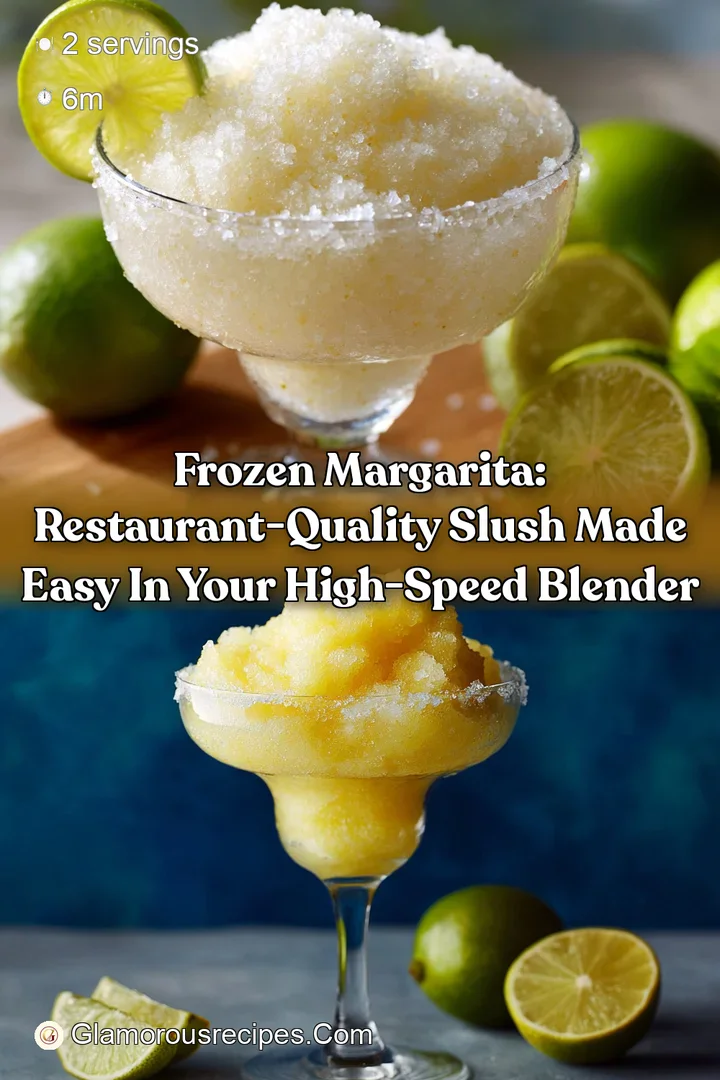
Recipe FAQs
Why did my frozen margarita turn out too watery or thin?
This texture issue typically arises from an incorrect ice-to-liquid ratio or over blending, which generates friction and melts the ice rapidly. To prevent this, ensure your liquid ingredients are well chilled before blending, and use standard, fresh ice cubes rather than pre-crushed ice.
If it is already too thin, add another half cup of ice cubes and pulse briefly until the mixture achieves a snow like texture.
What type of tequila is best for a frozen margarita, and can I substitute the orange liqueur?
Blanco (Silver) tequila is generally recommended as its clean, unaged profile allows the fresh lime and citrus flavors to truly shine through, making it the classic choice for margaritas.
You can omit the orange liqueur (like Triple Sec or Cointreau), but you must replace the lost volume with an equal amount of simple syrup or agave nectar mixed with a splash of water to maintain sweetness and balance.
My margarita tastes too tart or sour. How do I balance the acidity?
Tartness indicates an imbalance between the acid (lime juice) and the sugar (sweetener). To correct this, add simple syrup or agave nectar one teaspoon at a time while the blender is running until the flavor mellows.
Alternatively, increasing the amount of orange liqueur can also introduce necessary sweetness and depth.
Can I prepare the margarita mix ahead of time, or does it have to be made fresh?
You can absolutely prepare the liquid base the tequila, lime juice, and sweeteners up to three days in advance and store it, covered, in the refrigerator. When you are ready to serve, simply pour the chilled liquid mixture into the blender with the necessary amount of ice and blend until smooth.
Never add the ice until the moment of blending to ensure the best texture.
How can I make a flavored margarita variation, such as strawberry or mango?
To infuse fruit flavor, replace roughly half of the plain ice cubes required in the recipe with the equivalent volume of frozen fruit chunks, such as strawberries, pineapple, or mango.
Using frozen fruit instead of fresh fruit ensures the final drink remains thick and cold without the need to excessively water it down with ice. You may also need to adjust the sweetener slightly depending on the natural sweetness of the fruit used.
What is the best technique for blending to ensure a smooth, restaurant quality slush consistency?
Always add the liquid ingredients to the blender pitcher first, followed by the ice, which helps the blades catch and pull the contents downward efficiently. Start by pulsing the mixture several times to break down the largest ice chunks before switching to a high, continuous blend setting.
Stop blending immediately once the texture is uniform and thick to prevent heat from the motor melting the mixture.
Is it possible to make this recipe non-alcoholic while retaining the flavor profile?
Yes, you can substitute the tequila with an equal amount of quality non-alcoholic distilled spirit designed to mimic the complexity of agave or simply use cold water. For the orange liqueur, replace it with a non-alcoholic orange syrup or triple sec alternative to maintain the essential citrus flavor and sweetness.
Be sure to use 100% fresh lime juice, as that flavor is critical to the drink’s structure.
Ultimate Easy Classic Frozen Margarita Recipe
Ingredients:
Instructions:
Nutrition Facts:
| Calories | 280 kcal |
|---|---|
| Fat | 0 g |
| Fiber | 0 g |
