The Ultimate Butter Chicken Recipe
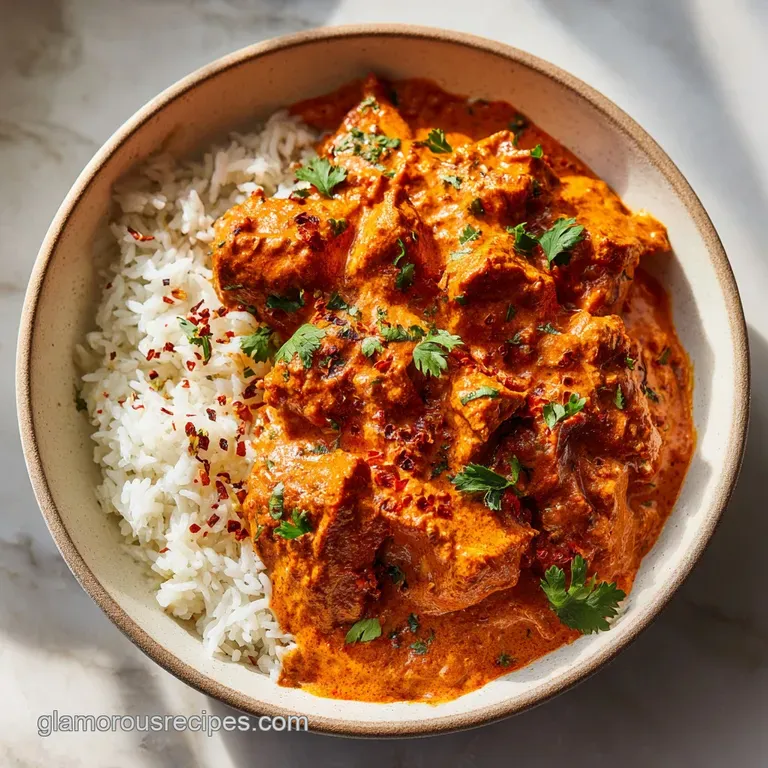
- Time: Active 20 minutes, Passive 25 minutes, Total 45 minutes
- Flavor/Texture Hook: Velvety, smoky tomato cream with charred chicken
- Perfect for: Impressing guests or a cozy Friday night dinner
- The Ultimate Butter Chicken Recipe Success
- Why This Works
- Precision Specs and Cooking Times
- Selecting High-Quality Flavor Components
- Must Have Gear for Velvety Results
- Layering Flavors Step by Step
- Fixes for Sauce and Texture
- Diet Swaps and Global Fusions
- Scaling and Batch Cooking
- Myth: Searing Seals in Juice
- Myth: Butter Chicken Must Be Spicy
- Storage and Smart Leftover Ideas
- Bold Pairings and Serving Ideas
- HIGH in Sodium
- Recipe FAQs
- 📝 Recipe Card
The Ultimate Butter Chicken Recipe Success
The first time I tried a truly great makhani, I was in a crowded alley in Old Delhi. The air was thick with the scent of charcoal and roasting spices, and when that bowl hit the table, the sauce didn't just sit there. It glowed.
It was a deep, vibrant orange, shimmering with a thin layer of ghee, and the chicken was so tender it practically dissolved on my tongue. I went home and spent months trying to mimic that exact balance of tangy tomato and silky fat.
You know how most home versions end up looking like a thin, watery soup or a gritty mess? I’ve made those mistakes so you don’t have to. The secret isn't just dumping cream into a pan. It’s about how you treat the spices and how you finish the sauce.
We’re going for a fusion of traditional techniques and home kitchen reality. This isn't just another dinner, it’s a total flavor experience that’ll make you want to lick the plate clean.
Honestly, don’t even bother with low-fat yogurt or milk for this one. We’re looking for that specific, mouth coating richness that only comes from full fat Greek yogurt and heavy cream. Trust me on this, the texture is everything.
Once you see that sauce come together, swirling into a velvety pool of spice and silk, you’ll understand why this dish has conquered the world. Let’s get into the details so you can nail it on the first try.
Why This Works
- Lactic Acid Tenderization: The Greek yogurt in the marinade contains lactic acid which gently breaks down protein fibers without making the chicken mushy like vinegar can.
- Fat Soluble Spice Extraction: Searing the marinated chicken in ghee allows the spices to bloom in fat, which carries flavor across your palate much more effectively than water.
- Cold Emulsification: Whisking in cold butter at the very end creates a stable emulsion, giving the sauce that signature "shimmer" and professional thickness.
- Lycopene Concentration: Reducing the tomato purée before adding cream intensifies the natural sugars and creates a deep, savory base that cuts through the richness.
| Cooking Method | Cook Time | Texture Outcome | Best For |
|---|---|---|---|
| Classic Stovetop | 25 minutes | Seared edges, silky sauce | Best flavor/texture balance |
| oven-roasted | 35 minutes | Charred "tandoori" style | Hands off convenience |
| Slow Cooker | 4 hours | Shred apart tenderness | Meal prep and busy days |
Choosing the right method depends on how much you value those little charred bits on the chicken. Personally, I think the stovetop version is the winner because you get to control the reduction of the sauce in real time. If you love that smoky, pan seared vibe, stick with the skillet.
Precision Specs and Cooking Times
Getting the timing right is the difference between a "good" curry and a "wow" curry. You want the chicken to hit that sweet spot where it’s fully cooked but still holding onto all those juices. If you've ever mastered a Garlic Butter Chicken recipe, you know that browning the meat quickly over high heat is the key to locking in flavor.
The Science of the Gloss
The "finish" of this sauce relies on the physics of emulsion. When you add cold butter to a warm sauce, the milk solids and fats disperse slowly, coating the tomato particles. This creates a velvety texture that stays thick instead of separating into an oily layer.
| Component | Science Role | Pro Secret |
|---|---|---|
| Greek Yogurt | Protein Denaturation | Use 5% fat to prevent the marinade from curdling in the pan |
| Tomato Purée | Acidic Foundation | Sauté until it turns a shade darker to remove "raw" metallic notes |
| Kashmiri Chili | Pigment & Aroma | Provides the vibrant red color without the burning heat of cayenne |
Selecting high-quality Flavor Components
- 1.5 lbs boneless, skinless chicken thighs Why this? Thighs stay juicy under high heat unlike breasts
- Substitute: Paneer cubes or cauliflower florets for a vegetarian version.
- 1/2 cup full fat Greek yogurt Why this? Thick consistency clings to chicken for better searing
- Substitute: Plain whole milk yogurt (strain it through a cloth first).
- 1 tbsp lemon juice Why this? Brightens the heavy fats and helps tenderization
- Substitute: Lime juice or white vinegar in a pinch.
- 1 tbsp ginger garlic paste Why this? Essential aromatic base for all North Indian dishes
- Substitute: Freshly grated ginger and garlic in equal parts.
- 1 tsp garam masala Why this? Adds "warmth" and complexity at the finish
- Substitute: A mix of ground cinnamon, cloves, and cardamom.
- 1 tsp ground cumin Why this? Provides an earthy, nutty backbone to the spice profile
- Substitute: Ground coriander for a lighter, more floral scent.
- 1 tsp Kashmiri chili powder Why this? Crucial for the iconic bright red color
- Substitute: 1/2 tsp Paprika mixed with 1/4 tsp Cayenne.
- 1/2 tsp turmeric Why this? Adds a subtle earthiness and golden hue
- Substitute: A pinch of saffron soaked in milk.
- 3 tbsp ghee Why this? High smoke point and rich, toasted buttery flavor
- Substitute: Neutral oil like avocado or grapeseed.
- 1.5 cups tomato purée (passata) Why this? Smooth texture ensures the sauce isn't chunky
- Substitute: Crushed tomatoes blended until completely smooth.
- 1 tsp dried fenugreek leaves (kasuri methi) Why this? The "secret" ingredient for authentic restaurant aroma
- Substitute: A tiny pinch of ground celery seed (but try to find the real thing!).
- 1/2 cup heavy cream Why this? Provides the "makhani" (creamy) finish
- Substitute: Full fat coconut milk for a dairy-free twist.
- 3 tbsp cold unsalted butter Why this? Cold butter creates a stable, glossy emulsion
- Substitute: Vegan butter sticks (ensure they are cold).
Must Have Gear for Velvety Results
You don't need a professional tandoor to make this happen, but a heavy bottomed pan is non negotiable. I usually reach for my cast iron or a heavy stainless steel skillet. These hold heat much better, which means when you drop that cold marinated chicken in, the temperature doesn't plummet.
If the pan stays hot, the chicken sears; if it cools down, the chicken just steams in its own juices and gets rubbery.
You’ll also want a whisk for the final stage. When you're adding the heavy cream and butter, a whisk helps marry the fats into the tomato base much faster than a spoon. It's the difference between a sauce that looks "broken" and one that looks like it came out of a five star kitchen.
Chef Tip: Freeze your ginger garlic paste in ice cube trays. It keeps the flavor punchier than the jarred stuff and you can just pop a cube directly into your marinade.
Layering Flavors step-by-step
- Combine the chicken, yogurt, lemon juice, ginger garlic paste, garam masala, cumin, chili powder, and turmeric in a bowl. Note: Let this sit for at least 30 minutes to allow the acid to work.
- Heat the ghee in a large skillet over medium high heat until it begins to shimmer and smoke slightly.
- Add the chicken pieces in a single layer, working in batches if necessary. Note: Overcrowding will cause the chicken to boil instead of sear.
- Cook the chicken for about 3 minutes per side until the edges are charred and golden.
- Remove the chicken from the pan and set aside, then pour the tomato purée into the same skillet.
- Stir in the sugar and salt, scraping up the browned bits (fond) from the bottom of the pan.
- Simmer the sauce for 10 minutes until the tomato mixture thickens and turns a deep brick red.
- Return the chicken to the pan and stir in the dried fenugreek leaves, crushing them between your palms as you add them. Note: This releases the essential oils in the leaves.
- Lower the heat to medium low and pour in the heavy cream, stirring until the sauce turns a beautiful orange.
- Whisk in the cold butter cubes one at a time until the sauce is glossy and coats the back of a spoon.
If you enjoy the process of letting meat sit in a spiced bath, you might find the technique for a Char Siu Chicken recipe interesting too it uses a similar "marinate and sear" philosophy but with a totally different flavor profile.
Fixes for Sauce and Texture
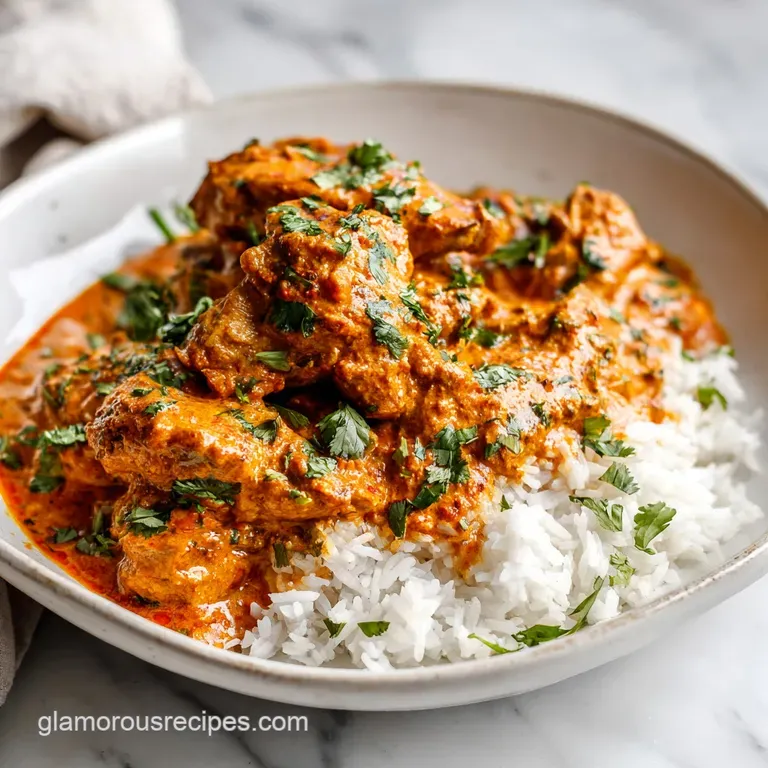
The biggest heartbreak is spending 45 minutes on a dish only to have the sauce separate. Usually, this happens because the heat was too high when the dairy was added. If you see little oily pools forming on top, don't panic.
You can often save it by adding a splash of warm water and whisking vigorously off the heat.
Why Your Sauce Curdled
If the yogurt or cream looks grainy, it’s usually a temperature shock. High acid tomatoes can also react with dairy if they haven't been cooked down enough. Always make sure that tomato base is thick and jammy before the cream hits the pan.
| Problem | Root Cause | Solution |
|---|---|---|
| Grainy Sauce | Yogurt curdled during sear | Whisk in a teaspoon of cornstarch slurry and simmer |
| Too Sour | Tomatoes were too acidic | Add 1/2 tsp more sugar or a splash of cream |
| Thin Sauce | Not enough reduction | Simmer uncovered for 5 more minutes before adding cream |
Checklist for a Flawless Finish:
- ✓ Pat the chicken dry if there's excess moisture before marinating.
- ✓ Crush the kasuri methi (fenugreek) between your palms to wake up the aroma.
- ✓ Use cold butter at the very end never melted butter.
- ✓ Don't let the sauce boil once the heavy cream has been added.
- ✓ Let the dish sit for 5 minutes before serving to let the flavors settle.
Diet Swaps and Global Fusions
If you're looking for a Whole 30 Recipe, you can actually adapt this quite well. Swap the ghee for clarified butter or avocado oil, and use a thick coconut cream instead of the heavy cream and yogurt. You won't get that exact lactic tang, but the spices still carry the dish beautifully.
For a lower carb version, skip the sugar and use a monk fruit sweetener. Butter chicken is naturally quite keto friendly since it relies on fats and proteins. Just be careful with the tomato purée, as some brands add extra sugar. Always read the labels to keep those carbs in check.
Decision Shortcut
- If you want Maximum Creaminess, use 1/2 cup heavy cream and 4 tbsp butter.
- If you want Healthier Options, swap cream for whole milk and reduce butter to 1 tbsp.
- If you want Deepest Color, add an extra teaspoon of Kashmiri chili powder.
Scaling and Batch Cooking
When you're feeding a crowd, this dish is a lifesaver because it actually tastes better the next day. If you're doubling the recipe (3 lbs of chicken), don't just double everything blindly. Increase the spices and salt to about 1.5x first, then taste.
Liquids like the tomato purée can be doubled fully, but you might need to simmer it a bit longer to get that thick consistency.
If you're halving the recipe, use a smaller skillet. A large pan will cause the small amount of sauce to evaporate too quickly, leaving you with a dry curry. For the egg in the marinade (if you chose to add one for extra cling), beat it in a cup and just use half.
Myth: Searing Seals in Juice
A common kitchen legend is that searing meat "seals in the juices" by creating a waterproof crust. Science tells us that's not true moisture loss happens regardless. However, searing is vital because of the Maillard reaction.
Those browned bits on the chicken are where the deep, savory "umami" flavor comes from, which balances the sweetness of the cream.
Myth: Butter Chicken Must Be Spicy
Many people avoid this dish because they think all Indian food is "blow your head off" hot. Authentic Butter Chicken is actually quite mild. The focus is on the "makhani" (buttery) and "tomatoy" flavors. The Kashmiri chili used is more about the vibrant red color and a mild warmth than actual burning heat.
Storage and Smart Leftover Ideas
Storage: This recipe keeps beautifully in the fridge for up to 4 days. In fact, the spices continue to mingle and deepen overnight. Store it in an airtight glass container to prevent the turmeric from staining your plastic ones. To reheat, do it slowly on the stovetop over low heat.
If you microwave it on high, the sauce will break and become oily.
Freezing: You can freeze this for up to 3 months. The texture of the cream might change slightly upon thawing, but a quick whisk while reheating usually brings it back together.
Zero Waste: If you have leftover sauce but no chicken, don't toss it! It makes an incredible base for a "shakshuka" style breakfast. Just crack a few eggs into the simmering sauce and serve with crusty bread.
You can also use the leftover marinade yogurt to tenderize a different meat, like lamb or even thick cut cauliflower steaks.
Bold Pairings and Serving Ideas
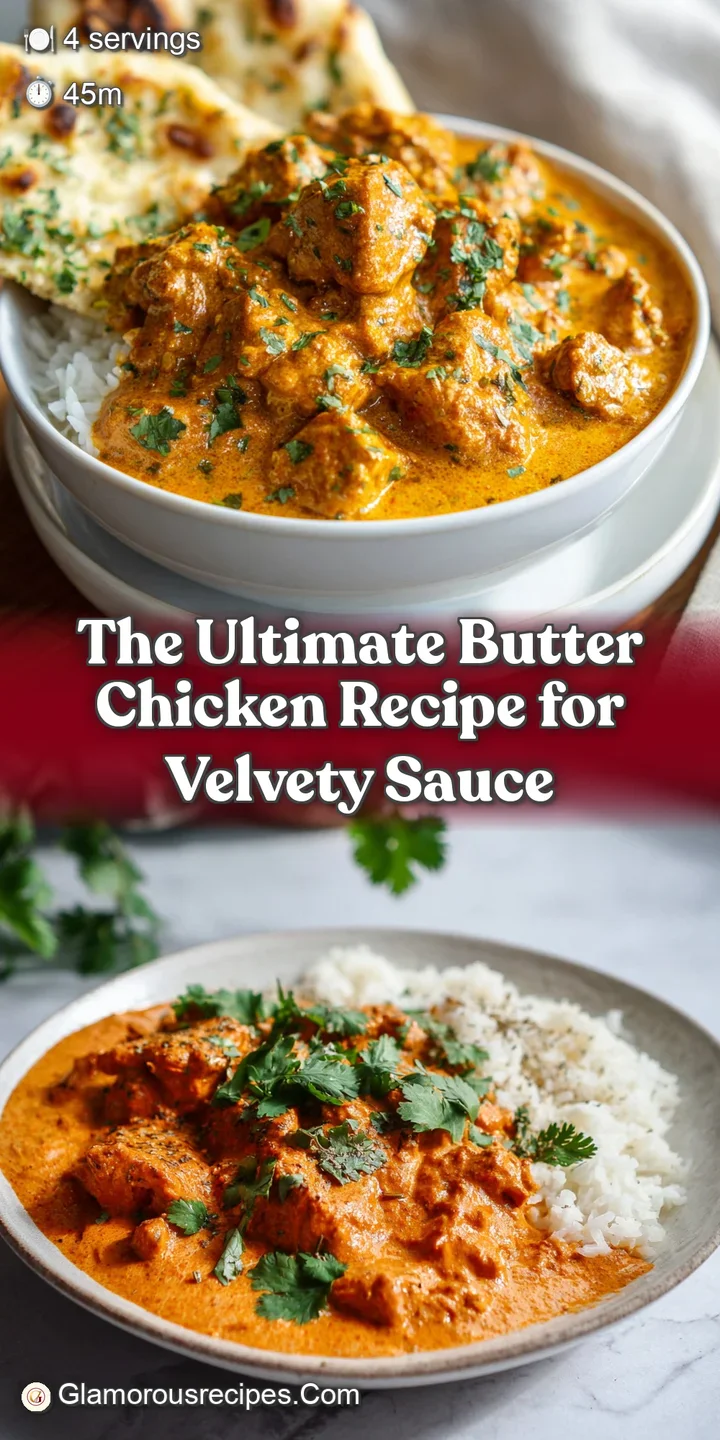
To really level up the experience, serve this with fresh garlic naan or a pile of fluffy basmati rice. I like to garnish mine with a heavy hand of cilantro and a few extra swirls of cream for that restaurant look.
If you want a bit of crunch, some pickled red onions on the side provide a sharp contrast to the rich, velvety sauce.
Right then, you're ready to tackle the kitchen. This dish is all about the layers the char of the sear, the acidity of the tomato, and that final, silky hug of butter. Don't rush it, enjoy the smells, and definitely don't skip the fenugreek. Let's crack on!
HIGH in Sodium
840 mg 840 mg of sodium per serving (37% 37% of daily value)
The American Heart Association recommends limiting sodium intake to about 2,300mg per day.
Tips to Reduce Sodium in Your Chicken Tikka Masala
-
Reduce Added Salt-25%
Eliminate or halve the 1 tsp of added salt. Taste and adjust other spices to compensate for the lost flavor.
-
Sodium Free Tomato Puree-20%
Ensure you are using a no-salt added tomato puree. Many commercial brands contain high amounts of sodium. Check the label carefully.
-
Unsalted Butter Only-10%
Confirm that you are using unsalted butter. Even a small amount of salt in butter can significantly increase the overall sodium content. This recipe calls for unsalted, so double check!
-
Low-Sodium Yogurt-5%
Check the label of your Greek yogurt. Choose a brand with a lower sodium content to minimize the impact.
-
Spice It Up
Experiment with a wider variety of fresh and dried herbs and spices like coriander, smoked paprika, or black pepper to enhance the flavor without adding sodium. Adjust garam masala, cumin, and Kashmiri chili powder to your liking.
Recipe FAQs
What is the single most important step for achieving the glossy, restaurant quality sauce finish?
Whisking in cold butter off the heat. This process creates a stable cold emulsion, preventing the sauce from separating into an oily layer and giving it a professional, velvety shimmer.
How should I prepare the chicken before searing to maximize tenderness?
Marinate the chicken thighs for at least 30 minutes in the yogurt mixture. The lactic acid in the Greek yogurt gently breaks down the protein fibers, ensuring the chicken remains juicy during the high heat searing process.
Is it true that I must use a tandoor oven to get the authentic smoky flavor?
No, this is a common misconception. Achieve a similar smoky char by searing the marinated chicken aggressively in ghee over medium high heat until well browned on all sides.
How to prevent the heavy cream from curdling when added to the tomato base?
Reduce the heat to medium low before adding the cream and ensure the tomato purée is fully cooked down. If you enjoyed mastering the temperature control required here, apply that precision to our Weeknight Recipes for perfectly cooked proteins.
What is the function of dried fenugreek leaves (kasuri methi) in this recipe?
They provide the signature, authentic restaurant aroma. Crush the dried leaves between your palms just before adding them to the sauce to release their essential oils and maximize their complex, slightly maple like fragrance.
Can I substitute chicken breasts for the thighs without major texture changes?
Yes, but you must significantly reduce the searing time. Chicken breasts dry out quickly; aim for only 2 minutes per side before finishing them in the sauce to avoid a tough texture.
How do I turn this rich, spicy dish into a lighter, make-ahead meal?
Use chicken breast, substitute heavy cream with coconut cream, and freeze the sauce base separately. When reheating, slowly whisk the thawed sauce base with the pre-cooked chicken and the coconut cream to prevent separation.
Ultimate Butter Chicken Recipe
Ingredients:
Instructions:
Nutrition Facts:
| Calories | 548 kcal |
|---|---|
| Protein | 31g |
| Fat | 44g |
| Carbs | 12g |
| Fiber | 2g |
| Sugar | 8g |
| Sodium | 840mg |
