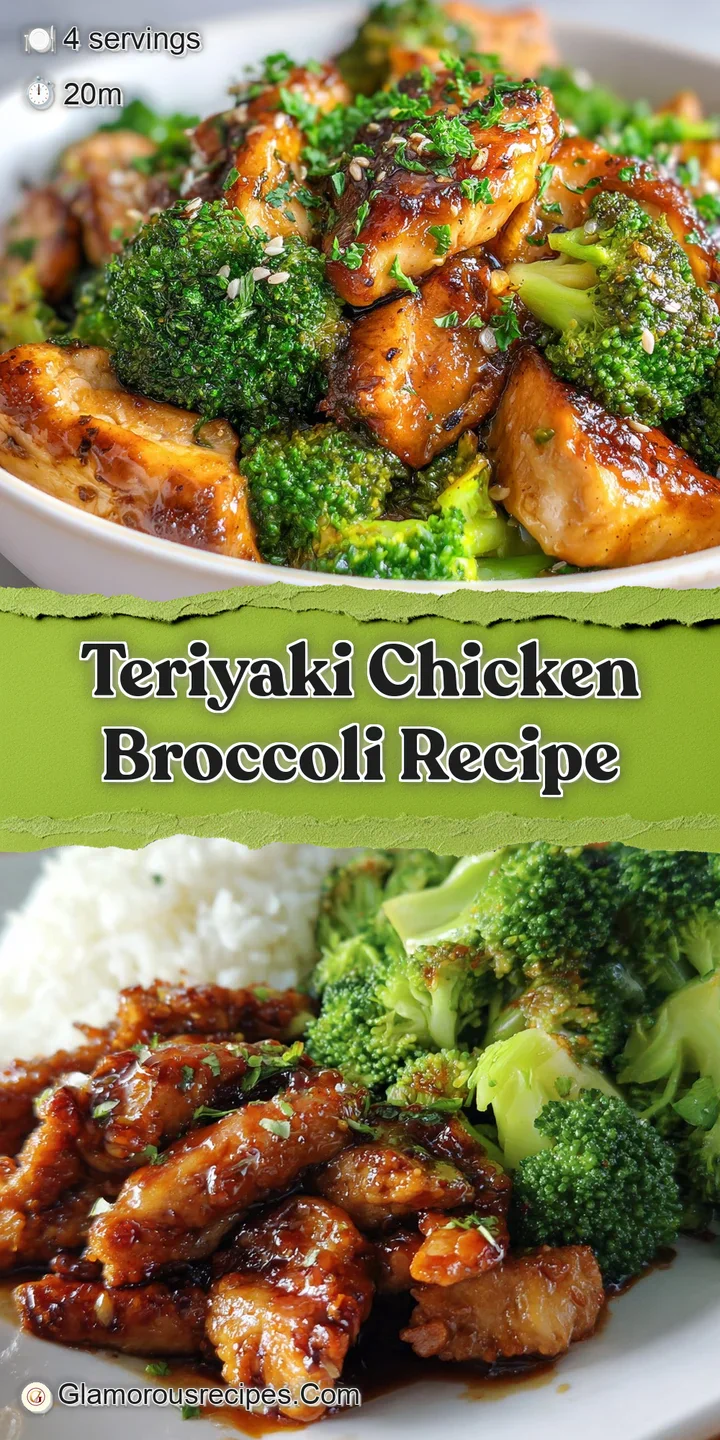
Teriyaki Chicken Broccoli: Velvety Glaze
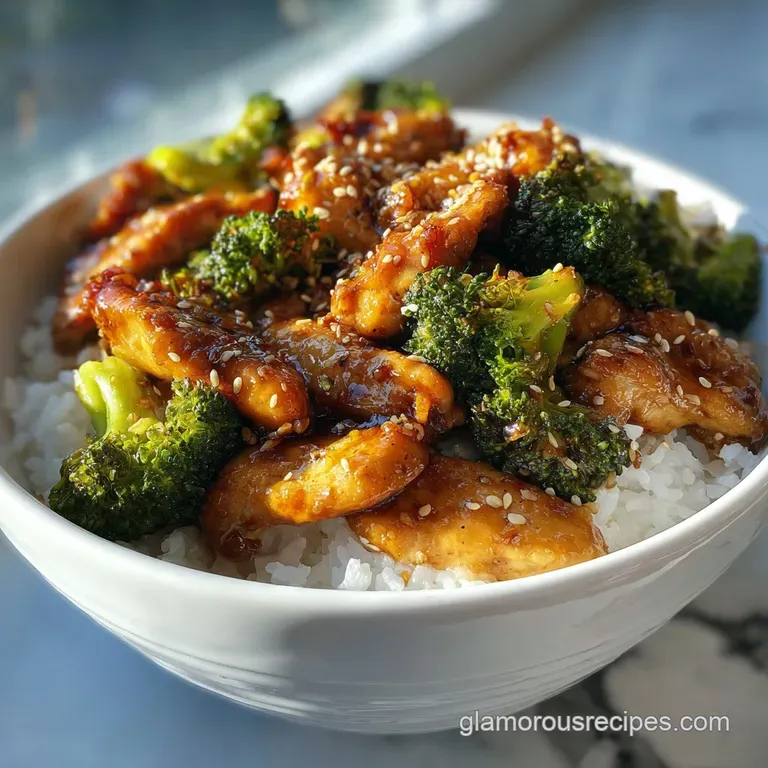
- Time: Active 10 minutes, Passive 10 minutes, Total 20 mins
- Flavor/Texture Hook: Velvety chicken with a ginger forward, syrupy umami glaze
- Perfect for: High protein weeknight dinners and multicultural meal prep
- Achieving the Ultimate Contrast of Textures and Tones
- Essential Benchmarks for Searing and Steaming Success
- A Component Analysis of Flavor and Function
- The over High heat Arsenal for Wok Style Results
- Executing the Multi Phase Sear and Glaze Strategy
- Correcting Texture Pitfalls and Temperature Mishaps
- Global Fusion Adaptations and Dietary Shifts
- Preserving the Snap and Silkiness of Leftovers
- Curating a Complete Fusion Dining Experience
- High in Sodium
- Teriyaki Chicken Broccoli FAQs
- 📝 Recipe Card
Achieving the Ultimate Contrast of Textures and Tones
The success of this Teriyaki Chicken Broccoli relies on the science of heat management and starch gelatinization. When we toss the chicken in cornstarch before it hits the oil, we are creating a microscopic protective barrier.
This starch "velveting" serves two purposes: it locks moisture inside the muscle fibers and creates a rough surface area for our teriyaki sauce to cling to later. Without it, the sauce just slides off like water on a rain jacket.
- The Physics of the Velveting Buffer: Cornstarch absorbs the surface moisture of the meat, allowing for a faster sear and preventing the chicken from "sweaming" in its own juices.
- Starch Gelatinization: As the soy and mirin mixture heats up, the cornstarch slurry expands and traps the liquid, turning a thin brine into a thick, glossy emulsion.
- Aromatics Activation: Searing the 3 cloves of minced garlic and 1 tbsp of fresh ginger at the very end prevents the bitter flavors associated with burnt aromatics while still infusing the oil.
- Flash Steaming: Using the residual moisture from the broccoli to deglaze the pan ensures the florets cook through without losing their structural integrity or vibrant color.
This method is quite similar to how I approach my Beef and Broccoli recipe, where the focus is on over high heat precision. By mastering these small scientific shifts, you move from just "cooking" to actually controlling the chemical reactions in your wok.
| Method | Total Time | Texture | Best For |
|---|---|---|---|
| Traditional Wok | 10 mins | Crispy edges, snappy veg | Authentic fusion texture |
| Sheet Pan | 22 mins | Roasted, deeper char | Hands off meal prep |
| Instant Pot | 15 mins | Very soft, stew like | Quick cleanup, tender focus |
Essential Benchmarks for Searing and Steaming Success
When we talk about "success" in a stir fry, we’re looking for specific visual and thermal cues. For the 1.5 lbs of chicken breast, you need to ensure the internal temperature reaches 165°F, but because we are using small 1 inch pieces, this happens incredibly fast.
If you overcook them by even 60 seconds, they turn from velvety to rubbery.
The broccoli requires a different kind of vigilance. You want to see that color shift from a dull forest green to a neon bright emerald. This usually takes about 3 to 4 minutes depending on the size of your florets. If it turns olive drab, you've gone too far.
Chef Tip: Keep your ginger in the freezer. It makes it significantly easier to grate into a fine paste, and it releases its essential oils more effectively when it hits the hot grapeseed oil.
Another trick I swear by is adding a tiny splash of cold water to your cornstarch slurry right before pouring it into the pan. If the slurry sits on the counter for even five minutes, the starch settles at the bottom. A quick whisk ensures that when it hits the heat, it thickens evenly rather than forming gummy clumps.
This attention to detail is what separates a standard home meal from something truly adventurous.
A Component Analysis of Flavor and Function
Before we start the fire, let's look at why we are using these specific elements. In a multicultural fusion dish like this, every liquid and powder has a specific role to play in the final flavor profile.
| Ingredient | Science Role | Pro Secret |
|---|---|---|
| Grapeseed Oil | High Smoke Point | Unlike olive oil, it won't burn at the high temps needed for searing chicken. |
| Mirin | Sugar & Acid | Provides the characteristic sheen and balances the saltiness of the soy sauce. |
| Cornstarch | Emulsifier | Acts as the bridge between the fat (oil) and the water (soy sauce) for a silky finish. |
| Low Sodium Soy | Umami Base | Controls the salt level while maximizing the savory depth of the 1.5 lbs of chicken. |
The Essentials and Their Substitutes
- 1.5 lbs chicken breast: Cut into 1 inch bite sized pieces. Why this? Lean protein that absorbs the ginger soy marinade quickly.
- Substitute: Chicken thighs (use 1.6 lbs for higher fat content/more juice).
- 4 cups fresh broccoli florets: Why this? The "trees" trap the sauce in their crowns.
- Substitute: Broccolini or snap peas (reduce cook time by 1 minute).
- 3 cloves garlic, minced: Why this? Base aromatic for savory depth.
- Substitute: 1 tsp garlic powder (add to the sauce, not the pan).
- 1 tbsp fresh ginger, grated: Why this? Adds a bright, spicy bite that cuts through the sugar.
- Substitute: 1/2 tsp ground ginger.
- 1/2 cup low sodium soy sauce: Why this? The primary salt and color agent.
- Substitute: Tamari (for a gluten-free version).
- 1/4 cup light brown sugar: Why this? Essential for the syrupy, sticky texture.
- Substitute: Honey or maple syrup (adds floral notes).
- 1/4 cup mirin: Why this? Adds fermented depth and sweetness.
- Substitute: Dry sherry with a pinch of sugar.
- 2 tbsp cornstarch: Divided for velveting and slurry.
- 1 tsp toasted sesame oil: Why this? Finishing oil for a nutty aroma.
- Substitute: Toasted sesame seeds for crunch.
The over High heat Arsenal for Wok Style Results
You don't need a professional kitchen, but you do need tools that can handle the heat. I prefer a large carbon steel wok because it reacts to temperature changes instantly. If you don't have one, a heavy bottomed stainless steel skillet (like an All Clad) or a cast iron pan will work beautifully.
The key is surface area you want enough room so the chicken pieces aren't overlapping.
Avoid using non stick pans for this particular recipe. Non stick coatings are generally not designed for the high intensity searing we need to get that "shatter" on the chicken edges.
Plus, the sugar in the teriyaki sauce can sometimes become difficult to clean off certain non stick surfaces if it caramelizes too quickly.
You'll also want a sturdy spatula silicone or metal, depending on your pan to keep the ingredients moving. A small whisk is mandatory for the cornstarch slurry to ensure there are zero lumps before it enters the sauce phase.
For the prep, a microplane is your best friend for getting that ginger and garlic into a fine, paste like consistency.
Executing the Multi Phase Sear and Glaze Strategy
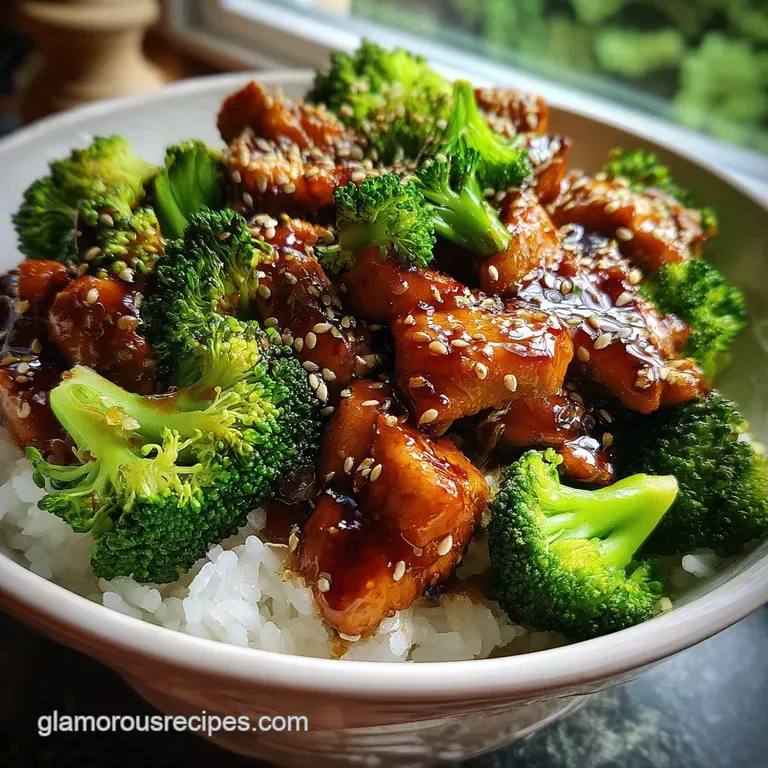
- Prep the Chicken: Toss your 1.5 lbs of chicken pieces with 1 tbsp of cornstarch in a medium bowl until every piece is lightly coated and no longer tacky. Note: This is the velveting step that ensures tenderness.
- Heat the Pan: Add 2 tbsp of grapeseed oil to your wok over high heat until it begins to shimmer and show wisps of smoke.
- The First Sear: Carefully add the chicken in a single layer. Let it sit undisturbed for 2 minutes until a golden brown crust forms.
- Flip and Finish: Stir the chicken and cook for another 3 minutes. Remove the chicken from the pan while it’s still slightly bouncy it will finish in the sauce later.
- Aromatic Infusion: In the same pan, toss in the 3 cloves of minced garlic and 1 tbsp of grated ginger. Stir for 30 seconds until the fragrance hits your nose like a punch.
- Sauté the Broccoli: Add the 4 cups of broccoli florets and a tiny splash of water. Cover for 2 minutes until they turn bright emerald and are tender crisp.
- Whisk the Sauce: In a small bowl, combine the 1/2 cup soy sauce, 1/4 cup brown sugar, 1/4 cup mirin, and the remaining 1 tbsp of cornstarch mixed with 1 tbsp cold water.
- The Emulsion: Pour the sauce mixture into the pan with the broccoli. Stir constantly until the liquid bubbles and transforms into a thick, glossy glaze.
- The Reintroduction: Return the chicken to the pan and toss everything together. Cook for 1 minute until the chicken is fully coated and piping hot.
- Final Touch: Drizzle with 1 tsp toasted sesame oil and remove from heat immediately to preserve the oil's delicate aroma.
Correcting Texture Pitfalls and Temperature Mishaps
Even the best cooks run into trouble when the heat is this high. Stir frying is a fast game, and sometimes the sauce thickens faster than you expect, or the broccoli stays a bit too stubborn. The most important thing is to stay calm and have a little extra liquid nearby to adjust the consistency on the fly.
Why Is My Sauce Too Thick?
If your sauce looks more like a gel than a glaze, your cornstarch has over gelatinized or the water evaporated too quickly. This usually happens if the pan is too hot when you add the liquid.
Simply whisk in a tablespoon of water or low sodium chicken broth at a time until the sauce returns to a velvety, pourable state.
How Do I Prevent Mushy Broccoli?
Mushy broccoli is usually the result of "crowding and clouding." If you add too much water to the pan or keep the lid on for more than 2 minutes, the florets will boil in their own steam.
If you find your broccoli is getting soft before the chicken is ready, pull it out of the pan and set it aside, re incorporating it only at the very end.
| Problem | Root Cause | Solution |
|---|---|---|
| Tough Chicken | Overcooking or skipping velveting | Use the cornstarch coat and pull meat at 160°F (carryover to 165°F). |
| Bland Sauce | Using regular soy instead of low sodium | Balance with a squeeze of lime juice or a splash of rice vinegar. |
| Soggy Coating | Pan temperature too low | Wait for the oil to smoke slightly before adding the chicken. |
Common Mistakes Checklist
- ✓ Pat the chicken pieces completely dry with a paper towel before adding the cornstarch.
- ✓ Do not crowd the pan; if your skillet is small, sear the 1.5 lbs of chicken in two separate batches.
- ✓ Grate the ginger finely; large chunks of ginger can be unpleasantly fibrous.
- ✓ Always whisk the cornstarch slurry again immediately before pouring it into the hot pan.
- ✓ Use fresh broccoli whenever possible; frozen broccoli releases too much water for a proper sear.
Global Fusion Adaptations and Dietary Shifts
This recipe is a fantastic canvas for adventurous eaters. While the classic version is hard to beat, you can easily shift the flavor profile to match different culinary moods. For a heat heavy version, I love adding a teaspoon of sambal oelek or sriracha to the sauce base.
It turns the sweet savory glaze into something with a multicultural kick that lingers on the palate.
If you are looking for a lower carb option, you can replace the brown sugar with a monk fruit sweetener and swap the mirin for rice vinegar with a drop of liquid stevia. The cornstarch is harder to replace while maintaining that specific "gloss," but a smaller amount of xanthan gum can work in a pinch, though the texture will be slightly more "sirupy."
Scaling the Heat and Volume
- Downsizing (1-2 servings): Use a smaller 8 inch skillet. Reduce the cook time for the chicken by about 1 minute per side since the pan will retain heat more intensely.
- Feeding a Crowd (8 servings): Do not double everything in one pan. Your domestic stove cannot produce enough BTUs to keep the pan hot with 3 lbs of chicken. Cook the chicken in four batches and the broccoli in two, then combine everything in a large bowl with the sauce.
- Spiced Variation: Add a pinch of Chinese Five Spice to the cornstarch coating for a deep, licorice scented fusion twist.
For those who want to skip the stovetop entirely, you can apply these flavors to a different format. Much like the technique in my Broccoli Casserole recipe, you can layer these ingredients in a dish, though you'll lose that specific over high heat char that makes the stir fry so distinctive.
Preserving the Snap and Silkiness of Leftovers
Teriyaki Chicken Broccoli is one of those rare dishes that actually holds up well for lunch the next day, provided you handle the reheating with care. The glaze will thicken significantly in the fridge as the starches cool and set, which is perfectly normal.
It might look like a bit of a jelly when you first pull it out of the container.
Storage: Place leftovers in an airtight glass container. It will stay fresh in the refrigerator for up to 3 days. I don't recommend freezing this specific dish; the cellular structure of the broccoli breaks down when frozen and thawed, leaving you with a watery mess and "rubbery" chicken.
Reheating: Avoid the microwave if you can. The microwave tends to turn chicken into "bricks" and makes the broccoli soggy. Instead, place the leftovers in a small skillet over medium low heat. Add a tablespoon of water or chicken broth to loosen the sauce.
Cover it for 2 minutes to let the steam penetrate the chicken, then toss until the glaze is glossy and fluid again.
Zero Waste Tip: Don't throw away those broccoli stems! Peel the tough outer skin with a vegetable peeler, slice the tender inner core into matchsticks, and toss them into the pan along with the florets. They have a wonderful sweetness and an even better crunch than the tops.
Curating a Complete Fusion Dining Experience
To make this a full meal, you need a base that can soak up every drop of that mahogany sauce. Steamed jasmine rice is the classic choice, providing a floral aroma that complements the ginger. For something more adventurous, try serving it over toasted quinoa or even thin rice noodles.
I often like to garnish this dish with more than just sesame seeds. Freshly sliced scallions (on a sharp bias, of course) add a necessary oniony bite, and a few cilantro leaves can provide a bright, citrusy finish that balances the rich brown sugar.
If you find the dish a bit too heavy, a side of quick pickled cucumbers with rice vinegar and chili flakes provides the perfect acidic contrast.
Whether you're making this for a quick Tuesday night or as part of a larger multicultural spread, the key is the confidence in your heat. Don't be afraid of that sizzle it’s the sound of flavor being built.
This recipe isn't just about feeding yourself; it's about the adventurous process of turning simple ingredients into a fusion masterpiece that feels both global and deeply personal.
High in Sodium
948 mg of sodium per serving (41% of daily value)
American Heart Association recommends limiting sodium intake to about 2,300mg per day.
Tips to Reduce Sodium in Your Chicken and Broccoli Stir Fry
-
Low-Sodium Soy Sauce-20%
Replace the regular soy sauce with low-sodium soy sauce. This simple swap can significantly reduce the sodium content of the dish without drastically altering the flavor.
-
Dilute Soy Sauce-15%
Reduce the amount of soy sauce used and dilute it with water or a low-sodium broth. Start with 1/4 cup of low-sodium soy sauce and 1/4 cup of water, and adjust to taste.
-
Reduce Sugar-10%
Cut back on the brown sugar. Even a small reduction, like using only 2 tablespoons instead of 1/4 cup, can help balance the flavors when you reduce sodium.
-
Acidic Boost-10%
Enhance the flavor with a squeeze of fresh lemon or lime juice at the end of cooking. The acidity will brighten the dish and reduce the need for as much sodium.
-
Skip Pre-Marinating-5%
Avoid pre-marinating the chicken in soy sauce. If marinating, limit the time and use low-sodium soy sauce.
-
Spice It Up!
Experiment with sodium free herbs and spices like garlic powder, onion powder, black pepper, or red pepper flakes to add flavor complexity without adding sodium.
Teriyaki Chicken Broccoli FAQs
When to add broccoli to chicken teriyaki?
Add broccoli after searing the chicken and sautéing aromatics. This allows the broccoli to "flash steam" and become tender crisp without becoming mushy, usually taking about 2-4 minutes.
What goes best with teriyaki chicken?
Steamed jasmine rice is a classic pairing. For a more adventurous meal, consider serving it over toasted quinoa or thin rice noodles, as detailed in our guide on creating a complete fusion dining experience.
Does teriyaki sauce go on before or after cooking?
Teriyaki sauce is added towards the end of cooking. This is to coat the chicken and broccoli and allow the sauce to thicken into a glossy glaze without burning the sugars.
Can I cook raw chicken and broccoli together?
Yes, but with careful timing. Typically, chicken is seared first until almost cooked, then removed. Broccoli is added to the pan to cook, and then the chicken is returned with the sauce to finish, ensuring both cook properly without overcooking either component.
How do I keep my teriyaki chicken moist?
Velveting the chicken with cornstarch before searing is key. This creates a protective layer that locks in moisture. Also, avoid overcooking; the chicken should reach 165°F but be removed from direct heat slightly before to finish cooking in the sauce.
Can I use frozen broccoli for teriyaki?
No, stick with fresh for best texture. Frozen broccoli releases excess moisture when cooked, which can lead to a watery sauce and mushy vegetables, detracting from the desired tender crisp texture.
How do I thicken my teriyaki sauce if it's too thin?
Whisk together a cornstarch slurry and add it to the simmering sauce. Mix 1 tablespoon of cornstarch with 2 tablespoons of cold water until smooth, then stir it into the sauce over medium heat until it thickens. This is a technique similar to achieving a stable glaze in dishes like Buffalo Chicken Dip.
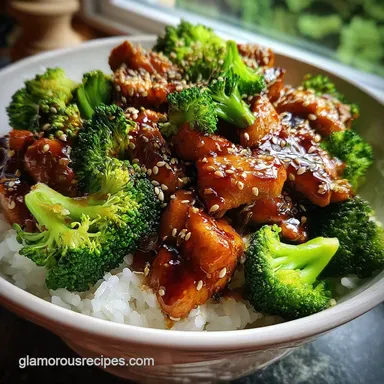
Teriyaki Chicken Broccoli
Ingredients:
Instructions:
Nutrition Facts:
| Calories | 505 kcal |
|---|---|
| Protein | 55.2 g |
| Fat | 14.4 g |
| Carbs | 31.1 g |
| Fiber | 2.4 g |
| Sugar | 19.2 g |
| Sodium | 948 mg |
