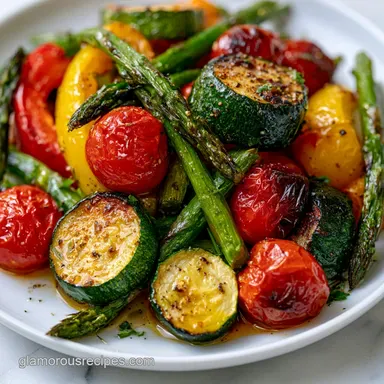
Early Summer Vegetable Medley: Failure-Proof
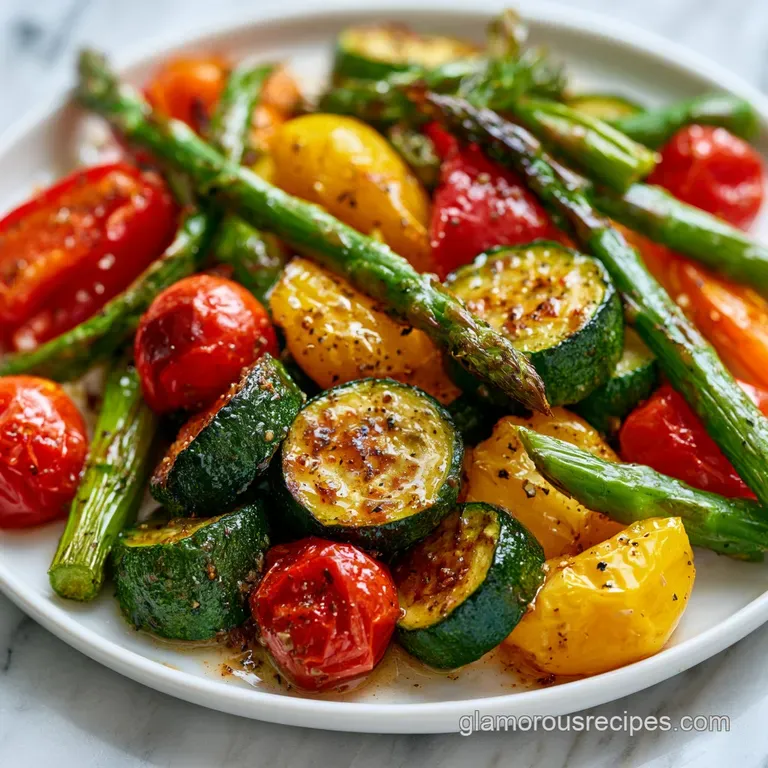
- Time: 10 min active + 20 min cook = 30 min total
- Flavor/Texture Hook: Bursting, jammy tomatoes and caramelized zucchini edges
- Perfect for: Weeknight sides, BBQ potlucks, or healthy meal prep
Imagine the sound of cherry tomatoes actually popping in the oven, that little "snap" that happens right when the skins can't hold the juice anymore. I remember the first time I tried to make a vegetable medley for a family brunch, and I did the classic mistake of crowding the pan.
I had these beautiful, fresh garden veggies, but they just sat in a pool of their own water, turning into a grey, soggy heap. It was honestly heartbreaking.
That failure taught me that the secret isn't the seasoning, it's the space. Once I figured out the "breathing room" rule, everything changed. Now, this Summer Vegetable Medley is my go to because it takes almost no effort but tastes like you spent an hour over a stove.
You can expect a side dish where the zucchini stays tender but not limp, the peppers get those sweet charred edges, and the garlic turns into a buttery paste. It's a bright, colorful plate that actually tastes like July.
The Best Summer Vegetable Medley
Right then, let's get into the nitty gritty of how this works. When you roast at 425°F, you're essentially triggering a rapid evaporation of the water inside the cells of the zucchini and peppers. This concentrates the natural sugars, which is what gives you that sweet, caramelized finish.
Moisture Escape: High heat turns internal water into steam that exits the vegetable quickly, preventing the "boiled" texture.
Fat Transfer: The olive oil acts as a bridge, moving heat from the metal pan into the vegetables more efficiently than air alone.
Sugar Concentration: As water leaves, the natural sugars in the red onion and peppers concentrate, leading to a deeper, charred flavor.
Aromatic Infusion: Whole smashed garlic cloves protect the garlic from burning while releasing a mellow, nutty scent into the oil.
But if you're wondering whether you should do this on the stove or in the oven, there's a big difference in the final result.
| Method | Time | Texture | Best For |
|---|---|---|---|
| Oven Roast | 20 mins | Charred & concentrated | Large batches, hands off |
| Stovetop Sauté | 12 mins | Tender & juicy | Small portions, fast prep |
I usually stick with the oven because it allows the vegetables to roast evenly without me having to stand there stirring for ten minutes.
Secrets for Better Texture
Before we start chopping, let's look at what's actually happening in the pan. Some ingredients are "water bombs" while others are "flavor anchors." Understanding this helps you avoid the dreaded mushy vegetable syndrome.
| Ingredient | Science Role | Pro Secret |
|---|---|---|
| Zucchini | High water content | Cut thicker (1/2 inch) to keep a bite |
| Olive Oil | Heat conductor | Coat every millimeter to prevent sticking |
| Cherry Tomatoes | Acidic burst | Keep whole to create "sauce" pockets |
| Garlic | Aromatic base | Smash, don't mince, to avoid bitter burnt bits |
It's all about the balance of moisture. According to Serious Eats, overcrowding a pan creates a steam bath, which is the enemy of browning. This is why I insist on a large rimmed baking sheet. If you have to overlap the vegetables, just use two pans. Trust me, it's worth the extra dishes.
Essential Recipe Specs
For this Summer Vegetable Medley, you'll need to be precise with your cuts. If the onion is huge and the zucchini is tiny, the zucchini will be charcoal by the time the onion is soft.
The Fresh Produce
- 1 lb zucchini, sliced into 1/2 inch roundsWhy this? Thickness prevents the zucchini from turning into mush
- 1 lb bell peppers (red, yellow, orange), chopped into 1 inch piecesWhy this? Uniform size ensures they char at the same rate
- 1 cup asparagus, trimmed and cut into 2 inch lengthsWhy this? Shorter pieces avoid burning the tips
- 1 cup cherry tomatoes, kept wholeWhy this? Keeps the juices inside until they burst in the oven
- 1 medium red onion, cut into 1 inch wedgesWhy this? Wedges hold their shape better than slices
- 4 cloves garlic, smashed but left wholeWhy this? Prevents the garlic from burning at 425°F
The Seasoning Base
- 3 tbsp extra virgin olive oilWhy this? high quality oil adds a fruity depth
- 1 tsp coarse sea saltWhy this? Larger grains draw out moisture more effectively
- 1/2 tsp freshly cracked black pepperWhy this? Fresh pepper has more volatile oils for a sharper kick
- 1 tsp dried thymeWhy this? Earthy notes that complement the sweetness of peppers
| Original Ingredient | Substitute | Why It Works |
|---|---|---|
| Zucchini | Yellow Squash | Similar water content; adds a brighter color |
| Red Onion | Shallots | Sweeter and more delicate; cut into quarters |
| Dried Thyme | Dried Oregano | Similar earthy profile; slightly more "pizza" vibe |
| Olive Oil | Avocado Oil | Higher smoke point; better for extremely high heat |
Keep in mind that using yellow squash instead of zucchini is a great way to make this look even more colorful for a party. Just keep the thickness the same.
Necessary Kitchen Tools
You don't need a professional kitchen for this, but a few specific items make the flow much easier.
- Extra Large Mixing Bowl: This is non negotiable. You need room to toss the vegetables without them flying over the counter.
- Rimmed Baking Sheet: The rim prevents the tomato juices and oil from dripping into your oven and causing a smoke alarm situation.
- Parchment Paper: It's a lifesaver for cleanup and helps the vegetables slide right off the pan.
- Chef's Knife: A sharp blade is key for getting those clean 1 inch chunks.
Chef's Note: If you don't have parchment paper, you can grease the pan, but the vegetables might stick more. I've found that parchment creates a thinner layer of oil on the bottom, which actually helps the zucchini edges get that golden, shatter like crispness.
Step by step Process
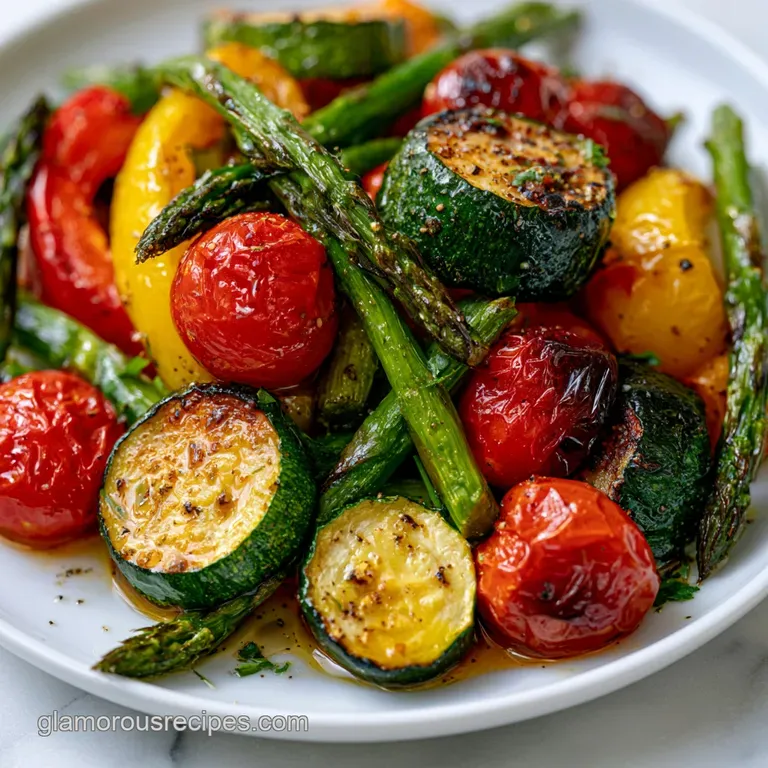
Let's crack on. This is where the plan comes together. Remember, the goal is a single layer of vegetables with plenty of air moving around them.
- Preheat the oven to 425°F (218°C) and line a large rimmed baking sheet with parchment paper. Note: Doing this first ensures the pan is hot when the veggies hit it
- Prepare all vegetables according to the specified cuts, ensuring the onion and peppers are roughly the same size for uniform cooking.
- In an extra large mixing bowl, combine the olive oil, sea salt, black pepper, and dried thyme.
- Add the prepared vegetables and smashed garlic to the bowl, tossing until every surface is evenly coated in the seasoning mixture. Note: Use your hands for this to ensure no piece is left dry
- Spread the vegetables in a single layer on the prepared baking sheet, ensuring there is breathing room between pieces to prevent steaming.
- Roast for 20 minutes until the cherry tomatoes begin to burst and the zucchini edges turn a deep golden brown.
If you want a slightly deeper char, you can turn the broiler on for the last 2 minutes, but watch it like a hawk. It can go from "beautifully browned" to "burnt" in about 30 seconds.
Fixing Common Veggie Mishaps
Even with a plan, things happen. Maybe your zucchini was extra watery this week, or your oven runs a bit hot.
The Soggy Vegetable Effect
If your Summer Vegetable Medley looks more like a stew than a roast, you probably overcrowded the pan. When vegetables are too close, they release steam that gets trapped, essentially boiling the produce in its own juice. Next time, use two sheets or roast in batches.
Burnt Garlic Bits
Garlic is tricky. If you mince it, the tiny pieces burn and turn bitter. By smashing the cloves and leaving them whole, you protect the interior. If you see the garlic turning dark brown too quickly, just toss the pan and move them to the center.
Uneven Doneness
This usually happens if the cuts aren't uniform. If your peppers are 2 inches and your zucchini is 1/2 inch, the zucchini will be mush before the pepper is soft. Stick to the 1 inch rule for the heartier vegetables.
| Problem | Root Cause | Solution |
|---|---|---|
| Vegetables are mushy | Pan was too crowded | Use a larger sheet or two pans |
| Bitter taste | Garlic was minced/burnt | Smash cloves whole; roast center |
| No browning | Oven temp too low | Verify temp with an oven thermometer |
Common Mistakes Checklist
- ✓ Did I leave space between every vegetable piece?
- ✓ Are the onions and peppers roughly the same size?
- ✓ Did I use a rimmed pan to catch the juices?
- ✓ Is the oven fully preheated to 425°F?
- ✓ Did I coat the vegetables thoroughly in oil?
Simple Ingredient Swaps
Depending on what's in your garden or at the market, you might want to tweak this. This is where you can get creative with early summer vegetable recipes.
If you're looking for a different vibe, you could swap the asparagus for snap peas. Just add the peas in the last 10 minutes of roasting, as they cook much faster and can shrivel if left in for the full 20 minutes. For a more "southern" twist, this pairs brilliantly with a succotash side dish, mixing the roasted notes with a creamy corn base.
For those who want to keep it lower carb or keto friendly, this recipe is already basically there. I'd just suggest avoiding any honey or maple glazes some people add at the end. Keep it simple with the olive oil and thyme.
If you find yourself with extra frozen greens, you can follow a similar over high heat method as seen in my guide on how to cook frozen green beans, adding them to the tray for the final 10 minutes of the roast.
Storage and Waste Tips
Don't let those leftovers go to waste. A Summer Vegetable Medley actually tastes quite good cold, almost like a roasted salad.
Storage Guidelines Store the roasted vegetables in an airtight glass container in the fridge for up to 4 days. To reheat, avoid the microwave if you can, as it will make them soggy.
Instead, pop them back in a 350°F oven for 5-7 minutes or toss them in a hot skillet for 2 minutes to bring back some of that charred texture.
Zero Waste Strategies
- Onion Skins: Don't toss the red onion skins. Save them in a freezer bag to make a deep purple vegetable stock.
- Asparagus Ends: The woody bottom ends of the asparagus are great for flavoring a stock or a soup base.
- Tomato Juices: The liquid left on the parchment paper is basically a concentrated vegetable glaze. Scrape it up and toss it with some cooked quinoa or rice.
Great Pairing Ideas
Since this is a side dish, the real question is what goes with it. Because the flavor profile is bright and slightly acidic from the tomatoes, it cuts through rich proteins perfectly.
I love serving this alongside a grilled ribeye or a piece of pan seared salmon. The charred edges of the vegetables mirror the crust on a good steak. If you're doing a vegetarian meal, serve it over a bed of creamy polenta or farro.
For a lighter lunch, toss the cold leftovers with some feta cheese, fresh parsley, and a squeeze of lemon juice. It turns the medley into a hearty salad that's great for meal prep.
Trust me, the smashed garlic cloves are the best part mash them into a paste and spread them on a piece of toasted sourdough before topping it with the vegetables. It's a total game changer for a quick appetizer.
Recipe FAQs
What vegetables work best in a medley?
Zucchini, bell peppers, asparagus, cherry tomatoes, and red onion. These specific vegetables balance sweetness and earthiness while roasting consistently at 425°F.
How to prevent the vegetables from steaming in the oven?
Spread the vegetables in a single layer on the baking sheet. Ensuring there is breathing room between pieces allows hot air to circulate for a proper roast rather than a steam.
How to ensure all vegetables cook evenly?
Cut the onion and peppers into roughly the same size pieces. Uniform sizing prevents smaller fragments from burning before the larger chunks become tender.
How to reheat leftovers without them getting soggy?
Toss them in a hot skillet for 2 minutes or use a 350°F oven for 5-7 minutes. Avoid the microwave to maintain the charred texture of the zucchini and peppers.
Is it true that crowding the pan helps vegetables cook faster?
No, this is a common misconception. Overcrowding traps moisture on the pan, which steams the vegetables and prevents them from developing deep golden brown edges.
Can I serve this medley cold?
Yes, it works great as a roasted salad. If you enjoyed the flavor layering of a chilled vegetable dish here, see how the same cold assembly principle works in our Greek tortellini salad.
How to prepare the seasoning mixture?
Combine olive oil, sea salt, black pepper, and dried thyme in an extra large mixing bowl. Toss the prepared vegetables and smashed garlic in this mixture until every surface is evenly coated.
Summer Vegetable Medley