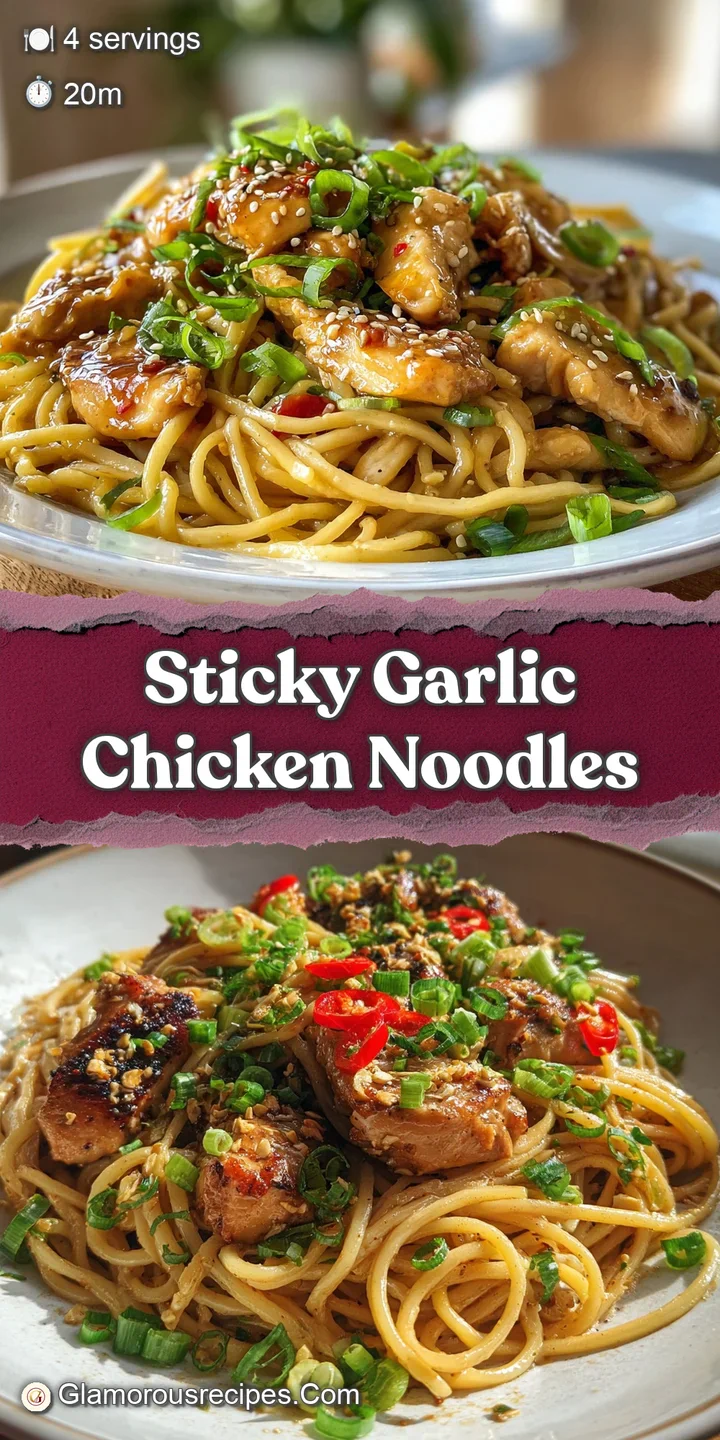
Sticky Garlic Chicken Noodles: Velvety Glaze
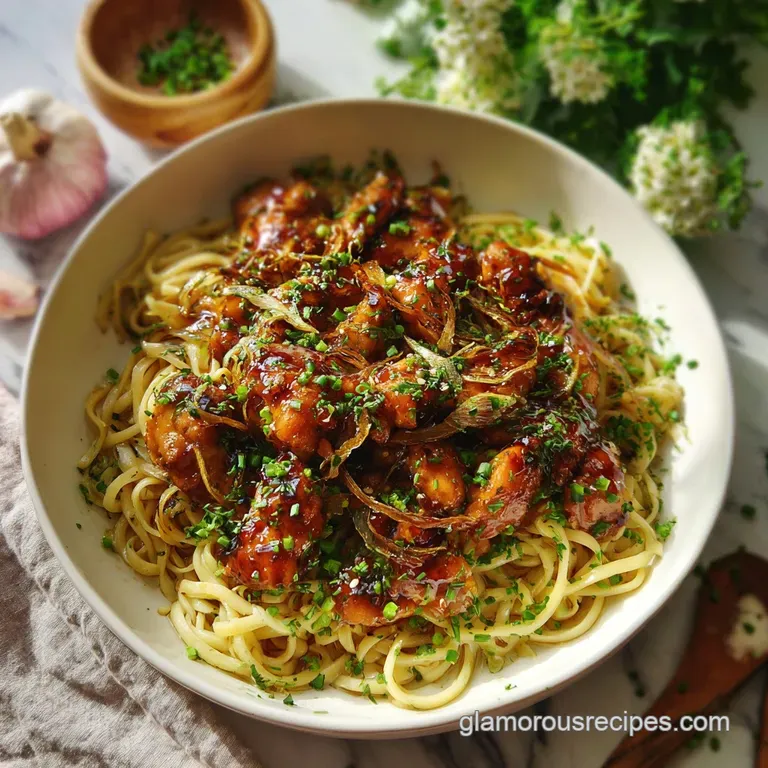
- Time: Active 10 minutes, Passive 10 minutes, Total 20 minutes
- Flavor/Texture Hook: A high gloss, velvety glaze with a sharp garlic bite
- Perfect for: High energy weeknight dinners or a bold multicultural meal prep
- Sizzling Success with Sticky Garlic Chicken Noodles
- The Fluid Dynamics of the Glaze
- Component Analysis of Every Ingredient
- Assembling Your Adventure Shopping List
- Essential Kitchen Tools for over High heat Cooking
- Step-by-Step Guide to Sticky Noodle Mastery
- Troubleshooting Common Stir Fry Mistakes
- Scaling Recipes for Any Crowd Size
- Debunking Global Fusion Cooking Myths
- Fresh Storage and Zero Waste Tips
- Recipe FAQs
- 📝 Recipe Card
Sizzling Success with Sticky Garlic Chicken Noodles
The moment that 1 tbsp of neutral cooking oil hits a ripping hot pan, you know something special is happening. Then come the 6 cloves of minced garlic. The immediate, aggressive hiss and that pungent, intoxicating aroma filling the kitchen is the best part of my Tuesday nights.
I remember the first time I tried making a version of this in my tiny college studio; I didn't vent the kitchen properly, and my entire floor smelled like a garlic festival for three days. No one complained, though they just wanted the recipe.
We are moving past the bland, watery stir fries of the past. This is about building intensity and achieving that specific, glossy coating that makes the noodles look like they are glowing.
You'll get a mix of textures the snap of 2 cups of broccoli florets against the soft, chewy 10 oz of dry ramen or udon noodles. It’s a fusion of techniques that results in a meal that feels adventurous but takes less time than ordering takeout.
This isn't about just tossing things in a pan and hoping for the best. We’re going to talk about how to manipulate starches and sugars to get that signature "sticky" finish. Trust me, once you see the sauce transform from a thin liquid into a mahogany glaze that lacquers the chicken, you'll never go back to bottled sauces.
Ready to get that pan screaming?
The Fluid Dynamics of the Glaze
The Stickiness Secret: The combination of honey and hoisin sauce creates a high viscosity base that, when heated, undergoes rapid evaporation to form a dense sugar matrix.
This matrix is further stabilized by the cornstarch on the chicken, which acts as a bridge between the protein and the liquid sauce.
| Thickness of Chicken | Internal Temp | Rest Time | Visual Cue |
|---|---|---|---|
| 1/2 inch strips | 165°F | 2 minutes | Opaque center, no pink |
| 1/4 inch strips | 165°F | 1 minute | Edges begin to curl/brown |
| Cubed (1 inch) | 165°F | 3 minutes | Golden crust on all sides |
The stovetop is truly the king for this dish because we need that direct, conductive heat to trigger the Maillard reaction on the chicken strips quickly. While an oven could cook the meat, you'd lose that essential "wok hei" or breath of the wok that slight smokiness that comes from over high heat searing.
Component Analysis of Every Ingredient
Understanding why each part of the "Sticky Garlic Chicken Noodles" exists helps you adjust the flavor profile to your own palate.
| Ingredient | Science Role | Pro Secret |
|---|---|---|
| Cornstarch | Moisture Barrier | Coats the chicken to prevent juice loss during the over high heat sear. |
| Honey | Hygroscopic Agent | Attracts moisture while providing the sugars needed for a glossy, thick reduction. |
| Rice Vinegar | pH Balancer | Cuts through the heavy sugars to brighten the overall flavor profile. |
| Toasted Sesame Oil | Aromatic Lipid | Provides a high intensity toasted scent that survives the heat of the pan. |
Adding the right amount of acidity is what separates a heavy, cloying sauce from one that tastes vibrant. Similar to the balance found in a Garlic Butter Chicken recipe, the fat and sugar need that sharp vinegar or citrus note to really sing.
Assembling Your Adventure Shopping List
For the protein and prep, focus on quality. You need 1.25 lbs of chicken breast, sliced into thin bite sized strips. If you want a juicier result, you can swap for chicken thighs, but breasts work exceptionally well here because of the velveting technique we use.
For the Protein & Prep
- 1.25 lbs chicken breast Why this? Lean protein that absorbs the sticky garlic glaze effectively.
- Substitute: Chicken thighs for a higher fat content and more moisture.
- 1 tbsp cornstarch Why this? Creates a protective layer and thickens the final sauce.
- Substitute: Arrowroot powder for a grain free thickening option.
- 1 tsp toasted sesame oil Why this? Adds an earthy, nutty base note to the meat.
- Substitute: Peanut oil if you want a more subtle nutty flavor.
- 0.25 tsp salt & 0.25 tsp white pepper Why this? Basic seasoning to build the first layer of flavor.
- Substitute: Black pepper if you prefer a sharper, more rustic heat.
For the Sticky Garlic Sauce
- 6 cloves garlic, minced Why this? The backbone of the entire flavor profile.
- Substitute: 2 tsp garlic paste if you are in a time crunch.
- 1/4 cup low sodium soy sauce Why this? Provides the salt and deep umami color.
- Substitute: Tamari for a gluten-free alternative with similar depth.
- 2 tbsp honey Why this? The primary sweetener and "sticky" factor.
- Substitute: Brown sugar for a more molasses heavy sweetness.
- 1 tbsp hoisin sauce Why this? Adds complexity with fermented soy and spices.
- Substitute: Oyster sauce for a more savory, briny finish.
- 1 tsp rice vinegar Why this? Provides the necessary acid to balance the honey.
- Substitute: Apple cider vinegar for a fruitier acidic kick.
- 1 tsp chili garlic sauce Why this? Introduces a manageable, textured heat.
- Substitute: Sriracha or red pepper flakes for a smoother heat.
For the Noodles & Vegetables
- 10 oz dry ramen or udon noodles Why this? High surface area to hold onto the thick sauce.
- Substitute: Rice noodles for a lighter, gluten-free texture.
- 2 cups broccoli florets Why this? Great for soaking up sauce in the "trees".
- Substitute: Snap peas for more crunch and less sauce absorption.
- 1 red bell pepper Why this? Adds sweetness and a vibrant visual contrast.
- Substitute: Sliced carrots for a similar crunch and color.
- 3 green onions Why this? Provides a fresh, sharp finish to the heavy sauce.
- Substitute: Chives for a more delicate onion flavor.
- 1 tbsp neutral cooking oil Why this? High smoke point for the necessary sear.
- Substitute: Grapeseed oil or canola oil.
Essential Kitchen Tools for over High heat Cooking
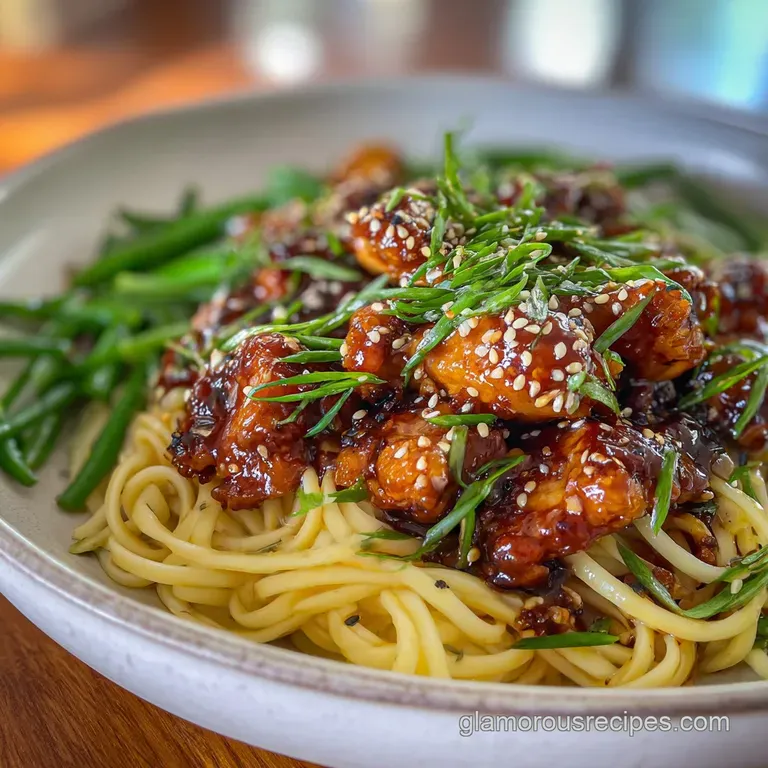
You don't need a professional kitchen, but a large carbon steel wok or a heavy bottomed stainless steel skillet is a must. You want something that retains heat when you drop that 1.25 lbs of cold chicken into it. If your pan is too thin, the temperature will plummet, and your chicken will steam instead of sear.
A good set of tongs is also vital. You need to be able to move the noodles around aggressively once the sauce starts to thicken. If you're using udon, they can be a bit slippery, so silicone tipped tongs are a lifesaver.
Also, have all your sauce ingredients whisked together in a small bowl before you even turn on the stove. This dish moves fast — 20 minutes total and there's no time to be measuring honey while your garlic is burning.
For the noodles, a large pot with plenty of water is key to prevent sticking. Since we are using 10 oz of dry ramen or udon, they need space to expand. If you're looking for more ways to master noodle textures, you might enjoy the techniques in this One Pot Creamy recipe, which focuses on starch release.
step-by-step Guide to Sticky Noodle Mastery
Preparing the Velveting Base
Toss the sliced chicken breast with 1 tbsp cornstarch, 1 tsp toasted sesame oil, salt, and white pepper in a medium bowl. Note: This coating creates a barrier that keeps the meat silky and prevents it from drying out.
Boiling the Foundation
Cook the 10 oz of noodles in boiling water according to package directions, but remove them 1 minute early. Cook until "al dente" with a slight bite. Drain and set aside, tossing with a tiny bit of oil if they seem too sticky.
Whisking the Sticky Glaze
Combine the 1/4 cup soy sauce, 2 tbsp honey, 1 tbsp hoisin, 1 tsp rice vinegar, and 1 tsp chili garlic sauce in a small jug. Note: Whisking now ensures the honey is fully incorporated before hitting the heat.
Searing the Chicken to Golden Perfection
Heat 1 tbsp neutral oil in a large skillet over high heat until it wisps with smoke. Add the chicken in a single layer and cook for 3-4 minutes until golden and charred on the edges. Remove chicken from the pan and set aside.
Blistering the Vegetables
In the same pan, add the 2 cups of broccoli and sliced red pepper. Sauté for 2-3 minutes until the colors are vibrant but the veg still has a snap. You want them "tender crisp," not mushy.
Building the Garlic Foundation
Lower the heat slightly and add the 6 cloves of minced garlic. Stir fry for exactly 30 seconds until the aroma is punchy and fragrant. Note: Don't let it turn dark brown or it will taste bitter.
Reducing the Sauce
Pour in the prepared sauce mixture. Let it bubble for 1-2 minutes until the sauce thickens and looks like liquid silk. The sugars need to concentrate here to get that "sticky" texture.
Integrating the Noodles and Garnish
Return the chicken and noodles to the pan. Toss everything vigorously for 1-2 minutes until every strand is lacquered in mahogany glaze. Top with sliced green onions and serve immediately while the sizzle is still audible.
Troubleshooting Common Stir Fry Mistakes
Avoiding the Rubbery Chicken Trap
If your chicken feels like chewing on a pencil eraser, you likely skipped the cornstarch or overcooked it before adding the sauce. The cornstarch isn't just for the sauce; it’s a physical shield for the protein. When you sear the chicken, get that color quickly and get it out of the pan.
It will finish cooking through when you toss it back in with the hot noodles and sauce.
Preventing Garlic Bitterness
Garlic is delicate. Those 6 cloves can turn from heaven to a bitter disaster in seconds. If your pan is still at maximum heat from searing the chicken, the garlic will burn the moment it touches the metal.
I always pull the pan off the burner for ten seconds or toss the veggies in first to act as a heat buffer before adding the garlic.
| Problem | Root Cause | Solution |
|---|---|---|
| Thin, watery sauce | Not enough reduction time | Simmer sauce alone for 60 seconds longer before adding noodles. |
| Clumpy noodles | Not rinsed or oiled | Rinse cooked noodles in cold water and toss with a drop of oil. |
| Bland flavor | Diluted by veggie water | Ensure broccoli is patted dry before hitting the hot oil. |
Common Mistakes Checklist
- ✓ Pat the chicken completely dry before adding cornstarch (prevents a gummy paste).
- ✓ Ensure the pan is "shimmering" hot before adding the oil and chicken.
- ✓ Don't crowd the chicken cook in two batches if your pan is small.
- ✓ Use low sodium soy sauce to avoid an over salted final dish.
- ✓ Have all sauce components pre mixed; the sugar burns fast if you're slow.
Scaling Recipes for Any Crowd Size
If you're cooking for a group, don't just double everything and throw it in one pan. For a 2x batch (serving 8), you need to work in stages. Sauté the chicken in three separate batches to maintain that over high heat sear.
If you pile 2.5 lbs of raw chicken into a standard skillet, the temperature will drop, the meat will release its juices, and you'll end up boiling the chicken in its own grey liquid. Not the vibe we want.
When scaling up the liquids, you don't actually need to double the rice vinegar stay at 1.5x the amount to keep the acidity from overpowering the honey. For the aromatics, you can go wild; 12 cloves of garlic for a double batch is perfectly acceptable in my book. If you're looking for more veggie heavy ideas to stretch the meal, check out this Cabbage Noodle Buns recipe for inspiration on using cabbage as a filler.
Debunking Global Fusion Cooking Myths
One common myth is that you must use a wok for "Sticky Garlic Chicken Noodles" to be authentic. While a wok is a fantastic tool, a heavy cast iron or stainless steel skillet actually provides better heat retention for home stoves which often lack the "jet engine" power of commercial stir fry ranges.
The flat surface area of a skillet allows for better contact and a superior crust on the chicken.
Another misconception is that "sticky" means you need to use cornstarch slurries at the very end. In this recipe, the stickiness comes from the reduction of honey and hoisin. The cornstarch on the chicken is there for texture, but the glaze's body comes from the evaporation of water in the sauce, concentrating the sugars until they become a literal syrup that grips the noodles.
Fresh Storage and Zero Waste Tips
Storage: These noodles stay fantastic in the fridge for up to 3 days. The sauce actually seeps deeper into the chicken over time. When reheating, add a splash of water or a tiny bit more soy sauce to loosen the glaze, as the starch in the noodles will absorb the moisture while sitting.
Freezing: I don't recommend freezing the fully assembled dish as the broccoli becomes mushy and the noodles lose their structural integrity. However, you can freeze the "velveted" raw chicken (coated in starch and oil) for up to 2 months.
Zero Waste: Don't throw away those broccoli stalks! Peel the woody outer layer, slice the tender core into matchsticks, and toss them in with the peppers. They have a wonderful sweetness and a crunch that rivals water chestnuts.
If you have leftover sauce at the bottom of the bowl, it makes a killer base for a quick fried rice the next day.
Recipe FAQs
Should I coat the chicken in cornstarch before searing it?
Yes, definitely. This process, called velveting, creates a protective barrier that locks in moisture and ensures the meat stays tender while developing a nice crust over high heat.
How can I make the sauce sticky without becoming overly sweet?
Add rice vinegar near the end. The acidity from the vinegar cuts through the heavy sugars provided by the honey and hoisin, creating a necessary flavor balance before the sauce reduces.
What is the best way to cook the noodles for this recipe?
Cook noodles one minute shy of package directions until very al dente. Since they finish cooking by absorbing the hot sauce in the pan, undercooking them slightly prevents a final soggy texture.
How to prevent the minced garlic from burning during the quick sear?
Lower the heat slightly and add the garlic only after the vegetables are partially cooked. Garlic has a very low threshold before bitterness sets in, so it should only be fried for about 30 seconds until fragrant.
Is it true that only a wok can achieve the necessary "wok hei" flavor?
No, this is a common misconception. A heavy, flat bottomed stainless steel skillet or cast iron pan retains heat better on most home cooktops and will achieve the necessary searing contact for a good crust.
Can I substitute the honey with maple syrup for the glaze?
Yes, but you must reduce the cooking time slightly. Maple syrup has a higher water content than honey, so the sauce may take longer to thicken, or you can apply the same technique used to master quick sauces in our Teriyaki Chicken Broccoli recipe.
What is the absolute fastest way to chop 6 cloves of garlic for this recipe?
Smash the cloves firmly with the flat side of a large knife, then use a microplane grater. This method rapidly breaks down the structure, releasing maximum flavor instantly without the need for precise chopping.
Sticky Garlic Chicken Noodles
Ingredients:
Instructions:
Nutrition Facts:
| Calories | 551 kcal |
|---|---|
| Protein | 42.5 g |
| Fat | 8.3 g |
| Carbs | 72.8 g |
| Fiber | 3.8 g |
| Sugar | 11.2 g |
| Sodium | 725 mg |
