Spaghetti Aglio E Olio: Silky and Garlic Forward
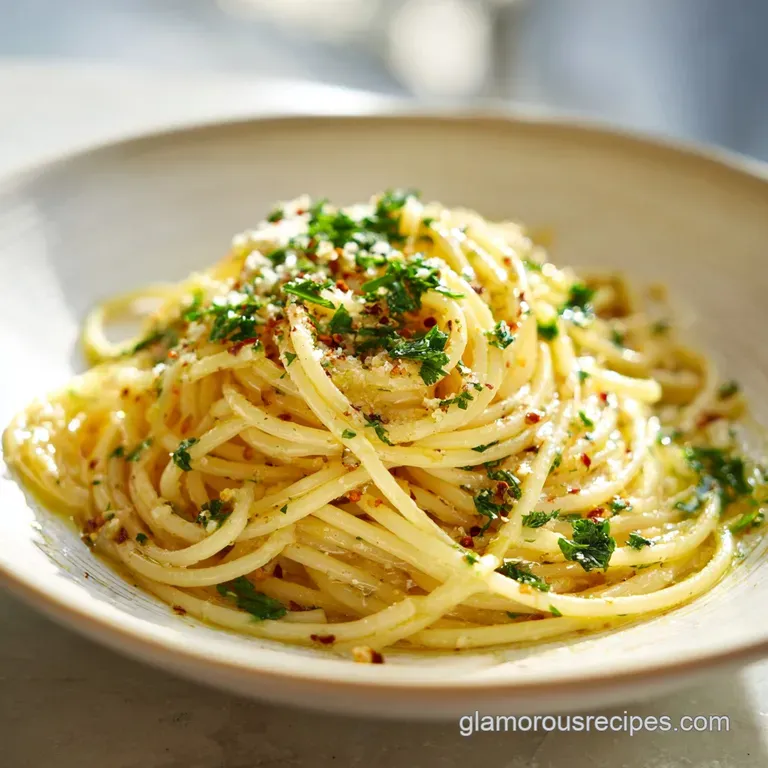
- Time: Active 5 mins, Passive 15 mins, Total 20 mins
- Flavor/Texture Hook: Silky, garlic forward, and slightly spicy
- Perfect for: Late night cravings, quick weeknight dinners, or beginner friendly entertaining
- Mastering This Spicy Spaghetti Aglio e Olio
- The Science of Glossy Emulsions
- Component Analysis of Key Ingredients
- Selecting Ingredients and Best Substitutes
- Executing the Perfect Pasta Emulsion
- Solving Texture and Flavor Problems
- Scaling for Large Groups Safely
- Debunking Old Italian Cooking Myths
- Fridge Storage and Zero Waste
- Finishing Touches and Serving Suggestions
- Recipe FAQs
- 📝 Recipe Card
Mastering This Spicy Spaghetti Aglio e Olio
Right then, let's talk about the absolute magic that happens when garlic hits olive oil at a low temperature. I remember the first time I tried to make this I was starving at midnight, thinking I could just toss some pasta with oil and be done.
I cranked the heat, the garlic turned into bitter little charcoal bits in seconds, and the oil just sat at the bottom of the bowl like a sad puddle. It was a greasy, acrid mess that I ended up throwing away.
But then I learned the secret of the "cold start" and the power of that murky, starchy pasta water. Now, whenever I hear the gentle sizzle of razor thin garlic slices in the pan, it feels like a victory.
The aroma is bold and adventurous, filling the kitchen with a scent that promises a multicultural fusion of simplicity and technique. You'll see the oil transform from a clear liquid into a velvety, golden lacquer that clings to the spaghetti.
Trust me on this, once you get that emulsion right, you'll never look at a bottle of jarred sauce the same way again.
We're going for a dish that celebrates contrast: the sharp heat of red pepper flakes against the cooling freshness of Italian parsley, and the firm bite of al dente pasta against the smooth, luxurious sauce.
This isn't just a meal; it's a lesson in how heat and chemistry can turn humble ingredients into something spectacular. Let's crack on and get your kitchen smelling like a Roman trattoria.
The Science of Glossy Emulsions
- Starch Bridge: The 0.5 cup reserved starchy pasta water contains amylose and amylopectin molecules that act as a physical bridge, allowing the 0.5 cup high-quality extra virgin olive oil and water to bind into a creamy sauce.
- Sulfuric Infusion: Slicing the 10 large garlic cloves razor thin breaks more cell walls than crushing, releasing allicin which infuses the oil with a deep, pungent aroma when heated slowly.
- Cold Start Advantage: Placing garlic in cold oil allows flavor compounds to dissolve into the fat before the surface reaches the temperature where the garlic would burn and turn bitter.
- Maillard Timing: The subtle browning of garlic provides a nutty backbone without the harshness of scorched cloves, creating a complex flavor profile.
| Cooking Method | Total Time | Texture Outcome | Best For |
|---|---|---|---|
| Traditional Stovetop | 20 mins | Silky, emulsified coating | Authentic texture lovers |
| One Pot Method | 15 mins | Extra starchy, thicker sauce | Busy weeknights/clean up |
| Cold Infused Oil | 40 mins | Intense garlic, light body | make-ahead meal prep |
The choice of method significantly impacts how the sauce interacts with the spaghetti strands. While the traditional method gives you that classic Italian finish, experimenting with a One Pot Creamy recipe can offer a different take on those bold garlic notes when you're in a real rush.
Component Analysis of Key Ingredients
| Ingredient | Science Role | Pro Secret |
|---|---|---|
| Extra Virgin Olive Oil | Acts as the primary flavor carrier and fat base. | Use oil harvested within the last year for the most vibrant, peppery bite. |
| Reserved Pasta Water | Provides the starch needed to emulsify the fat. | Scoop it out just before draining to get the highest starch concentration. |
| Garlic Cloves | Supplies the aromatic foundation and "bite." | Slice so thin they almost translucent to ensure they soften rather than crunch. |
| Red Pepper Flakes | Adds heat and cuts through the richness of the oil. | Toast them in the oil for 30 seconds to release fat soluble capsaicin. |
It is essential to understand that each element plays a specific part in the structural integrity of the dish. The oil isn't just a lubricant; it's the medium through which all other flavors travel to your palate.
Selecting Ingredients and Best Substitutes
- 1 lb high-quality dried spaghetti: Why this? The rough surface of bronze cut pasta grabs the sauce better than smooth varieties.
- 4 qts water: Why this? Provides enough volume for the pasta to move freely without sticking.
- 2 tbsp sea salt: Why this? Seasons the pasta from the inside out during the boil.
- 0.5 cup high-quality extra virgin olive oil: Why this? The fat is the sauce; use something you'd happily eat with bread.
- 10 large garlic cloves, peeled and sliced razor thin: Why this? Provides the "Aglio" that defines the entire flavor profile.
- 1 tsp red pepper flakes: Why this? Adds a necessary counterpoint to the rich oil and savory garlic.
- 0.5 cup fresh Italian flat leaf parsley, finely chopped: Why this? Adds brightness and color to the finished plate.
- 0.5 cup reserved starchy pasta water: Why this? The glue that holds the oil and pasta together.
| Original Ingredient | Substitute | Why It Works |
|---|---|---|
| Extra Virgin Olive Oil | Grapeseed Oil + 1 tsp Butter | Neutral base with fat. Note: Lacks the fruity notes of olive oil. |
| Red Pepper Flakes | Fresh Bird’s Eye Chili | High heat. Note: Increases the spicy intensity significantly. |
| Italian Parsley | Fresh Cilantro | Herbaceous swap. Note: Changes the profile to a fusion/Asian inspired dish. |
| Sea Salt | Himalayan Pink Salt | Similar mineral content and salinity levels. |
When selecting your pasta, remember that the texture is just as important as the flavor. A high-quality durum wheat spaghetti will maintain its structure, ensuring it doesn't turn mushy when tossed with the hot oil and water.
Executing the Perfect Pasta Emulsion
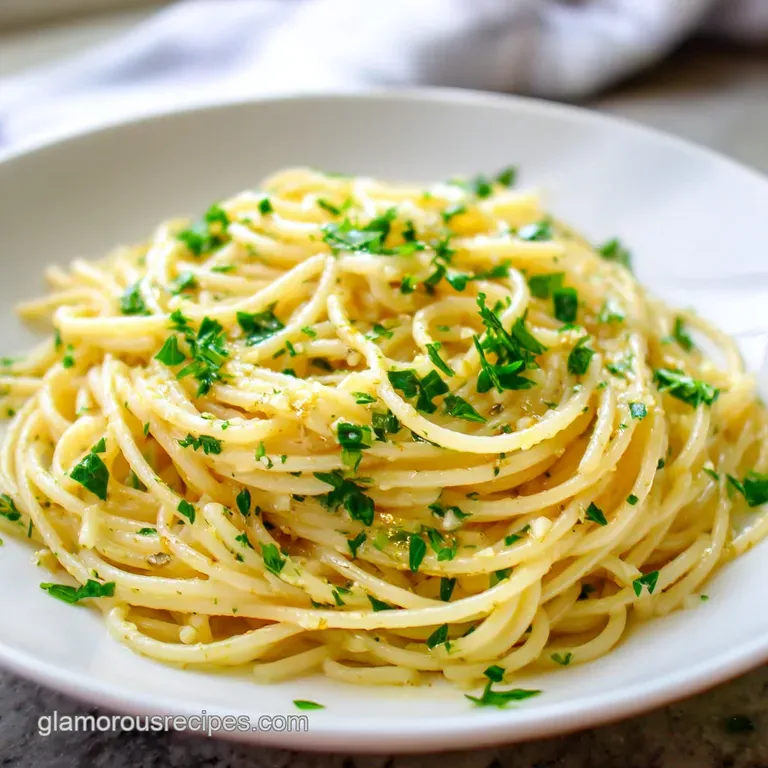
- Boil water. Fill a large pot with 4 qts water and bring to a rolling boil over high heat.
- Season heavily. Add 2 tbsp sea salt to the water. Note: This is your only chance to season the spaghetti itself.
- Cook pasta. Drop in 1 lb high-quality dried spaghetti and cook 1 minute less than the package directions until it has a firm core.
- Prep infusion. While pasta cooks, add 0.5 cup high-quality extra virgin olive oil and 10 large garlic cloves to a large, cold skillet.
- Slow toast. Turn heat to medium low and cook until garlic begins to sizzle and turn pale golden.
- Add spice. Stir in 1 tsp red pepper flakes and cook for 30 seconds until the oil turns slightly orange.
- Save liquid. Carefully scoop out 0.5 cup reserved starchy pasta water from the pot before draining.
- Combine elements. Drain the pasta and add it directly to the skillet with the garlic oil.
- Emulsify sauce. Pour in the reserved pasta water and increase heat to medium, tossing vigorously until the sauce looks creamy and coats the pasta.
- Final finish. Turn off the heat and fold in 0.5 cup fresh Italian flat leaf parsley until the greenery is evenly distributed.
Solving Texture and Flavor Problems
Why Your Garlic Is Bitter
If the garlic turns dark brown or black, it will release sulfurous compounds that taste incredibly bitter. This usually happens because the pan was too hot when the garlic was added or the heat wasn't managed during the infusion.
You want the garlic to stay pale and soft, providing a nutty sweetness rather than a burnt crunch.
Why Your Sauce Is Oily
When the oil and water refuse to bond, you're left with a greasy plate of pasta. This is usually due to a lack of agitation or not enough starch in the water. You need to toss the pasta aggressively in the pan; this physical movement helps the starch molecules trap the oil droplets, creating that coveted velvety texture.
| Problem | Root Cause | Solution |
|---|---|---|
| Dry Pasta | Water evaporated too fast | Add an extra splash of hot pasta water and toss. |
| No Garlic Flavor | Garlic slices too thick | Slice thinner or microplane 1 clove for an instant boost. |
| Too Much Heat | Too many pepper flakes | Balance with a squeeze of fresh lemon juice or more oil. |
- ✓ Slice garlic razor thin using a sharp knife or mandoline (prevents chunky bites)
- ✓ Start garlic in cold oil to ensure even flavor extraction
- ✓ Pull pasta out of the water 1-2 minutes early (it finishes in the pan)
- ✓ Toss the pasta vigorously while adding the water to build the emulsion
- ✓ Don't drain the pasta completely; a little extra water helps the sauce
Scaling for Large Groups Safely
If you need to double this recipe to serve 8 people, you can't just double everything blindly. For the spices, like the red pepper flakes, I usually only go to 1.5x the amount (1.5 tsp) to avoid overwhelming the dish.
When boiling 2 lbs of pasta, you’ll need a much larger pot to ensure the water stays starchy enough for the sauce without becoming a thick paste.
When scaling down for a solo meal, using a smaller skillet is key. If you use a massive pan for a single serving, the oil and water will spread too thin and evaporate before they can emulsify. For a fun protein heavy variation, you could even serve this alongside a Sardines in Tomato Sauce recipe to add an umami punch to the garlic base.
Debunking Old Italian Cooking Myths
- The Oil Rinse Myth: Many people think rinsing pasta after boiling prevents sticking. In reality, it washes away the essential starches we need to create the Aglio e Olio sauce. Never rinse your pasta!
- The Boiling Oil Myth: You don't need the oil to be smoking hot to cook garlic. High heat destroys the delicate fruity notes of extra virgin olive oil and burns the garlic before it can flavor the fat.
- The Salted Water Myth: Some say the water should be "salty as the sea." While we want it seasoned, 2 tbsp for 4 liters is plenty. Over salting can make the concentrated pasta water too salty for the final emulsion.
Fridge Storage and Zero Waste
You can store leftovers in an airtight container in the fridge for up to 3 days. To reheat, don't just microwave it; the oil will separate and the pasta will go rubbery. Instead, put it back in a skillet with a tiny splash of water or broth over medium heat, tossing until the emulsion reforms and the spaghetti is warmed through.
I don't recommend freezing this dish, as the texture of the pasta degrades significantly upon thawing.
For zero waste, save your parsley stems! Finely mince them and add them to the oil along with the garlic; they pack a massive punch of herbal flavor. If you have leftover garlic oil, it's a fantastic base for sautéing greens or brushing onto grilled bread the next day.
Finishing Touches and Serving Suggestions
Serving this dish is all about timing. It needs to hit the table while the emulsion is still hot and glossy. I love serving it in wide, shallow bowls that have been slightly warmed in the oven it keeps the oil from seizing up too quickly.
A final drizzle of fresh olive oil right at the table adds a raw, peppery finish that contrasts beautifully with the cooked garlic.
If you want to lean into the adventurous side of this recipe, a sprinkle of toasted breadcrumbs (mollica) can add a "shatter" of texture to every bite. While not traditional, a light grating of lemon zest over the top can also provide a bright, citrusy lift that cuts through the richness.
It’s these small, multicultural tweaks that take a simple Italian classic and turn it into your own signature creation.
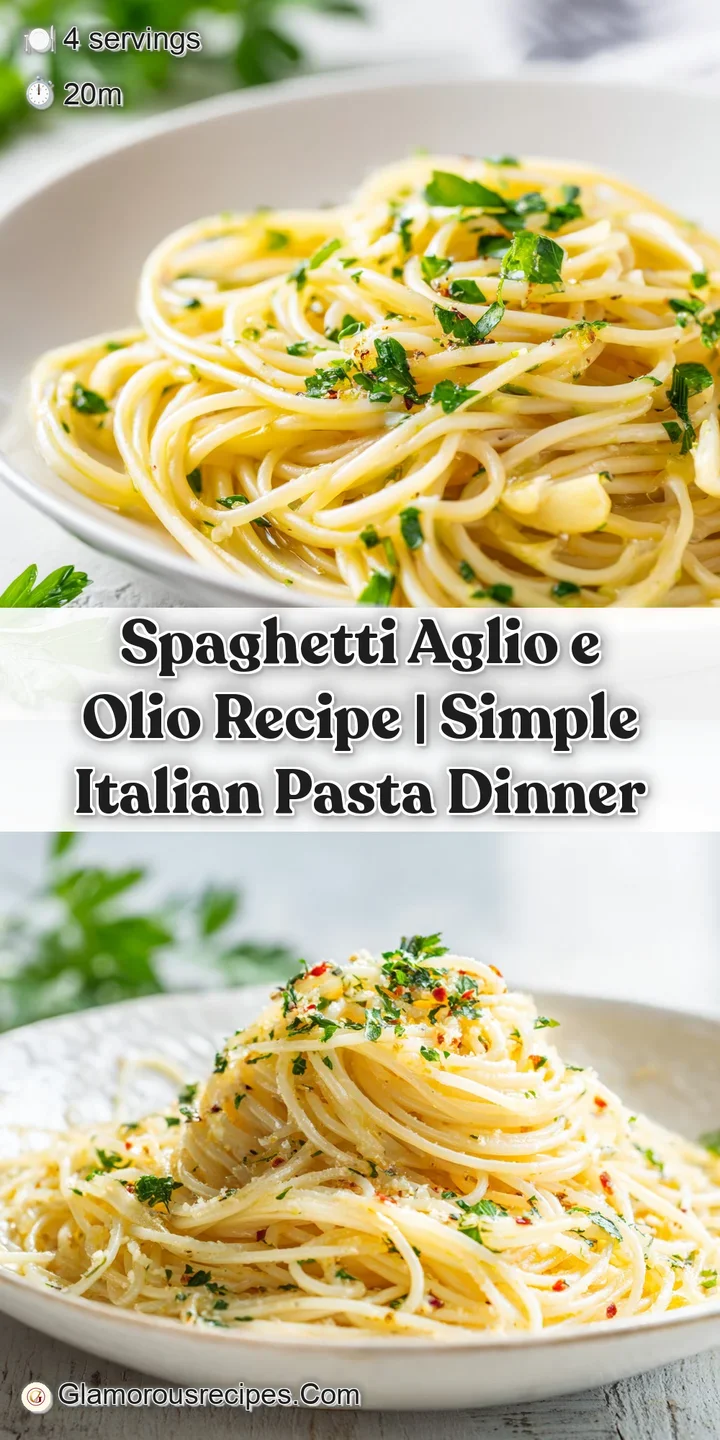
Recipe FAQs
What's the secret to a great aglio e olio?
Starch fat emulsification using starchy pasta water. You must vigorously toss the drained pasta with the garlic oil and reserved water off the heat to bind them into a glossy sauce.
What is aglio olio made of?
Spaghetti, extra virgin olive oil, garlic, red pepper flakes, and salt. Parsley is often added for freshness, but the core flavor comes strictly from those five pantry staples.
Is aglio olio healthy?
Yes, it is relatively healthy if using quality ingredients. It is naturally low in sugar and focuses on heart healthy fats from olive oil, although portion control of the oil is important.
What are the common mistakes in making aglio e olio?
Burning the garlic or failing to emulsify the sauce. Burning the garlic creates a bitter flavor, and skipping the vigorous tossing prevents the starchy water from binding with the olive oil into a sauce.
How to ensure the garlic infuses the oil without burning?
Start the sliced garlic in cold olive oil and heat slowly. This "cold start" allows the garlic to gently toast and flavor the fat before the temperature gets high enough to scorch the sensitive cloves.
Must I rinse the spaghetti after boiling before adding it to the oil?
No, never rinse the spaghetti. Rinsing washes away the necessary surface starch that acts as the glue to bind the fat (oil) and the liquid (pasta water) together.
Can I substitute olive oil with a lighter vegetable oil?
No, you should stick to high-quality extra virgin olive oil. The flavor of this dish relies heavily on the peppery, fruity notes of the EVOO, which lighter oils cannot replicate.
Spaghetti Aglio E Olio Recipe
Ingredients:
Instructions:
Nutrition Facts:
| Calories | 674 kcal |
|---|---|
| Protein | 14.9 g |
| Fat | 28.8 g |
| Carbs | 86.5 g |
| Fiber | 3.8 g |
| Sugar | 3.1 g |
| Sodium | 580 mg |
