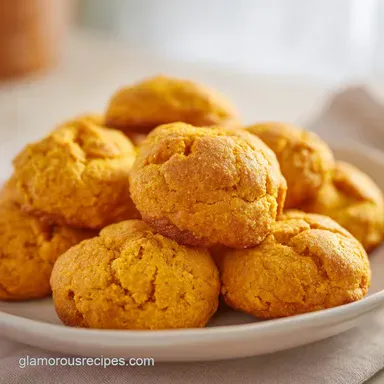
Soft and Chewy Pumpkin Spice Cookies: Velvety

- Time:15 minutes active + 10 minutes baking = Total 30 minutes
- Flavor/Texture Hook: Fragrant autumn spice with a shatter crisp sugar crust and a molten, velvety center
- Perfect for: Holiday dessert platters, cozy autumn gatherings, or a high impact treat for guests
- Soft and Chewy Pumpkin Spice Cookies
- The Secret To Proper Texture
- Essential Component Analysis
- The Complete Shopping List
- Necessary Kitchen Gear
- Detailed Baking Instructions
- Avoid These Common Pitfalls
- Troubleshooting Common Issues
- Customizing Your Batch
- Debunking Baking Myths
- Freshness and Storage Tips
- Curated Pairing Ideas
- Recipe FAQs
- 📝 Recipe Card
The smell of toasted cinnamon and warm cloves always hits me before I even open the oven door. I remember one October afternoon when I tried to rush a batch for a friend's housewarming.
I skipped the proper creaming of the butter, thinking the pumpkin would provide enough moisture, and ended up with something that felt more like a muffin than a cookie. It was a humbling reminder that in pastry, precision is the only way to achieve that elusive, dense chew.
Since then, I've treated the process like a science. The magic happens when you treat the butter and sugars as the structural foundation, letting the pumpkin puree act as the flavor and moisture vehicle without overwhelming the dough.
When you pull these out, they shouldn't look "done" in the traditional sense, but rather slightly underbaked in the middle, which is the key to that signature softness.
This recipe for soft and chewy pumpkin spice cookies focuses on the interplay between moisture and heat. We are aiming for a cookie that feels substantial, with a deep, caramelized flavor from the dark brown sugar and a fragrant punch from a precise spice blend. It's a refined approach to a seasonal classic, designed for those who value execution and texture over a quick, airy result.
Soft and Chewy Pumpkin Spice Cookies
When you first taste these, you'll notice a distinct contrast. The outer rim has a slight snap from the cinnamon sugar roll, but the interior is almost fudgy. This isn't an accident. By using dark brown sugar, we introduce more molasses, which binds with the pumpkin puree to create a heavier, more satisfying crumb.
The goal here is to avoid the "pumpkin bread" trap. Many recipes add too much puree, which introduces too much water, leading to a cakey texture. We use exactly 1/2 cup of pumpkin, which is just enough to provide that earthy, velvet quality without compromising the cookie's structural integrity.
If you've ever had a cookie that felt like a sponge, it's likely because the hydration ratio was off.
For those who love a truly artisan result, the key is in the temperature of your ingredients. Using room temperature eggs and softened butter ensures a stable emulsion. When the fats and liquids are in harmony, the cookies spread evenly and the spices are distributed with absolute precision.
Trust the process, and don't be tempted to overbake them.
The Secret To Proper Texture
Understanding the "why" behind the ingredients allows you to adjust the recipe with confidence. This isn't about following a list, but about managing the moisture and air.
- Sugar Interaction
- Dark brown sugar contains more moisture and acidity than granulated sugar, which softens the gluten in the flour and keeps the center tender.
- Pumpkin Hydration
- The puree adds a high volume of water and fiber, which we counteract by using a precise amount of flour to maintain a cookie like density.
- Leavening Control
- Baking soda reacts with the acidic pumpkin and brown sugar, creating just enough lift to keep the cookie from being a puck, while keeping it dense.
- Fat Emulsion
- Beating butter and sugar creates tiny air pockets that support the heavy pumpkin puree, preventing the cookie from collapsing into a flat disc.
To better understand how the method affects the final result, consider the difference between how we treat the spices and how we bake the dough. While most of the work happens in the oven, some cooks prefer a "stovetop" approach to their aromatics.
| Method | Heat Source | Texture Impact | Best For |
|---|---|---|---|
| Traditional Oven | Constant Dry Heat | Uniform rise and crisp edges | Standard batch baking |
| Stovetop Spice Toast | Direct Pan Heat | Deepens oils in cinnamon/ginger | Intense, aromatic flavor |
| Air Fryer | Rapid Circulation | Faster browning, drier edges | Single serve portions |
By toasting the cinnamon and ginger in a pan for 60 seconds before adding them to the flour, you can unlock a more complex, woody aroma. However, the oven remains the gold standard for achieving that specific soft and chewy pumpkin spice cookies consistency.
Essential Component Analysis
Every ingredient serves a structural purpose. If you remove or swap one without understanding its role, the texture will shift.
| Ingredient | Science Role | Pro Secret |
|---|---|---|
| Dark Brown Sugar | Humectant & Flavor | Use "Dark" for a deeper, molasses rich chew |
| Pumpkin Puree | Moisture & Bulk | Blot excess water with a paper towel for density |
| Baking Soda | pH Balancer/Lift | Ensures a golden hue through browning |
| All Purpose Flour | Structure | Measure by weight to avoid "cakey" cookies |
Choosing the right flour is critical. According to the guidelines at King Arthur Baking, the protein content of your flour determines how much gluten develops. For these cookies, a standard all purpose flour provides the necessary balance between strength and tenderness.
The Complete Shopping List
For the best result, ensure your butter is softened to about 65°F (18°C). If it's too melted, the cookies will spread too much; if it's too cold, you won't get the necessary aeration.
- 1/2 cup (115g) unsalted butter, softened Why this? Provides the fat base for a tender crumb
- 3/4 cup (150g) dark brown sugar, packed Why this? Adds molasses for chewiness
- 1/2 cup (100g) granulated sugar Why this? Creates the crisp outer edge
- 1/2 cup (120ml) pumpkin puree Why this? Provides the signature flavor and moisture
- 1 large egg, room temperature Why this? Binds the fats and liquids
- 1 tsp (5ml) vanilla extract Why this? Rounds out the spice profile
- 2 cups (250g) all purpose flour Why this? Builds the cookie structure
- 1 tsp (5g) baking soda Why this? Provides lift and browning
- 1/2 tsp (3g) salt Why this? Enhances the sweetness and spice
- 1 1/2 tsp (6g) ground cinnamon Why this? The primary aromatic note
- 1/2 tsp (1g) ground ginger Why this? Adds a subtle, sharp heat
- 1/4 tsp (1g) ground cloves Why this? Provides a deep, pungent warmth
- 1/4 tsp (1g) ground nutmeg Why this? Adds a nutty, earthy finish
- 2 tbsp (16g) granulated sugar (for rolling)
- 1 tsp (2g) ground cinnamon (for rolling)
Substitution Guide
| Original Ingredient | Substitute | Why It Works |
|---|---|---|
| Dark Brown Sugar | Light Brown Sugar | Similar moisture. Note: Lacks the deep molasses flavor |
| Unsalted Butter | Coconut Oil (Solid) | Similar fat content. Note: Adds a slight coconut taste |
| All Purpose Flour | 1:1 gluten-free Blend | Mimics protein structure. Note: May result in a slightly grainier crumb |
It's important to stick to the pumpkin puree, not pumpkin pie filling. Pie filling contains added sugar and spices that will throw off the hydration and flavor balance of this recipe.
Necessary Kitchen Gear
To execute this with precision, you'll need a few specific tools. While a hand mixer works, a stand mixer such as a KitchenAid allows for a more consistent creamed base.
- Stand mixer or electric hand mixer
- Digital kitchen scale (for accuracy)
- Two mixing bowls (one for wet, one for dry)
- Rubber spatula for folding
- Baking sheets (rimmed)
- Parchment paper or silicone mats
- Cookie scoop (1.5 tablespoon size)
Using parchment paper is a non negotiable for me. It prevents the bottoms from over browning and makes cleanup effortless, allowing you to focus on the pastry rather than the scrubbing.
Detailed Baking Instructions

Follow these steps with precision. The timing is tight, but the result is a professional grade treat.
Phase 1: Creaming the Base
- Beat the softened butter with the brown and granulated sugars. Mix on medium high until the mixture is pale and fluffy. Note: This incorporates air, preventing the cookies from becoming too dense.
- Add the egg and vanilla extract. Beat on medium speed until fully emulsified and glossy. Note: A glossy batter indicates the fat and egg have bonded perfectly.
- Stir in the pumpkin puree. Mix until just combined. Note: Do not overbeat here, or you'll incorporate too much air, making the cookies cakey.
Phase 2: Incorporating Dry Ingredients
- In a separate bowl, whisk together the flour, baking soda, salt, cinnamon, ginger, cloves, and nutmeg. Note: Whisking removes lumps and ensures spices are evenly distributed.
- Slowly fold the dry ingredients into the wet batter. Mix until no streaks of flour remain. Note: Use a spatula to fold gently; overmixing develops gluten, which ruins the "soft" quality.
Phase 3: The Finishing Touch and Bake
- Scoop rounded tablespoons of dough and roll them into balls. Note: Uniform size ensures they all bake at the same rate.
- Roll each ball in the mixture of 2 tbsp granulated sugar and 1 tsp ground cinnamon until evenly coated.
- Place cookies on a lined baking sheet. Bake at 350°F (175°C) for 10 minutes until edges are golden but centers still look slightly soft.
- Let the cookies cool on the pan for 5 minutes to set. Note: This "carryover" cooking finishes the center without drying out the edges.
Chef's Tip: To get a perfectly round cookie with a "cracked" top, gently press the rolled balls down with the bottom of a glass dipped in sugar just before they enter the oven.
Avoid These Common Pitfalls
The most common issue with this pumpkin spice cookies recipe is a texture that feels more like a cake than a cookie. This usually happens when there is too much moisture or too much air incorporated during the final mixing stage.
Troubleshooting Common Issues
| Issue | Solution |
|---|---|
| Why Your Cookies Are Cakey | This is usually caused by over beating the batter after the flour is added. When you mix too vigorously, you create a structure that is too airy. Ensure you are folding the flour in, not whipping it. |
| Why Your Cookies Spread Too Much | If your butter was too warm (almost melted), the fat releases too quickly in the oven. This causes the cookie to flatten before the flour has a chance to set. |
| Why Your Cookies Are Dry | Overbaking is the enemy of "chewy." Because these cookies have a high moisture content from the pumpkin, they look underdone when they are actually perfect. If they look "done" in the oven, they will |
Precision Checklist for Success:
- ✓ Butter is softened but still holds its shape when pressed.
- ✓ Pumpkin puree is pure, not "pie filling."
- ✓ Flour is leveled off or weighed for accuracy.
- ✓ Oven is fully preheated to 350°F (175°C).
- ✓ Cookies are removed while the centers still look slightly "wet."
Customizing Your Batch
Once you've mastered the base, you can start playing with the profile. The beauty of this recipe is its stability, allowing for a few sophisticated additions.
For a Decadent Twist
Fold in 1/2 cup of dark chocolate chips or white chocolate chunks. The bitterness of dark chocolate pairs beautifully with the warmth of the cloves and nutmeg.
For a Maple Infusion
Replace the vanilla extract with 1 tsp of pure maple extract. For an even deeper flavor, brush the cooled cookies with a tiny amount of maple syrup.
For a gluten-free Option
You can use a high-quality 1:1 gluten-free flour blend. However, since gluten-free flours often absorb more liquid, you may need to add 1 extra tablespoon of pumpkin puree if the dough feels too stiff. If you're looking for other textures, you might enjoy my Applesauce Oatmeal Cookies recipe for a different kind of soft crumb.
Adjusting the Batch Size
When scaling a recipe with high moisture like pumpkin, you can't always just double the numbers.
- Scaling Down (1/2 Batch): Use 1/2 an egg (beat the egg in a bowl and measure out 2 tbsp). Use a smaller baking sheet and reduce the bake time by 1-2 minutes.
- Scaling Up (2x Batch): Increase salt and spices to 1.5x only; too much clove or nutmeg can become medicinal. Work in batches to avoid overcrowding the oven, which drops the temperature.
- Baking Double Batches: Lower the oven temperature to 325°F (160°C) and extend the time by 2-3 minutes to ensure the middle of the tray bakes as evenly as the edges.
Debunking Baking Myths
There are a few misconceptions about pumpkin baking that often lead home cooks astray. Let's clear those up.
Myth: Chilling pumpkin dough is mandatory. Unlike chocolate chip cookies, pumpkin dough is more like a batter. While chilling can help with spreading, it doesn't "develop flavor" in the same way a sourdough or a shortbread does. If your butter was the right temperature, you can bake these immediately.
Myth: More pumpkin equals more flavor. Actually, adding more pumpkin puree just adds more water. This dilutes the flavor and makes the cookie cakey. To increase the "pumpkin ness," roast your puree in the oven for 20 minutes to evaporate excess water before adding it to the batter.
Myth: Using a higher temp creates a better "chew." High heat (like 375°F) sears the outside and leaves the inside raw. The "chew" comes from the interaction of the brown sugar and the slow setting of the flour at 350°F.
Freshness and Storage Tips
Because of the moisture in the pumpkin, these cookies can spoil faster than a standard sugar cookie if not stored correctly.
Storage Guidelines Keep these in an airtight container at room temperature for up to 3 days. For longer storage, place them in the fridge for up to a week. I highly recommend placing a piece of parchment paper between layers to prevent them from sticking.
Freezing and Reheating These freeze beautifully. Wrap each cookie individually in plastic wrap and place them in a freezer bag for up to 3 months. To reheat, pop them in a 300°F (150°C) oven for 3-5 minutes.
This restores that "just baked" velvety center.
Zero Waste Tips If you have a leftover half can of pumpkin puree, don't toss it. Freeze it in 1/4 cup portions on a tray, then move them to a bag. You can also stir the leftover puree into your morning oatmeal or blend it into a smoothie for an extra nutrient boost. For another rich treat to pair with your pumpkin cookies, try my Homemade Pecan Turtle Candy.
Curated Pairing Ideas
These soft and chewy pumpkin spice cookies are rich and fragrant, so they pair best with drinks or flavors that provide a sharp or creamy contrast.
- The Classic Pair: A hot Chai latte or a dark roast coffee. The bitterness of the coffee cuts through the sweetness of the brown sugar.
- The Sophisticated Sip: A glass of chilled Prosecco or a crisp Apple Cider. The acidity of the cider complements the earthy notes of the nutmeg and cloves.
- The Dessert Board: Serve these alongside sliced Granny Smith apples and a dollop of whipped mascarpone cheese for a complete autumn experience.
- Temperature Play: Serve the cookies slightly warm with a cold scoop of vanilla bean ice cream. The heat of the cookie creates a small pool of melted ice cream that mimics a glaze.
Recipe FAQs
Why are my pumpkin spice cookies cakey?
Stop over-beating the batter after adding flour. Mixing too vigorously creates an overly airy structure; fold the dry ingredients in gently until no streaks remain.
Why did my cookies spread too much?
Ensure your butter is softened, not melted. If the butter is too warm, the fat releases too quickly in the oven, causing the cookie to flatten before the flour sets.
How to keep these cookies from becoming dry?
Remove them from the oven while centers still look slightly soft. Overbaking is the enemy of chewiness; allow the cookies to set on the pan for 5 minutes to finish cooking.
Is it true that pumpkin pie filling is a direct substitute for pumpkin puree?
No, this is a common misconception. Pumpkin pie filling contains added sugars and spices that will disrupt the balance of the recipe's official ingredients.
How to store these cookies to maintain their softness?
Keep them in an airtight container at room temperature. This prevents air from drying out the crumb and preserves the signature chewy texture.
Why roll the dough balls in cinnamon sugar?
Create a crisp, sweet exterior. The cinnamon-sugar coating provides a concentrated flavor burst and a slight crunch that contrasts with the soft interior.
How to cream the butter and sugars correctly?
Beat the softened butter with brown and granulated sugars until pale and fluffy. If you enjoyed mastering this aeration technique here, see how the same principle works in our chewy peanut butter cookies.
Pumpkin Spice Cookies in 25 Minutes