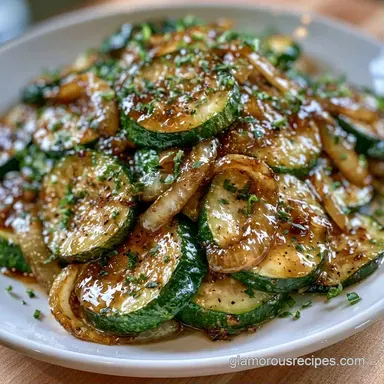
Pan-Seared Skillet Zucchini and Onions
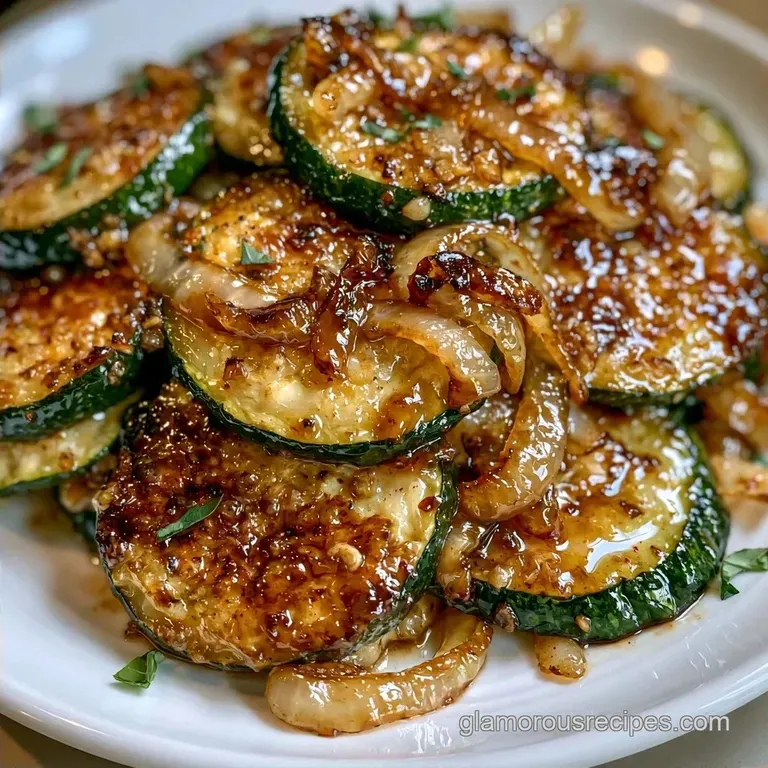
- Time: 5 min active + 10 min cook
- Flavor/Texture Hook: Mahogany browned edges with a bright, salty finish
- Perfect for: A fast weeknight side dish or healthy meal prep
The loud sizzle of olive oil hitting a hot pan is the only alarm clock I need when I'm prepping dinner. I remember one specific Tuesday when I tried to "steam sauté" zucchini by crowding a tiny pan and keeping the heat low.
I ended up with a pile of grey, watery squash that looked more like a soup than a side dish. It was a mess, and I almost gave up on the vegetable entirely.
Then I shifted my approach. I realized that zucchini is mostly water, and if you don't lock in the exterior quickly, that water leaks out and boils the veg. By cranking the heat and giving the zucchini space to breathe, you get those deep brown edges that taste like they've been grilling for hours.
You can expect a side dish that's bright, savory, and ready in about 15 minutes. This Skillet Zucchini and Onions recipe focuses on efficiency and structural integrity. We're going for a result where the onion is translucent and sweet, while the zucchini still has a slight bite to it.
Why These Veggies Stay Crisp
The main hurdle with squash is avoiding the "mush factor." Most people stir too much or use too little heat, which causes the cell walls to collapse and leak moisture.
High Heat Sear: Using a high flame browns the zucchini surface in about 2 minutes. This creates a barrier that keeps the inside tender but prevents the vegetable from turning into a sponge.
Staggered Entry: Onions take longer to soften and caramelize than zucchini. Starting them first ensures they're sweet and golden by the time the zucchini is finished.
| Goal | What to change |
|---|---|
| More Char | Use a stainless steel pan and higher heat |
| Softer Veggies | Cover the pan with a lid for 60 seconds |
| Vegan | Swap Parmesan for nutritional yeast |
This approach is much faster than roasting, which can take 30 minutes, and tastes better than steaming. It's all about that direct contact with the hot metal.
Fast Facts for This Dish
Since we're using a minimal tools approach, you only need one pan and a knife. This is a low stress recipe that doesn't require a kitchen full of gadgets.
| Method | Time | Texture | Best For |
|---|---|---|---|
| Fresh Sauté | 15 mins | Tender crisp | Quick weeknights |
| Oven Roast | 30 mins | Soft/Concentrated | Large crowds |
| Steamed | 8 mins | Soft/Bland | Diet specific needs |
The difference between using fresh produce and shortcuts is noticeable here. Fresh zucchini has a snap that you just can't get from frozen, which often turns to mush the second it hits the heat.
Shopping List Breakdown
When you're at the store, look for zucchinis that feel heavy for their size and have a firm skin. If the skin feels soft or "squishy," skip it.
| Component | Purpose | Substitute Notes |
|---|---|---|
| Zucchini | Main bulk and structure | Yellow squash works similarly |
| Yellow Onion | Aromatic sweetness | Shallots for a milder, refined taste |
| Parmesan | Salty, nutty finish | Pecorino Romano adds more salt |
The full list:
- 2 medium zucchinis, sliced into ½-inch rounds (approx. 1 lb / 450g)Why this? Uniform thickness ensures even cooking.
- 1 medium yellow onion, thinly sliced (approx. 6 oz / 170g)Why this? Yellow onions have the best sugar to sulfur balance for browning.
- 3 cloves garlic, minced (approx. 1 tbsp / 15g)
- 2 tbsp extra virgin olive oilWhy this? High smoke point and rich flavor.
- ½ tsp kosher salt
- ¼ tsp freshly cracked black pepper
- 1 tbsp fresh lemon juiceWhy this? Cuts through the fat of the cheese and oil.
- 2 tbsp grated Parmesan cheese
- 1 tbsp chopped fresh parsley
Ingredient Swaps:
- Zucchini: Yellow squash (Similar moisture content, slightly sweeter)
- Parmesan: Pecorino (Saltier, sheep's milk profile)
- Lemon Juice: White wine vinegar (Similar acidity, slightly more pungent)
- Olive Oil: Avocado oil (Better for extremely high heat)
Basic Tools for the Job
You don't need a professional setup for Skillet Zucchini and Onions. A simple, wide pan is your best friend here.
I highly recommend a 12 inch skillet. If you use a smaller pan, the vegetables will pile up on top of each other. This creates steam, and steam is the enemy of a good sear. If you only have a small pan, just cook the zucchini in two batches.
A sharp chef's knife is the only other essential. You want those zucchini coins to be the same thickness so some aren't burnt while others are raw. A stainless steel pan is great for a deep brown crust, but a non stick pan works if you're worried about the Parmesan sticking at the end.
How to Sauté Your Veggies
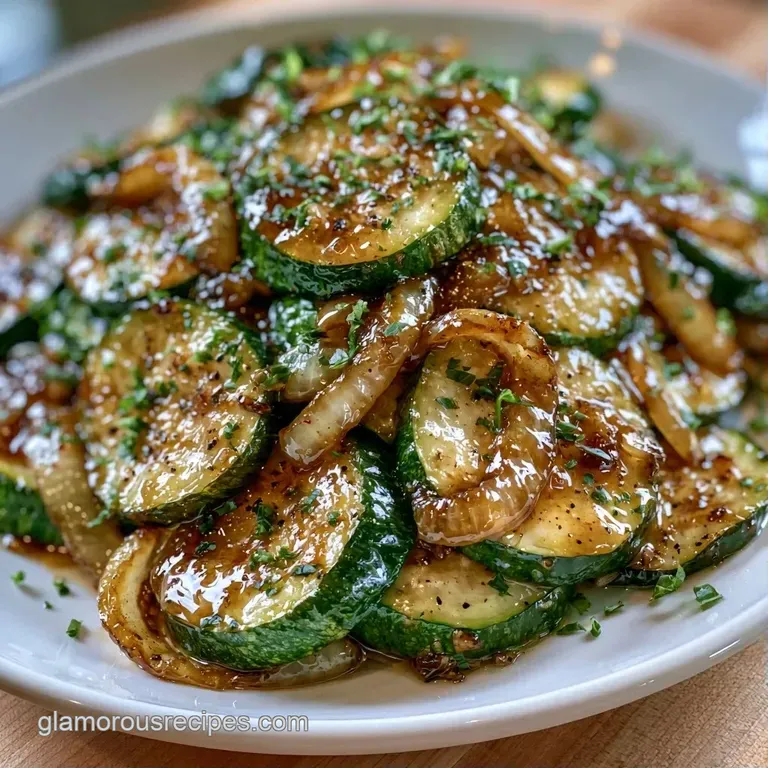
Right then, let's get cooking. Keep everything prepped and next to the stove because this moves fast.
- Slice the zucchini into uniform ½-inch coins and thinly slice the onions into half moons.
- Place a 12 inch skillet over medium high heat and add the olive oil. Once the oil shimmers, add the onions.
- Sauté onions for 4–5 minutes, stirring occasionally, until translucent and starting to show golden brown edges.
- Stir in the minced garlic and cook for 30 seconds until it smells fragrant. Note: Don't let the garlic turn dark brown or it will taste bitter.
- Increase heat to high and add the zucchini in a single layer. Let them sit undisturbed for 2 minutes until a mahogany colored sear forms.
- Toss and cook for another 3–4 minutes, stirring occasionally, until the zucchini are tender but still hold their shape.
- Remove the skillet from the heat. Immediately sprinkle with salt and black pepper.
- Stir in the lemon juice, Parmesan cheese, and fresh parsley, allowing the residual heat to melt the cheese.
Chef Note: If the pan looks too dry before adding the zucchini, add one more teaspoon of oil. A dry pan leads to sticking, not searing.
Handling Common Pan Problems
Even straightforward dishes can run into trouble. Most problems when making Skillet Zucchini and Onions are usually the result of poor heat management.
Avoiding a Soggy Pan
If your vegetables are swimming in liquid, the pan was likely too crowded or not hot enough. Moisture escapes when the surface doesn't sear the vegetables quickly enough to seal them. To fix this mid-cook, turn the heat to the highest setting and stop stirring for 2 minutes.
This evaporates the extra water and allows the browning process to begin.
Preventing Burnt Garlic
Garlic burns far more quickly than onions. Adding it too early can result in black, bitter bits that ruin the dish. Always stir in the garlic during the final 30 seconds before adding the zucchini. If you notice it browning too rapidly, toss in the zucchini immediately to drop the pan's temperature.
Correcting Uneven Texture
If some zucchini coins are mushy while others are still raw, the slices were likely uneven. For your next batch, try using a mandoline or be more precise with the ½-inch thickness. In the meantime, slide the softer pieces toward the edges of the pan and keep the raw ones in the center of the heat.
Other Ways to Flavor It
The original is fantastic, but it's easy to customize based on your available ingredients. For a Mediterranean flair, substitute the Parmesan with crumbled feta and toss in some halved kalamata olives at the end.
To add some heat, stir in a pinch of red pepper flakes when you add the garlic for a subtle warmth that enhances the lemon. This side pairs perfectly with a Bread Salad with Sourdough recipe to create a hearty vegetarian meal.
Alternative squash options also work well. Patty pan or yellow crookneck zucchini are great substitutes for this Skillet Zucchini and Onions method; just ensure the slices are the same thickness as the green zucchini.
Saving and Reheating Leftovers
Keep leftovers in a glass jar in the refrigerator for 3 days. Note that the lemon and salt will continue to break down the zucchini, so it will lose its crispness by the third day.
When reheating, avoid using the microwave, which often makes zucchini rubbery. Instead, toss the leftovers into a hot skillet for 2–3 minutes to restore that original sear. If the dish appears too dry, add a small splash of water or a drizzle of olive oil.
Avoid discarding the zucchini ends or onion skins. I save these scraps in a freezer bag, and once it's full, I boil them along with bay leaves and peppercorns to make a fast vegetable stock.
Plating and Pairing Tips
This side dish is highly versatile. Its salty and acidic profile helps cut through rich proteins, making it a great match for roast chicken or grilled salmon. For a bolder option, it pairs unexpectedly well with Sardines in Tomato Sauce for a savory, umami heavy dinner.
Keep the plating uncomplicated. Mound the zucchini in a shallow bowl and garnish with a dusting of Parmesan and some fresh parsley. The contrast of the bright green herbs against the deep brown zucchini gives it a professional, restaurant style look.
When serving a crowd, keep the zucchini in the pan over the lowest possible heat until the moment you serve. This keeps them from cooling down while you finish the rest of the meal. Trust me, the difference between warm and room temperature zucchini is significant for the final flavor.
Recipe FAQs
Do you sauté onions or zucchini first?
Sauté onions first because they require more time to soften and brown.
Tip: Cook them over medium high heat for 4 5 minutes before adding garlic.
How to avoid soggy zucchini in the skillet?
Increase heat to high and sear the zucchini in a single layer undisturbed for 2 minutes.
Tip: Avoid overcrowding the pan to prevent the vegetables from steaming in their own juices.
Is it true that zucchini and onions cannot be cooked together?
Surprisingly, no. They pair perfectly if you stagger their entry into the pan.
Tip: Add the zucchini only after the onions have developed golden brown edges.
Which cuts work best for these vegetables?
Slice the zucchini into uniform 1/2 inch coins and the onions into thin half moons.
Tip: Uniform sizing ensures even cooking, a principle also used in our succotash side dish.
Skillet Zucchini And Onions