Lebanese 7 Spice Blend
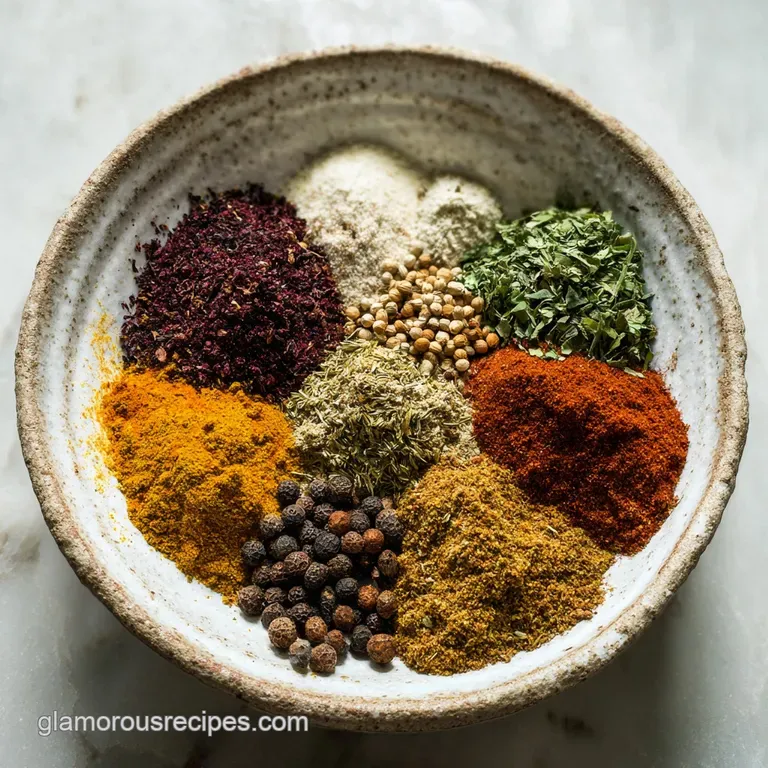
- Time: Active 5 minutes, Passive 1 min, Total 6 mins
- Flavor/Texture Hook: Warm, aromatic, and deeply earthy with a floral finish
- Perfect for: Deepening the flavor of stews, grilled meats, and rice pilafs
- Achieve Bold Aromatic Depth with Lebanese 7 Spice
- The Science of Why it Works
- Component Analysis
- Selecting Your Pantry Staples
- Essential Tools for Spice Blending
- Simple Steps to Fragrant Perfection
- Expert Secrets for Better Blends
- Adjusting for Large Batches
- Creative Twists on the Classic
- Long Term Storage and Preservation
- Incredible Ways to Use It
- Debunking Spice Myths
- Lebanese 7 Spice FAQs
- 📝 Recipe Card
Achieve Bold Aromatic Depth with Lebanese 7 Spice
Ever opened a jar of store-bought "Baharat" only to find it smells like dusty cardboard? I've been there, and honestly, it's heartbreaking. You're trying to recreate that incredible, soul warming aroma from your favorite Lebanese spot, but the pre ground stuff just doesn't hit the mark.
That's exactly why I started making my own Lebanese 7 Spice at home.
The problem with many spice blends is that they sit on shelves for months, losing their volatile oils and their "soul." By mixing your own, you control the freshness and the ratios. We’ve all had that one dish where the cinnamon was too aggressive or the cloves made our tongues feel numb.
This recipe finds that sweet spot where every spice works in harmony, not competition.
Right then, let's get into what makes this blend a total staple in my kitchen. It’s not just for Middle Eastern dishes; it’s my secret weapon for fusion cooking. Whether you’re rubbing it onto a roast or stirring it into a hearty stew, this blend adds a layer of complexity that’ll have your friends asking what your "secret ingredient" is.
Trust me on this one, once you go homemade, you'll never go back.
The Science of Why it Works
Terpene Synergy: The essential oils in cinnamon and clove interact on a molecular level to create a perceived "warmth" that lingers on the back of the palate without being spicy hot.
Oleoresin Release: Black pepper provides immediate heat through piperine, while nutmeg offers a slower aromatic release, creating a multi dimensional flavor profile that unfolds as you eat.
| Method | Time | Texture | Best For |
|---|---|---|---|
| Raw Blend | 5 minutes | Fine powder | Long simmered stews and braises |
| Flash Toasted | 6 minutes | Gritty, intense | Dry rubs for grilled meats |
| Sifted Mix | 8 minutes | Silky, uniform | Delicate sauces and rice garnishes |
I usually stick to the raw blend for my everyday cooking because the spices get "cooked" in the pan anyway. However, if I'm making a quick dry rub for a steak, that one minute flash toast in a dry skillet is a total move.
It wakes up the oils and creates a much more punchy aroma that hits you the second the meat touches the grill.
Component Analysis
| Ingredient | Science Role | Pro Secret |
|---|---|---|
| Ground Allspice | Flavor Anchor | Provides the "all in-one" base that bridges sweet and savory. |
| Black Pepper | Heat Catalyst | Increases the bioavailability of other spices and adds a sharp bite. |
| Ground Fenugreek | Aromatic Bridge | Adds a distinct, maple like bitter sweetness that screams "authentic." |
Fenugreek is the one most people skip, but it's the soul of this blend. It has a slightly nutty, maple like scent that rounds out the sharper notes of the cloves and ginger. If you leave it out, the blend feels like it's missing its "bass note."
Selecting Your Pantry Staples
- 2 tablespoons (14g) ground allspice: Why this? The backbone of the blend, offering notes of clove, nutmeg, and cinnamon.
- 2 tablespoons (14g) ground black pepper: Why this? Adds essential heat and a sharp, woodsy bite to balance the sweets.
- 2 tablespoons (12g) ground cinnamon: Why this? Provides a woody sweetness and a comforting, familiar aroma.
- 1 tablespoon (7g) ground cloves: Why this? Extremely potent; adds a medicinal warmth and intense floral spice.
- 1 tablespoon (7g) ground nutmeg: Why this? Offers a nutty, slightly sweet depth that lingers on the tongue.
- 1 tablespoon (7g) ground fenugreek: Why this? The "secret" ingredient that provides a bitter sweet, authentic Middle Eastern finish.
- 1 tablespoon (6g) ground ginger: Why this? Adds a bright, zesty lift and a subtle back of-the throat heat.
| Original Ingredient | Substitute | Why It Works |
|---|---|---|
| Allspice | Equal parts Cinnamon, Clove, Nutmeg | Mimics the complex flavor profile. Note: Slightly less "earthy" than true allspice. |
| Fenugreek | Yellow Mustard Powder | Provides a similar bitter floral note and yellowish hue. |
| Cloves | Extra Allspice | Keeps the warmth but loses the intense "numbing" floral punch. |
If you're out of fenugreek, don't panic. Using a bit of mustard powder works in a pinch, though the aroma will be slightly different. For a really fun fusion twist, I sometimes use this blend in my French Toast Without Vanilla recipe to give it a sophisticated, spiced edge that isn't just basic cinnamon.
Essential Tools for Spice Blending
You don't need much for this, but a few specific tools make the process smoother. A fine mesh sieve is my favorite "pro" move. Sifting the spices together doesn't just mix them; it aerates them, ensuring you don't get a big clump of clove in one bite and nothing in the next.
Chef's Tip: Freeze your whole nutmeg for 10 minutes before grating it. The cold prevents the oils from gumming up your microplane, resulting in a much fluffier, more aromatic powder.
I also recommend using a glass jar for storage. Plastic tends to absorb the oils from the cloves and cinnamon, which can ghost into whatever you store in that container next. Plus, glass keeps the spices much fresher by providing a better airtight seal.
Simple Steps to Fragrant Perfection
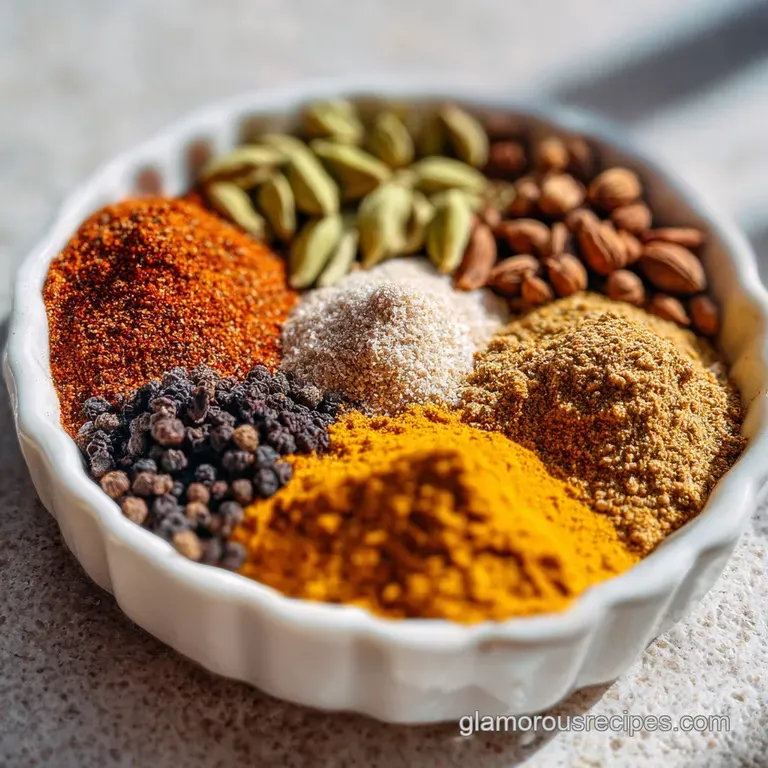
- Measure your spices carefully. Use a level measuring spoon for the 2 tablespoons (14g) ground allspice and 2 tablespoons (14g) ground black pepper. Note: Precision prevents one spice from dominating.
- Sift the 2 tablespoons (12g) ground cinnamon and 1 tablespoon (7g) ground nutmeg into a medium glass bowl. Look for a fine, dust like texture with no clumps.
- Add the 1 tablespoon (7g) ground cloves and 1 tablespoon (6g) ground ginger to the bowl.
- Incorporate the 1 tablespoon (7g) ground fenugreek. Smell for that distinctive maple like sweetness hitting your nose.
- Whisk the mixture vigorously for at least 30 seconds. Observe the color shifting into a uniform, deep mahogany brown.
- Optional Flash Toast: If using immediately for a rub, heat a dry skillet for 1 minute, then toss the spices in for 30 seconds until the aroma becomes punchy and toasted.
- Transfer the blend into a clean, dry glass jar using a small funnel or a folded piece of parchment paper.
- Seal the lid tightly. Give it one final shake to ensure the heavier pepper grains haven't settled at the bottom.
- Label the jar with the date. Spices are best used within 6 months for maximum "oomph."
Expert Secrets for Better Blends
Why Your Spice Blend Smells Bitter
If your blend has a harsh, bitter aftertaste, it’s usually the cloves or the fenugreek overstaying their welcome. These two are "bully spices" they like to take over the schoolyard. Make sure you aren't heaping your tablespoons. A level measure is key here.
| Problem | Root Cause | Solution |
|---|---|---|
| Dulling Aroma | Heat or light exposure | Store in a cool, dark cupboard, never above the stove. |
| Clumping Mix | Moisture in the jar | Ensure jar is 100% dry; add a few grains of rice to absorb humidity. |
| Gritty Texture | Coarse black pepper | Use a fine grind pepper or pulse the final mix in a spice grinder. |
Common Mistakes Checklist
- ✓ Use spices that have been opened for less than a year for the best flavor.
- ✓ Never measure spices directly over the mixing bowl (steam from the stove can get into your spice jars).
- ✓ Ensure your storage jar is completely bone dry before adding the blend.
- ✓ Whisk for longer than you think uniformity is what makes the blend "professional."
- ✓ If toasting, stay by the pan; spices burn in a heartbeat and turn acrid.
Adjusting for Large Batches
When you're scaling this recipe up for meal prep or gifts, keep the ratios strict. If you're doubling it to make 48 servings, the salt and more pungent spices like cloves can sometimes feel overwhelming if you're not careful.
I usually scale the cloves and ginger to about 1.5x instead of a full 2x if I'm making a massive batch, just to keep the balance elegant.
For smaller "tester" batches, you can easily halve the recipe. Use a small whisk or even a fork to make sure the tiny amounts of ginger and nutmeg are fully distributed. Since there's no "cooking" involved in the base mix, you don't need to worry about pan sizes or heat adjustments just keep those ratios in check.
| Freshness Factor | Whole Spices (Grind Yourself) | Pre Ground (Standard) |
|---|---|---|
| Potency | Extremely High | Moderate |
| Shelf Life | 12 months+ | 6 months |
| Effort Level | High (Requires Grinder) | Low (Quick Mix) |
Creative Twists on the Classic
While this is a traditional Lebanese 7 Spice, I love playing with the "vibe" depending on what I'm cooking. If I’m going for a more "Aleppo style" profile, I’ll add a teaspoon of smoked paprika or Urfa Biber (dried Turkish chili) for a dark, smoky heat. It completely changes the game for lamb dishes.
- For a "Sweet" Twist: Add a half teaspoon of cardamom. It makes the blend lean into the floral notes, perfect for spiced cakes or cookies.
- For a "Savory" Kick: Mix in a teaspoon of dried garlic powder. This is my go to when I'm using the blend as a quick dry rub for chicken.
- The Keto Move: Since spices are naturally low carb, this blend is already keto friendly. Use it to season fatty cuts of meat like ribeye or lamb shoulder to keep things exciting without adding sugar laden sauces.
Long Term Storage and Preservation
The enemies of spice are heat, light, and air. If you store this jar on the shelf right above your stove, the heat will kill the flavor in weeks. I keep mine in a dark drawer or a cupboard far from the oven. It'll stay "punchy" for about 6 months, after which it starts to fade into a generic "warm" scent.
If you find you have leftovers or a batch that's starting to lose its edge, don't toss it! Use it to infuse oils or vinegars. Heating the "tired" spices in some neutral oil can coax out the last of those aromatic compounds, creating a gorgeous spiced oil for drizzling over hummus or roasted veggies.
It’s a great zero waste hack for your pantry.
Incredible Ways to Use It
This blend is a workhorse. My favorite way to use it is in a traditional Lebanese "Kousa Mahshi" (stuffed zucchini), but it's equally at home in a Chicken Burrito recipe if you want to give your Mexican night a multicultural fusion twist. The warmth of the cinnamon and allspice plays beautifully with lime and cilantro.
- Roasted Root Veggies: Toss carrots or sweet potatoes in olive oil and a heavy dusting of 7 Spice before roasting. The sugars in the veggies caramelize with the spices for a "shatter crisp" exterior.
- Lamb Chops: Rub the blend into the meat 30 minutes before grilling. The cloves and pepper cut right through the richness of the lamb fat.
- Spiced Rice: Sauté a teaspoon of the blend in butter before adding your rice and water. It turns a boring side dish into something velvety and fragrant.
Debunking Spice Myths
I used to hear that "spices don't expire," but that's a total myth. While they won't usually make you sick, they lose their chemical potency. If your cinnamon doesn't make you sneeze a little when you take a big whiff, it’s probably past its prime.
Another big one is that "more is better." With spices like cloves and nutmeg, too much can actually create a metallic, soapy taste that ruins a dish.
Searing meat doesn't "seal in juices," and similarly, adding spices to cold oil doesn't "lock in flavor." You want to "bloom" your spices in warm fat to release the fat soluble flavor compounds. This simple 1 minute step in the pan makes a massive difference in the final taste of your meal.
Right then, you're ready to master the aromatic arts go get blending!
Lebanese 7 Spice FAQs
Is Lebanese 7 spice the same as Baharat?
No, they are similar but not identical. Lebanese 7 Spice is a specific blend within the broader Baharat family, often emphasizing warmth and earthiness with distinct aromatic notes.
What is Lebanese 7 spice used for?
It's a versatile spice blend for savory dishes. Use it to season meats, poultry, vegetables, stews, rice dishes, and marinades for a warm, complex flavor profile.
Is Lebanese 7 spice the same as garam masala?
No, they are distinctly different blends. Garam masala is typically Indian and often includes more warming spices like mace and cardamom, while Lebanese 7 Spice has a more earthy, woody, and peppery character.
What does Lebanese 7 spice taste like?
It's warm, aromatic, and deeply earthy with a peppery kick. You'll detect notes of allspice, cinnamon, cloves, and nutmeg, balanced by black pepper and a subtle bitterness from fenugreek.
Can I substitute other spices for Lebanese 7 Spice?
Yes, you can, but the flavor will change. For a close approximation, try a blend of allspice, cinnamon, black pepper, nutmeg, and cloves, adjusting ratios to taste. Omitting or substituting fenugreek will significantly alter the authentic profile.
How long does Lebanese 7 Spice last?
Store it properly for optimal freshness. In an airtight container away from heat and light, it retains its best flavor for about 6 months, though it remains safe to use longer.
What are the common ingredients in Lebanese 7 Spice?
A balanced mix creates its signature flavor. While the exact blend can vary, common ingredients include allspice, black pepper, cinnamon, cloves, nutmeg, fenugreek, and ginger.
Lebanese 7 Spice Blend
Ingredients:
Instructions:
Nutrition Facts:
| Calories | 8 calories |
|---|---|
| Protein | 0.2 g |
| Fat | 0.3 g |
| Carbs | 1.9 g |
| Fiber | 0.8 g |
| Sugar | 0.1 g |
| Sodium | 1 mg |
