Char Siu Chicken Thighs Recipe
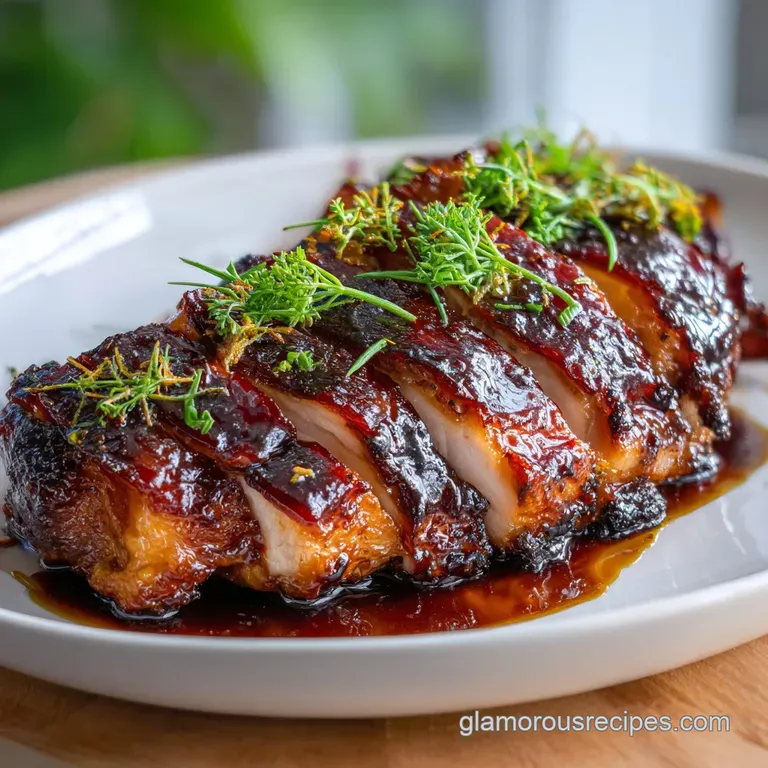
- Time: Active 15 minutes, Passive 25 minutes, Total 40 minutes
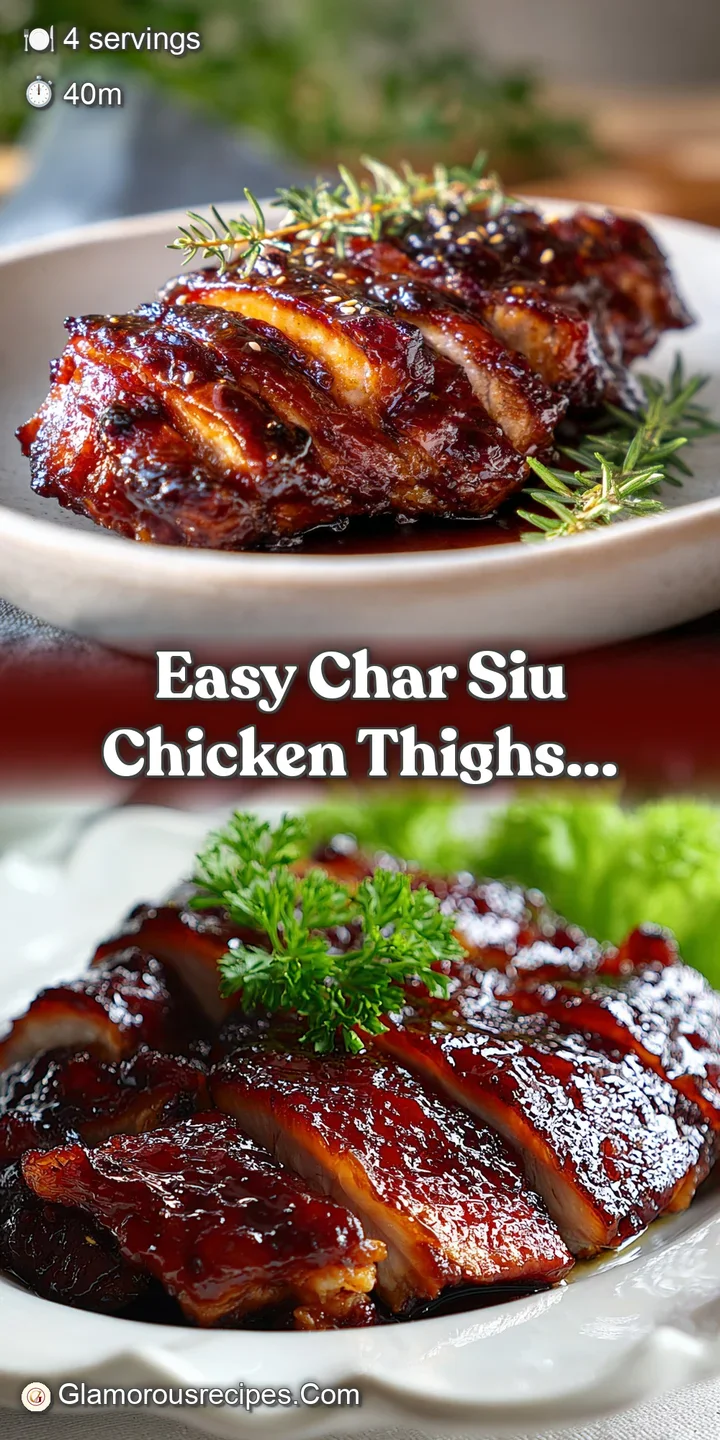
- Flavor/Texture Hook: Sticky, sweet savory glaze with a shatter crisp charred skin
- Perfect for: Adventurous weeknight dinners or a centerpiece for Lunar New Year
- Creating Authentic Char Siu Chicken with Bold Fusion Flavors
- The Chemistry of the Lacquered Glaze
- Deconstructing the Flavor Components
- Essential Elements for Char Siu Chicken
- Gear for Success
- Bringing the Fusion Flavors to Life
- Solving Common Glazing Hurdles
- Adjusting for Different Groups
- Dispelling Kitchen Rumors
- Preservation and Repurposing
- Serving the Perfect Plate
- Recipe FAQs
- 📝 Recipe Card
Creating Authentic Char Siu Chicken with Bold Fusion Flavors
The first time I tried to recreate that ruby red glow of Cantonese BBQ in my own kitchen, I failed miserably. I ended up with a soggy, pale mess that tasted more like a generic stir fry than the smoky, lacquered masterpiece I was craving.
But then, I caught the scent of five spice powder blooming in a hot wok at a street market, and it hit me the secret isn't just the sugar; it's the specific type of fermentation.
Now, whenever I whisk together this Char Siu Chicken marinade, the aroma of toasted sesame oil and pungent red fermented bean curd immediately transports me. It’s a sensory overload in the best way possible.
When that tray hits the oven, the honey begins to bubble and darken, creating those gorgeous "char" spots that give the dish its name. You’ll hear the fat under the skin starting to sizzle and pop, promising a texture that’s both velvety on the inside and slightly tacky on the outside.
Trust me, once you see that glassy finish emerge from your oven, you'll never look at store-bought sauces the same way. We’re going for big, bold, multicultural vibes here taking a classic technique and making it work for a modern home kitchen.
This isn't just about feeding people; it's about that "wow" moment when you slice into a thigh and see the juice run clear against that deep crimson crust.
The Chemistry of the Lacquered Glaze
Maillard Reaction Acceleration: The combination of honey and soy sauce creates a rapid browning effect, allowing the chicken to develop a dark, complex crust before the meat overcooks.
Fermentation Depth: Red fermented bean curd provides a natural protease enzyme that slightly breaks down the surface proteins, resulting in a more tender bite and a distinct, funky umami profile.
Five Spice Aromatics: The star anise and cloves in the powder are fat soluble, meaning they infuse directly into the chicken fat as it renders, creating a long lasting flavor finish.
Emulsified Coating: The addition of toasted sesame oil at the end of the marinade process helps the water based sauces (hoisin and soy) stick to the fatty chicken skin rather than sliding off.
| Thickness | Internal Temp | Rest Time | Visual Cue |
|---|---|---|---|
| 1 inch (Thighs) | 175°F | 5 mins | Juices run clear, skin is tacky |
| 0.75 inch (Breast) | 165°F | 8 mins | Opaque center, matte glaze |
| 2 inch (Whole Leg) | 180°F | 10 mins | Meat pulls away from bone |
If you are planning a bigger spread, this dish is the ultimate companion for a New Years Eve recipe where you want to offer guests both traditional roast flavors and something with a bit more global flair. The sweetness of the chicken balances out heavier savory meats beautifully.
Deconstructing the Flavor Components
| Ingredient | Science Role | Pro Secret |
|---|---|---|
| Red Fermented Bean Curd | Natural Pigment & Umami | Mash it into a completely smooth paste to avoid salty "hot spots" on the skin. |
| Honey | Hygroscopic Glaze | Use a dark, wildflower honey for a more robust floral note that stands up to the five spice. |
| Shaoxing Wine | Protein Denaturant | The alcohol helps the marinade penetrate deep into the muscle fibers of the chicken. |
| Hoisin Sauce | Thickening Agent | It contains starches that help the glaze "set" and become glassy under high heat. |
When selecting your chicken, I always advocate for 2 lbs boneless skin on chicken thighs. The skin is non negotiable for that authentic texture. If you're looking for a different preparation method for your greens to go alongside this, you might find the technique in my Teriyaki Chicken Broccoli recipe useful for keeping your vegetables vibrant and snappy.
Essential Elements for Char Siu Chicken
- 2 lbs boneless skin on chicken thighs: The high fat content keeps the meat juicy during the over high heat roasting process.
- 2 tbsp hoisin sauce: Adds sweetness and body to the glaze. Why this? Provides the "sticky" base for the marinade.
- 1 tbsp red fermented bean curd: This is the secret for the red color and funky depth. Why this? Traditional coloring and intense umami.
- 1 tbsp soy sauce: For saltiness and depth.
- 1 tbsp Shaoxing wine: To cut through the fat and add a nutty aroma.
- 1 tsp five spice powder: The signature aromatic profile of Chinese BBQ.
- 2 cloves garlic, microplaned: Fresh garlic provides a sharp bite that balances the sugar.
- 1 tsp ginger, grated: Adds a subtle heat and freshness.
- 2 tbsp honey: For that glassy, lacquered finish.
- 1 tsp toasted sesame oil: For a nutty aroma and sheen.
| Original Ingredient | Substitute | Why It Works |
|---|---|---|
| Red Fermented Bean Curd | 1 tbsp Miso + 1 tsp Beet Powder | Miso provides the salt/funk; beet powder provides the color. |
| Shaoxing Wine | Dry Sherry | Similar alcohol content and oxidative, nutty flavor profile. |
| Honey | Agave Nectar | Similar viscosity but slightly thinner; reduce by 1/2 tsp for same sweetness. |
| Hoisin Sauce | BBQ Sauce + 1 tsp Five Spice | Similar thickness. Note: Adds smoky notes not traditional to the dish. |
If you find yourself missing some of the pantry staples for the marinade, don't sweat it. Most local Asian grocers will have these, but even a well stocked standard supermarket usually carries hoisin and five spice these days.
Gear for Success
You don't need a traditional BBQ pit to make this work, but a few tools will make your life much easier. I highly recommend using a wire rack set inside a rimmed baking sheet. This allows the hot air to circulate around the chicken, ensuring the bottom doesn't get soggy while the top chars.
A microplane is also your best friend here. You want the garlic and ginger to be a fine paste so they meld into the glaze without leaving chunky bits that might burn. Finally,, a sturdy pastry brush is essential for the "glazing ritual" at the end.
You want to paint that honey mixture on thick to get the glassy look we're after.
Bringing the Fusion Flavors to Life
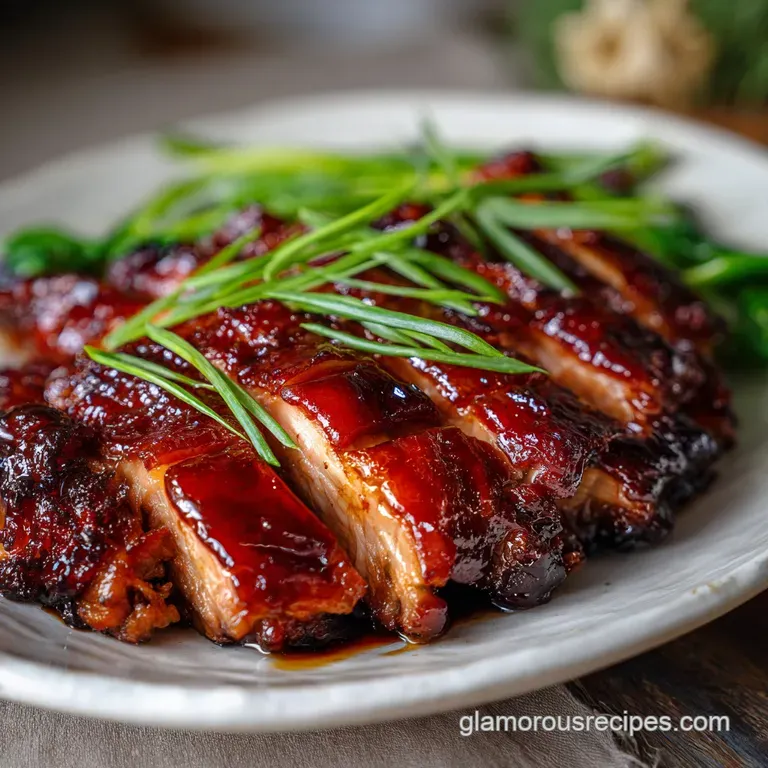
- Prep the Chicken. Pat the 2 lbs boneless skin on chicken thighs dry with paper towels. Note: Dry skin allows the marinade to stick better and prevents steaming.
- Whisk the Base. In a large bowl, combine 2 tbsp hoisin sauce, 1 tbsp red fermented bean curd, 1 tbsp soy sauce, 1 tbsp Shaoxing wine, 1 tsp five spice powder, 2 cloves garlic, and 1 tsp ginger. Mix until the bean curd is a smooth paste.
- Marinate. Toss the chicken in the mixture, ensuring every crevice is coated. Let it sit for at least 30 minutes, or up to 24 hours in the fridge for deeper flavor.
- Heat the Oven. Preheat your oven to 400°F (200°C). Prepare a baking sheet with foil and place a wire rack on top.
- Initial Roast. Place the chicken skin side up on the rack. Roast for 15 minutes until the edges start to darken and sizzle.
- Prep the Glaze. While roasting, whisk together the 2 tbsp honey and 1 tsp toasted sesame oil with a teaspoon of the leftover marinade.
- The Glazing Ritual. Remove the chicken and brush generously with the honey mixture. Return to the oven for 5 minutes until the surface is bubbling and glassy.
- The Final Char. Turn the broiler on high for 2 to 3 minutes. Watch closely until the skin develops dark, charred spots.
- Rest and Slice. Remove from the oven and let rest for 5 minutes. Note: This allows the juices to redistribute so the meat stays velvety.
- Serve. Slice into strips and pour any remaining pan drippings (the "liquid gold") over the top.
Solving Common Glazing Hurdles
Why Your Chicken Skin is Soggy
The most common culprit here is moisture. If the chicken wasn't patted dry before marinating, or if you didn't use a wire rack, the meat ends up sitting in its own juices. This creates steam rather than dry heat, which is the enemy of a good char. Always ensure there is space between the pieces on the rack.
Why the Glaze is Burning
Honey has a very low burn point. If you apply the honey heavy glaze too early in the roasting process, it will turn black before the chicken is cooked through. This is why we wait until the final 5-10 minutes to start the heavy glazing.
If you see it darkening too fast, move the tray to a lower oven rack.
| Problem | Root Cause | Solution |
|---|---|---|
| Pale Color | Missing bean curd | Use a drop of red food gel or beet juice in the honey glaze. |
| Tough Meat | Overcooking breast | Switch to thighs or use a meat thermometer to pull at 165°F exactly. |
| Bitter Taste | Burnt five spice | Reduce the amount of powder or ensure it's whisked thoroughly into the liquid. |
- ✓ Pat chicken completely dry before searing (prevents steaming)
- ✓ Mash the fermented bean curd into a liquid state before adding chicken
- ✓ Use a wire rack to allow 360 degree heat circulation
- ✓ Apply the honey glaze only in the last 10 minutes of cooking
- ✓ Let meat rest 5 minutes before slicing to retain juices
Adjusting for Different Groups
If you're scaling this down for a solo dinner, just halve the ingredients, but keep the 1 egg yolk if you're using it in a side dish. For the chicken, use a smaller toaster oven sized rack to keep the heat concentrated.
When scaling up for a party (doubling or tripling), do not triple the five spice powder. It can become overwhelmingly medicinal. Stick to 1.5x the spices and liquids, but double the actual chicken.
You’ll likely need to roast in batches or use two separate racks to avoid overcrowding the oven, which leads to that dreaded steaming effect.
If you're looking for another crowd pleaser that uses similar chicken prep, my Garlic Parmesan Chicken Potatoes recipe is a fantastic alternative for a more Western style feast.
| Method | Time | Texture | Best For |
|---|---|---|---|
| Oven Roast | 25 mins | Evenly lacquered | Traditional results |
| Air Fryer | 18 mins | Maximum "shatter" skin | Quick weeknight meals |
| Grilling | 20 mins | Smoky and charred | Summer outdoor cooking |
Dispelling Kitchen Rumors
One big myth is that you need "maltose" to get a professional shine. While maltose is traditional, it's incredibly difficult to work with (think: thicker than cold peanut butter). Honey actually provides a more complex flavor and, when combined with the fats from the chicken skin, achieves an almost identical glassy finish without the headache.
Another common misconception is that the red color comes from the hoisin sauce. Hoisin is actually brown. The iconic red of Char Siu comes from the red fermented bean curd or, in cheaper takeout versions, red food coloring. If you want that authentic look, don't skip the bean curd!
Preservation and Repurposing
Freshness Guidelines
Keep leftovers in an airtight container in the fridge for up to 4 days. The glaze will soften over time, but the flavor actually deepens. To reheat, avoid the microwave if possible it makes the skin rubbery.
Instead, pop it back into a 350°F (180°C) oven for 10 minutes to recrisp the edges.
Freezing Tactics
You can freeze the marinated (raw) chicken for up to 3 months. Just thaw it in the fridge overnight before roasting. Cooked Char Siu chicken also freezes well; slice it first, then freeze in portions. It’s perfect for tossing into fried rice straight from the freezer.
Zero Waste Tips
Don't toss the bones! If you use bone in thighs, save the carcasses in a bag in the freezer. They make an incredible base for a smoky, five spice infused chicken stock. Any leftover glaze in the pan can be whisked with a little hot water and soy sauce to make a quick "jus" for noodles or steamed rice.
Serving the Perfect Plate
This chicken is a superstar on its own, but it really sings when paired with simple, clean flavors. A bowl of fluffy jasmine rice is the classic choice, as it soaks up all that extra honey soy glaze. I also love serving it alongside some quickly blanched bok choy or yu choy topped with a drizzle of oyster sauce.
If you want to go the fusion route, try stuffing the sliced chicken into soft corn tortillas with a quick slaw made of shredded cabbage, lime, and cilantro. The sweetness of the Char Siu against the acid of the lime is a total flavor explosion. For a more comforting vibe, you might want to try this alongside a Beef and Broccoli recipe to give your family a full on "takeout at home" experience that feels much more vibrant and fresh.
Quick Decision Guide
- If you want a deeper red color: Add an extra half cube of the fermented bean curd.
- If you want more "char": Increase the broiler time by 60 seconds, but don't walk away from the oven.
- If you want it spicy: Whisk in 1 tsp of chili garlic sauce or sriracha into the final glaze.
Recipe FAQs
What is char siu traditionally made of?
It typically uses pork, but chicken is an excellent substitute. The essential components of the marinade are honey, fermented bean curd (for color and umami), Shaoxing wine, soy sauce, and five spice powder.
What cut of chicken is best for char siu?
Boneless, skin-on chicken thighs are the best cut. The higher fat content of the thigh muscle ensures the meat remains juicy and tender while the skin crisps up nicely under the glaze.
How to use char siu sauce with chicken breast?
Marinate the chicken breast for a shorter duration, no more than 2 hours. Due to the lower fat content, chicken breast dries out quickly, so apply a thick coat of the glaze only during the final 10 minutes of roasting under high heat.
What does char siu chicken taste like?
It tastes deeply savory, sweet, and intensely aromatic. The flavor profile is dominated by the five spice blend balanced against the caramelized honey, often finished with a subtle, funky umami note from the fermented bean curd.
Is it true you must use maltose for the classic glossy finish?
No, this is a common misconception. While traditional, maltose is difficult to handle; honey provides a superior flavor complexity and achieves a nearly identical glassy sheen when applied in the final broiling stage.
What is the best way to ensure the chicken skin gets truly charred and sticky?
Brush the final honey glaze on and blast it under the broiler for the last few minutes. This high, direct heat caramelizes the sugars rapidly, creating the trademark tacky, blistered exterior that defines quality Char Siu.
Can I prepare the chicken marinade the day before?
Yes, marinating up to 24 hours in advance is highly recommended. This extended passive time allows the Shaoxing wine and spices to fully penetrate the muscle fibers, leading to more tender results, similar to the flavor penetration achieved when mastering the slow curing technique in our Sardines in Tomato Sauce recipe.
Homemade Char Siu Chicken
Ingredients:
Instructions:
Nutrition Facts:
| Calories | 573 kcal |
|---|---|
| Protein | 38.6 g |
| Fat | 40.2 g |
| Carbs | 13.5 g |
| Fiber | 0.6 g |
| Sugar | 10.8 g |
| Sodium | 645 mg |
