Charro Beans: Proper Hearty Mexican Frijoles Charros
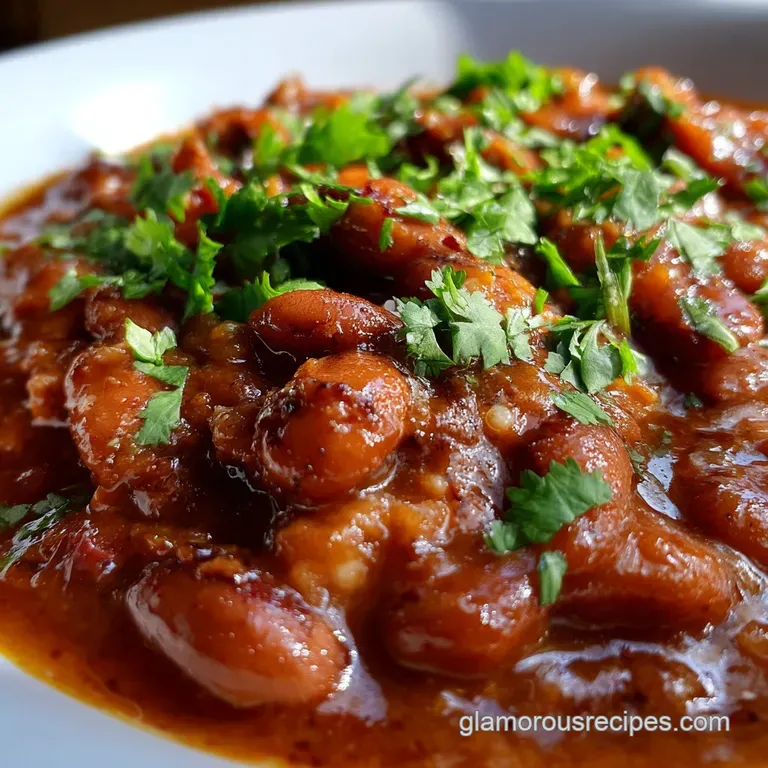
- Welcome to the World of Frijoles Charros: A Culinary Overview
- Achieving Perfect Texture and Depth of Flavor
- Essential Components for Authentic Frijoles Charros
- The Master Method: Cooking Proper Hearty Mexican Beans
- Troubleshooting Your Beans: Expert Tips and Avoiding Pitfalls
- Elevating the Meal: How to Serve Frijoles Charros
- Preservation Guide: Storing and Reheating Cooked Beans
- Recipe FAQs
- 📝 Recipe Card
Welcome to the World of Frijoles Charros: A Culinary Overview
Close your eyes and picture this: the low, lazy sizzle of bacon fat melting, the smell of sweet onions hitting the hot pan, and that earthy, smoky aroma of cumin and paprika blooming.
That, my friends, is the sound and smell of proper, honest-to-goodness Charro Beans coming to life in your kitchen. It is deeply satisfying, profoundly comforting, and easily one of the best things you can do with a can of pinto beans.
This robust bean stew, known as Frijoles Charros, is a total weeknight lifesaver, especially when you need maximum flavor for minimal effort. Sure, it takes a little time to simmer, but the hands off cooking lets you get back to your life while the pot does all the hard work.
It's cheap, it's hearty, and it’s the perfect accompaniment to tacos, steak, or just a big spoon.
I promise this isn't just another boring recipe. This is the ultimate Charro Beans approach, built on years of kitchen trials and errors. We are going to layer flavors like a pro, ensuring every spoonful is smoky, rich, and perfectly balanced. Let's make some serious cowboy comfort food.
Achieving Perfect Texture and Depth of Flavor
This particular recipe works because we treat the pork elements the bacon and the chorizo not just as ingredients, but as the foundation and seasoning for the entire pot. We don't just dump them in; we render, sauté, and build complexity step-by-step.
Defining the Dish: What Exactly Are Traditional Cowboy Beans?
Traditional Charro Beans, or Frijoles Charros, are essentially a deeply savory pinto bean stew hailing from Northern Mexico. They earned the nickname "Cowboy Beans" because they were historically made using whatever cured meats and pantry staples the vaqueros (cowboys) had on hand.
This is rustic cooking at its absolute best. It’s smoky, usually a little spicy, and always packed with texture from different pieces of pork.
The History and Regional Variations of Charro Beans
While my favorite Mexican Charro Beans recipe uses bacon and chorizo, you’ll find versions across Texas and Northern Mexico that incorporate ham hocks, smoked sausage, or even leftover shredded beef.
The core DNA, however, remains consistent: pinto beans simmered in a liquid base enriched by cured pork and brightened by tomato and chile. Think of it as the ultimate pantry clean out comfort food.
The Secret to the Smoky, Warming Flavor Profile
The massive flavor punch in this dish comes from two crucial steps. First, rendering the bacon and chorizo separately allows their fats to melt and permeate the base before any other ingredients are added.
Second, fire roasted tomatoes and a touch of smoked paprika are absolute game changers, delivering a depth that regular diced tomatoes simply can’t match in these rich Charro Beans .
Preventing Mushiness: The Science of Cooking Pinto Beans
Nobody wants bean soup when they asked for Charro Beans. The key to maintaining creamy beans that still hold their shape is choosing canned or properly pre-cooked beans and adding them to an already simmering liquid base.
You’re not trying to boil them into submission; you’re just warming them and letting them soak up the magnificent broth.
Chef's Note: If using dried beans, you must cook them separately until just tender before adding them to the flavor base. If you mix the hard beans with the acidic tomato broth too early, they will never soften properly!
How Long, Slow Simmering Builds Maximum Complexity
The 30 to-40 minute simmer isn't punishment; it's essential flavor fusion time. This allows the spices the cumin, the oregano, the paprika to fully hydrate and integrate with the fat and the liquid.
As the broth slowly reduces, it thickens naturally, creating that rich, clingy sauce that makes these Charro Beans so addictive.
Essential Components for Authentic Frijoles Charros
The beauty of cowboy cooking is that substitutions are encouraged, but a few core components are non-negotiable for that authentic taste.
Selecting the Best Dried or Canned Pinto Beans
I usually go with canned pinto beans (rinsed and drained, always) because they save hours and maintain a great texture. If you can't find pinto beans, Great Northern or small red kidney beans are the next best structural options.
Black beans work flavor wise but change the visual appeal dramatically.
Handling the Aromatics: Onion, Garlic, and Chiles
Don't rush the onions and jalapeños. We want them soft, sweet, and translucent. If you need to cut the heat, scrape out all the seeds and membranes from the jalapeño before mincing; that's where 90% of the capsaicin hides.
And always use fresh garlic; garlic powder won't deliver the same depth here.
Expert Notes on Building the Smoky Base (Fats and Cured Meats)
The pork base is the soul of this Charro Beans recipe. We rely on the rendered fat from thick cut smoked bacon and Mexican chorizo. If you can't find Mexican chorizo, substitute with good quality smoked sausage like kielbasa or a spicy Italian sausage mixed with a pinch of chili powder and paprika.
If your bacon is very lean, add a tablespoon of lard or vegetable oil to the pot before step 3.
Smart Swaps and Ingredient Adjustments
| Ingredient | Smart Swap / Substitute |
|---|---|
| Pinto Beans | Great Northern or Small Red Kidney Beans |
| Chicken Stock | Half Water, Half Lager Beer (for depth) |
| Jalapeño | Serrano (for more heat) or Bell Pepper (for no heat) |
| Mexican Oregano | Standard Oregano, but use slightly less |
| Smoked Paprika | Use Liquid Smoke (1/4 tsp) and Regular Paprika (1/2 tsp) |
The Master Method: Cooking Proper Hearty Mexican Beans
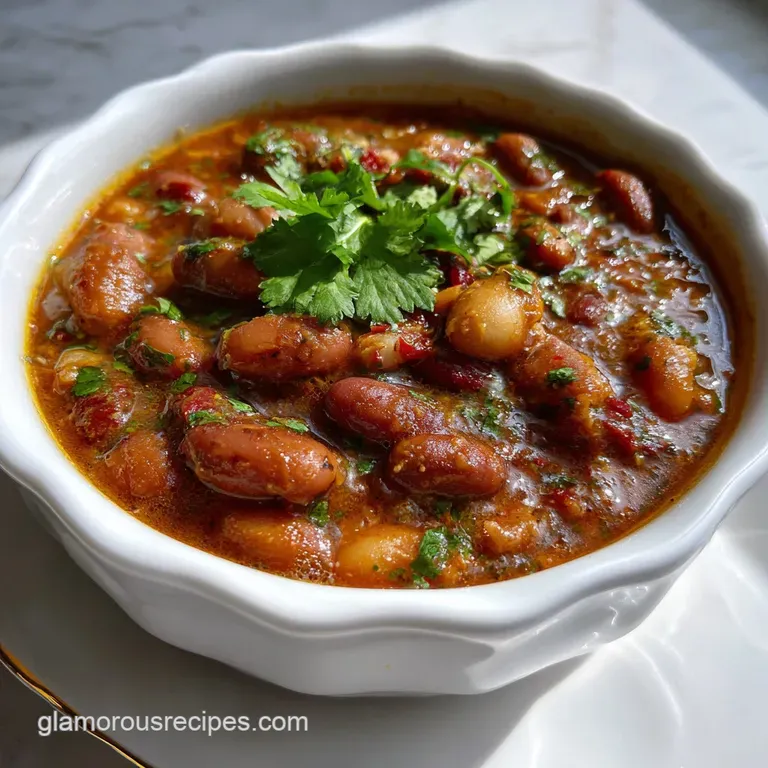
This method is all about layering. Trust the process, and you will be rewarded with the best Charro Beans you’ve ever tasted.
Stage 1: Building the Flavour Foundation (The ‘Soffritto’)
- Render the Bacon: In a heavy bottomed pot (a Dutch oven is my absolute favorite piece of equipment for this), cook the diced bacon over medium heat until it’s beautifully crispy. Remove the crispy bits with a slotted spoon and put them aside; they are the ultimate garnish. Leave the rendered fat behind!
- Cook the Chorizo: Add the crumbled chorizo to the pot. Cook until fully browned and the fat is rendered, about 5 to 7 minutes. Now, drain off all but about two tablespoons of that luscious, red pork fat. This fat is essential!
- Sauté the Aromatics: Toss in your diced onion and minced jalapeño. Sauté them gently in the pork fat until they soften and your kitchen smells sweet, about 6 to 8 minutes.
- Bloom the Spices: Add the minced garlic, cumin, oregano, and smoked paprika. Stir constantly for exactly 60 seconds. This wakes the spices up and maximizes their flavor without letting the garlic burn.
Stage 2: Simmering and Deepening the Sauce
- Deglaze and Add Tomatoes: Pour in the can of fire roasted tomatoes, including their juices. Scrape up any tasty browned bits (the fond ) stuck to the bottom of the pot. Cook for about three minutes until the tomato liquid has reduced a little bit.
- Introduce Liquid and Beans: Add the rinsed pinto beans, chicken stock, salt, and pepper. If you are tossing in the optional chopped ham or sausage, now is the time.
- Simmer: Bring the whole beautiful mess to a gentle boil, then turn the heat immediately down to low. Partially cover the pot to let a little steam escape and simmer for 30 to 40 minutes. The liquid should reduce noticeably, turning into a thick, cloudy, clingy sauce.
- Check and Adjust: Taste everything. Does it need more heat? Add a pinch of cayenne. Does it need depth? A tiny splash of lime juice can actually boost savory flavors. Adjust the salt now, remembering that beans suck up salt aggressively.
Stage 3: The Finish
- Finish with Acid and Herb: Turn off the heat entirely. Stir in the fresh cilantro and the lime juice. The freshness of the cilantro and the zing of the lime cut through the richness of the pork, achieving perfect balance.
- Serve: Ladle those glorious Charro Beans into bowls and heap the reserved crispy bacon bits on top.
Troubleshooting Your Beans: Expert Tips and Avoiding Pitfalls
Even simple dishes like these can sometimes throw a curveball. Here’s how to fix common problems and ensure your Mexican Charro Beans recipe is always a winner.
Why Your Beans Won't Soften (The Salt and Age Debate)
If you are cooking dried beans from scratch, the biggest mistake is adding salt too early. Salt can chemically harden the exterior of the beans, preventing the water from penetrating and softening the inside.
Rule of thumb: Salt dried beans only in the last 15 minutes of cooking. Also, check the age of your beans; old dried beans (over a year old) sometimes never fully soften, no matter what you do.
Fixing Overly Thick or Thin Bean Broth
If your bean stew is too thick after simmering, stir in a splash of water or stock until you reach the right consistency. If it's too thin, remove the lid, turn the heat up slightly to a rapid simmer, and let it cook uncovered for 5 to 10 more minutes until the broth reduces.
Or, even better, remove and mash about a cup of the beans and stir them back in. This uses the beans' starch to thicken the liquid naturally, giving it that rustic, creamy texture.
Converting the Recipe for Slow Cooker or Pressure Cooker
This Charro Beans recipe works beautifully in alternative appliances, but you must follow the layering. For a Charro Beans slow cooker conversion: Complete steps 1 through 5 on the stovetop first to build the proper fat and flavor base.
Then transfer the mixture, beans, and stock to the slow cooker and cook on Low for 4– 6 hours. For the Instant Pot (pressure cooker): Complete steps 1 through 5, then add beans and stock. Cook on High Pressure for 10 minutes, followed by a 10 minute natural release.
Elevating the Meal: How to Serve Frijoles Charros
These beans are fantastic on their own, but they really shine when served in context.
Traditional Toppings and Fresh Garnishes
Don’t skimp on the toppings! The contrast between the rich, hot beans and cool, fresh garnishes is everything. We already reserved the crispy bacon, but consider sour cream or Mexican crema , diced fresh avocado, finely minced red onion, or even cotija cheese.
Pairing Suggestions for a Complete Mexican Platter
True Frijoles Charros are the perfect side dish for any grilled meat. I love serving them next to skirt steak (Arrachera) or pulled pork carnitas tacos. They also make a surprisingly comforting stand alone meal when ladled over white rice and topped with a fried egg.
Beyond the Bowl: Creative Ways to Use Leftovers
If you have any leftover Charro Beans (which is a big "if"!), they are fantastic mashed and used as a filling for burritos or quesadillas. You can also thin them out slightly and use them as the base for a truly incredible taco soup.
Preservation Guide: Storing and Reheating Cooked Beans
Want to make a massive batch of Charro Beans ? You absolutely should. They store beautifully.
Safe Refrigeration and Shelf Life Guidelines
Once cooked, your Charro Beans will stay fresh and flavorful in an airtight container in the refrigerator for up to 4 to 5 days. I usually find the flavor actually improves on day two, as all those delicious spices have more time to mingle.
The Best Technique for Freezing Bean Stews
Beans freeze perfectly! Let them cool completely, then transfer them into freezer safe bags or containers, leaving about an inch of headspace to account for expansion. They will last for 3 to 4 months. Pro Tip: Freeze them in single serving containers for easy grab and go lunches.
Reheating to Maintain the Freshly Cooked Flavor
To reheat, thaw the frozen beans overnight in the fridge if possible. Reheat gently in a pot on the stovetop over low to medium heat, stirring often. If they seem too thick, add a small splash of stock or water.
Never boil them vigorously when reheating, as this can break down the beans and turn them mushy. Stir in fresh cilantro and lime juice after reheating to bring back that bright, just cooked taste. This whole Charro Beans experience is truly magnificent.
Recipe FAQs
Why are my beans still tough after simmering for a long time?
Tough beans are often caused by adding salt or acidic ingredients, such as tomato or vinegar, too early in the cooking process before the beans have fully softened. If you use hard water, this can also impede the softening process; try soaking the beans in filtered water overnight before cooking.
Can I make Charro Beans vegetarian or vegan?
Absolutely. To maintain the rich flavor, substitute the bacon and chorizo with smoked mushrooms (like shiitake) and diced bell peppers sautéed in olive oil. You must introduce the smoky element, which can be achieved through a generous pinch of smoked paprika or a tiny dash of liquid smoke mixed into the vegetable broth.
How do I achieve a deeper, more robust smoky flavor?
The primary flavor depth comes from properly rendering the fatty meats like bacon and chorizo at the start of the cooking process. For an extra kick, consider adding a whole chipotle pepper in adobo sauce to the pot while simmering, or use fire roasted tomatoes instead of regular diced tomatoes.
My Charro Beans look too soupy. How can I thicken the liquid?
The easiest method is to remove the lid and allow the beans to simmer uncovered for the last 15-20 minutes, which lets excess moisture evaporate. Alternatively, remove one cup of beans and mash them thoroughly, then stir the resulting paste back into the pot; the starch will naturally thicken the stew.
Can I use dried beans instead of canned, and what adjustments are needed?
Yes, dried pinto beans are ideal and often yield superior flavor, though they require soaking overnight and a much longer cooking time. Ensure they are fully cooked and tender before adding the sautéed meats and acidic ingredients, typically requiring 1.5 to 2 hours of simmering in fresh water or broth.
What is the best way to store and reheat leftover Frijoles Charros?
Charro Beans store excellently in an airtight container in the refrigerator for 4 to 5 days. They also freeze very well for up to three months. When reheating, do so gently on the stovetop, adding a splash of water or broth if the consistency has become too thick after chilling.
Hearty Mexican Charro Beans Recipe
Ingredients:
Instructions:
Nutrition Facts:
| Calories | 1707 kcal |
|---|---|
| Protein | 116.9 g |
| Fat | 23.7 g |
| Carbs | 256.7 g |
