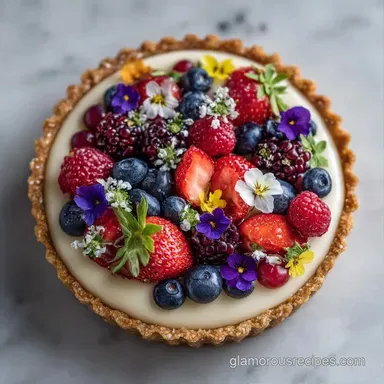
Floral Spring Fruit Tart: Refined and Elegant
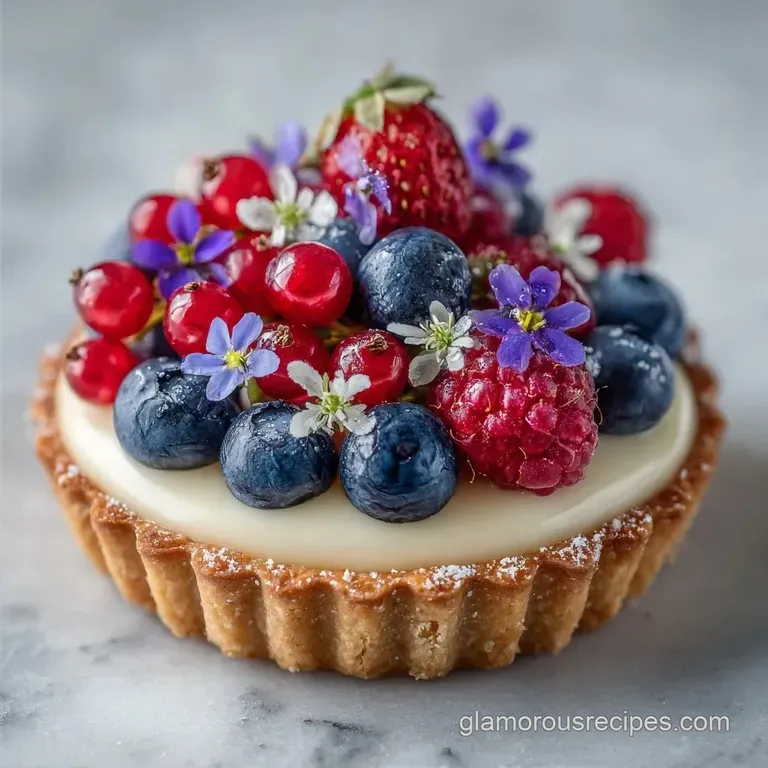
- Time: 30 min active + 2 hrs chilling
- Flavor/Texture Hook: Shattering crust with tangy, silky cream
- Perfect for: Spring brunches or dinner party finales
- The Secret to a Perfect Fruit Tart
- Pastry and Filling Components
- Necessary Ingredients and Swaps
- Essential Kitchen Tools
- Detailed Assembly Process
- Solving Common Issues
- Troubleshooting Common Issues
- Creative Flavor Twists
- Adjusting the Serving Size
- Debunking Tart Myths
- Storage and Waste Tips
- Artistic Plating Guide
- Recipe FAQs
- 📝 Recipe Card
The sound of a perfectly baked crust shattering under a fork is a specific kind of magic. For a long time, the common belief was that you needed a professional pastry kitchen and a degree in French baking to achieve that crisp, clean snap without the dough shrinking or becoming a soggy mess.
I used to think the "professional" look was reserved for bakeries with expensive equipment, but the truth is far simpler.
It comes down to temperature and timing, not fancy tools. This recipe focuses on the precision of the chill, ensuring your butter stays cold and your cream stays stable. We are ditching the idea that tarts have to be fragile or temperamental.
Once you see how the mascarpone holds its shape and the apricot glaze locks in the moisture, you'll realize a homemade Fruit Tart can actually outperform the store-bought versions.
We're aiming for a result that looks like art but tastes like home, blending a rich, buttery base with the brightness of fresh spring produce.
The Secret to a Perfect Fruit Tart
To get this right, we have to respect the physics of the ingredients. It's not about following a list, but understanding how the components interact.
Fat Suspension: Keeping the butter in cold, distinct chunks creates tiny steam pockets during baking. These pockets are what cause the pastry to shatter rather than crumble like a cookie.
Protein Stability: Mascarpone has a higher fat content than standard cream cheese. This allows the filling to hold the weight of heavy berries without collapsing or leaking water into the crust.
Moisture Barrier: The fat in the cream filling acts as a shield. By spreading it thick, we prevent the fruit juices from soaking into the pastry, keeping the base crisp for hours.
Osmotic Balance: The apricot glaze isn't just for shine. It creates a thin seal that prevents the fruit from oxidizing and drying out in the fridge.
| Method | Prep Time | Texture | Best For |
|---|---|---|---|
| Fast (Pre made Shell) | 15 mins | Uniform, sandy | Last minute guests |
| Classic (From Scratch) | 30 mins | Flaky, buttery | Special occasions |
Pastry and Filling Components
Understanding the "why" behind the ingredients helps you adjust when things go sideways. For more on the precision of baking, King Arthur Baking offers a great deep dive into flour proteins.
| Ingredient | Science Role | Pro Secret |
|---|---|---|
| Chilled Butter | Creates lamination | Cube it and freeze for 5 mins before using |
| Mascarpone | Structure and richness | Use room temp to avoid lumps in the whip |
| Powdered Sugar | Fine sweetness | Sift it to ensure a velvety mouthfeel |
| Apricot Jam | Sealant and gloss | Strain the jam for a crystal clear finish |
Necessary Ingredients and Swaps
Precision is everything here. Use a scale if you have one, but these volume measurements work if you level off your cups.
- 1.5 cups all purpose flour Why this? Standard protein for a sturdy but tender crust (Substitute: Pastry flour for a more delicate snap)
- 0.5 cup unsalted butter, chilled and cubed Why this? Provides the essential flaky layers (Substitute: High fat European butter for richer flavor)
- 0.25 cup powdered sugar Why this? Dissolves faster than granulated sugar (Substitute: Finely ground caster sugar)
- 1 pinch salt Why this? Balances the sweetness of the berries (Substitute: Fine sea salt)
- 2 tbsp ice water Why this? Binds the dough without melting the butter (Substitute: Very cold vodka for extra flakiness)
- 8 oz mascarpone cheese, softened Why this? Thick, stable base for the fruit (Substitute: Full fat cream cheese, though it's tangier)
- 0.5 cup heavy whipping cream, chilled Why this? Adds air and lightness to the mascarpone (Substitute: Heavy coconut cream for a dairy-free twist)
- 0.25 cup powdered sugar (for filling) Why this? Sweetens without adding bulk (Substitute: Honey, but it may soften the cream)
- 1 tsp vanilla extract Why this? Classic aromatic depth (Substitute: Vanilla bean paste for those little black specks)
- 1 tbsp lemon zest Why this? Cuts through the richness of the cheese (Substitute: Lime zest for a tropical vibe)
- 1 cup sliced strawberries Why this? Visual anchor and juicy sweetness (Substitute: Sliced peaches)
- 0.5 cup blueberries Why this? Pop of color and tartness (Substitute: Blackberries)
- 0.5 cup raspberries Why this? Sharp acid to balance the cream (Substitute: Red currants)
- 0.25 cup sliced kiwi or mango Why this? Tropical contrast (Substitute: Sliced starfruit)
- 15 edible flowers Why this? Visual elegance (Substitute: Mint leaves)
- 2 tbsp apricot jam Why this? Traditional professional glaze (Substitute: Clear apple jelly)
- 1 tbsp water Why this? Thins the jam for brushing (Substitute: Lemon juice for more tang)
Essential Kitchen Tools
You don't need a commercial lab, but a few specific items make this process much smoother.
- 9 inch tart pan (preferably with a removable bottom)
- Pastry cutter or two forks
- Electric hand mixer or stand mixer such as KitchenAid
- Parchment paper
- Pie weights (or dried beans/rice)
- Small saucepan
- Pastry brush
Detailed Assembly Process
Follow these steps precisely. The temperatures mentioned are not suggestions, they are the key to the texture of your Fruit Tart.
Mix flour, powdered sugar, and salt in a bowl. Cut in chilled butter using a pastry cutter until the mixture resembles coarse crumbs. Add ice water one tablespoon at a time, stirring gently, until the dough just holds together. Note: Do not overwork the dough or it will become tough.
Press the dough evenly into the bottom and sides of your 9 inch tart pan. Freeze the shell for 10 minutes. Note: This prevents the walls from sliding down during the first few minutes of baking.
Line the crust with parchment paper and fill it with pie weights. Bake at 375°F (190°C) for 10 minutes. Remove the weights and parchment, then bake for another 5 minutes until the edges are pale gold.
Cool completely on a wire rack.
Whip the softened mascarpone and powdered sugar in a bowl until completely smooth and creamy.
Slowly pour in the chilled heavy cream and vanilla. Beat on high until stiff peaks form. Note: Be careful not to over beat, or the mascarpone will split.
Fold in the lemon zest by hand using a spatula. Note: This keeps the cream light and airy rather than dense.
Spread the cream filling into the cooled tart shell, smoothing the top with an offset spatula.
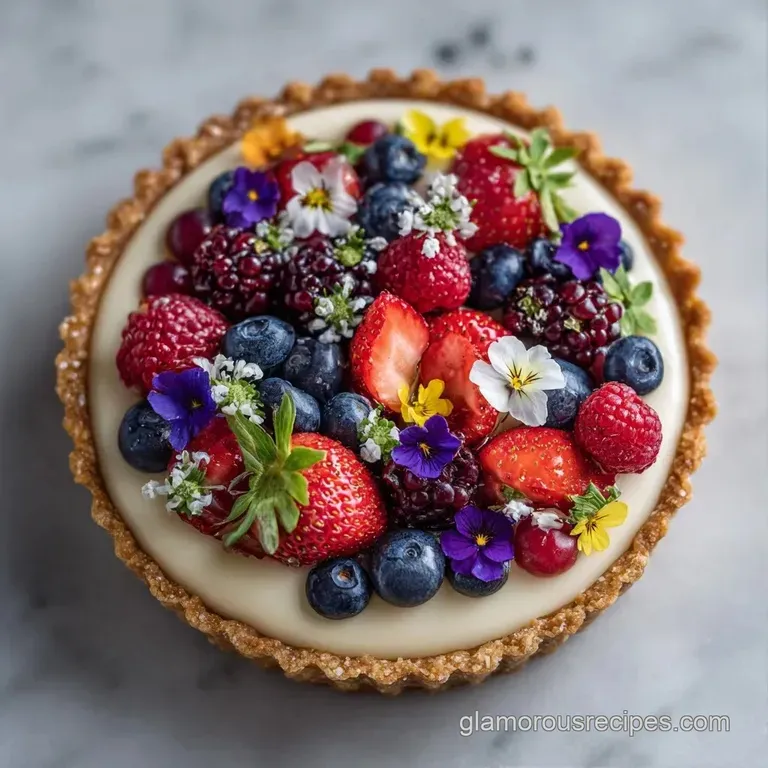
Arrange the sliced strawberries, blueberries, raspberries, and kiwi or mango on top of the filling. Decorate the gaps with edible flowers for a Floral Spring Fruit Tart look.
Heat apricot jam and water in a small saucepan over medium heat until melted and bubbling. Brush the glaze gently over the fruit.
Chill the completed Fruit Tart in the refrigerator for 2 hours until the filling is set and firm.
Solving Common Issues
Most mistakes with this dish happen during the pastry phase or the whipping phase. If your crust isn't shattering or your cream is soupy, here is why.
Troubleshooting Common Issues
| Issue | Solution |
|---|---|
| Why Your Crust Shrinks | If the sides of your pastry slide down the pan, it's usually because the gluten was over stretched or the butter was too warm. Chilling the dough before it hits the oven is the best defense. |
| Why Your Filling Collapses | If the mascarpone cream feels too soft, you likely under whipped the heavy cream or the mascarpone was too warm. Ensure the cream is ice cold before you start. |
| Why Your Fruit Bleeds | Some berries release water, which can stain the cream. This happens if the fruit isn't dried properly after washing or if the tart sits too long without the glaze. |
Common Mistakes Checklist:
- ✓ Did you use ice cold water for the dough?
- ✓ Did you freeze the shell for 10 minutes before baking?
- ✓ Is the crust completely cold before adding cream?
- ✓ Did you fold the lemon zest by hand?
- ✓ Was the apricot glaze strained for smoothness?
Creative Flavor Twists
While the classic version is a hit, you can adapt this based on the season. If you're looking for other sweet treats, my Applesauce Oatmeal Cookies recipe is a great companion for a dessert spread.
The Tropical Twist
Replace the strawberries with fresh pineapple and the raspberries with passion fruit pulp. Use mango as the primary base. This turns the Spring Fruit Tart into a summer celebration.
The Autumnal Shift
Swap the berries for sliced pears and pomegranate seeds. Instead of lemon zest, use a hint of cinnamon in the mascarpone filling. Use fig jam for the glaze.
Making it gluten-free
You can use a 1:1 gluten-free flour blend. Note that GF pastry is more prone to cracking, so press the dough into the pan more firmly and avoid over chilling.
Dairy-free Alternative
Use a chilled vegan butter substitute and a cashew based mascarpone alternative. Ensure the coconut cream is chilled overnight and you only use the thick part from the top of the can.
| Variation | Key Change | Result |
|---|---|---|
| Summer | Mango & Passion Fruit | Tropical, tart flavor |
| Winter | Pear & Pomegranate | Earthy, deep sweetness |
| Vegan | Cashew Cream | Nutty, dairy-free finish |
Adjusting the Serving Size
Scaling a Fruit Tart requires a bit of math, especially with the crust, as volume doesn't scale linearly with pan size.
Scaling Down (Half Batch): Use a 6 inch tart pan. Reduce the baking time by about 20%, checking the crust at the 7 minute mark. Since you'll need half an egg's worth of moisture (if using eggs) or half the water, measure it carefully. The filling will set faster due to the smaller mass.
Scaling Up (Double Batch): If making two 9 inch tarts, do not double the salt or vanilla increase them by 1.5x. Work in batches when whipping the cream to avoid overloading your mixer.
If you are baking both shells at once, lower the oven temperature to 350°F (175°C) and extend the baking time by 5 minutes to ensure even heat distribution.
Debunking Tart Myths
There are a few common misconceptions that lead home cooks to overcomplicate this process.
Myth 1: You must blind bake for an hour to get a crisp base. Truth: You only need about 15 minutes at a high temperature to set the structure. Over baking the crust before adding the filling can make it taste burnt or overly dry.
Myth 2: Fresh fruit always makes the crust soggy. Truth: The moisture doesn't come from the fruit itself, but from the juice that leaks through the filling. A stable mascarpone layer and a proper jam glaze act as a waterproof barrier.
Myth 3: You need a professional torch to glaze a tart. Truth: A simple pastry brush and a warm apricot jam reduction provide the same professional sheen without the risk of scorching the berries.
Storage and Waste Tips
To keep your Fruit Tart fresh, you need to manage the moisture levels.
Storage Guidelines: Keep the tart in the refrigerator, covered loosely with plastic wrap or a cake dome. It will stay fresh for 2-3 days. Do not freeze the assembled tart, as the fruit will release all its water upon thawing, ruining the crust.
However, you can freeze the unbaked dough for up to a month.
Zero Waste Ideas:
- Berry Scraps: If you have leftover raspberry or blueberry tops, simmer them with a bit of sugar and lemon to make a quick coulis. This can be drizzled over the slices when serving.
- Butter Scraps: Any leftover dough bits can be baked into tiny "test cookies" to check the seasoning.
- Leftover Cream: Use any remaining mascarpone whip as a topping for fresh waffles or pancakes the next morning.
Artistic Plating Guide
The final look of a Spring Fruit Tart is what makes it feel like a professional piece of pastry. The goal is a balanced, radial symmetry.
The Radial Layout: Start from the outside edge. Place your largest sliced strawberries in a ring, slightly overlapping. Work your way inward with the blueberries, then the raspberries. Finish the center with a focal point either a single whole strawberry or a cluster of kiwi slices.
Balancing the Floral Notes: When using edible flowers, place them in the "gaps" between the fruit. Use an odd number of flowers (like 15) to create a more natural, organic look. If you're pairing this with a drink, a chilled Classic Red Sangria complements the tartness of the berries and the richness of the cream beautifully.
The Glaze Finish: Apply the apricot glaze while it is warm but not boiling. Use light, sweeping motions. If you apply too much, the fruit can slide; if you apply too little, the berries will look matte. The glaze should look like a thin, transparent layer of glass over the fruit.
For those who enjoy this level of precision, you might find that the same attention to detail helps when making other complex desserts. This Fruit Tart is all about the marriage of temperature and texture, proving that you can achieve a bakery standard result in your own kitchen with just a few key techniques and a lot of patience.
Recipe FAQs
What kind of filling is used in this fruit tart?
A sweetened mascarpone cream. It is created by whipping softened mascarpone with powdered sugar, then beating in heavy cream and vanilla until stiff peaks form.
Can I make a fruit tart the day before?
Yes, but store it carefully. Keep the tart in the refrigerator covered loosely with plastic wrap or a cake dome; it will stay fresh for 2-3 days.
Why did my tart crust shrink during baking?
The gluten was likely overstretched or the butter was too warm. To prevent this, always freeze the pressed dough for 10 minutes before baking at 375°F (190°C).
Why is my mascarpone filling too soft or collapsing?
The heavy cream was likely too warm or under whipped. Ensure the cream is ice cold before beating on high to achieve the necessary structure.
Is it true that I can freeze a fully assembled fruit tart?
No, this is a common misconception. The fruit will release moisture upon thawing, which ruins the crust and makes the filling watery.
How to glaze the fruit for a professional finish?
Heat apricot jam and water in a small saucepan. Once melted, brush the mixture over the arranged fruit to create a glossy, protective seal.
Can I freeze the tart dough for later use?
Yes, unbaked dough freezes for up to a month. If you enjoyed managing the chilled butter technique here, see how the same temperature control works in our flaky empanada dough.
Fruit Tart for 10 Servings