Lomo Saltado: Fiery Peruvian Classic
- Introducing The Lomo Saltado Phenomenon
- Achieving Wok Hei: The Science of Smoke and Sear
- Essential Components for Authentic Chifa Flavor
- Mastering the Fiery Lomo Saltado Technique
- Wok Secrets and Troubleshooting Your Stir-Fry
- Handling Leftovers: Storing Your Peruvian Stir-Fry
- Completing the Peruvian Experience
- Recipe FAQs
- 📝 Recipe Card
Introducing The Lomo Saltado Phenomenon
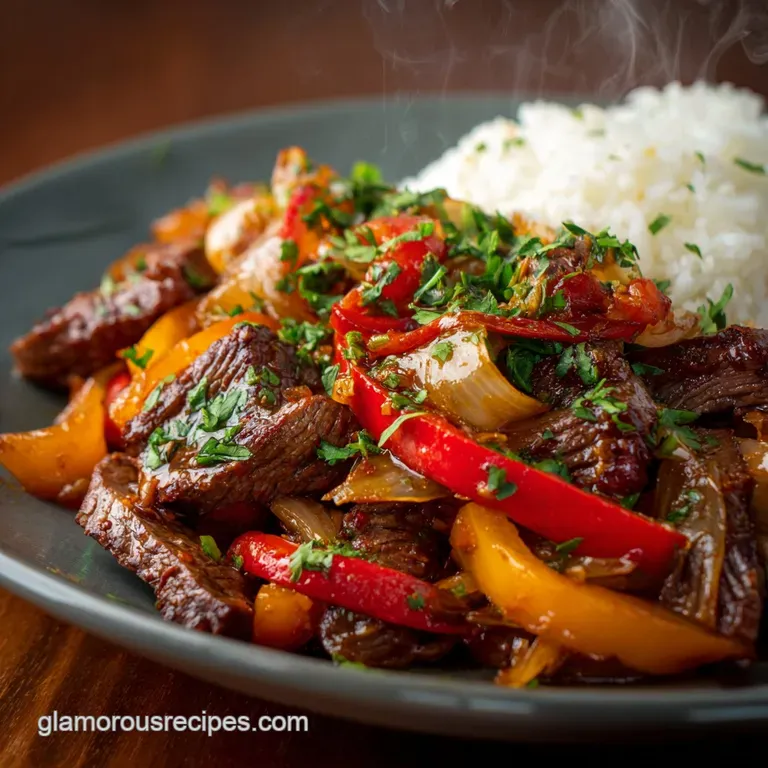
Can you smell that? That intense, smoky sear of marinated beef hitting the screaming hot carbon steel pan, immediately followed by the sharp, sweet, tangy burst of tomato and vinegar.
Lomo Saltado is truly a magnificent monster of a dish, combining perfect crispy pub-style chips with outrageously tender, beautifully charred strips of meat and vegetables.
Honestly, this recipe is a weeknight hero disguised as a complicated gourmet meal. It takes less than 15 minutes of actual cooking time, which is perfect for when you’re starving and need something deeply satisfying and flavourful right now.
You get a full, complex meal with rice and crispy potatoes, all delivered from one screaming hot wok.
Forget everything you thought you knew about traditional stir fries; Lomo Saltado demands speed, commitment, and a total disregard for medium heat settings. Ready to finally nail the smoky, tangy, savoury perfection of authentic Peruvian Lomo Saltado (The Best Lomo Saltado, obviously)?
Let's crack on and embrace the heat.
Achieving Wok Hei: The Science of Smoke and Sear
The Chifa Legacy: Where Peru Meets the Wok
This brilliant dish is the ultimate culinary mashup, the delicious result of 19th-century Chinese Cantonese immigrants arriving in Peru and blending their stir frying techniques with robust Andean ingredients.
It’s a flawless fusion, known as Chifa cuisine, marrying the sheer speed and smoke of the wok with the brightness of lime, aji amarillo, and fresh cilantro. We are honouring two distinct culinary worlds in one glorious bowl.
Defining the Perfect Lomo Saltado: Texture and Flavor Profile
We aren't aiming for soup or stew here, my friend. The final texture is everything, and it must be aggressive. The goal is textural anarchy: perfectly crisp, golden brown chips, intensely seared meat that’s still slightly pink inside, and tomatoes that hold their shape but yield slightly to the tooth.
Crucially, the sauce needs to cling lightly to everything, creating a glossy sheen without ever pooling on the plate.
Lomo Loco: Why the 'Crazy' Name?
‘Lomo’ simply means sirloin or tenderloin, and ‘Saltado’ means sautéed or stir fried simple enough in theory, right? But I always think of this incredible dish as Lomo Loco, the "crazy meat," because of the sheer intensity of the cooking process required.
You are basically demanding a flash fire from your cooking surface, which is pretty loco in the context of a regular home kitchen.
High Heat vs. Crowding: The Sear Strategy
If you only take one piece of advice from me, let it be this: high heat is non-negotiable for Lomo Saltado. If you crowd the wok, even a tiny bit, the temperature instantly plummets, and your beautiful marinated beef starts to steam itself. This turns the essential sear into a lacklustre simmer.
Sear the meat in tiny, precise batches, trust the smoke, and wait patiently for the pan to recover its temperature between additions.
The Acid Pop: Vinegar and Tomato Integration
The distinctive tang is exactly what separates Peruvian Lomo Saltado from any other quick stir fry you've ever had. We use red wine vinegar twice in this authentic Lomo Saltado recipe: a small amount in the marinade for tenderizing, and a vital, generous splash right at the very end.
This critical late addition ensures the acidity remains bright and fragrant, giving the finished dish that crucial, mouth watering "pop" that perfectly cuts through the rich, savoury sauce.
Marination Mastery: Building the Umami Base
We aren't planning an overnight soak here, promise; this Lomo Saltado marinade is fast and furious. The cumin, oregano, and black pepper give the meat that unmistakable, deep Peruvian flavour base, while the low-sodium soy sauce and vinegar immediately begin the tenderizing process.
Fifteen minutes sitting at room temperature is genuinely all you need before that searing heat takes over and does the rest of the heavy lifting.
Essential Components for Authentic Chifa Flavor
Securing the Best Cut for the Stir Fry
The cut of meat is crucial for achieving that perfect quick sear. You need a cut that is both tender and capable of developing a nice crust without drying out, which is why I prefer Sirloin or Tenderloin. Slice it uniformly and always, always go against the grain for maximum tenderness.
| Ingredient | Best Choice | Substitution |
|---|---|---|
| Beef | Sirloin or Tenderloin | Flank steak or Skirt steak (must be sliced very thinly against the grain) |
| Aji Amarillo Paste | Peruvian yellow chili paste | 1/2 small yellow bell pepper blended with a pinch of cayenne or mild chili powder |
| Red Wine Vinegar | Quality Red Wine Vinegar | Sherry Vinegar or Apple Cider Vinegar |
The Triple Aromatic Threat: Onion, Aji Amarillo, and Cilantro
You need big, robust chunks of red onion and tomatoes here, sliced thick enough to survive the blistering high heat without dissolving completely into mush. The Aji Amarillo Paste is absolutely vital for achieving that fruity, complex, signature Peruvian Lomo Saltado heat.
It’s not just pure spice; it adds beautiful aromatic depth. And the fresh cilantro garnish? Never skip the fresh cilantro at the end; it brings everything back to earth.
Key Sauces: Soy and Oyster Sauce Roles
The final Lomo Saltado sauce recipe is deceptively simple and perfectly balanced. Low-sodium soy sauce provides the salty umami base that hints at the dish's Chinese roots. You want to avoid using dark soy here, as it can overwhelm the colour and flavour.
While some chefs include oyster sauce for extra depth, I prefer to stick to beef stock and high-quality soy to keep the overall flavour profile sharp and clean.
Prep Note: Getting the Potatoes Right for the Chips
Those incredible, crispy potatoes, or papitas as they are called, are not optional; they are mandatory for soaking up the glorious, tangy sauce! I learned this the hard way years ago when I threw wet, starchy potatoes straight into the oil disaster!
The trick is the double fry method: a low-temperature blanch to cook them through, followed by a high temperature blast to achieve that magnificent pub-style crunch. Always, always rinse and then pat your potato chips thoroughly dry before they ever hit the oil.
Mastering the Fiery Lomo Saltado Technique
Phase 1: Preparing the Pub-Style Chips
First, rinse your cut potatoes in cold water until the water is clear, then dry them completely. Heat your oil to 325°F (160°C). Fry the chips in batches for about 5 to 7 minutes until they look soft and pale blonde; this is the first cook.
Remove the chips and crank the oil heat up to 375°F (190°C). Return the chips for a second cook for 2 to 3 minutes until they are gorgeously crisp and golden brown. Season them immediately with kosher salt and keep them warm while you start the stir fry.
Phase 2: High Speed Meat Searing
Place your wok or cast iron skillet over the highest heat setting you can muster until it starts smoking lightly. Add half of the stir fry oil. Once it’s shimmering, add just half of the marinated beef in a single layer.
Sear the meat, undisturbed, for a full 90 seconds to build that smoky crust (the wok hei ). Quickly toss it for about 60 seconds more until it's just medium rare. Remove the beef quickly and set it aside with any juices. Repeat this crucial step with the remaining oil and beef.
Chef's Note: Keep your vent fan on high and maybe even open a window before you start searing the beef. We are looking for smoke, not just steam. This is where the magic (and potential smoke alarm trip) happens.
Phase 3: The Vegetable Toss and Flaming Finish
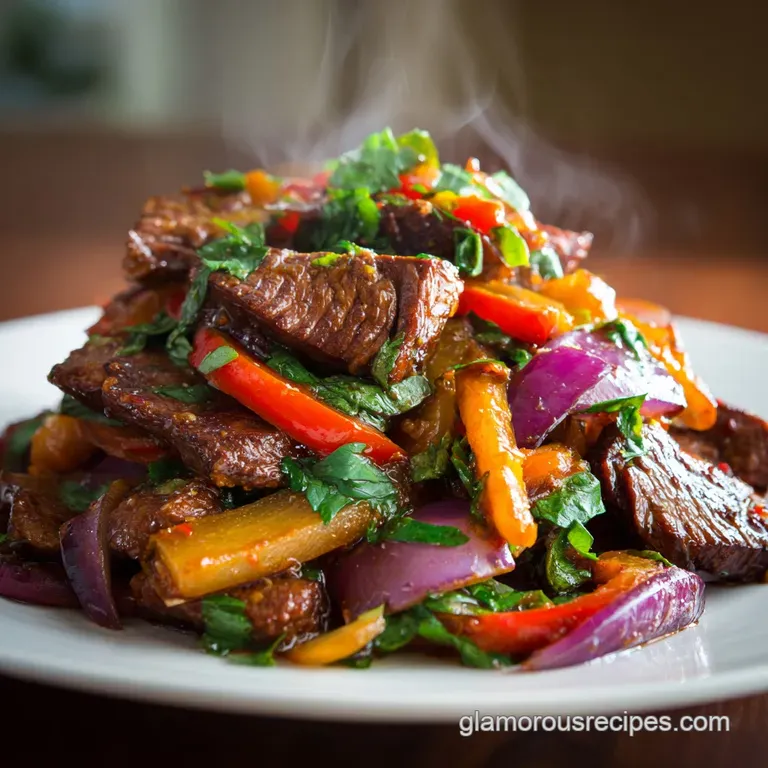
Add the remaining oil, if necessary, and immediately add the thick sliced red onions to the screaming hot wok. Stir fry rapidly for 60 to 90 seconds until the edges just start to soften but the slices remain crisp.
Push the onions to one side and add the Aji Amarillo paste to the clear section, cooking it for 30 seconds until you smell its intense nutty aroma. Toss the onions through the paste, coating them completely. Finally, toss in the tomato wedges for a brief 30 seconds; they should heat through but remain firm.
Assembly and Immediate Service
Immediately pour in the remaining soy sauce, red wine vinegar, and the beef stock. Scrape up any beautiful browned bits from the bottom of the pan to deglaze, letting the sauce come to a rapid bubble. Return all the seared beef strips (and any accumulated, flavorful juices) to the wok.
Toss everything together for 30 seconds to coat the meat and vegetables in the glossy, savoury sauce. Remove the pan from the heat right now. Stir in exactly half of the fresh coriander. Serve the Lomo Saltado immediately over steamed rice, garnishing generously with the crispy chips and the remaining fresh coriander.
Wok Secrets and Troubleshooting Your Stir Fry
Preventing the 'Stew': Ensuring Rapid Evaporation
The most common Lomo Saltado mistake is ending up with a watery, sad stew instead of a glossy stir fry. This usually happens because the pan wasn't hot enough, or you added too much meat at once. The Fix: Ensure your pan is actively smoking before the beef goes in.
If you finish the dish and the sauce still looks thin, quickly remove the meat and vegetables, crank the heat, and reduce the sauce fiercely for 30 seconds until it thickens just slightly and becomes glossy.
The Role of Rest: Maximizing Flavor Absorption
Though this dish moves quickly, letting the marinated beef strips sit for the required 15 minutes at room temperature is essential. If you try to sear cold meat, the outside will burn long before the inside cooks through.
Resting the meat also ensures that the soy and spices have time to fully penetrate the surface, building that foundational umami base.
Adjusting Heat: How to Handle a Smoking Hot Pan
Yes, we want the pan to be smoking, but if you see active fire (especially if using a thin wok), pull the pan momentarily off the burner to stabilize the temperature. If your beef is starting to burn before it sears, your heat is too high for the amount of oil you're using.
The Fix: If the oil flashes, remove the pan, let it cool for 10 seconds, then immediately return it, slightly reducing the heat from the absolute maximum setting.
Handling Leftovers: Storing Your Peruvian Stir Fry
Best Practices for Refrigeration
Lomo Saltado is best eaten immediately, but leftovers are certainly delicious if handled correctly. Store the stir fry (the beef, vegetables, and sauce) separately from the crispy chips and rice in airtight containers. The beef and vegetables will keep beautifully for up to 3 days in the refrigerator.
Freezing Lomo Saltado (The Texture Trade off)
But does it freeze well? Sort of, but be warned. While the sauced beef freezes perfectly fine, the onions and especially the tomatoes become quite mushy and lose their vibrant texture upon thawing. If you plan to freeze portions, I recommend omitting the tomatoes entirely or adding them only during the reheating phase.
Freeze the Lomo Saltado in a freezer safe bag or container for up to 2 months.
Reheating Tips for Maximum Crispness
The absolute worst way to reheat Lomo Saltado is in the microwave; it makes the sauce watery and the beef tough. The best method? Reheat the beef and vegetables in a small amount of oil in a skillet over high heat, stirring constantly until hot (about 2 minutes).
Reheat the chips separately in a hot oven (400°F / 200°C) or an air fryer to regain their crunch before combining on the plate.
Completing the Peruvian Experience
This fiery Peruvian Lomo Saltado is magnificent served with fluffy steamed rice the rice is absolutely necessary to soak up that tangy, incredible sauce. For a true Peruvian touch, serve alongside some Salsa Criolla , a simple, refreshing relish made of thinly sliced red onion, lime juice, and cilantro.
It’s the perfect, acidic antidote to the richness of the stir fry.
Recipe FAQs
How do I achieve the signature smoky flavor (Wok Hei) characteristic of Lomo Saltado?
The authentic smoky flavor, known as wok hei, requires extremely high heat use a carbon steel wok or heavy cast iron skillet. It is crucial to cook the beef and vegetables in small, separate batches to prevent the pan temperature from dropping drastically.
If the heat is too low, the ingredients will steam rather than sear, resulting in a watery dish lacking smokiness.
Why is my Lomo Saltado sauce watery instead of thick and glossy?
A watery sauce is the primary result of overcrowding the wok, which rapidly cools the oil and causes the ingredients to release excessive moisture. Ensure your pan is blazing hot before you start, and use a quick, vigorous toss to keep everything moving.
The cornstarch slurry in the marinade should naturally thicken the sauce as the liquid reduces over the high heat.
My beef turned out tough and chewy. What did I do wrong?
Tough beef is usually a result of overcooking or improper slicing. Always use tender cuts like sirloin or tenderloin, and ensure you slice the meat thinly and strictly against the grain to break up the muscle fibers.
Since this is a high heat stir fry, the beef strips should only cook for a total of 60 to 90 seconds until they just sear, maintaining tenderness.
Can I prepare the beef marinade ahead of time, and how long can I store leftovers?
Yes, you can marinate the beef for up to 4 hours in the refrigerator, but avoid marinating overnight, as the acidic vinegar can break down the meat structure too much. Leftovers should be stored in an airtight container for up to 3 days; however, note that the French fries will lose their crispness and become softer upon reheating.
I can’t find Aji Amarillo paste. What is the best substitution for flavor and color?
Aji Amarillo provides a unique fruity heat, but if unavailable, you can substitute with a mixture of half red bell pepper and half habanero or scotch bonnet pepper (adjusted for desired spice level).
Alternatively, mild yellow hot sauces combined with a pinch of turmeric for color can mimic the visual and flavor notes adequately. Never skip the acidic component.
Are there popular variations, or can I make this dish vegetarian or vegan?
Absolutely, Lomo Saltado translates beautifully into a vegetarian dish (Vegetariano Saltado) by substituting beef with firm tofu, portobello mushrooms, or thick cut oyster mushrooms. Ensure your substitution is pressed or patted very dry before frying to prevent the stir fry from becoming soggy.
Maintain the strong soy sauce and vinegar base for the necessary flavor profile.
Why are the French fries added to the stir fry, rather than served strictly on the side?
The integration of crispy French fries is a defining characteristic of Peruvian Lomo Saltado, contrasting the richness of the stir fry with a hearty starch. Mixing them in right at the end allows the fries to briefly absorb the tangy, savory sauce while still retaining some crunch.
This ensures every bite contains the full array of textures and flavors.
Fiery Lomo Saltado Classic
Ingredients:
Instructions:
Nutrition Facts:
| Calories | 800 kcal |
|---|---|
| Fat | 45 g |
| Fiber | 5 g |
