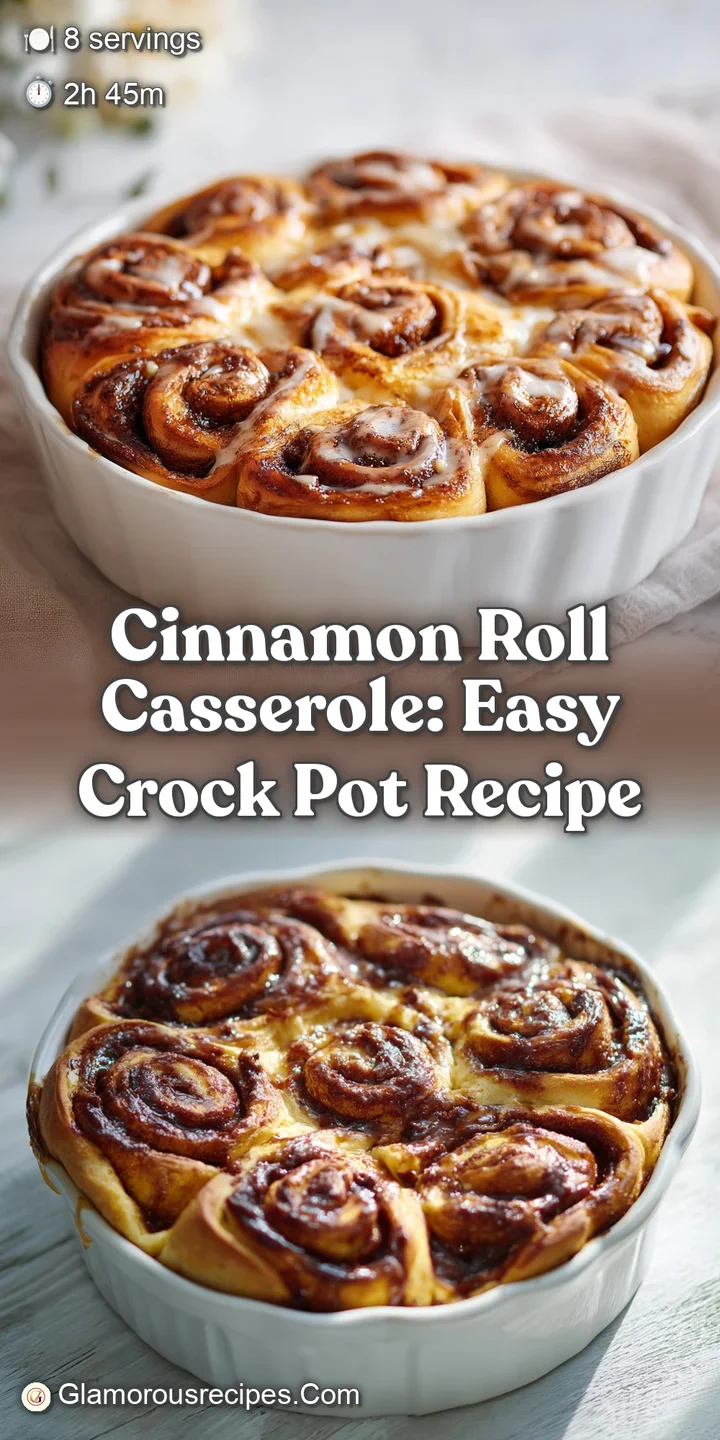
Cinnamon Roll Casserole: Slow Cooker Velvety Custard
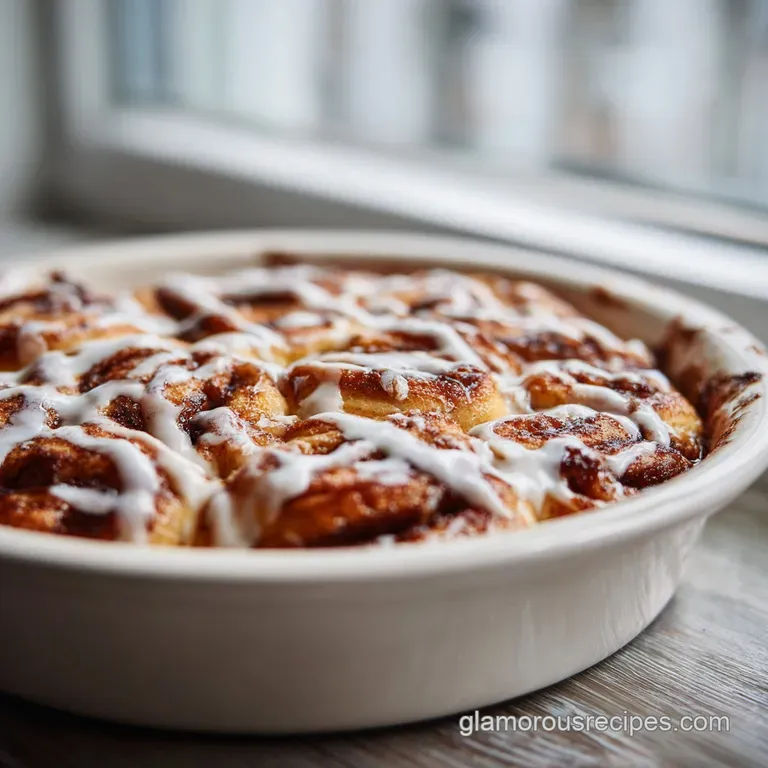
- Time: Active 15 minutes, Passive 2 hours 30 mins, Total 2 hours 45 mins
- Flavor/Texture Hook: Velvety custard meets gooey cinnamon swirls
- Perfect for: Lazy Sunday mornings or holiday brunch crowds
- The Ultimate Comfort of a Cinnamon Roll Casserole
- Why This Works
- Component Analysis for Peak Flavor
- Elements Required for Success
- Tools for a Stress Free Prep
- Easy Steps for the Perfect Bake
- Avoiding These Common Kitchen Disasters
- Simple Flavor Variations and Swaps
- Smart Storage and Make-Ahead Advice
- Creative Ways to Present Dessert
- Myths About Slow Cooker Baking
- Recipe FAQs
- 📝 Recipe Card
The Ultimate Comfort of a Cinnamon Roll Casserole
The scent of warm yeast and toasted cinnamon hitting a cold morning air is enough to pull anyone out of bed. I remember the first time I tried making this; it was a rainy November Sunday, and I was desperate for that classic bakery aroma without the four hour commitment of kneading dough.
I tossed everything into the slow cooker, skeptical that "shortcut" rolls could ever feel like a true Southern comfort food.
By the second hour, the kitchen smelled like a dream. When I lifted the lid, the rolls had puffed into a singular, golden mass of goodness. It wasn't just a quick fix; it was a revelation in how textures can change when given a slow, gentle heat.
It's become my go to for house guests because it frees me up to drink coffee and actually talk to people instead of hovering over a hot stove.
We've all had those dry, disappointing rolls from a tin, but this method changes the game entirely. The heavy cream seeps into every crevice, creating a "lava" effect that makes the dough incredibly tender.
You aren't just heating up rolls; you're essentially poaching them in a spiced vanilla custard that makes them feel entirely homemade and sacred.
Why This Works
- The Physics of the Steam Bath: The slow cooker acts as a sealed environment, trapping moisture to prevent the dough from drying out while the bottom edges caramelize against the ceramic.
- Protein Denaturation: Adding four large eggs to the dairy base creates a structural custard that sets between the rolls, turning a simple bread dish into a rich, bread pudding style bake.
- Fat Emulsification: Combining heavy cream and whole milk ensures a high fat to liquid ratio, which coats the gluten strands and results in a velvety mouthfeel that skim milk simply cannot replicate.
The Science of the Custard Soak
The secret lies in the osmotic pressure where the sugar heavy dough absorbs the spiced cream mixture. This hydration prevents the rolls from becoming tough or rubbery during the long cook time.
| Method | Cook Time | Texture Outcome | Best Use Case |
|---|---|---|---|
| Slow Cooker | 2 hours 30 mins | Pillowy, moist, pudding like | Hands off brunch |
| Standard Oven | 35 mins | Crispy, airy, traditional | Quick morning fix |
| Air Fryer | 20 mins | Crunchy exterior, soft middle | Small batch snacking |
Deciding between methods usually comes down to how much time you have to sip your coffee. If you're looking for something more savory to balance the sweetness, you might consider pairing this with a hearty Breakfast Casserole recipe to round out the spread.
Component Analysis for Peak Flavor
| Ingredient | Science Role | Pro Secret |
|---|---|---|
| Heavy Cream | Fat source for tenderness | Use cold cream to slow down the egg tempering |
| Cinnamon Rolls | Starch and leavening base | Cut into quarters to increase surface area for soaking |
| Ground Nutmeg | Flavor complexity | Grate it fresh to release volatile oils for a woody aroma |
A quick note on the cream: using a high fat dairy is non negotiable here. If you use fat free alternatives, the "sauce" will break and become watery rather than creamy.
Elements Required for Success
- 2 cans (12.4 oz each) refrigerated cinnamon rolls: These provide the structure and the initial hit of cinnamon sugar.
- 1 tbsp unsalted butter, softened: Essential for greasing the pot and adding a rich, savory note to the base.
- 4 large eggs: These bind the liquids into a cohesive custard.
- 0.5 cup heavy cream: Why this? Provides the "lava" texture and keeps the bread from drying out.
- 0.25 cup whole milk: Thins the custard just enough to seep into the dough.
- 1 tsp pure vanilla extract: Adds a floral depth that bridges the spices.
- 1 tsp ground cinnamon: Extra spice to reinforce the canned flavoring.
- 0.25 tsp ground nutmeg: A Southern touch that adds a warm, professional bakery scent.
- 0.5 cup toasted pecans, chopped: Provides a necessary "shatter" and crunch against the soft dough.
| Original Ingredient | Substitute | Why It Works |
|---|---|---|
| Heavy Cream | Full fat Coconut Milk | Similar fat content. Note: Adds a slight tropical nutty flavor. |
| Toasted Pecans | Chopped Walnuts | Similar oily crunch but with a slightly more bitter edge. |
| Whole Milk | Oat Milk (Barista Blend) | High protein and fat content mimics the thickness of dairy milk. |
Tools for a Stress Free Prep
You won't need much for this, which is half the beauty of it. A 6 quart slow cooker is the standard for this recipe to ensure the rolls have room to expand. You'll also want a sharp bench scraper or a pair of kitchen shears.
I find shears much easier for snipping the raw dough directly into the pot without making a mess on the counter.
Grab a medium mixing bowl for whisking the custard. A heavy duty balloon whisk is better than a fork here; you really want to incorporate those eggs until no streaks of white remain. Finally,, a small skillet is handy for toasting the pecans.
Don't skip the toasting step it transforms the nuts from "fine" to "earthy and aromatic."
Easy Steps for the Perfect Bake
- Grease the crock. Rub the 1 tbsp unsalted butter all over the bottom and halfway up the sides of your slow cooker. Note: This prevents sticking and helps create a browned, buttery crust on the bottom rolls.
- Prepare the dough. Open both 12.4 oz cans of cinnamon rolls and set the icing packets aside. Cut each roll into four equal pieces.
- Layer the pieces. Scatter the dough chunks evenly across the bottom of the pot. Do not pack them down; keep them loose so the custard can flow between them.
- Whisk the liquids. In your bowl, combine 4 large eggs, 0.5 cup heavy cream, 0.25 cup whole milk, 1 tsp vanilla, 1 tsp cinnamon, and 0.25 tsp nutmeg.
- Emulsify thoroughly. Beat the mixture until the eggs are fully integrated and the spice is evenly distributed.
- Drench the rolls. Pour the custard slowly over the dough pieces, ensuring every bit of bread gets a little bit of the liquid.
- Add the crunch. Sprinkle 0.5 cup toasted pecans over the top.
- Start the cook. Cover and set the slow cooker to Low. Cook for 2 hours 30 mins until the center is set and no longer jiggles.
- The Paper Towel Trick. Place a clean paper towel under the lid for the last 30 minutes. Note: This catches condensation so it doesn't drip back onto your rolls and make them soggy.
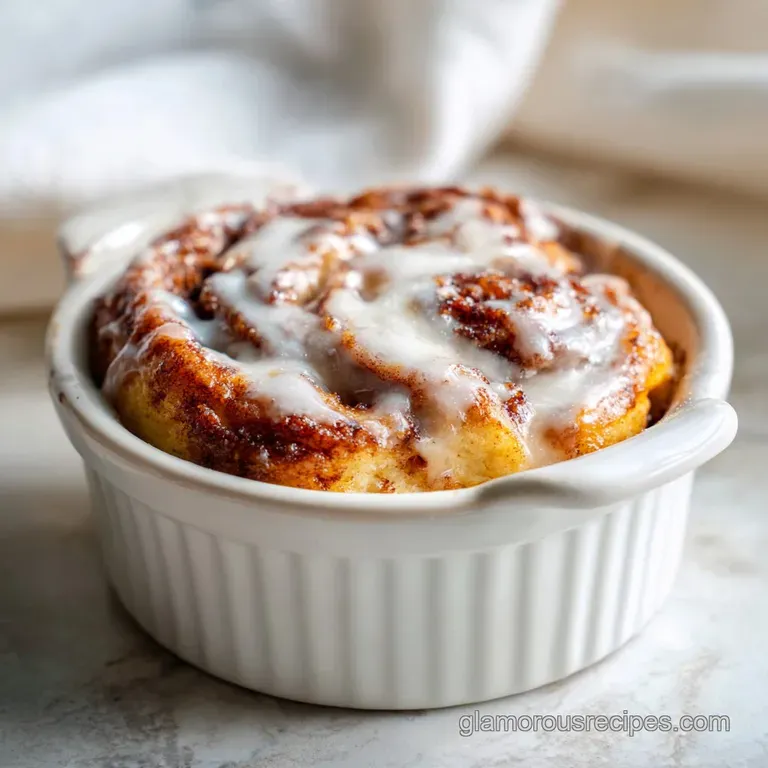
- Glaze and serve. Drizzle the reserved icing over the hot casserole until it melts into a glossy, translucent sheet.
Avoiding These Common Kitchen Disasters
Why Your Casserole Stayed Soggy
If the center of your bake feels like raw dough after the time is up, it's usually due to condensation. Slow cookers create a lot of steam. If that steam drips back onto the center of the dish, it prevents the eggs from setting. Always use the "paper towel trick" mentioned in step 9 to act as a moisture barrier.
Dealing With Burnt Edges
Every slow cooker runs at a different temperature. If yours is a "hot" model, the edges might start to smell like they are scorching before the middle is done. To fix this, you can create a foil ring to insulate the sides, or simply rotate the ceramic insert 180 degrees halfway through the cooking process.
| Problem | Root Cause | Solution |
|---|---|---|
| Rubbery Texture | Overcooking | Check doneness 20 mins early; the center should just barely resist a touch. |
| Bland Flavor | Cold Spices | Bloom your cinnamon and nutmeg in the milk for 5 mins before adding eggs. |
| Separated Custard | Too much liquid | Stick strictly to the 0.5 cup cream / 0.25 cup milk ratio. |
Common Mistakes Checklist
- ✓ Never skip greasing the pot; the sugar in the rolls will glue itself to the ceramic otherwise.
- ✓ Don't use "Grands" or extra large rolls without increasing the liquid slightly, as they are denser.
- ✓ Avoid lifting the lid during the first 90 minutes - you lose the heat needed for the "rise."
- ✓ Ensure the pecans are toasted before adding; raw nuts stay soft and lose their impact.
- ✓ Always whisk the eggs separately before adding milk to ensure no slimy egg white streaks.
Simple Flavor Variations and Swaps
If you're feeling a bit more ambitious, you can swap the canned rolls for a homemade version. When I have time, I use my Cinnamon Rolls recipe as the base. Just prepare the dough through the first rise, roll them up, and then cut them into the casserole. You may need to increase the cook time by 30 minutes since homemade dough is often denser than the refrigerated stuff.
Chef's Tip: For a "Bananas Foster" twist, slice two ripe bananas over the dough before pouring the custard. The fruit caramelizes beautifully in the slow heat.
If you want a more "grown up" flavor profile, add a tablespoon of bourbon or dark rum to the custard. It cuts through the sugar and adds a smokey depth that reminds me of old school Southern bread pudding. You can also swap the pecans for toasted walnuts or even slivered almonds if you prefer a different nut profile.
Smart Storage and make-ahead Advice
This dish is best served immediately while the glaze is still warm and the center is at its peak of softness. However, life happens. You can store leftovers in an airtight container in the fridge for up to 3 days.
To reheat, I highly recommend using the oven at 300°F (150°C) for about 10 minutes rather than the microwave. The oven helps restore some of that "shatter" to the pecans and firms up the custard.
For freezing, let the casserole cool completely. Wrap individual portions in plastic wrap and then foil. They will stay fresh for up to 2 months. To eat, thaw them overnight in the fridge and then warm them through. It's a lifesaver for those mornings when you have zero energy but need a hit of comfort.
Zero Waste Tip: If you have leftover frosting packets that you didn't use, don't toss them! They are essentially shelf stable buttercream. Whisk them into your morning coffee or use them as a dip for apple slices.
Creative Ways to Present Dessert
Presentation is everything when it comes to a "mushy" comfort dish like a casserole. Instead of scooping it out like mashed potatoes, use a large spoon to lift out whole sections so people can still see the individual swirls of the rolls.
I love serving this in wide, shallow bowls rather than on flat plates; it allows the extra custard at the bottom to pool around the bread.
For a final touch, a light dusting of powdered sugar through a fine mesh sieve adds a professional "snowy" look. If it's a special occasion, add a few fresh raspberries or blackberries on top. The tartness of the fruit cuts right through the heavy cream and sugar, making each bite feel balanced.
It’s the kind of dish that looks humble but tastes like a luxury hotel brunch.
Myths About Slow Cooker Baking
Myth: You can't get a "rise" in a slow cooker. Many believe the heat isn't intense enough to activate the leavening in the dough. In reality, the gentle, consistent warmth is actually perfect for a second "proof" as the casserole cooks.
The rolls will expand significantly, filling the pot and creating that airy, soft texture we love.
Myth: Casseroles always turn out soggy. This only happens if you ignore the steam management. The "paper towel trick" is a legitimate culinary technique for slow cooker baking. By absorbing the water that would otherwise drip back onto the food, you maintain a moist but firm crumb.
Myth: High heat is faster and better. Actually, using the "High" setting for dough often scorches the bottom before the eggs in the middle have a chance to set. Slow and low is the secret to ensuring the heat penetrates the center of the rolls without turning the bottom into a blackened sugar char.
If you want...
- A deeper caramel flavor: Sprinkle 2 tablespoons of dark brown sugar over the buttered pot before adding the rolls.
- A lighter texture: Use half and half instead of heavy cream, though the "lava" effect will be less pronounced.
- A "Crunchier" top: Transfer the ceramic insert to a 400°F (200°C) oven for 5 minutes after the slow cooking is finished.
Recipe FAQs
Can I use store-bought cinnamon rolls straight from the fridge?
Yes, this recipe is specifically designed for refrigerated dough. Using pre-made rolls saves significant time, but cut each roll into four pieces to maximize surface area for the custard soak.
How to prevent the edges from burning in the slow cooker?
Insulate the sides or rotate the pot halfway through cooking. If your slow cooker runs hot, try wrapping a thick, folded kitchen towel around the ceramic insert before placing it into the housing unit.
What is the purpose of adding eggs to the cream mixture?
The eggs form a binding custard structure. They prevent the soak from remaining purely liquid, transforming it into a set, velvety texture similar to bread pudding. Mastering this binding technique is key to any good baked custard, similar to what’s required for a firm cheesecake base.
Is it true that I must use a paper towel under the lid?
No, you don't strictly have to, but it is highly recommended for a non-soggy top. The paper towel catches condensation, preventing water droplets from dripping back onto the rolls and making the top layer gluey.
How do I make this recipe ahead of time?
Assemble everything except the custard, cover, and refrigerate overnight. When ready to bake, add the custard and start the slow cooker, noting that you may need an additional 15 20 minutes of cook time since the ingredients start cold.
Can I substitute the heavy cream with milk for a lighter version?
No, avoid substituting heavy cream entirely. The high fat content is essential for achieving the rich, velvety texture that defines this casserole; lower fat milk will result in a watery soak.
How to achieve a truly crisp, non-soggy bottom layer?
Ensure you generously butter the bottom of the ceramic pot first. The fat prevents the sugar in the dough from fusing directly to the ceramic, allowing the edges to caramelize slightly instead of steaming.
Crock Pot Cinnamon Roll Casserole
Ingredients:
Instructions:
Nutrition Facts:
| Calories | 454 kcal |
|---|---|
| Protein | 8.6 g |
| Fat | 26.8 g |
| Carbs | 47.2 g |
| Fiber | 1.8 g |
| Sugar | 24.5 g |
| Sodium | 615 mg |
