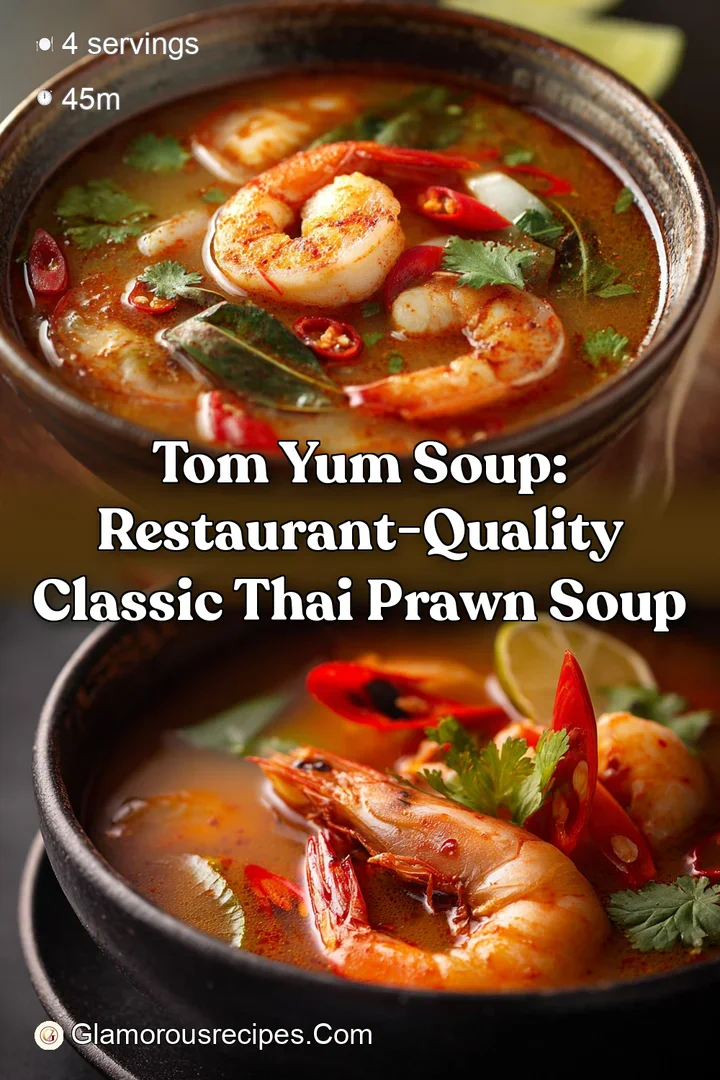
Tom Yum Soup: the Real Deal Thai Prawn Recipe
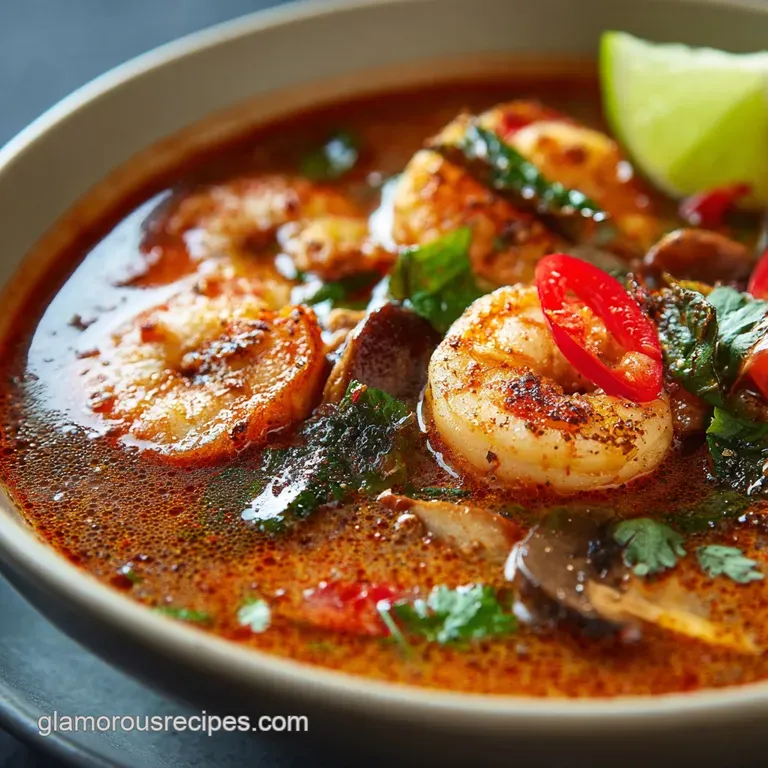
- Unlocking the Secrets of Authentic Tom Yum Goong
- The Five Pillars of Tom Yum Flavor: Why Balance is Key
- Essential Aromatics and Pantry Staples for True Thai Heat
- Mastering the Broth: A Step-by-Step Guide to the Perfect Hot & Sour Soup
- Troubleshooting Your Broth: Expert Tips for Maximum Aroma
- Practical Kitchen Guide: Storing Leftovers and Reheating
- Completing the Meal: Traditional Thai Pairings
- Recipe FAQs
- 📝 Recipe Card
Unlocking the Secrets of Authentic Tom Yum Goong
If there is one smell that instantly transports me back to the bustling streets of Thailand, it's that electrifying cloud of lime, chili, and lemongrass. You know the one. We’re talking about Tom Yum Soup (K1), the hot and sour masterpiece that dances on your tongue and clears your sinuses simultaneously.
It’s intoxicating, honestly.
People think making authentic Thai food is complicated, but this specific recipe for Tom Yum Soup (K2) is surprisingly simple and incredibly fast once you have your essential aromatics prepped.
It’s perfect for a weeknight when you need something restorative and packed with flavour, often cheaper than ordering expensive takeout. This soup is liquid salvation, truly.
Forget everything you thought you knew about dull, muted restaurant versions. We are diving deep into the real secrets of proper aromatic extraction and off-heat seasoning to create a classic Tom Yum Soup (K3) that delivers that perfect, unforgettable punch.
We focus purely on the fresh ingredients, ensuring every spoonful is vibrant and intensely aromatic. Let’s crack on.
The Five Pillars of Tom Yum Flavor: Why Balance is Key
This isn't just a recipe; it's a technique guide focusing entirely on balancing the four fundamental Thai flavor groups hot, sour, sweet, and salty. The secret to an amazing Real Tom Yum Soup (K4) lies in how aggressively you treat your aromatics before they even hit the water.
We also utilize quality Thai chili jam (Nam Prik Pao), which gives the broth a gorgeous reddish hue and a deep, complex umami flavor that simply cannot be replicated by just chili flakes.
The Historical Roots of Thailand's National Soup
Tom Yum is more than just a dish; it’s an institution, rooted deeply in Thai history and regional variations. Originally, this simple, restorative hot and sour broth was cooked by fishermen along the Chao Phraya River, using fresh daily catches and local herbs.
The traditional approach uses straightforward ingredients to achieve complex depth, something modern recipes often overlook when creating their basic Classic Tom Yum Soup (K5). That heritage is why fresh aromatics are non-negotiable here.
Defining "Goong": Why Prawns Are Traditional
"Tom" means boiling, and "Yum" means mixed/spicy salad, but "Goong" specifically refers to the prawn or shrimp that historically anchors this specific preparation. Large, high-quality prawns are essential not just for protein, but because their natural sweetness perfectly counteracts the intense sour and spicy notes of the broth.
You cannot capture the true essence of Tom Yum Soup (K6) without that subtle, sweet seafood backbone.
Tom Yum vs. Tom Kha: Understanding the Difference
Many beginners confuse these two powerhouse soups, but they are fundamentally different experiences. While both share the same aromatic base (galangal, lemongrass, lime), Tom Kha is characterized by the addition of coconut milk, transforming it into a rich, creamy white soup.
Tom Yum Soup (K7), conversely, is built on a clear, intensely fiery broth, highlighted by the vibrant oil from the chili jam and the brightness of fresh lime. If you want creamy, look up Tom Kha. If you want punch, stay here.
Extracting Maximum Flavor from Galangal and Lemongrass
This is where I messed up for years: slicing the aromatics neatly. You must smash them! Using the back of your knife or a mortar and pestle, you need to bruise the lemongrass stalks and galangal slices until they are slightly ragged and weeping oils.
This breaking of the cell walls immediately releases those pungent, floral, and citrus oils right into the broth, ensuring a truly vibrant Tom Yum Soup base (K8). Don't be gentle; be brutal.
The Crucial Role of Fresh Lime Juice (Added Last)
If you ignore only one piece of advice, don't let it be this one: lime juice goes in off the heat. Boiling lime juice, especially in a delicate broth like this, releases bitter compounds locked in the oils, ruining that beautiful, bright sourness we crave.
When making your Tom Yum Soup (K9), remove the pot from the burner, wait thirty seconds, and then stir in the lime and fish sauce. Trust me, it makes all the difference.
Achieving the Signature Fiery Heat Level
The heat in this traditional Thai Prawn Soup (K10) comes from two sources: the red bird’s eye chilies and the Nam Prik Pao (chili jam). The bird’s eye chilies provide that immediate, sharp, stinging heat, while the chili jam offers a deeper, more mellow, roasted spice.
Always taste your jam first, as brands vary wildly in their heat level, and always keep a bowl of extra sliced chilies on the side for the spice daredevils in your life.
Essential Aromatics and Pantry Staples for True Thai Heat
Sourcing Kaffir Lime Leaves (Bai Makrut) and Substitutes
You simply cannot make truly authentic Tom Yum Soup (K11) without Kaffir lime leaves. Their deeply floral, slightly metallic citrus aroma is irreplaceable. Look for them fresh or frozen in Asian specialty stores.
| Ingredient | Why it’s Crucial | Substitute (Use only in desperation!) |
|---|---|---|
| Kaffir Lime Leaves | Distinct floral citrus aroma | Zest of 1 regular lime + 1 sprig of mint |
| Fresh Galangal | Piney, sharp, earthy heat | Regular ginger (will drastically change flavor) |
| Thai Chili Jam | Umami, color, deep roasted flavor | Substitute with a blend of chili oil and sugar |
Selecting the Best Prawns (Shrimp) for Texture
For a classic Tom Yum Goong recipe (K12), you want large, firm prawns. I prefer Gulf or Tiger prawns, usually labeled as 16/20 count. They hold up well in the hot broth without turning rubbery.
Buying them head-on, if available, is a huge bonus, as the shells and heads make an intensely flavourful broth base before you even add the aromatics.
The Importance of Quality Fish Sauce (Nam Pla)
Fish sauce is the salt of Southeast Asian cooking, providing crucial depth and fermented umami. Don't cheap out on this ingredient! A high-quality fish sauce should smell pleasantly pungent, not overwhelmingly acrid.
Use it judiciously, balancing it with the sweetness of the sugar to ensure your final Tom Yum Soup (K13) tastes balanced, not flat.
Non-Negotiable Fresh Ingredients Checklist
You need the fresh stuff, end of story. The dried versions of lemongrass and galangal found in standard supermarkets are a massive waste of time and will leave your Authentic Tom Yum recipe (K14) tasting like mildly flavored water.
Seek out the fresh galangal root, bright green kaffir lime leaves, and firm lemongrass stalks. Freshness is the key to that vibrant, punchy flavour profile.
Mastering the Broth: A step-by-step Guide to the Perfect Hot & Sour Soup

Bruising the Aromatics for Maximum Release
Grab your prepared lemongrass and galangal. Place them on the cutting board and give them a good, hard smash using the blunt side of a heavy cleaver or the flat of your knife blade. This releases the essential oils immediately.
Take your kaffir lime leaves and tear them gently across the central vein before adding them to your stock.
The Infusion Stage: Building the Base Broth
Bring your low-sodium chicken stock (or prawn shell stock, if you were smart!) to a rolling boil in a large saucepan. Immediately drop in the smashed lemongrass, galangal, and torn kaffir lime leaves. Reduce the heat and let this intensely aromatic mixture simmer for a full 10 to 12 minutes.
This extraction is critical for a powerful Tom Yum Soup (K15) flavour.
Chef's Note: If you want a perfectly clear broth without annoying bits of fibrous lemongrass floating around, skim the aromatics out now using a slotted spoon. This makes the finished soup much more pleasant to eat.
Integrating Protein and Vegetables
Return the broth to medium high heat. Stir in the two tablespoons of Thai Chili Jam (Nam Prik Pao) and the tiny bit of palm sugar until the jam dissolves completely, turning the broth that beautiful orange red hue.
Now is the time to add the mushrooms and halved cherry tomatoes, simmering them for about three minutes to soften slightly. Finally, drop in the large, beautiful prawns. They cook fast! Keep the heat high and let them turn opaque, curling into that classic 'C' shape, which takes only two to three minutes max.
Finishing with Acid and Salt
This is the most critical step for the flavor of your Tom Yum Soup (K16). Take the saucepan completely off the heat. Immediately stir in the fish sauce and the fresh lime juice. The residual heat is plenty to finish melting any remaining sugar or jam. Give it a taste.
If it’s too sour, add a few more drops of sugar. If it tastes dull, add a splash more fish sauce. Stir in the sliced bird’s eye chilies now to allow the spice to permeate the final broth just before serving this outstanding Hot and sour soup recipe (K17).
Troubleshooting Your Broth: Expert Tips for Maximum Aroma
The Danger of Overcooking Prawns
Overcooked prawns are rubbery, chewy, and totally ruin the delicate texture of your Tom Yum Goong (K18). Seriously, watch them like a hawk. They only need two to three minutes.
If you are serving a crowd and worried about timing, flash poach the prawns separately and add them to the hot soup bowls right before ladling the broth over them. It is a foolproof method.
Fixing Broth That Tastes Too Sour or Too Salty
If you added too much lime and your Tom Yum Soup (K19) tastes like a sour pucker, you have two options. First, add a few more drops of sugar to counter the acidity. Second, dilute the broth slightly with a quarter cup of neutral stock or water.
Conversely, if it’s too salty from the fish sauce, adding a bit more lime juice can often trick the palate into perceiving it as more balanced. Remember that the finished broth will taste slightly different once paired with cooling jasmine rice.
Maximizing Fresh Herb Flavor Before Serving
Don't cook the coriander! Fresh coriander is merely a garnish, but it’s a necessary one. Chop it roughly and sprinkle it generously over the top of the individual bowls of Tom Yum Soup (K20) right before serving.
The heat of the soup will slightly wilt the herbs, releasing their vibrant aroma, which is the perfect finish for this delicate dish.
Practical Kitchen Guide: Storing Leftovers and Reheating
Best Practices for Refrigerating the Soup Base
Tom Yum broth keeps incredibly well in the fridge, making it a stellar meal prep option. Store the broth separately from the prawns, mushrooms, and any remaining herbs in an airtight container. The soup base, which is essentially pure flavour, will last perfectly for 3 to 4 days.
It is even better the next day, once the flavours have had a chance to marry.
Freezing the Broth (Without Protein or Lime)
Can you freeze Tom Yum Soup base (K21)? Absolutely, but you must take care. Do not freeze the broth if you have already added the prawns or the fresh lime juice. Both ingredients suffer textural and flavour degradation upon freezing.
Freeze the infused, seasoned broth (with chili jam and fish sauce) in small batches. It will keep for up to three months. This is how you always have a quick start to a home cooked Real Tom Yum Soup (K22).
Gentle Reheating Methods to Preserve Texture
When reheating your chilled Tom Yum Soup (K23), gently warm the broth on the stovetop over low-to-medium heat. Do not let it boil aggressively, which can cause the delicate aromatic oils to evaporate and mute the spice level.
If you stored the prawns separately, only add them in the last minute or two of reheating, just until they are warm through. This prevents them from becoming tough. This careful attention to detail is what makes a huge difference in the final quality of your leftover Tom Yum Soup (K24).
Completing the Meal: Traditional Thai Pairings
This spicy, vibrant Thai Prawn Soup (K25) requires a soft, neutral counterpart to soothe the palate. Always serve it alongside a generous bowl of perfectly steamed Jasmine rice. If you want an extra layer of texture, sprinkle a few crispy fried shallots right over the top of the soup.
For a complete feast, try pairing the soup with a simple Thai green mango salad the tartness and heat work wonderfully together. This incredible Tom Yum Soup (K26) deserves to be the star of your dinner table.
Recipe FAQs
What if I can't find fresh galangal? Is ginger an acceptable substitute?
While fresh ginger can be used in a pinch, be aware the flavor profile will change. Galangal provides a unique citrus pine note that is integral to Tom Yum, whereas ginger is more pungent and spicy. If substituting, use slightly less ginger than the recipe calls for, as its flavor can quickly dominate the broth.
My soup tastes flat or too sour. How do I achieve that perfect hot, sour, and savory balance?
Balancing Tom Yum requires tasting and adjustment at the end. If the soup is too sour, add a small pinch of sugar or a touch of coconut milk to soften the acidity. If it tastes flat, boost the umami by adding a bit more fish sauce and ensure you finish with fresh, bright lime juice just before serving.
Can I make this Classic Tom Yum Goong recipe vegan or vegetarian?
Yes, this recipe is highly adaptable. Replace the prawns with firm tofu, straw mushrooms, or oyster mushrooms for texture. Crucially, substitute the fish sauce entirely with high-quality soy sauce or a specific vegetarian "fish" sauce alternative to maintain the necessary deep umami flavor.
Why are my prawns rubbery? How long should I cook the seafood?
Rubbery prawns are usually the result of overcooking. Prawns cook very quickly in hot broth, so you should only add them during the last 2-3 minutes of the cooking time. Remove the soup from the heat as soon as the prawns turn pink and opaque; they will continue to firm up slightly from residual heat.
Do I need to smash (bruise) the lemongrass and galangal before cooking?
Yes, bruising the aromatics is a critical technique for maximizing flavor extraction. Using the flat side of a heavy knife or a pestle breaks down the tough fibers, releasing the highly fragrant essential oils into the boiling broth. This ensures a deeply aromatic and flavorful soup base.
How can I control the heat level of my Tom Yum soup?
The primary sources of heat are the fresh Thai chilies (prik kee noo) and the chili jam (nam prik pao). For a milder soup, use fewer whole chilies and make sure you do not slice them open, or simply reduce the amount of chili jam used. For more heat, crush the chilies slightly before adding them to the broth.
How long does Tom Yum soup last, and can I freeze the leftovers?
Tom Yum soup can be stored in an airtight container in the refrigerator for 3 to 4 days. While the strained broth freezes well, the texture of the cooked prawns and fresh aromatics (like kaffir lime leaves) can deteriorate upon thawing, so it is best consumed fresh or frozen without the seafood.
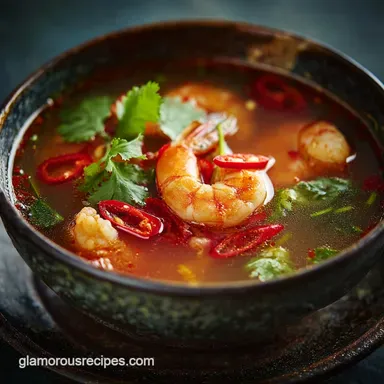
Classic Tom Yum Goong Recipe
Ingredients:
Instructions:
Nutrition Facts:
| Calories | 81 kcal |
|---|---|
| Protein | 12.5 g |
| Fat | 1.2 g |
| Carbs | 5.1 g |
