Yellow Rice: the Classic Saffron and Turmeric Version
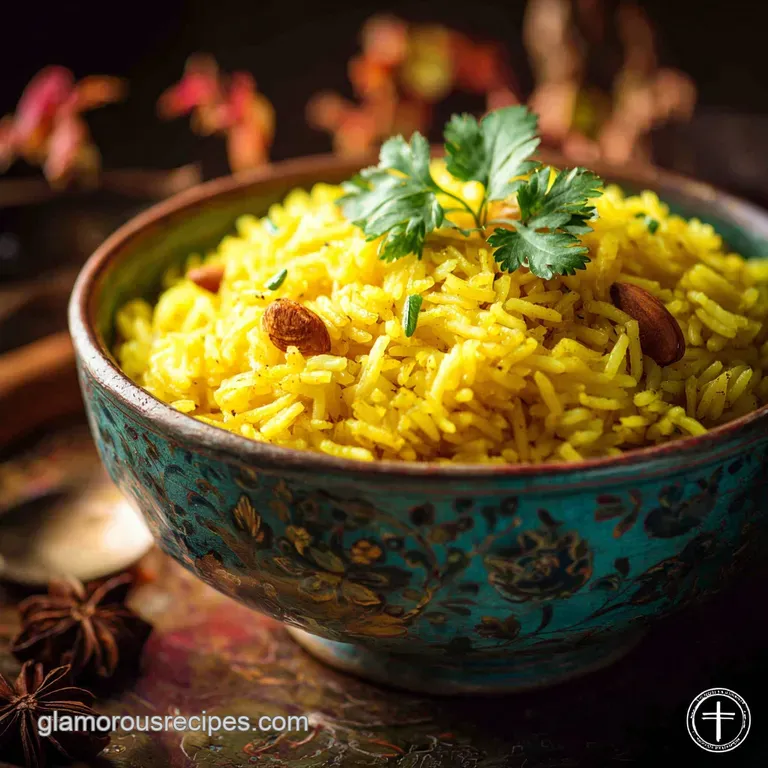
- The Foundation of Flavor: Introducing Classic Saffron Rice
- Achieving Perfection: The Science Behind Fluffy, Fragrant Rice
- Essential Components for Vibrant Yellow Rice
- Mastering the Pilaf: Step-by-Step Cooking Guide
- Troubleshooting & Expert Secrets for Faultless Results
- Making Ahead and Maximizing Leftovers
- Versatile Pairings: What to Serve Alongside Your Sunny Rice
- Recipe FAQs
- 📝 Recipe Card
The Foundation of Flavor: Introducing Classic Saffron Rice
I swear, if there is one thing that elevates a weeknight dinner from "okay" to "absolutely magnificent," it’s fragrant rice. Forget plain white stuff; we are chasing that gorgeous, sunny hue and the intoxicating aroma that fills your whole house the second you lift the lid.
This classic Yellow Rice is precisely that experience, bottled up and served hot. The delicate balance of earthy turmeric and luxury saffron creates a depth of flavor that is truly unbeatable.
Life gets hectic, right? This recipe is my emergency lifesaver because it’s fast, unbelievably easy, and honestly, cheaper than driving through a takeaway line. Once you master the simple pilaf technique detailed here, you’ll never buy those highly processed boxed mixes again. I promise.
This isn’t just about making rice yellow; it’s about infusing every single grain with warm, savoury flavor right from the start. We are talking perfectly separate, fluffy grains that shimmer on the plate.
Get ready, because this is the definitive Yellow Rice recipe you’ve been looking for.
Achieving Perfection: The Science Behind Fluffy, Fragrant Rice
Getting perfect, fluffy Yellow Rice is easier than you think, especially when you understand the foundational science of the pilaf method. It all comes down to controlling starch, temperature, and steam. My biggest mistake used to be stirring too much don't be that cook!
Defining the Dual Color and Flavor Profile
The vibrant color of authentic Yellow Rice doesn't come from just one spice; it’s a brilliant partnership. We use turmeric for its intense, deep yellow color and earthy flavor base.
Then, we layer in saffron threads, which provide that subtle, heady floral perfume and a touch of gold complexity. Turmeric is the workhorse pigment, but saffron brings the soul and the signature flavor profile of the best Spanish style rice.
Culinary Heritage: Spanish and Caribbean Roots
This style of rice transcends borders, appearing in various forms across the globe. You’ll find versions like Arroz Amarillo throughout the Caribbean and Latin America, and obviously, it’s a staple in Spanish cuisine where saffron reigns supreme.
My version is a beautiful fusion of both, embracing the rich color of turmeric while still honoring the fragrant luxury of saffron. The result is a truly authentic tasting, deeply satisfying Classic Yellow Rice side dish.
Why the Pilaf Method is Key to Texture
The pilaf method is the secret weapon for achieving non-sticky, separate rice grains. First, you sauté your aromatics, and then you toast the raw rice grains in fat before adding any liquid.
This crucial toasting step, often called sautéing à sec , does two amazing things: it coats the starch in fat, preventing the grains from clumping, and it adds a lovely, subtle nutty flavor.
This means your final product will be light, airy, and every grain will be distinct the hallmark of high-quality Yellow Rice .
The Turmeric/Saffron Synergy and Flavor Depth
You must bloom your spices in hot fat it’s non-negotiable for flavor intensity. Ground spices like turmeric release their fat-soluble flavor compounds much more effectively when heated gently in oil or butter before the liquid is introduced.
For this glorious Saffron Turmeric Yellow Rice , we add the turmeric and saffron right onto the toasted grains. This short burst of heat intensifies the color and ensures the spices are evenly distributed, avoiding those nasty clumps of raw powder you sometimes find in rushed recipes.
Toasting (Sofrito) for Deep Flavor Infusion
Before the rice even hits the pan, we are creating a sofrito base of onion and garlic. This foundational layer sets the entire tone for your Yellow Rice . Don't rush the onions; cook them low and slow until they are soft and translucent, extracting maximum sweetness and flavor.
This foundational depth ensures the final dish tastes complex, not just salty or simply yellow.
Managing the Perfect Liquid-to-Grain Ratio
The classic ratio for cooking long grain rice is 1 part rice to 2 parts liquid, but honestly, that can sometimes lead to mushiness depending on your pan and altitude. I prefer a slightly tighter ratio of 1 part rice to 1.75 or 1.8 parts liquid (1.5 cups rice to 3 cups stock, which is 1:2, but the pilaf method requires a tiny bit more steam).
The key is using warm or hot stock. Adding cold liquid drops the temperature immediately, ruining the gentle simmer and leading to unevenly cooked grains.
Essential Components for Vibrant Yellow Rice
Choosing the Right Rice Grain (Long Grain vs. Basmati)
For truly light and separate Yellow Rice , you must start with a long grain variety. Basmati or good quality Jasmine rice work beautifully because they are naturally less starchy than short grain varieties, making them resistant to clumping.
Medium grain rice holds liquid differently and is best reserved for creamier dishes, like my famous [Arroz con leche: The Definitive, Creamy Spanish Rice Pudding Recipe]. Stick with long grain for that signature fluffy finish.
Saffron Threads vs. Turmeric Powder: Clarifying the Roles
Everyone asks if they can skip the saffron because it’s pricey. Yes, you can technically still make an Easy Yellow Rice without it, but you will lose a layer of sophisticated flavour. Turmeric handles the bulk of the color.
If you are substituting, consider adding a pinch of sweet paprika for complexity.
| Ingredient | Primary Role | Viable Substitution |
|---|---|---|
| Saffron Threads | Flavor (floral, heady) | Small pinch of sweet paprika + increased Turmeric |
| Ground Turmeric | Color (deep yellow) | Annatto (Achiote) powder for a vibrant orange red hue |
| Unsalted Butter | Fat & Richness | high-quality olive oil or coconut oil |
Broth Selection and Salinity Adjustments
I highly recommend using low-sodium chicken or vegetable stock. The richness of the stock adds a savory depth that water simply cannot match. If you use full sodium stock, you must pull back on the added salt, or your final dish will be overwhelmingly salty. Always taste your liquid before the boil.
It should taste slightly over seasoned when raw, knowing the rice will absorb and mute some of that saltiness.
Optional Add-Ins for Aromatic Complexity (Garlic/Bay Leaf)
Don’t be shy about boosting the aromatics in your Yellow Rice . I always include a bay leaf during the simmer; it adds a subtle, almost woodsy background note. Similarly, I use two cloves of minced garlic in the initial sauté.
Sometimes, if I'm feeling fancy and making the Best Yellow Rice Recipe , I'll add a few strands of fresh thyme or a small strip of orange peel (removed before serving) for an authentic Spanish touch.
Mastering the Pilaf: step-by-step Cooking Guide

This method ensures perfect texture every single time. It hinges entirely on patience and trusting the process.
Prepping the Grain: Rinsing and Draining
Wait, controversial opinion coming: Do not rinse the rice for this particular recipe. Unlike standard boiled rice where you want to wash away all the surface starch, the pilaf method benefits from that slight surface starch.
When toasted in the butter and oil, that starch helps create a protective coat, leading to beautifully distinct grains. Just measure it out and you’re good to go.
Building the Base: Blooming the Spices in Fat
Start by melting the butter and sautéing your diced onion until translucent, about four minutes. Add the minced garlic and cook for just 60 seconds don’t let it burn or it will taste bitter, ugh. Then, pour in the rice, turmeric, saffron, and salt.
Stir constantly for two minutes, toasting the rice until the edges look translucent and you can smell the incredible aroma of the spices blooming. This is the moment when the Yellow Rice Seasoning truly comes alive.
The Simmer: Integrating the Broth and Bringing to a Boil
Quickly pour in your warmed stock and add the bay leaf. Crank the heat up to medium high and bring the mixture to a rapid, rolling boil. Give it one gentle stir to ensure no grains are sticking to the bottom. Once it's bubbling aggressively, it's time to seal the deal.
The Steam Phase: Achieving Lightness and Separation
This is the most crucial step, so listen closely. Reduce the heat immediately to the lowest possible setting the faintest, slowest simmer you can manage. Cover the pot tightly with a well fitting lid. Do not lift that lid for any reason.
Allow the rice to cook, undisturbed, for precisely 15 minutes. The steam is what does the real cooking, ensuring the grains plump up perfectly. That trapped moisture is how we achieve ideal Yellow Rice texture.
Troubleshooting & Expert Secrets for Faultless Results
Preventing Mushy Rice (The 'Lid Lift' Mistake)
If your rice is mushy, chances are you peeked. I know, I’ve been there the curiosity is painful! But every time you lift the lid, you lose critical steam and drop the internal temperature by 10 to 15 degrees.
This interrupts the cooking process, forcing you to add more time or liquid, which leads directly to gummy, unevenly cooked grains. Trust the timer, not your eyes. For perfect Yellow Rice texture, you must leave it alone.
When to Adjust Heat and Liquid Mid-Cook
Ideally, never. If you are 10 minutes into the simmer and hear aggressive sizzling, your heat is too high. If you must intervene, slightly move the pot off the direct heat source. If, after the full cook and rest period, you find the rice dry with a hard center, you needed more liquid.
Next time, add 1/4 cup extra stock and make sure your stock was hot when it went in.
The Critical Importance of the Final Rest Period
Once the 15 minute simmer is complete, turn the heat off, but do not remove the lid. Let the pot sit, completely untouched, for 5 to 10 minutes. This resting phase allows the starches to stabilize and any residual moisture to be reabsorbed evenly throughout the grain.
This is the secret step that makes your final Yellow Rice so incredibly light and fluffy. Use a fork not a spoon to gently fluff the rice before serving.
Making Ahead and Maximizing Leftovers
Safe Cooling and Refrigeration Guidelines
Cooked rice is notorious for harboring certain bacteria if left at room temperature too long. Always follow the food safety rule: cool and refrigerate your leftover Yellow Rice within two hours of cooking.
Spread the rice out on a baking sheet to cool rapidly before transferring it to an airtight container. It keeps beautifully in the fridge for 3 to 4 days.
Best Practices for Reheating Yellow Rice
Reheating rice in the microwave often results in dried out edges and hard clumps. To avoid this, place your portion of rice in a microwave safe bowl, sprinkle a teaspoon of water or stock over it, and cover the bowl tightly with a damp paper towel. Microwave in 60 second bursts.
The trapped steam revitalizes the grains, making your leftover Yellow Rice taste fresh.
Can You Freeze Cooked Rice Safely?
Absolutely! Yellow Rice freezes beautifully and is perfect for meal prepping. Once cooled, place the rice into freezer safe bags, pressing them flat to remove all the air. Lay them flat in the freezer. This ensures quick freezing and easy stacking. It will last up to 3 months.
When ready to use, thaw it overnight in the fridge and reheat as directed above.
Versatile Pairings: What to Serve Alongside Your Sunny Rice
This beautifully aromatic Yellow Rice is the perfect canvas for so many global cuisines. Since it's seasoned so richly with saffron and turmeric, it pairs brilliantly with robust flavors.
We love serving this with grilled fish, especially snapper, or alongside smoky, rich dishes like grilled pork skewers. It’s also the perfect partner for simple roasted vegetables or a robust stew.
If you want to continue the aromatic rice journey, you could follow up this savory dish with something wonderfully creamy like my [Mango Sticky Rice: The Ultimate Creamy Thai Dessert Recipe]. This particular Yellow Rice recipe truly elevates any meal it accompanies.
The Sunny Side: Classic Saffron and Turmeric Yellow Rice
This is a Classic Yellow Rice recipe built on the reliable pilaf method, ensuring perfectly fluffy, fragrant results every time.
| Stage | Time |
|---|---|
| Prep Time: | 10 minutes |
| Cook Time: | 25 minutes |
| Total Time: | 35 minutes |
Serves 4 6
Ingredients
Stage 1: Aromatics
- 2 Tbsp Unsalted Butter (or Olive Oil)
- 1/2 cup Yellow Onion, finely diced
- 2 cloves Garlic, minced
Stage 2: Grains & Colour
- 1 1/2 cups Long Grain White Rice (Basmati or Jasmine)
- 1 tsp Ground Turmeric
- Pinch Saffron Threads (approx 10 15 threads)
- 1 tsp Kosher Salt (reduce if using full sodium stock)
- 1/4 tsp Freshly Ground Black Pepper
Stage 3: Liquid
- 3 cups Chicken or Vegetable Stock (low sodium), MUST BE WARM
- 1 Bay Leaf (optional)
Instructions
- Sauté Aromatics: Place a heavy bottomed pot (Dutch oven is ideal) over medium heat. Melt the butter. Add the diced onion and a pinch of salt. Cook, stirring occasionally, until softened and translucent, about 4– 5 minutes. Add the minced garlic and cook for 1 minute until fragrant; do not let the garlic brown.
- Toast the Rice & Spices: Pour the unrinsed rice into the pot. Add the turmeric, saffron threads (crumble them slightly), salt, and pepper. Stir well to coat every grain and spice. Toast for 2– 3 minutes until the grains look slightly translucent on the edges and the saffron aroma intensifies.
- Add Liquid and Boil: Pour the warm stock into the pot immediately and add the bay leaf. Bring the mixture quickly to a rolling boil over medium high heat. Give the rice one final, gentle stir to ensure nothing is sticking.
- Simmer and Cover: Immediately cover the pot tightly and reduce the heat to the lowest possible setting. Allow the rice to cook, undisturbed, for exactly 15 minutes .
- Rest: Turn the heat off completely. Leave the pot covered and allow the Yellow Rice to rest for 5 to 10 minutes. This resting phase is non-negotiable for fluffiness!
- Fluff and Serve: Remove the lid, discard the bay leaf, and use a fork to gently fluff the rice. Serve this beautiful Yellow Rice immediately.
Chef’s Note: If you are cooking a double batch (e.g., 3 cups of rice), increase your simmer time to 18 minutes and the rest time to a full 10 minutes. Volume changes the steaming time!
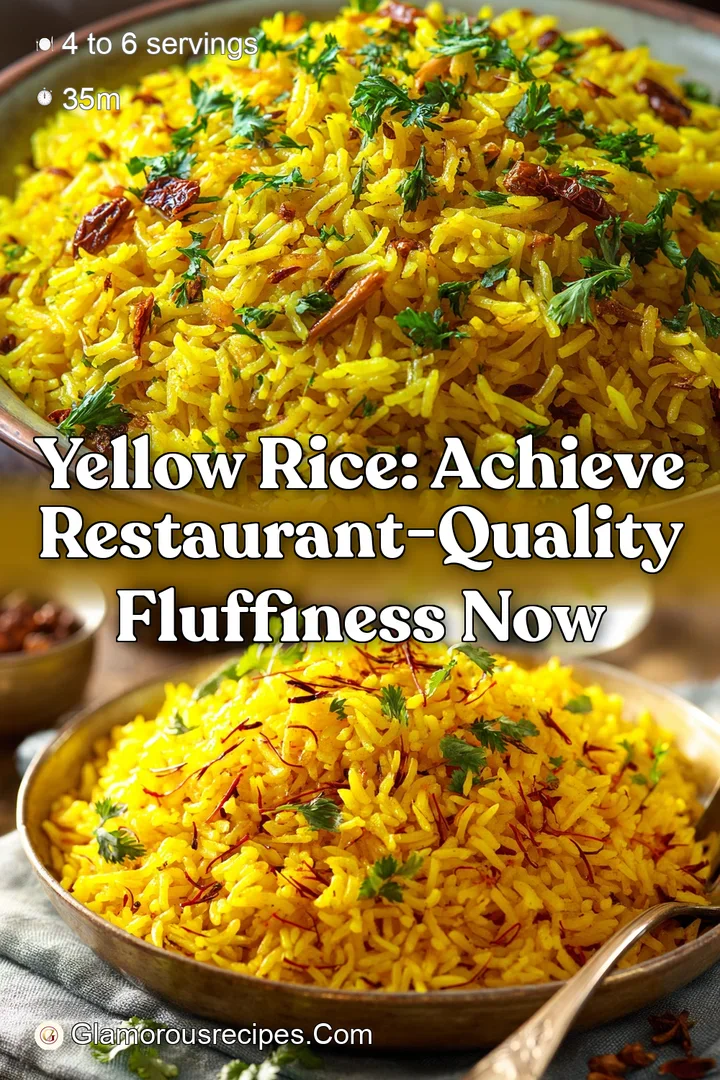
Recipe FAQs
Why is my yellow rice hard or dry after the cooking time?
This is usually due to insufficient liquid absorption or steam loss during the simmer. Ensure your pot lid is sealed tightly during the entire 20-minute simmer, and resist the urge to peek, as steam is critical for cooking the upper layer of rice evenly.
If it’s still dry after the rest period, add a tablespoon of boiling water, cover quickly, and let it steam off the heat for another five minutes.
How do I prevent the yellow rice from being sticky or mushy?
Stickiness results from excess surface starch and over agitation. Always rinse the rice thoroughly under cold running water until the water runs clear before cooking to remove that surface starch.
Crucially, once the liquid is added and the rice begins simmering, do not stir it again until it is finished resting, as this breaks the delicate grains.
Can I use only turmeric instead of saffron (or vice versa)?
Yes, you can omit saffron if cost is a concern, but realize you will lose its unique floral aroma. Turmeric provides the essential deep yellow colour and earthiness, so if you skip saffron, add a slight extra pinch of turmeric for colour saturation.
Using only saffron will give colour but often results in a less vibrant, slightly expensive end product.
Why is it important to sauté the rice (the pilaf method) before adding liquid?
Sautéing the rice lightly in oil or fat is the cornerstone of the pilaf method. This toasting step achieves two vital things: it coats the starch grains with fat, which helps them cook separately and ensures a fluffy texture.
Secondly, it imparts a wonderful, nutty, deeper flavor that cannot be achieved by simple boiling.
How can I boost the flavor if my finished rice tastes bland?
The most common issue is under salting rice requires a surprising amount of salt to be truly flavorful. Ensure your broth or cooking liquid is highly seasoned before you add the rice, or if using plain water, add at least 1 teaspoon of kosher salt per cup of rice used.
For even richer depth, consider adding aromatics like minced garlic or finely diced onions to the initial sautéing step.
How can I adapt this recipe to be completely vegan?
This recipe is very simple to adapt for a vegan diet. Simply ensure you use olive oil or vegan butter for the sautéing step and substitute the chicken or general vegetable stock with a high-quality, flavorful vegetable broth. The saffron and turmeric already lend themselves perfectly to plant based seasoning.
What is the best way to store and reheat leftover Yellow Rice?
Store cooled leftovers in an airtight container in the refrigerator within two hours of cooking; it will maintain quality for 3 to 4 days. When reheating, place the rice in a microwave safe dish with a tablespoon of water or broth, cover loosely, and heat until piping hot.
The added liquid helps prevent the grains from drying out.
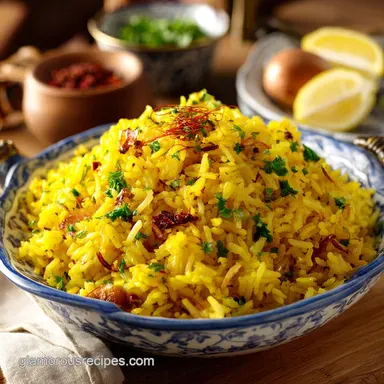
Classic Saffron Turmeric Yellow Rice
Ingredients:
Instructions:
Nutrition Facts:
| Calories | 207 kcal |
|---|---|
| Protein | 4.8 g |
| Fat | 6.9 g |
| Carbs | 31.1 g |
