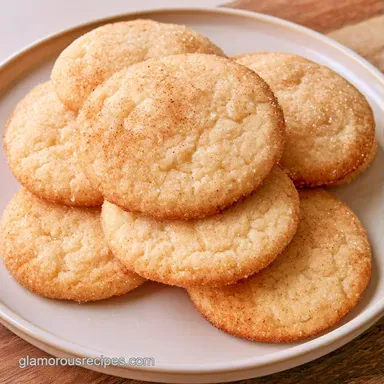
Old Fashioned Christmas Sugar Cookies

- Time: 15 min active + 1 hour chilling
- Flavor/Texture Hook: Fine, buttery crumb with a clean snap
- Perfect for: Holiday cookie trays and decorating parties
The scent of pure vanilla and almond extract hitting a hot oven is the real start of the season for me. It's that specific aroma that fills the house and makes everything feel right.
The hero here is cornstarch. Most people skip it, but adding a few tablespoons changes the structural integrity of the dough. It interferes with the gluten development, which is why these Christmas Sugar Cookies stay soft but don't flatten into puddles. Without it, you're just making a butter cookie; with it, you get a pastry like precision.
You can expect a cookie that tastes like high end bakery quality. It's a balanced sweetness that doesn't overwhelm, leaving plenty of room for frosting or a simple dusting of sugar.
Christmas Sugar Cookies
| Feature | Detail |
|---|---|
| Prep Time | 15 minutes |
| Cook Time | 14 minutes |
| Total Time | 1 hour 29 mins |
| Yield | 36 small cookies |
| Temperature | 175°C (350°F) |
Why This Texture Works
- Cornstarch: It creates a velvety crumb by lowering the protein content of the flour. This prevents the cookies from becoming tough.
- Cold Rest: Chilling the dough for 60 minutes solidifies the butter. This prevents the fat from melting too quickly, which keeps your shapes intact.
- Extract Blend: Combining vanilla and almond provides a depth of flavor that mimics professional pastry shops.
| Method | Prep Time | Texture | Best For |
|---|---|---|---|
| Fast (No Chill) | 15 min | Spreads more | Casual snacking |
| Classic (Chilled) | 1 hour 15 min | Sharp edges | Detailed decorating |
Gathering Your Essentials
| Ingredient | Role | If You Don't Have It |
|---|---|---|
| Unsalted Butter | Primary fat & flavor | Salted butter (reduce salt) |
| Cornstarch | Tenderizer | Arrowroot powder (similar effect) |
| Almond Extract | Floral depth | Extra vanilla extract |
| All Purpose Flour | Structure | Bread flour (will be chewier) |
The Full List: 225g (1 cup) unsalted butter, softened Why this? Provides the essential buttery base 200g (1 cup) granulated sugar Why this? Ensures a crisp edge 50g (1 large) egg Why this? Binds ingredients
Together 10ml (2 tsp) pure vanilla extract 1ml (1/4 tsp) almond extract 340g (2 3/4 cups) all purpose flour 16g (2 tbsp) cornstarch Why this? Prevents excessive spreading 5g (1 tsp) baking powder 1.5g (1/4 tsp) salt 60g (1/2 cup) colorful sprinkles
- Butter → Margarine
- Works, but the flavor is less rich.
- Sugar → Cane sugar
- Slightly more molasses note.
- All purpose flour → gluten-free 1
- 1 blend: Use a brand with xanthan gum.
Equipment Needed
You don't need a massive arsenal, but a few things make this easier. I prefer a stand mixer such as KitchenAid for the creaming stage, but a hand mixer works fine.
- Large mixing bowl
- Whisk and rubber spatula
- Rolling pin
- Cookie cutters
- Parchment paper
- Wire cooling rack
From Prep to Plate
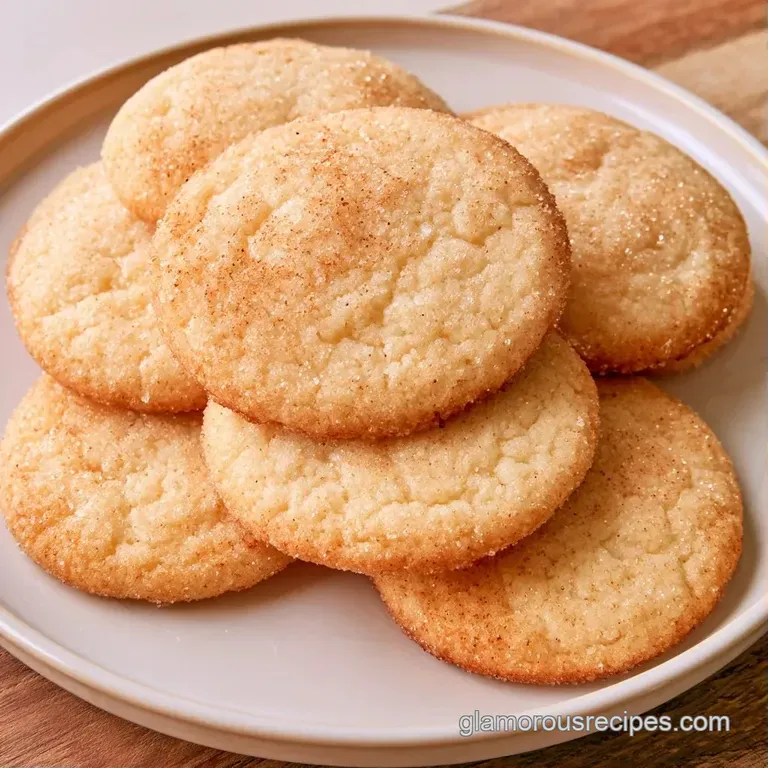
Phase 1: Creaming and Mixing
- Beat 225g softened butter and 200g sugar on medium high speed. Process for 3 minutes until the mixture resembles whipped cream.
- Stir in 50g egg, 10ml vanilla, and 1ml almond extract, beating until the batter is smooth.
- In a separate bowl, whisk together 340g flour, 16g cornstarch, 5g baking powder, and 1.5g salt.
- Gradually combine the dry ingredients into the wet mixture on low speed. Mix only until flour streaks vanish. Note: Overmixing results in tough cookies.
Phase 2: Chilling and Shaping
- Split the dough into two discs and wrap them tightly in plastic. Chill in the refrigerator for 1 hour.
- Preheat your oven to 175°C (350°F). On a floured surface, roll the dough to a 6mm (1/4 inch) thickness.
- Press cutters firmly into the dough and lift them straight up.
Phase 3: Baking and Cooling
- Arrange the cookies on a sheet lined with parchment.
- Bake for 10–14 minutes until the tops are ivory and the edges are just set.
- Transfer to a wire rack to cool to prevent the bottoms from becoming soggy.
Chef's Note: For very small cutters, aim for 10 minutes. Larger shapes require the full 14.
Pro Tips & Pitfalls
In the beginning, I often hurried the chilling phase. I learned the hard way that if the butter is too warm, these Christmas Sugar Cookies will lose their sharp definition as soon as they hit the heat.
Fixing Spread Issues
Excess spread is typically caused by butter that was too soft or an oven that wasn't hot enough. If the dough feels tacky during rolling, let it rest in the fridge for 15 minutes.
Solving Sticky Dough
A small amount of flour on the surface is generally enough. If it's still sticking, try rolling it out using parchment paper as a barrier.
Maintaining Shape
Lift the cutter straight up. Do not twist it, or you will distort the edges of the cookie.
| Problem | Fix |
|---|---|
| Cookies spread too much | Chill dough for another 30 mins |
| Tough, bread like texture | Reduce mixing time after adding flour |
| Burnt bottoms | Use a double layered baking sheet |
Variations & Substitutions
You can easily tweak this base. For a more traditional look, try my classic cut out sugar cookie recipe if you prefer a different dough consistency.
Customizing the flavor: Extra tang? → fold in 1 tsp lemon zest. Chocolatey? → replace 30g of flour with cocoa powder. Maple hint? → swap vanilla for maple extract.
Decorating ideas: For Christmas Sugar Cookies with sprinkles, press the sprinkles into the dough before baking. For a cleaner look, use royal icing after the cookies have cooled completely.
Make-ahead and Leftover Tips
Proper storage keeps these cookies fresh. Store them in an airtight container on your counter for 5 days.
Freezing Guide: Dough: Wrap discs in plastic and foil. They keep in the freezer for 3 months. Thaw overnight in the refrigerator. Baked Cookies: Arrange in a single layer on a baking sheet to freeze first, then transfer to a freezer bag for 2 months.
Zero Waste: Rather than tossing leftover dough scraps, roll them into tiny balls and flatten them with a fork. Bake these as "chef's treats" for yourself.
Debunking Cookie Myths
Some people claim that using room temperature eggs prevents the batter from breaking. While they help with emulsification, a slightly cool egg won't ruin this dough.
Another common idea is that you must sift flour for sugar cookies. While it helps with lumps, whisking the dry ingredients vigorously achieves the same result for this specific recipe.
Serving Suggestions
This is the part where you can truly be creative. I prefer using a slate platter to highlight the vibrant colors. For a traditional holiday feast, pair these treats with some homemade eggnog for a wonderful combination.
Plating Levels:
| Level | Style | Key Tweak |
|---|---|---|
| Simple | Rustic | Loosely stacked on a ceramic plate |
| Polished | Festive | Finished with white chocolate drizzle and sprinkles |
| Restaurant | Refined | One cookie with a light dusting of powdered sugar |
Decision Shortcut: Want more crunch? → bake for 16 minutes. Prefer a softer center? → underbake by 1 minute. Aiming for a whiter finish? → avoid browning the edges.
These Christmas Sugar Cookies depend on patience and precision. Once you nail the thickness and the chilling phase, you'll have a foolproof recipe for every December. Trust the method, ensure your butter stays cool, and enjoy the process.
Recipe FAQs
How do you make Christmas cookies?
Beat butter and sugar, mix in wet ingredients, then fold in dry ingredients before chilling.
Tip: Use a wire rack for cooling to prevent the bottoms from getting soggy.
What is the secret to a good sugar cookie?
Beating the butter and sugar for 3 minutes ensures the mixture becomes light and fluffy.
Tip: If you found this aeration method helpful, you can apply a similar approach to improve the lift in our soft sourdough bread.
Which variations can I try for these cookies?
Fold in colorful sprinkles or swap vanilla for maple extract for a seasonal twist.
Tip: Press sprinkles into the dough before baking for a more vibrant look.
Is it true that I can skip chilling the dough?
Actually, no. Chilling for one hour prevents the butter from melting too quickly, which stops the cookies from spreading.
Tip: Wrap discs tightly in plastic to prevent the dough from drying out.
Why did my cookies spread during baking?
The dough was likely too warm or not chilled for the full hour.
Tip: Ensure your butter is softened but not oily or melted before starting.
Can I freeze the unbaked cookie discs?
Yes, wrap them tightly in plastic wrap and freeze for up to three months.
Tip: Thaw in the refrigerator overnight before rolling them out.
To prevent sticking, what should I use?
Line your baking sheet with parchment paper before placing the dough.
Tip: Lift cookie cutters straight up to keep the shapes crisp and clean.
Is cornstarch just used to prevent sticking?
No, and here's why. Cornstarch modifies the protein in the flour to create a more tender, melt-in-your mouth crumb.
Tip: Measure flour by spooning it into the cup to avoid packing too much in.
Christmas Sugar Cookies