Carnivore Diet Recipes: the Butchers Best Bone-In Beef Roast
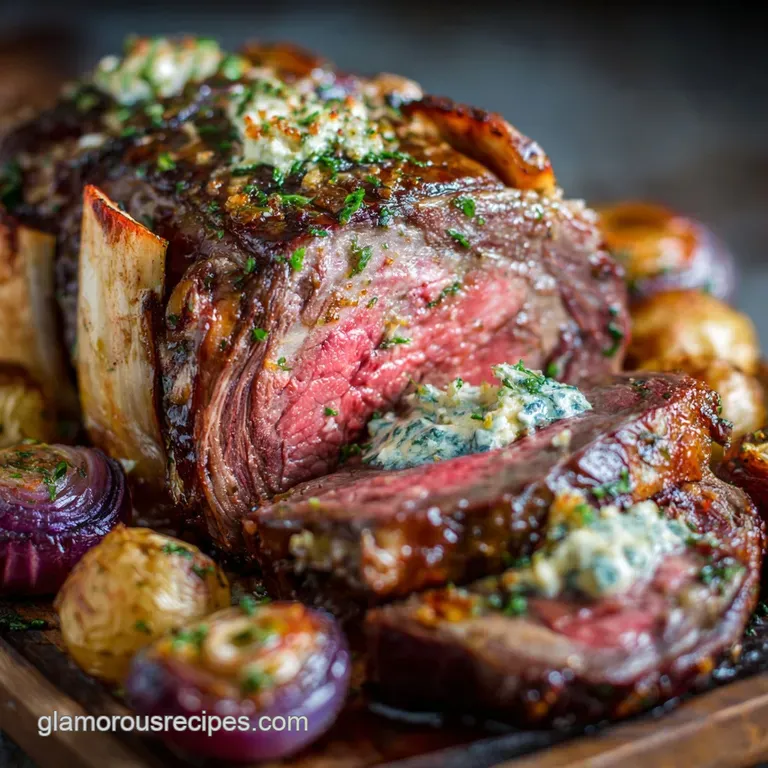
- The Ultimate Carnivore Diet Recipes Showstopper: Perfecting the Bone-In Beef Rib Joint
- Procurement and Preparation: Essential Ingredients for Marrow Butter Beef
- Deep Dive into Flavor: The Science Behind Succulent Beef
- Slow Roasting Method: Step-by-Step Guide to the Perfect Joint
- Troubleshooting Common Carnivore Diet Recipes Errors and Expert Tips
- Practical Post-Meal Care: Storing and Reheating Beef
- Enhancing the Experience: Serving Suggestions for Carnivore Diet Recipes
- Recipe FAQs
- 📝 Recipe Card
The Ultimate Carnivore Diet Recipes Showstopper: Perfecting the Bone-In Beef Rib Joint
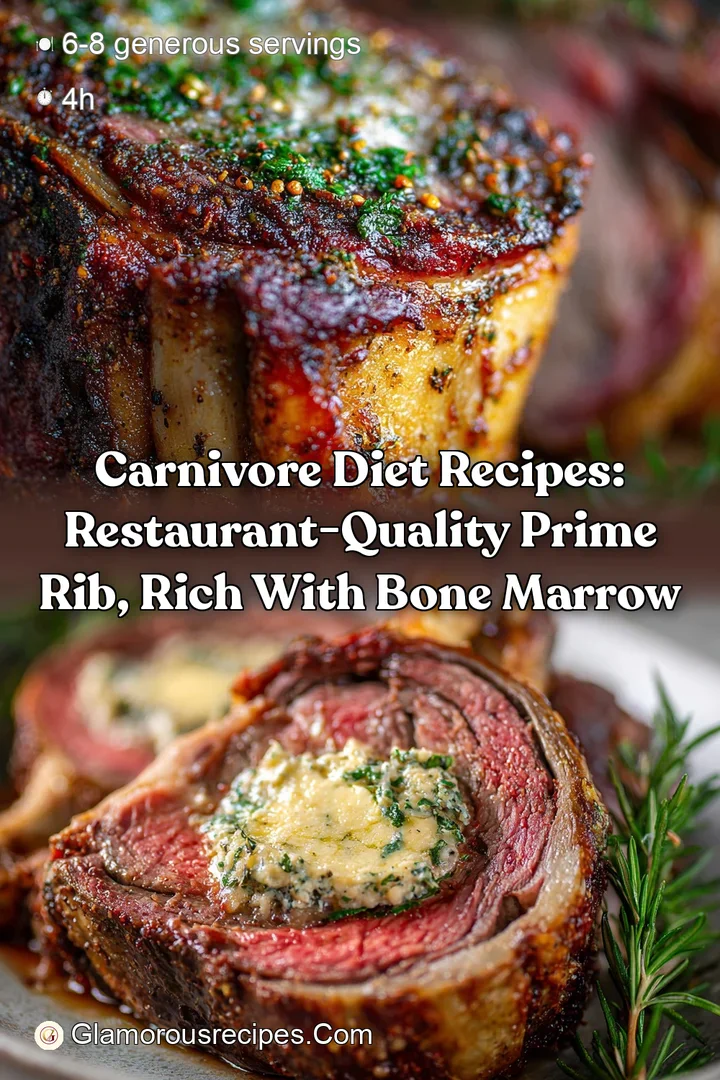
It’s the king of roasts. Seriously, that deep, nutty aroma when the fat cap starts crackling is enough to make you weak in the knees. If you are serious about [Carnivore Diet Recipes], you know texture is everything, and this perfect prime rib delivers that crucial crisp exterior with a juicy, rosy core every single time.
Get ready for the most comforting Carnivore Diet Meals you’ve ever experienced.
This isn't some fiddly weeknight meal. This is your Sunday project, built for flavor, ease, and huge amounts of highly bioavailable protein and fat. It’s an easy way to meal prep a massive amount of high fat carnivore meals without fussing with complicated steps or expensive spices.
This simple zero carb roast recipe is a lifesaver for weight loss goals because it’s so satisfying.
We are going old-school with precision temperature control and a secret weapon: killer bone marrow butter. Trust me, learning this technique is the key to unlocking the true potential of any Bone-In Beef Roast. Let's crack on and talk about making the most succulent joint you’ve ever tasted.
Why Bone Marrow Fat is the Carnivore Secret Weapon
The carnivore diet is all about maximizing nutrient density and fat intake. Why settle for plain butter when you can use the purest, richest fat source available? Marrow fat is deeply savory and blends beautifully with soft butter, creating a compound fat that melts perfectly over the hot beef slices.
Old-School Roasting: Achieving the Perfect Seared Crust
We’re using the reverse sear concept here, but tailored for a massive joint. You need to hit the meat with intense heat first to get that amazing, deeply browned Maillard reaction on the surface. Then, we drop the temperature way down.
This ensures the center cooks slowly and evenly, preventing that horrid grey ring of overcooked meat right under the crust.
What Makes a Bone-In Rib Joint Superior for Carnivores?
The bone is non-negotiable here. It insulates the meat closest to it, slowing the cooking rate, which results in the most tender part of the roast being right next to the rib. Also, those bones hold gorgeous marrow, which we are absolutely using for our special compound butter.
This cut offers superior flavor and mouthfeel, crucial for satisfying high fat carnivore meals.
Procurement and Preparation: Essential Ingredients for Marrow Butter Beef
Selecting the Prime Rib Joint: Cut and Weight Considerations
Always ask the butcher for a well marbled, bone-in beef rib joint, often called a standing rib roast. For 6 8 people, aim for 4 to 5 pounds (1.8 2.3 kg), which is typically a two or three rib roast.
Tip: Look for creamy white fat and bright red meat; that marbling equals flavor and tenderness.
| Ingredient | Role | Viable Substitute |
|---|---|---|
| Bone-In Beef Joint | The main event | Bone-In Beef Chuck Roast (adjust cook time slightly longer) |
| Coarse Sea Salt | Dry brine/crust development | Flake salt or kosher salt (do NOT use fine table salt) |
| Beef Tallow/Lard | Basting fat | Clarified Butter (Ghee) or quality duck fat |
| Bone Marrow | Compound butter richness | Extra rendered Beef Tallow, solidified |
| Unsalted Butter | Compound butter base | high-quality Ghee or pure rendered Lard |
Crafting the Marrow Butter: Sourcing and Rendering the Fat
If you buy a standing rib roast, the bones are already right there. You can roast the bones separately until the marrow is soft and scoopable. Combine that soft marrow with high-quality softened unsalted butter and a touch of fine salt until it’s perfectly blended.
This fatty topping makes the dish feel incredibly decadent.
Salt Quality: Why Coarse Salt is Non-Negotiable
We need coarse salt (like Maldon or Kosher) because it creates a controlled dry brine that pulls moisture to the surface initially. That pulled moisture then dissolves the salt, creating a salty layer that helps form a killer crust during the over high heat sear.
Fine salt just dissolves too quickly and risks over salting the interior of the meat, which we definitely don't want.
Deep Dive into Flavor: The Science Behind Succulent Beef
The key to this incredible flavor isn't complicated seasoning; it’s patience and heat control. We start high to achieve the Maillard reaction that magical chemical process that turns simple protein and sugar into a hundred deeply savory, crusty compounds.
Then, we switch to low heat, which slowly melts the fat within the muscle fibers (intramuscular fat). This rendering fat bathes the meat from the inside out, guaranteeing juicy, tender perfection.
Chef’s Note: You must, absolutely must, bring the beef joint up to near room temperature (about 70°F or 21°C) before it goes into the oven. A cold roast cooks unevenly; room temperature beef ensures even heat penetration from the start.
Slow Roasting Method: step-by-step Guide to the Perfect Joint
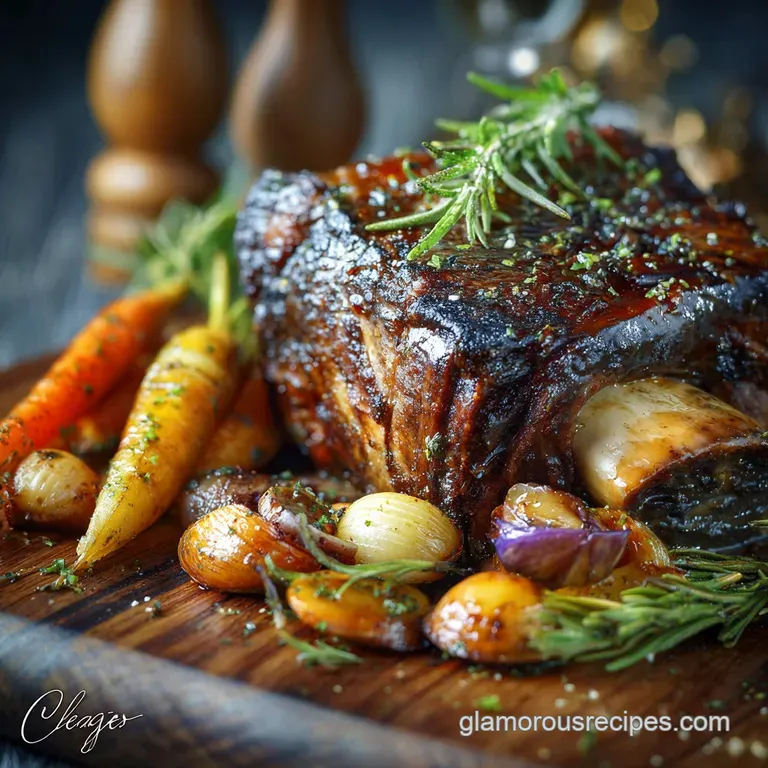
Mastering the Reverse Sear: Crust vs. Core Temperature
The reverse sear (or in this case, a high low method) is all about timing. We sacrifice 15 minutes of over high heat cooking purely for the crust. After that intense sear, we drop the temperature drastically, allowing the core temperature to climb slowly.
This gentle approach means the meat fibers don’t seize up, keeping those precious juices trapped inside.
Rendering the Intermuscular Fat for Maximum Tenderness
During the low and slow stage at 275°F (135°C), the beef tallow basting and the gentle heat work together to melt the tough connective tissue and intermuscular fat. This process is essential for making those big [Carnivore Diet Recipes Dinner] cuts fork tender.
Don't rush this step or you end up with tough, chewy edges.
Stage 1: The over High heat Initial Sear for a Crispy Exterior
Preheat the oven to a scorching 450°F (230°C). Place your heavily salted, room temperature beef joint on a rack in a roasting pan. Roast for exactly 15 minutes. This is a very short, hot blast you should hear serious sizzling immediately.
Stage 2: Low and Slow Roast Time and Temperature Management
Reduce the oven temperature dramatically to 275°F (135°C). Melt your tallow or lard and baste the roast every 30 minutes, coating the crust generously. Start checking the internal temperature after the first hour, inserting the thermometer into the thickest part, far away from the bone.
Pull the roast when it hits 125°F (52°C) for a perfect medium rare center.
The Critical Resting Period: Locking in Juices
As soon as the roast hits its target temperature, remove it immediately. Transfer it to a cutting board and tent it loosely with foil. You must rest the joint for 20 to 30 minutes.
I know it’s tempting, but cutting it early means all those lovely juices run straight onto the board, leaving you with dry meat. Resting allows the muscles to relax and reabsorb those flavorful fats.
Troubleshooting Common Carnivore Diet Recipes Errors and Expert Tips
Achieving Target Doneness: Precision Temperature Charts for Beef
People fail when they rely on cook time instead of temperature. Don't trust the clock! Trust your thermometer. Remember to remove the beef 5°F below your desired final temperature, as carryover cooking will finish the job during the rest.
Dealing with Uneven Cooking (The End Cap Problem)
The ends of the roast (the 'caps') almost always cook faster because they have less mass. If you are serving a crowd who prefers different doneness levels, this is a feature, not a bug! The ends will be medium to medium well, while the center remains beautifully medium rare.
For true precision, you can slice off the end caps early and let them rest while the center finishes.
Over Salting Prevention: When and How to Season Properly
You apply a heavy layer of coarse salt during the dry brine, but you are not adding any more salt after that initial application. Most of that crusty salt stays on the surface, creating that perfect savory shell.
Don't sprinkle fine salt on the already cooked meat the marrow butter has enough fine salt added for flavor balance.
Practical Post Meal Care: Storing and Reheating Beef
Best Practices for Refrigerating Leftover Roast
If you have leftovers (lucky you), carve the remaining roast completely off the bone. Store the slices in an airtight container with any leftover pan drippings or rendered tallow. This extra fat coating protects the meat from drying out. It will last beautifully in the fridge for 3 to 4 days.
Flash Freezing Beef Portions for Long Term Storage
For freezing, portion the sliced beef into single serving containers or freezer bags, again, ensuring each portion is coated with a tablespoon or two of solidified tallow. Freeze quickly to maintain texture. It will keep well for up to three months.
Pairing the Roast: How to Serve with Additional Beef Tallow
The best way to reheat is low and slow. Place the slices in a small, covered dish with a splash of beef broth (if you make it) or tallow. Heat at 250°F (120°C) until warmed through. Don't microwave it unless you enjoy rubbery beef! Serve with the marrow butter melted right on top for maximum richness.
Enhancing the Experience: Serving Suggestions for Carnivore Diet Recipes
You already made this gorgeous roast, now make it complete! Keep your side dishes simple and animal based.
- A Fatty Finish: Drizzle extra rendered beef tallow over the carved slices right before serving. This boosts the flavor and ensures you hit your fat macros.
- The Dip: Serve the entire roast with the hot, reduced pan drippings (defatted if desired, but I leave it all in).
- Crispy Edges: If you want a quick, crispy snack later, slice the cold leftover beef thinly and pan-fry those slices in butter until the edges curl and crisp up. They are brilliant.
Recipe FAQs
Why did my roast turn out dry, even though I hit the target internal temperature?
The most common reasons for dryness are slicing the meat immediately after removing it from the oven, or inaccurately measuring the temperature too close to the bone. Always let the roast rest, tented loosely, for at least 20 30 minutes to allow the juices to redistribute and finish cooking through carryover heat.
Can I use regular standard butter or tallow instead of bone marrow butter?
While you can certainly substitute standard butter or beef tallow, the bone marrow fat offers a uniquely deep, savory, and robust beef flavor that traditional butter cannot match. If substituting, use rendered beef tallow for the most carnivore friendly and flavor consistent result.
I live at a high altitude. Do I need to adjust the roasting time?
Generally, you do not need significant time adjustments for roasting meat at high altitudes, unlike baking. However, liquids tend to evaporate faster, so monitor the internal temperature frequently and consider lowering the oven temperature by about 10 15 degrees F for the low-and-slow phase.
My exterior crust (the "bark") is soft or grey. How do I achieve a proper crust?
A soft crust usually means the surface of the meat was too moist before cooking or the oven wasn't hot enough initially. Pat the joint extremely dry with paper towels before applying the salt and fat, and ensure your oven is fully preheated to the high temperature before placing the roast inside.
Since this is a Carnivore recipe with no herbs, how much salt should I really be using?
On the Carnivore diet, salt is the primary flavor enhancer, so you must season liberally more than you might typically use. Aim for an even, heavy coverage over the entire surface of the roast, as this promotes the critical dehydration necessary for crust formation.
What is the best way to store and reheat leftover roast beef without drying it out?
Store leftovers tightly wrapped in the refrigerator for up to four days. To reheat, slice the meat thin and gently warm it in a pan covered with a bit of reserved beef tallow or bone broth. Alternatively, reheat thicker slices very slowly in a low oven (250°F / 120°C) until just warm.
Is it safe to eat this roast medium rare, or should I cook it to a higher temperature?
As this is a prime cut of beef (rib joint), it is absolutely safe and highly recommended to eat it medium rare (125°F 130°F / 52°C 54°C). The interior temperature should be measured in the center of the roast, avoiding bone contact, to ensure optimal tenderness and safety.
Carnivore Rib Roast With Marrow Butter
Ingredients:
Instructions:
Nutrition Facts:
| Calories | 500 calories |
|---|---|
| Fat | 35 g |
| Fiber | 0 g |
