Cabbage Noodle Buns: Pan-Fried Perfection
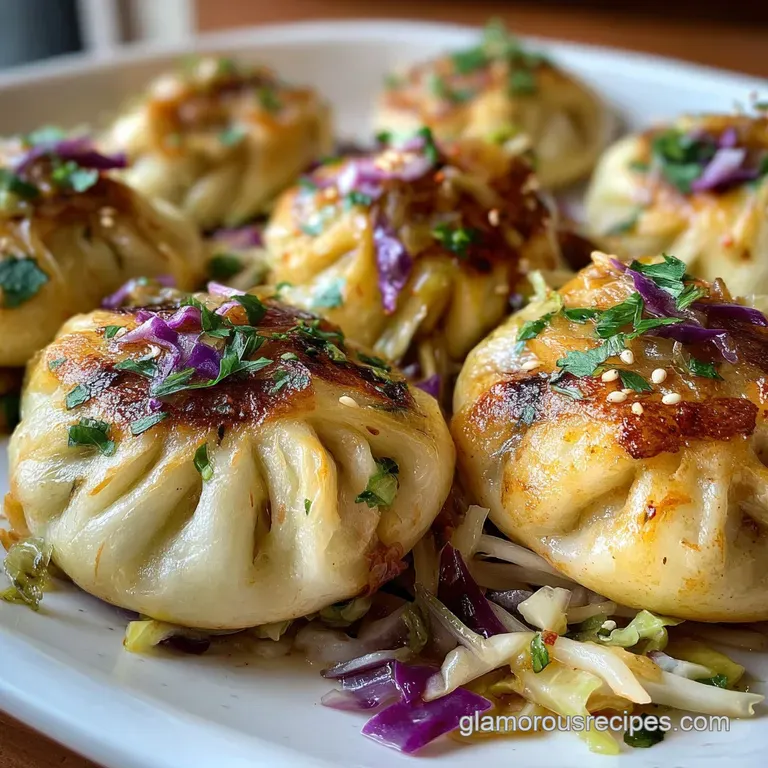
- Time: Active 45 mins, Passive 1 hours 20 mins, Total 2 hours 5 mins
- Flavor/Texture Hook: Shattering crispy exterior meets a velvety noodle interior
- Perfect for: Weekend projects or adventurous meal prep
- Crafting Authentic PanFried Cabbage and Noodle Buns
- Science Behind the Perfect Texture
- Ingredient Deep Dive Analysis
- Essential Recipe Specifications and Metrics
- Necessary Gear for Better Buns
- Shopping List and Easy Substitutes
- Mastering the Bun Assembly Process
- Solving Common Preparation Obstacles
- Scaling for Different Crowds
- Kitchen Myths Debunked
- Storage and Waste Prevention Tips
- Serving Ideas for Maximum Impact
- Recipe FAQs
- 📝 Recipe Card
Crafting Authentic PanFried Cabbage and Noodle Buns
The first time I heard the rhythmic thwack thwack thwack of a dough scraper against a floured wooden board, I was standing in a narrow alleyway in Xi’an. The air was thick with the scent of toasted sesame and the sharp, sulfuric bite of cabbage hitting a hot surface.
I watched a street vendor pleat these buns with terrifying speed, dropping them into a shallow pool of shimmering oil. The resulting sizzle was a siren song that I’ve spent years trying to replicate in my own kitchen.
It took me three batches of soggy bottoms and one disastrous "exploding bun" incident to realize that the secret isn't just in the pleating. It's about how you treat the cabbage before it ever touches the dough.
If you don't respect the water content of your greens, you’ll end up with a limp, sad bun instead of the shattering, golden crusted Cabbage Noodle Buns we’re chasing. This recipe is the culmination of those failures, adjusted for our home kitchens but keeping that bold, multicultural street food soul.
Science Behind the Perfect Texture
Building layers of flavor in these Cabbage Noodle Buns requires more than just mixing ingredients; it involves controlling moisture and heat through specific chemical reactions.
- Osmotic Dehydration: Adding salt to the cabbage draws out excess moisture through osmosis, preventing the bun from steaming into sogginess from the inside out.
- Starch Retrogradation: Soaking the glass noodles allows them to absorb liquid, which they later release slowly during frying to keep the filling succulent without being wet.
- Maillard Reaction: The combination of sugar in the dough and high heat in the pan creates that signature mahogany colored, savory sweet crust.
- Yeast Fermentation: Warm water (160ml) at 105°F-115°F activates the yeast (5g) to produce carbon dioxide, creating the pillowy structure that contrasts with the fried base.
| Method | Total Time | Texture | Best For |
|---|---|---|---|
| Classic Pan Fry | 20 mins | Shattering crust, soft top | Authenticity lovers |
| Steamed Only | 15 mins | Fully velvety, pillowy | Health conscious prep |
| Air Fryer | 12 mins | Uniformly crispy, drier | Busy weeknights |
Choosing the right method depends on your mood, but if you want that fusion street food vibe, the classic pan fry is the only way to go. The contrast between the oil crisped bottom and the steam softened top is what makes these PanFried Cabbage and Noodle Buns a staple in my rotation. If you're looking for more ways to use these techniques, you'll find similar moisture control secrets in my Napa Cabbage Recipes guide.
Ingredient Deep Dive Analysis
| Ingredient | Science Role | Pro Secret |
|---|---|---|
| All Purpose Flour | Provides gluten structure for a stretchy dough | Sift it twice to ensure no clumps interfere with hydration |
| Glass Noodles | Absorbs seasoned oils and provides a bouncy bite | Cut them into 1 inch pieces to prevent bun "blowouts" |
| Toasted Sesame Oil | Adds lipid based aromatics that survive high heat | Brush a tiny drop on the pleats to prevent sticking |
| Granulated Sugar | Feeds yeast and accelerates exterior browning | Don't skip it; it's the key to that deep golden color |
Essential Recipe Specifications and Metrics
To get these Cabbage Noodle Buns right, we need to focus on precision. I used to eyeball everything, but my buns were inconsistent sometimes too bready, other times too thin. Using a scale for the 300g of flour changed the game.
It ensures the dough has the exact elasticity needed to hold the 50g of glass noodles and 300g of cabbage without tearing during the final fry.
Chef Tip: Freeze your neutral oil for 10 minutes before frying. It sounds wild, but the cold oil hits the hot pan and creates a more immediate temperature shock, which results in a crunchier bottom that stays crispy longer.
Another trick I learned is to use white pepper (0.5 tsp) instead of black. White pepper has a fermented, earthy heat that melds into the cabbage filling without the visual speckles of black pepper. It’s a subtle move that separates amateur buns from the stuff you’d find at a high end dumpling house.
Necessary Gear for Better Buns
- Cast Iron Skillet: A heavy bottomed pan like a Lodge ensures even heat distribution for that perfect crust.
- Dough Scraper: Essential for portioning the dough into 10 equal buns without deflating the air pockets.
- Fine Mesh Strainer: You'll need this to squeeze every last drop of water out of the salted cabbage.
- Kitchen Scale: Measuring 300g of flour is much more accurate than using measuring cups.
Shopping List and Easy Substitutes
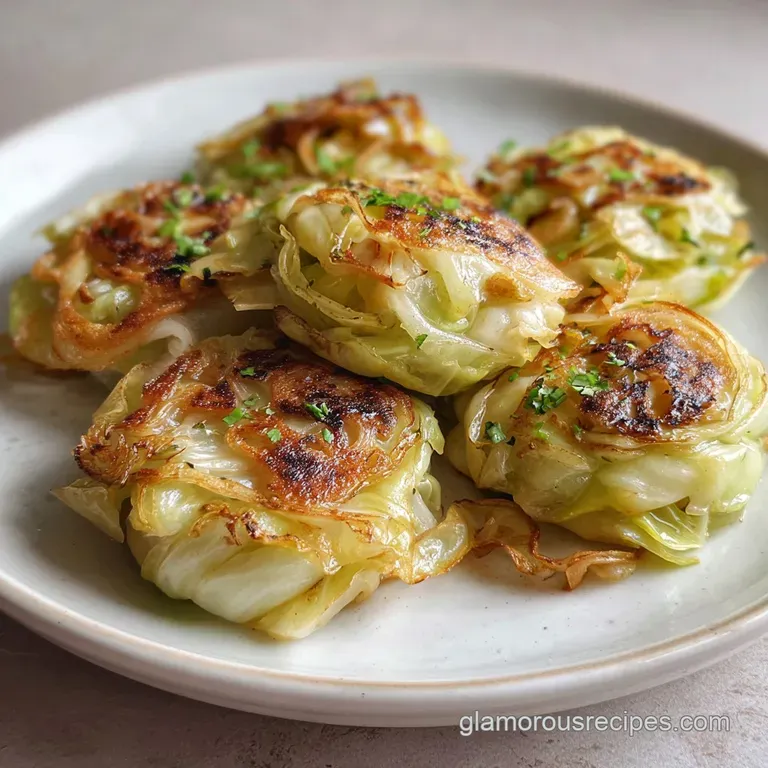
- 300g All Purpose Flour: (Sub: Bread flour for a chewier, more "artisan" texture) Why this? AP flour provides the most balanced, pillowy crumb for steaming and frying.
- 160ml Warm Water: (Sub: Room temp veggie broth for extra savory dough)
- 5g Instant Yeast: (Sub: 7g Active Dry Yeast - but you must bloom it first)
- 10g Granulated Sugar: (Sub: Honey or Maple Syrup)
- 3g Sea Salt: (Sub: Table salt, use slightly less)
- 300g Green Cabbage: (Sub: Napa cabbage - note it releases more water) Why this? Green cabbage holds its structural integrity better during the frying process.
- 50g Glass Noodles: (Sub: Rice vermicelli - results in a softer, less bouncy fill)
- 3 stalks Green Onions: (Sub: Chives or the white part of a leek)
- 3 cloves Garlic: (Sub: 1 tsp Garlic powder in a pinch)
- 1 tbsp Soy Sauce: (Sub: Tamari for a gluten-free filling option)
- 1 tsp Toasted Sesame Oil: (Sub: Perilla oil for a nutty, earthy variation)
- 0.5 tsp White Pepper: (Sub: Finely ground black pepper)
- 2 tbsp Neutral Oil: (Sub: Grapeseed or Avocado oil for high smoke point)
Mastering the Bun Assembly Process
1. Build the Dough Foundation
Whisk the 300g all purpose flour, 10g sugar, and 3g sea salt in a large bowl. Dissolve the 5g yeast in 160ml warm water, then pour it into the dry mix. Knead for 10 minutes until the surface is smooth and springs back when poked. Cover and let rise in a warm spot for 1 hour.
2. Create the Cabbage Noodle Filling
While the dough rises, shred the 300g cabbage and toss with a pinch of extra salt. Let sit for 15 minutes, then squeeze the cabbage forcefully through a cloth until it's bone dry.
Soak the 50g glass noodles in hot water for 5 minutes, drain, and chop into 1 inch lengths.
3. Mix the Aromatics
In a bowl, combine the dried cabbage, chopped noodles, 3 sliced green onions, 3 minced garlic cloves, 1 tbsp soy sauce, 1 tsp sesame oil, and 0.5 tsp white pepper. Stir vigorously until the fragrance of garlic and sesame is pungent.
4. Portion and Shape
Punch down the risen dough and divide it into 10 equal pieces (about 45g each). Roll each piece into a 4 inch circle, making the edges thinner than the center to ensure even cooking.
5. Stuffing the Buns
Place 2 tablespoons of filling in the center of each circle. Pleat the edges upward and pinch the top tightly to seal. Note: If the dough feels dry, dab the edges with a tiny bit of water to ensure a leak proof seal.
6. Secondary Proof
Place the pleated buns on a parchment lined tray and cover with a damp cloth. Let them rest for 20 minutes until they feel light and slightly puffy to the touch.
7. The Golden Pan Fry Finish
Heat 2 tbsp neutral oil in a large skillet over medium heat. Arrange the buns pleat side up. Fry for 3 minutes until the bottoms are a deep, uniform mahogany.
8. The Steam Phase
Carefully pour 1/3 cup of water into the pan and immediately cover with a lid. Let the steam cook the tops for 8 minutes until the water has completely evaporated.
9. The Final Sizzle
Remove the lid and fry for another 2 minutes. This dries out the bottom and returns that signature shattering crunch to the base of the Noodle Buns.
10. Serving the Masterpiece
Transfer to a wire rack for 2 minutes before serving. This prevents steam from softening the base while you prep your dipping sauce. If you want a bit of heat with these, they pair beautifully with a drizzle from this Crispy Honey Garlic recipe.
Solving Common Preparation Obstacles
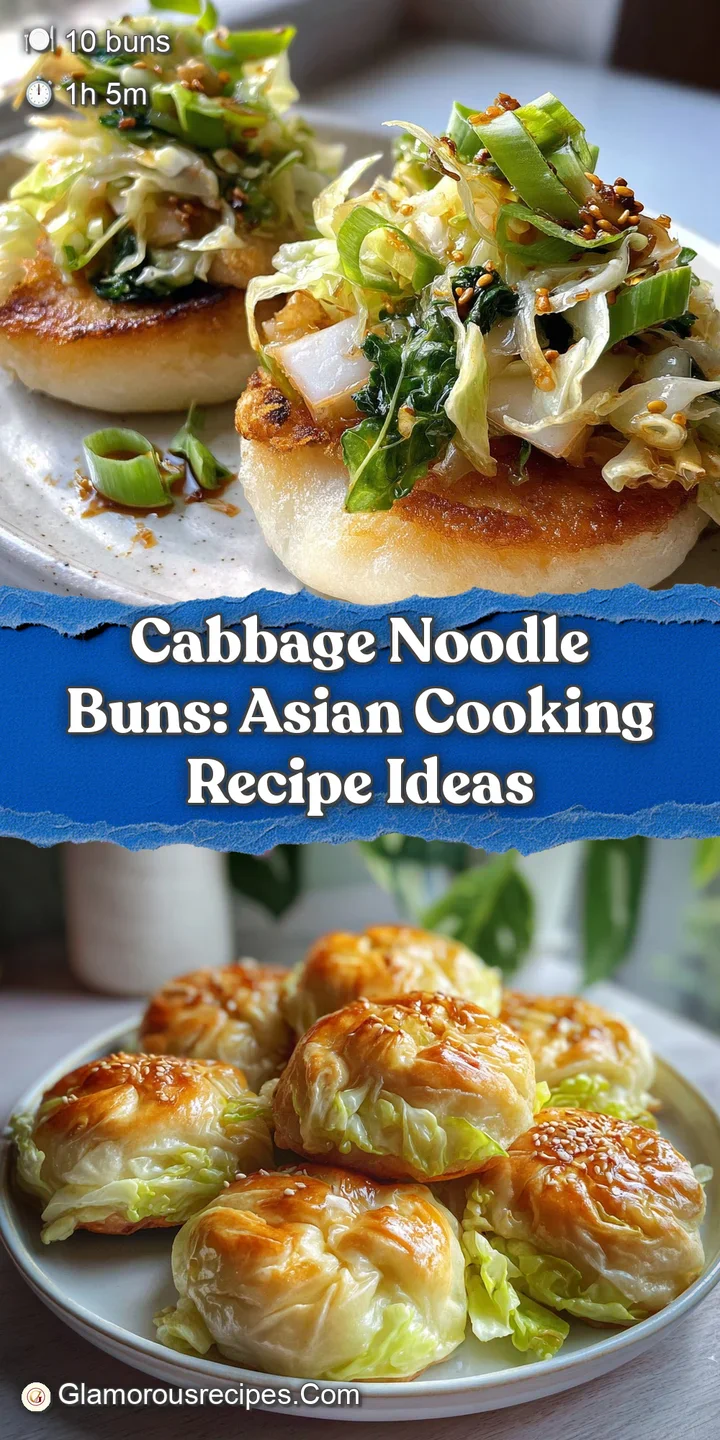
If your buns aren't turning out like the ones in the photos, don't panic. Most issues come down to temperature control or moisture management. I once made a batch where the bottoms were burnt but the insides were raw dough all because my heat was too high.
Why Your Buns Burst
If your buns are exploding in the pan, it's usually a pressure issue. When the steam inside can't escape and the pleats aren't sealed tightly, the dough will rip at its weakest point. Make sure you're pinching those tops with authority!
| Problem | Root Cause | Solution |
|---|---|---|
| Soggy Bottoms | Excess water in the cabbage filling | Squeeze cabbage in a tea towel until no more liquid drops out |
| Pale Crust | Pan wasn't hot enough or lack of sugar | Increase heat slightly and ensure the 10g sugar is in the dough |
| Tough Dough | Over kneading or cold proofing area | Let dough rest in a warm, draft free spot (like an off oven) |
Common Mistakes Checklist
- ✓ Squeeze the cabbage until it feels like dry paper (prevents internal steaming).
- ✓ Don't overcrowd the pan; leave 1 inch between buns to allow steam to circulate.
- ✓ Use a heavy lid to trap steam during the middle phase of cooking.
- ✓ Check the bottom color at the 3 minute mark; it should be golden, not black.
- ✓ Let the buns rest on a wire rack, not a flat plate, to maintain the crunch.
Scaling for Different Crowds
When scaling these Cabbage Noodle Buns, remember that dough behaves differently in large quantities.
Scaling Down (5 Buns): Reduce all ingredients by half. Use a smaller skillet (8 inch) to ensure the steam doesn't evaporate too quickly during the water phase. Reduce the final frying time by 1 minute as the pan will hold heat more intensely.
Scaling Up (20 Buns): Double the recipe, but only use 1.5x the salt and spices to avoid an overwhelming sodium hit. You’ll need to work in batches for the frying. Keep the first batch of buns in a 200°F oven on a wire rack to maintain the texture while you finish the rest.
Kitchen Myths Debunked
"You must use cake flour for soft buns." This is a myth. While cake flour has less protein, you can achieve a perfectly pillowy result with all purpose flour by controlling the hydration (160ml water) and allowing for a proper secondary proof.
The chewiness of AP flour actually helps the bun hold the heavy cabbage filling better.
"Pleating makes the bun taste better." Honestly, the pleating is mostly for aesthetics and to create a thick "top" for the steam to penetrate. If you struggle with pleating, just pinch them into a pouch.
As long as the seal is tight, the flavor and texture of these PanFried Cabbage and Noodle Buns will remain identical.
Storage and Waste Prevention Tips
Storage: These stay fresh in the fridge for up to 4 days. Keep them in an airtight container with a piece of paper towel to absorb any residual moisture. For longer storage, freeze them after the steaming phase but before the final sizzle. They’ll last 2 months.
Zero Waste: Don't throw away that cabbage water you squeezed out! It's packed with nutrients. I use it as a base for a quick miso soup or add it to my next batch of vegetable stock. The leftover glass noodle scraps can be tossed into a salad for extra texture.
Serving Ideas for Maximum Impact
I love serving these Cabbage Noodle Buns with a side of quick pickled cucumbers and a heavy handed pour of chili oil. The vinegar in the pickles cuts through the richness of the fried dough perfectly.
If you're hosting a fusion dinner, serve these alongside a bowl of hot and sour soup the textures are a match made in heaven.
For a fun twist, try a dipping sauce made of 2 parts soy sauce, 1 part black vinegar, and a spoonful of toasted sesame seeds. It highlights the savory white pepper inside the buns and brings that adventurous, multicultural flavor profile right to the forefront of your palate.
Trust me, once you master that crunch, you'll never look at a plain bun the same way again.
Recipe FAQs
Should you boil cabbage before stir frying or using it in buns?
No, blanching or boiling adds unnecessary moisture. You should salt the cabbage and squeeze it forcefully to draw out liquid via osmosis; this prevents the filling from steaming the bun from the inside.
How to cook pan-fried buns correctly to achieve a crispy bottom and soft top?
Fry the bottom first, then add water and cover immediately for steaming. Fry for 3 minutes until golden brown, add 1/3 cup water, cover for 8 minutes until evaporated, then remove the lid and fry uncovered for 2 minutes to re-crisp the base.
What ingredients should I add to pan-fried cabbage filling for maximum flavor?
Focus on aromatics and fat balance like soy sauce, garlic, and sesame oil. Use white pepper instead of black for an authentic earthy heat that blends subtly into the filling.
What is the difference between steamed buns and pan-fried buns in texture?
pan-fried buns offer a textural contrast with a shattering, crispy bottom. Steamed buns are uniformly soft, pillowy, and tender throughout the entire dough surface.
Why are my Cabbage Noodle Buns bursting open during the pan-frying process?
They burst because of internal steam pressure build-up in an improperly sealed dough. Ensure you pinch the top seal very tightly and allow the dough its secondary 20-minute proof to relax before frying.
Can I substitute the glass noodles in the filling with another noodle type?
Yes, but rice vermicelli will yield a softer, less bouncy filling. Glass noodles are preferred because they absorb the savory oils well without becoming mushy, a technique similar to managing starch in our Beef and Broccoli recipe.
Is it necessary to use instant yeast, or can I use active dry yeast for the bun dough?
False, you can use active dry yeast, but you must bloom it first. Dissolve the active dry yeast and sugar in the warm water (105°F-115°F) and let it foam for 5 10 minutes before incorporating it into the flour mixture.
Cabbage Noodle Buns Recipe
Ingredients:
Instructions:
Nutrition Facts:
| Calories | 170 kcal |
|---|---|
| Protein | 3.8 g |
| Fat | 3.6 g |
| Carbs | 30.7 g |
| Fiber | 2.1 g |
| Sugar | 1.3 g |
| Sodium | 221 mg |
