Authentic Thai Steamed Dumplings
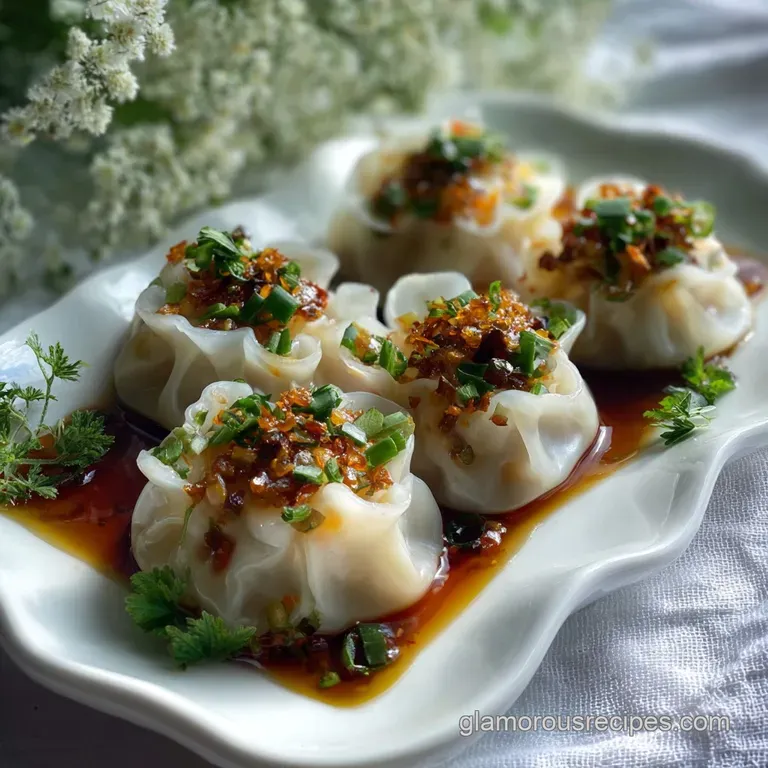
- Time: Active 40 mins, Passive 10 mins, Total 50 mins
- Flavor/Texture Hook: Savory, bouncy, and aromatic with a velvety finish
- Perfect for: Adventurous weekend projects or impressive party appetizers
- Crafting Authentic Thai Steamed Dumplings
- Why You'll Love This Recipe
- Snapshot of Recipe Specs
- Gathering Your Umami Essentials
- Essential Equipment for Steaming
- Step by Step Instructions
- Expert Troubleshooting Guide
- Creative Ways to Pivot
- Scaling for a Crowd
- Storage and Preservation Secrets
- Perfect Side Dish Complements
- Thai Steamed Dumpling FAQs
- 📝 Recipe Card
Crafting Authentic Thai Steamed Dumplings
The first time I stood in a humid Bangkok alleyway, the sizzle of hot oil hitting fried garlic was the only invitation I needed. I watched an old woman pleat these little parcels with a speed that defied logic, her bamboo steamers billowing clouds of aromatic steam that smelled of white pepper and coriander roots.
When I finally bit into one, it wasn't just a dumpling; it was a texture revelation firm yet juicy, with a distinct "bouncy" bite that I’d never been able to replicate at home.
I spent months failing in my own kitchen, producing dumplings that were either crumbly like overcooked meatloaf or mushy like baby food. It turns out, I was treating the filling like a burger patty rather than the delicate emulsion it needs to be.
This recipe is the result of those messy experiments, focused on the bold, multicultural flavors of Thai Chinese fusion. We are going for that specific "Kanom Jeeb" profile that balances the earthy heat of white pepper with the sweetness of fresh shrimp.
If you have been craving something more adventurous than your standard takeout, you are in the right place. We are going to skip the shortcuts and focus on the techniques that actually matter, like the "three buddies" aromatic paste and the physics of chilled protein.
You’ll be surprised how a few simple tricks with water chestnuts and cornstarch can turn a humble wonton wrapper into a five star experience.
Why You'll Love This Recipe
The Physics of the Snap: By mixing chilled ground pork and shrimp with salt, you extract myosin, a protein that creates a cross linked web. This structure traps moisture and fat, resulting in a firm, springy texture rather than a loose, grainy one.
Aromatic Foundations: Utilizing the "Three Buddies" (coriander root, garlic, and white pepper) provides a deep, earthy base that distinguishes Thai dumplings from other regional variations. This trio creates a flavor profile that is punchy without being overwhelming.
Moisture Control: The addition of finely diced water chestnuts provides a necessary structural contrast. Since they retain their crunch even after steaming, they break up the richness of the pork and shrimp with refreshing pops of texture.
The Maillard Finish: Topping the dumplings with crispy fried garlic and its infused oil adds a final layer of savory depth. This oil seeps into the pleats of the wrapper, preventing them from drying out while adding a toasted, nutty aroma.
| Serving Size | Protein Weight | Wrapper Count | Total Time |
|---|---|---|---|
| 2-3 People | 200g Pork / 100g Shrimp | 15 Wrappers | 40 mins |
| 4-6 People | 250g Pork / 150g Shrimp | 30 Wrappers | 50 mins |
| 8-10 People | 500g Pork / 300g Shrimp | 60 Wrappers | 1 hour 20 mins |
Choosing the right batch size is essential because these little gems disappear faster than you can plate them. If you are hosting a larger crowd, I highly recommend prepping the filling a day in advance to let those aromatics really settle into the meat.
Snapshot of Recipe Specs
Before we start pounding the aromatics, let's look at what makes these components tick. Understanding the "why" behind your ingredients is the difference between a good cook and a flavor master.
| Ingredient | Science Role | Pro Secret |
|---|---|---|
| Cornstarch (1 tbsp) | Moisture Binder | Acts as a "glue" that prevents the fat from leaking out during the steaming process. |
| Toasted Sesame Oil (1 tsp) | Flavor Volatiles | Provides fat soluble aromas that linger on the palate longer than soy sauce. |
| White Peppercorns (1 tsp) | Heat Profile | Delivers a sharp, floral heat that cuts through the pork fat without changing the filling color. |
The magic happens when these ingredients meet the chilled proteins. If the meat gets too warm during the mixing process, the fat will separate, and you'll end up with a greasy, heavy dumpling. Keep everything cold, and you'll be rewarded with that coveted, silky mouthfeel.
Gathering Your Umami Essentials
To make an Authentic Kanom Jeeb recipe, you need to be specific about your shopping list. Don't just grab any pepper; the white peppercorns are non negotiable for that authentic Thai heat.
- 250g Ground pork: Use a mix with at least 20% fat. Why this? Lean pork results in a dry, rubbery texture that lacks flavor.
- 150g Fresh shrimp: Peeled, deveined, and chopped. Why this? Hand chopping leaves larger chunks for a better "snap" than a food processor.
- 30 round Wonton wrappers: Look for "Hong Kong style" if possible.
- 3-4 Coriander roots: The powerhouse of Thai aromatics.
- 5 cloves Garlic: Peeled and ready for the mortar.
- 50g Water chestnuts: Finely diced for that signature crunch.
- 1 tbsp Light soy sauce: For saltiness and depth.
- 1 tbsp Oyster sauce: Adds a thick, savory sweetness.
- 1 tsp Granulated sugar: Balances the salt and pepper.
- 1 tbsp Cornstarch: To hold the emulsion together.
- 2 tbsp Crispy fried garlic: The essential finishing touch.
For the Dipping Sauce: 2 tbsp Black soy sauce1 tbsp Soy sauce1 tbsp Rice vinegar1 tsp Sliced bird’s eye chilies
Chef's Tip: If you can't find coriander roots, use the bottom two inches of the stems. They carry a similar, though slightly less intense, earthy punch.
Essential Equipment for Steaming
You don't need a professional kitchen, but a few specific tools will make your life significantly easier. I once tried to steam these using a colander over a pot of water, and while it worked, the cleanup was a nightmare.
A traditional bamboo steamer is your best friend here. It absorbs excess moisture, which prevents water from dripping onto the dumplings and making the wrappers gummy. If you're using a metal steamer, wrap the lid in a clean kitchen towel to catch that condensation. You'll also want a heavy mortar and pestle.
While a mini chopper works in a pinch, it slices the aromatics rather than crushing the oils out of them. Crushing is where the flavor lives.
If you find yourself falling in love with this steaming method, it’s a great way to prepare other classics too. This technique is quite similar to what you’d use for the rice component in a Mango Sticky Rice recipe, where gentle, indirect heat is the key to perfection.
step-by-step Instructions
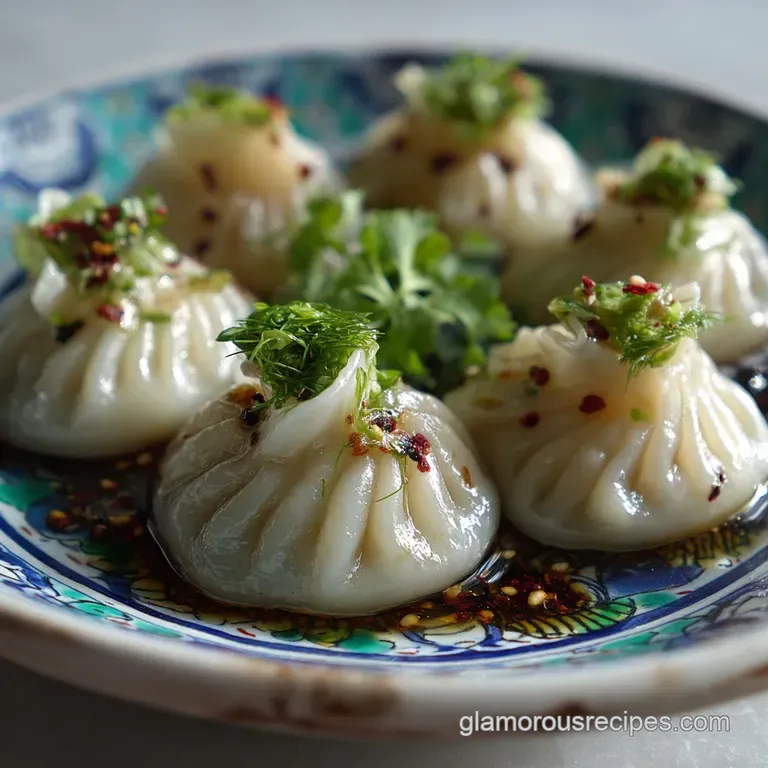
Mastering the Aromatic Base
Pound the 3-4 coriander roots, 5 cloves of garlic, and 1 tsp white peppercorns in a mortar. Work until it forms a smooth, wet paste.Note: This is the "Three Buddies" paste that defines the soul of the dish.
Building the Chilled Filling
Combine the 250g ground pork and 150g chopped shrimp in a large bowl. Add the aromatic paste and 1 tbsp cornstarch.Note: Cornstarch helps bind the natural juices released by the shrimp.
Emulsifying the Mixture
Add the 1 tbsp light soy sauce, 1 tbsp oyster sauce, 1 tsp sugar, and 1 tsp sesame oil. Stir vigorously in one direction for 5 minutes. Note: This mechanical action develops the protein structure for a springy texture.
Adding the Texture
Fold in the 50g finely diced water chestnuts. Mix until just combined to keep the chunks intact.
Prepping the Wrappers
Take a wonton wrapper and trim the corners if they are square. Moisten the edges slightly with a damp finger.
Perfect Pleating Techniques
Place 1 tablespoon of filling in the center. Gather the sides up, creating pleats around the meat.Note: Leave the top open to see the colorful filling.
Creating the Cylinder
Squeeze the middle of the dumpling gently with your thumb and index finger. Tap the bottom on the counter to flatten it.
Preparing the Steamer
Line your steamer with parchment paper or cabbage leaves. Poke small holes in the paper to allow steam circulation.
Steaming for Succulent Results
Arrange the dumplings, ensuring they don't touch. Steam over boiling water for 10 minutes. Note: They are done when the wrappers look translucent and the meat feels firm.
The Final Flourish
Remove from heat and immediately brush with the oil from the fried garlic. Top with crispy garlic bits while hot.
| Method | Time | Texture | Best For |
|---|---|---|---|
| Bamboo Steamer | 10 minutes | Light, silky, moist | Authentic flavor & presentation |
| Metal Steamer | 8 minutes | Firm, very hot | Speed and efficiency |
| Pan Fry & Steam | 12 minutes | Crispy bottom, soft top | Adding a textural contrast |
Mixing methods can really change the vibe. If you want that "potsticker" feel, pan frying the bottoms for 2 minutes before adding water and a lid is a fantastic fusion twist. It reminds me of the contrast between soft and crunchy found in a Korean Ground Beef recipe where the glazed meat meets crisp veggies.
Expert Troubleshooting Guide
Why Your Filling Is Crumbly
If the meat falls apart like a burger, you likely didn't mix it long enough or the meat was too warm. When the proteins aren't properly emulsified, they can't hold onto the fat and moisture.
Rescuing Dry Filling
If you realize your mixture is too lean or dry before pleating, fold in a tablespoon of cold water or chicken stock. This adds immediate hydration that will turn into steam inside the wrapper.
Preventing Gummy Wrappers
Gummy skins usually happen because of excess condensation dripping from the lid. Ensure your water is at a rolling boil before adding the steamer, and never let the dumplings sit in the steamer after the heat is turned off.
| Problem | Root Cause | Solution |
|---|---|---|
| Tough Filling | Overcooked meat | Reduce steam time by 2 mins; check for firmness. |
| Wrappers Sticking | No oil or liner | Brush parchment with oil or use cabbage leaves. |
| Filling Leaking | Loose pleats | Squeeze the "waist" of the dumpling tighter. |
Common Mistakes Checklist
- ✓ Never use pre ground pepper; the oils in freshly crushed white peppercorns are vital.
- ✓ Don't skip the "one direction" mixing rule; it’s essential for protein alignment.
- ✓ Ensure the water chestnuts are diced small (about 1/8 inch) so they don't tear the wrapper.
- ✓ Avoid overfilling; a bulging dumpling will burst and lose its juices.
- ✓ Always brush with garlic oil immediately after steaming to prevent the skins from hardening.
Creative Ways to Pivot
If you aren't a fan of pork, you can easily swap it out for ground chicken. Just make sure to use ground thighs rather than breast meat, as the higher fat content is necessary to keep the Thai Steamed Dumplings from becoming dry.
For a deeper, more "forest like" flavor, try adding 2-3 rehydrated shiitake mushrooms, finely minced, into the filling.
If you are looking for a complete meal experience, these dumplings serve as a stellar appetizer for a spicy Tom Yum Soup recipe. The sour, aromatic broth of the soup cuts beautifully through the rich, savory fat of the pork and shrimp.
| Original Ingredient | Substitute | Why It Works |
|---|---|---|
| Ground Pork | Ground Chicken Thigh | Provides similar fat content. Note: Slightly milder flavor profile. |
| Water Chestnuts | Jicama | Similar crunch and high water content. |
| Rice Vinegar | Apple Cider Vinegar | Provides necessary acidity. Note: Adds a subtle fruity note. |
If you want a truly decadent version, try adding a tiny piece of salted egg yolk to the top of each dumpling before steaming. It adds a rich, grainy, and salty pop that is a favorite in many high end dim sum houses.
Scaling for a Crowd
When scaling down for a solo dinner, it is easiest to make the full batch of filling and freeze half of the pleated dumplings. For scaling up, don't just double everything blindly.
Spices like white pepper can become overwhelming if doubled exactly, so start with 1.5x the amount and taste a small fried bit of filling before committing. When working with 60+ dumplings, work in batches to keep the wrappers from drying out under the AC or a fan.
Keep the unused wrappers covered with a damp cloth at all times.
Storage and Preservation Secrets
Storage: Keep cooked dumplings in an airtight container in the fridge for up to 3 days. To reheat, steam them for 2-3 minutes until the center is hot. Avoid the microwave if possible, as it tends to make the wrappers rubbery.
Freezing: This is the best way to preserve them. Place raw, pleated dumplings on a tray in the freezer for 1 hour until hard, then transfer to a freezer bag. They will stay fresh for up to 3 months. Steam directly from frozen for 12-14 minutes.
Zero Waste: Don't throw away those coriander stems! If you have leftovers, chop them finely and add them to a stir fry or a quick dipping sauce. Any leftover dumpling filling can be rolled into meatballs and dropped into a simple clear soup with glass noodles.
Perfect Side Dish Complements
To turn these Steamed Dumplings into a full feast, you need to balance the palate. A cold cucumber salad with a sweet and sour dressing provides a refreshing crunch that cleanses the tongue between savory bites.
I personally love serving these alongside an Authentic Thai Iced recipe. The creamy, sweet tea acts as a perfect counterpoint to the sharp heat of the bird's eye chilies in the dipping sauce. It creates a complete sensory experience hot, cold, spicy, and sweet all in one sitting.
Debunking Dumpling Myths
"You must use a bamboo steamer for flavor." Actually, a bamboo steamer is mostly for moisture control. While it adds a very faint woody scent, the main benefit is that it prevents sogginess. A metal steamer works perfectly fine if you wrap the lid to prevent drips.
"Shrimp must be turned into a paste." No! If you turn the shrimp into a complete paste, you lose that wonderful "pop" of texture. Roughly chopping them by hand provides a far superior mouthfeel compared to a food processor "mush."
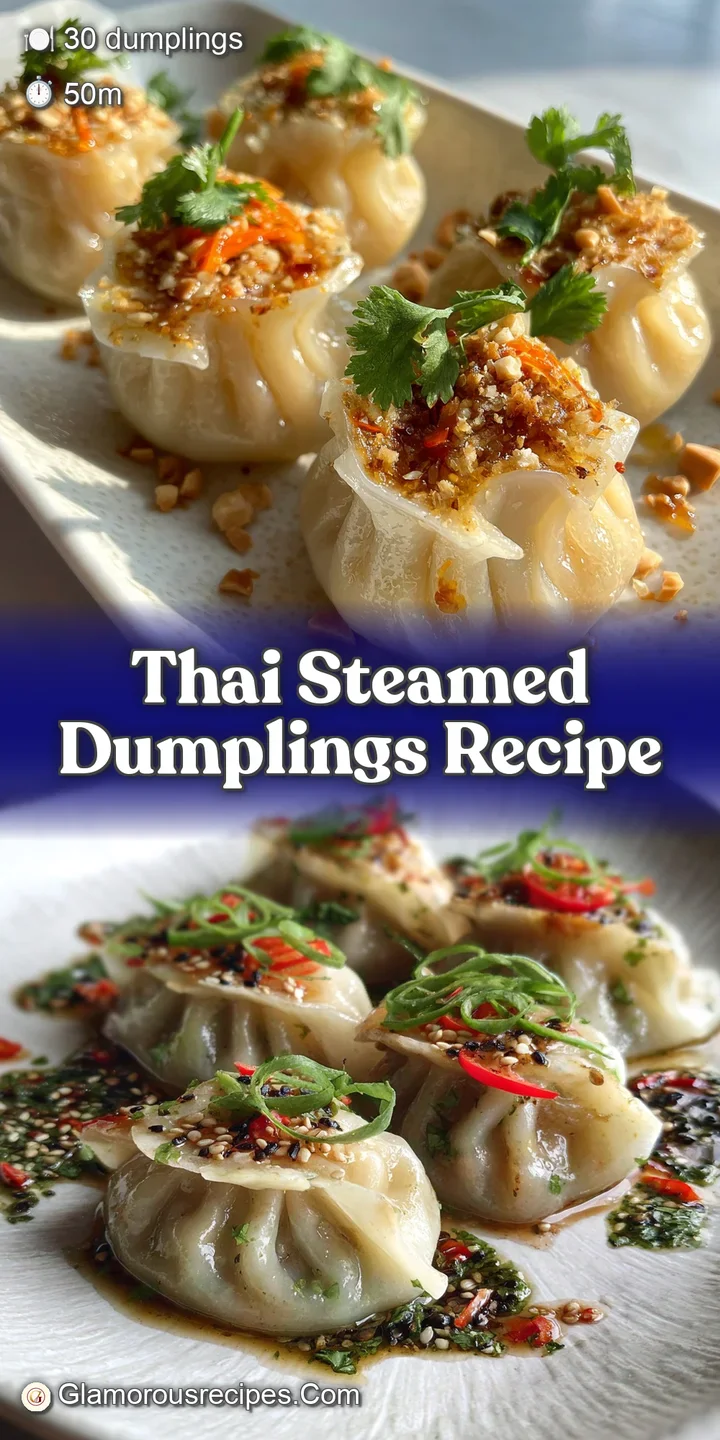
Thai Steamed Dumpling FAQs
Where does kanom jeeb traditionally come from?
Thailand, influenced by Chinese cuisine. Kanom Jeeb is the Thai adaptation of Chinese Shu Mai, popularized in Bangkok's street food scenes.
Is kanom jeeb steamed or fried?
Primarily steamed. Steaming results in the signature delicate, soft, and slightly translucent wrapper texture.
Can I freeze kanom jeeb?
Yes, freezing raw is highly recommended. Flash freeze the formed, uncooked dumplings on a tray first, then transfer them to a bag for long term storage.
Can kanom jeeb be made vegetarian?
Yes, but the texture will change significantly. Substitute the pork and shrimp with finely minced tofu and water chestnuts, focusing heavily on mushroom seasoning for umami.
How do I achieve the signature "bouncy" texture?
Vigorously mix the filling in one direction while chilled. This action activates myosin proteins in the meat, creating a strong, elastic emulsion structure essential for that classic springy bite.
Why are my wrappers sticking together in the steamer?
You likely have excess condensation dripping onto the dumplings. Line the steamer basket with parchment paper that has holes poked in it, or use cabbage leaves to absorb excess moisture.
What essential aromatic should I never skip for authentic flavor?
Coriander root. While garlic and white pepper are key, the root provides the deep, earthy base note that distinguishes Kanom Jeeb from other steamed parcels. If you enjoy mastering this flavor base, see how the same principle of deep aromatic extraction works in our Yellow Rice recipe.
Authentic Thai Steamed Dumplings
Ingredients:
Instructions:
Nutrition Facts:
| Calories | 52 kcal |
|---|---|
| Protein | 3.5 g |
| Fat | 1.6 g |
| Carbs | 5.6 g |
| Fiber | 0.2 g |
| Sugar | 0.7 g |
| Sodium | 188 mg |
