Authentic Puerto Rican White Rice
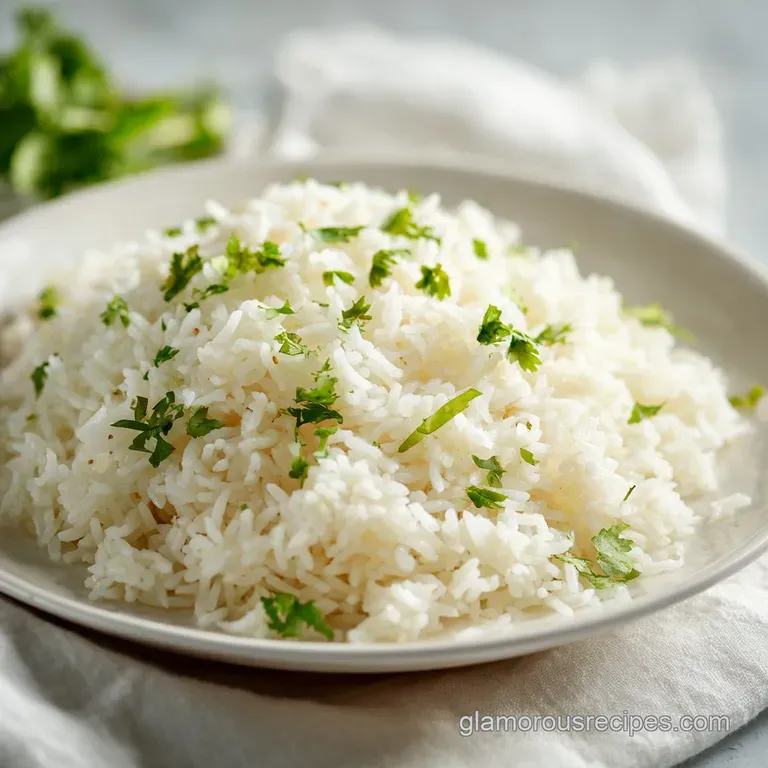
- Time: Active 10 minutes, Passive 20 minutes, Total 30 minutes
- Flavor/Texture Hook: Nutty, toasted grains with a shatter crisp golden crust
- Perfect for: Weeknight fusion bowls, traditional family dinners, or meal prep
- The Secret Behind the Best Puerto Rican White Rice
- Why This Specific Method Works Every Time
- Component Analysis and Ingredient Roles
- Everything You Need for Your Rice Base
- Essential Arsenal for Your Caribbean Kitchen
- Step-by-Step Evolution of Grains into Gold
- Navigating Pitfalls for the Fluffy Result
- Adjusting the Scale of Your Pot
- Debunking Traditional Kitchen Wisdom
- Keeping Your Rice Fresh and Flavorful
- Presenting Your Rice with Island Flair
- Recipe FAQs
- 📝 Recipe Card
The Secret Behind the Best Puerto Rican White Rice
Ever wondered why some rice feels like a bland, mushy cloud while other grains carry a deep, nutty soul? It usually comes down to whether you skipped the most important step in the Caribbean kitchen: the oil toast. In Puerto Rico, rice isn't just a side dish; it's the heartbeat of the meal.
I remember the first time I tried to make this without a caldero (that iconic heavy aluminum pot). I ended up with a gummy mess because I didn't understand how the surface starch reacts to heat.
This recipe isn't just about boiling water; it's about a specific sequence of textures that creates what we call "arroz granito" rice where every single grain is independent and proud.
The real prize, though, isn't actually the fluffy white part. It is the pegao. That's the crunchy, toasted layer of rice that sticks to the bottom of the pot. It’s a culinary gold mine.
If you do this right, you get this incredible contrast between the velvety softness of the steamed rice and the salty, shatter crisp texture of the bottom layer. It’s the kind of thing families playfully fight over at the dinner table.
We’re going to use a simple ratio and a specific heat management technique to ensure you get both results in one single pot.
We aren't just making a side dish here; we're building a foundation. Whether you’re pairing this with a Broccoli Casserole recipe for a fusion twist or serving it with traditional red beans, the technique remains the same. It’s all about respecting the grain, managing the moisture, and knowing exactly when to walk away from the stove. Let's dig into why this method works so well compared to standard boiling.
Why This Specific Method Works Every Time
- Starch Management: Rinsing the rice for a full 2 minutes removes the excess surface amylopectin, which is the "glue" that makes rice sticky and clump together.
- Lipid Barrier: Coating the grains in avocado oil before adding water creates a physical fat barrier that prevents the grains from fusing during the gelatinization process.
- The Ojitos (Steam Holes): Boiling uncovered until "eyes" appear ensures that the excess moisture evaporates before the final steam, preventing a soggy or waterlogged texture.
- Thermal Inertia: Using a heavy bottomed pot (like a caldero) maintains a consistent, low heat during the steaming phase, which allows the bottom to crisp without the top drying out.
| Thickness of Rice Layer | Heat Level | Total Steam Time | Visual Cue for Doneness |
|---|---|---|---|
| 2-3 cm (Small pot) | Lowest | 15 minutes | Grains are upright and dry |
| 4-6 cm (Standard pot) | Lowest | 18 minutes | Steam holes are clearly defined |
| 7+ cm (Large batch) | Lowest | 22 minutes | Top grains feel tender but firm |
Choosing the right method for your kitchen setup can change the texture significantly. While the stovetop is the traditional way to get that crispy bottom, some people prefer the "set it and forget it" nature of other appliances.
However, if you want the authentic experience, the stove is your best friend because it allows for that targeted heat on the base of the pot.
Component Analysis and Ingredient Roles
| Ingredient | Science Role | Pro Secret |
|---|---|---|
| Long grain Rice | High Amylose content | Use "enriched" rice but never parboiled for this specific texture profile. |
| Avocado Oil | High Smoke Point Fat | Swap for lard if you want a more traditional, pork forward savory finish. |
| Sea Salt | Protein Structure | Add salt to the oil toast phase to help it penetrate the grain's core. |
Selecting your ingredients is the first step toward success. While you can technically use any white rice, long grain is the standard for a reason. It has a higher ratio of amylose, which is the starch molecule that keeps grains separate.
Short grain rice has more amylopectin, which makes things sticky great for sushi, but a disaster for arroz blanco.
Everything You Need for Your Rice Base
- 2 cups (400g) long grain white rice: This is the heart of the dish. Look for brands that aren't "instant." Why this? Long grains provide the structural integrity needed for a fluffy, non sticky result.
- 3 cups (710ml) water: The standard 1.5:1 ratio. Why this? This ratio accounts for the moisture lost during the uncovered boiling phase.
- 1.5 tbsp (22ml) avocado oil: A neutral, over high heat oil. Why this? It coats the grains without adding a heavy or greasy aftertaste.
- 1.5 tsp (9g) fine sea salt: Essential for bringing out the nutty flavor. Why this? Sea salt dissolves more evenly than coarse kosher salt in this specific volume of water.
Substitute Options
- Rice: Basmati works well but has a more floral aroma. It will be slightly less "Puerto Rican" in profile but very delicious.
- Oil: Extra virgin olive oil can be used, though it has a lower smoke point. Note: It adds a distinct peppery flavor that changes the traditional profile.
- Water: Vegetable or chicken stock can be used. Note: This will darken the rice and increase the sodium content significantly.
Essential Arsenal for Your Caribbean Kitchen
The most important tool you can own for this recipe is a caldero. It’s a cast aluminum pot with rounded sides and a tight lid. The aluminum conducts heat incredibly fast, but the thickness prevents hot spots.
If you don't have one, a heavy Dutch oven or a thick bottomed stainless steel pot will do the trick. Just avoid thin, cheap pots; they will burn the bottom of the rice before the top is even close to being cooked.
You will also need a fine mesh sieve. Rinsing rice in a bowl is okay, but a sieve allows the water to carry the starch away rather than just swirling it around. A fork or a wide spoon for the "gentle fold" is the final piece of the puzzle.
You don't want to stir the rice vigorously once it starts cooking, as that breaks the grains and releases more starch, leading to the dreaded mush.
step-by-step Evolution of Grains into Gold

- Rinse the 2 cups of long grain rice in a fine mesh sieve under cold running water for 2 minutes. Note: Keep going until the water transitions from milky to completely clear.
- Heat the 1.5 tbsp of avocado oil in your caldero over medium high heat. You should hear a faint sizzle when you drop a single grain in.
- Add the rinsed rice and 1.5 tsp salt to the hot oil. Stir for 60 seconds to coat every grain in fat. Smell for a nutty, popcorn like aroma as the grains toast.
- Pour in the 3 cups of water and stir once to distribute the salt. Bring the mixture to a rolling boil.
- Cook uncovered and do not stir. Watch for the water level to drop below the rice line. Look for small steam holes (ojitos) forming on the surface (about 8-10 minutes).
- Perform one gentle fold using a spoon, moving the rice from the bottom to the top. Do not over mix.
- Cover the pot with a tight fitting lid and immediately reduce the heat to the lowest possible setting.
- Steam undisturbed for 15–20 minutes. The aroma will change from wet grain to a toasted, warm fragrance.
- Turn off the heat. Let the pot sit, covered, for exactly 5 minutes. Note: This allows the moisture to redistribute so the rice doesn't stick to the lid.
- Fluff with a fork and serve immediately, scraping the golden pegao from the bottom if desired.
Navigating Pitfalls for the Fluffy Result
Getting the texture right is a balancing act between heat and hydration. If you find your rice is consistently too hard or too mushy, the culprit is almost always the "uncovered" phase or the "seal" of your lid.
Why Your Rice is Still Hard (Underdone)
If the rice feels crunchy after the full steaming time, your lid likely isn't tight enough, allowing too much steam to escape. This is a common issue with older pots.
| Problem | Root Cause | Solution |
|---|---|---|
| Crunchy centers | Steam escape | Place a piece of aluminum foil or parchment over the pot before adding the lid. |
| Uneven cooking | Heat too high | Ensure the heat is on the absolute lowest setting to prevent "spot drying." |
| Dry top layer | Lack of resting | Never skip the 5 minute rest after turning off the heat. |
Another common frustration is when the rice becomes "amotetado," which is the Puerto Rican term for mushy or clumped together. This happens if you stir the rice too much while it's boiling or if you use too much water. If you're looking for an easier way to handle grains, you might enjoy learning about Lentils in Rice Cooker which uses a similar set it and forget it logic.
Common Mistakes Checklist
- ✓ Never skip the rinse step; surface starch is the enemy of fluffiness.
- ✓ Don't stir the rice after the water starts boiling; you'll break the grains.
- ✓ Ensure the lid is truly airtight; use a heavy object on top if the lid is light.
- ✓ Avoid checking the rice every 5 minutes; "if you're looking, it's not cooking."
- ✓ Use a burner that matches the size of your pot base for even heat distribution.
Adjusting the Scale of Your Pot
Scaling rice isn't as simple as doubling everything. When you double the recipe (using 4 cups of rice), you should actually reduce the water slightly about 10% less than a straight double because less evaporation happens in a larger, deeper mass of rice.
You also need to be careful with the salt; spices and seasonings often need only 1.5x the amount when doubling a recipe to avoid over salting.
If you are cooking for a crowd, keep in mind that the steaming time will increase by about 5-8 minutes because the heat takes longer to penetrate the center of a larger mound of rice.
Conversely, if you are making a half batch, reduce the steaming time by 20% and use a smaller pot to ensure the rice doesn't dry out too quickly.
| Method | Total Time | Texture | Best For |
|---|---|---|---|
| Stovetop (Caldero) | 30 minutes | Fluffy with crispy base | Authentic flavor & Pegao |
| Oven (Covered) | 40 minutes | Extremely uniform | Large batches/Catering |
| Rice Cooker | 25 minutes | Consistent/Soft | Hands off convenience |
Debunking Traditional Kitchen Wisdom
One of the biggest myths in the Caribbean kitchen is that you must use a certain brand of rice to get it right. While brand loyalty is high, the science of the grain (long grain vs. medium grain) matters far more than the label.
Another common misconception is that adding oil makes the rice "unhealthy." In reality, the 1.5 tablespoons spread across 5 servings is minimal, and that fat is essential for the individual grain texture we're chasing.
You might also hear people say you should never wash enriched rice because you lose the vitamins. While it's true that some surface nutrients are rinsed away, the trade off for the texture is worth it. Most of the nutrients in modern enriched rice are sprayed on, but for the authentic Puerto Rican experience, the physical texture of the grain is the priority. If you want a more nutrient dense option, consider a Chicken Broccoli Rice Casserole where you can hide extra veggies in the mix.
Keeping Your Rice Fresh and Flavorful
Storage: Store leftover rice in an airtight container in the fridge for up to 4 days. To reheat, add a teaspoon of water per cup of rice and microwave covered, or heat in a pan with a splash of oil to crisp it back up.
Freezing: Rice freezes beautifully. Spread it on a baking sheet to cool completely, then portion it into freezer bags. It will stay good for up to 3 months. To use, you can drop the frozen block directly into a pan or microwave it.
Zero Waste: Never throw away the pegao. If you have extra, crumble it over salads like croutons or stir it into a soup for a texture contrast. Leftover white rice is also the absolute best foundation for stir fries because the grains have dried out slightly, making them perfect for absorbing new flavors without getting mushy.
Presenting Your Rice with Island Flair
Presentation in a Puerto Rican household often involves "molding" the rice. You can pack the hot rice into a small bowl or a greased ramekin and flip it onto the plate for a clean, dome shaped look. This is especially effective if you place a sprig of cilantro or a slice of avocado on top.
Chef's Note: If you managed to get a perfect sheet of pegao, don't hide it! Break it into large shards and lean them against the mound of rice like a crown. It signals to your guests that you actually know how to use a caldero properly.
Another great way to serve this is as a "bowl" base. Pile the rice on one side, add your beans on the other, and top with tostones (fried green plantains). The white rice acts as a neutral canvas for the vibrant colors and bold spices of Caribbean cuisine.
Whether you're making this as a simple weeknight side or the centerpiece of a festive fusion meal, the effort you put into that initial toast and the final steam will be evident in every fluffy, toasted bite. Enjoy the sizzle, the scent, and most importantly, the crunch!
Recipe FAQs
Which type of rice works best for Puerto Rican white rice?
Long grain white rice is the standard choice. Its low starch content ensures that the grains remain separate and fluffy rather than clumping together during the steaming process.
How to prepare Puerto Rican white rice?
Rinse your rice thoroughly for about 2 minutes until the water runs clear, then toast it in 1.5 tablespoons of avocado oil for 60 seconds. Add 3 cups of water and 1.5 teaspoons of salt, boil until steam holes form, then cover and steam on the lowest heat setting for 15 20 minutes before resting for 5 minutes.
Is specific rice from Puerto Rico required for this recipe?
No, this is a common misconception. While many Puerto Rican households prefer specific brands of long grain rice, any quality long grain white rice you find at your local grocer will yield authentic results.
What should I add to white rice to improve the flavor?
Stick to high-quality fine sea salt. Since this recipe uses only four basic ingredients, properly seasoning the water ensures the natural, nutty aroma of the toasted grains shines through without needing extra additives.
Why is my rice mushy instead of fluffy?
You likely skipped the rinsing step or stirred the pot too much. Rinsing removes excess surface starch, and keeping the pot undisturbed after adding water prevents the grains from breaking and releasing starch into the steam.
How to achieve the perfect "pegao" or crispy crust?
Increase the heat slightly during the final minutes of cooking. If you enjoyed mastering the heat control technique used to sear beef for stir fries, applying a similar controlled intensity at the very end of the steaming phase helps create that golden, crispy layer at the bottom of your caldero.
How do I know when the rice is perfectly cooked?
Look for the appearance of small steam holes on the surface. This visual cue indicates that the water level has dropped sufficiently, signaling that it is time to perform one gentle fold and switch to the lowest heat for final steaming.
Authentic Puerto Rican White Rice

Ingredients:
Instructions:
Nutrition Facts:
| Calories | 329 calories |
|---|---|
| Protein | 5.7g |
| Fat | 4.7g |
| Carbs | 63.2g |
| Fiber | 1.0g |
| Sugar | 0.1g |
| Sodium | 690mg |
