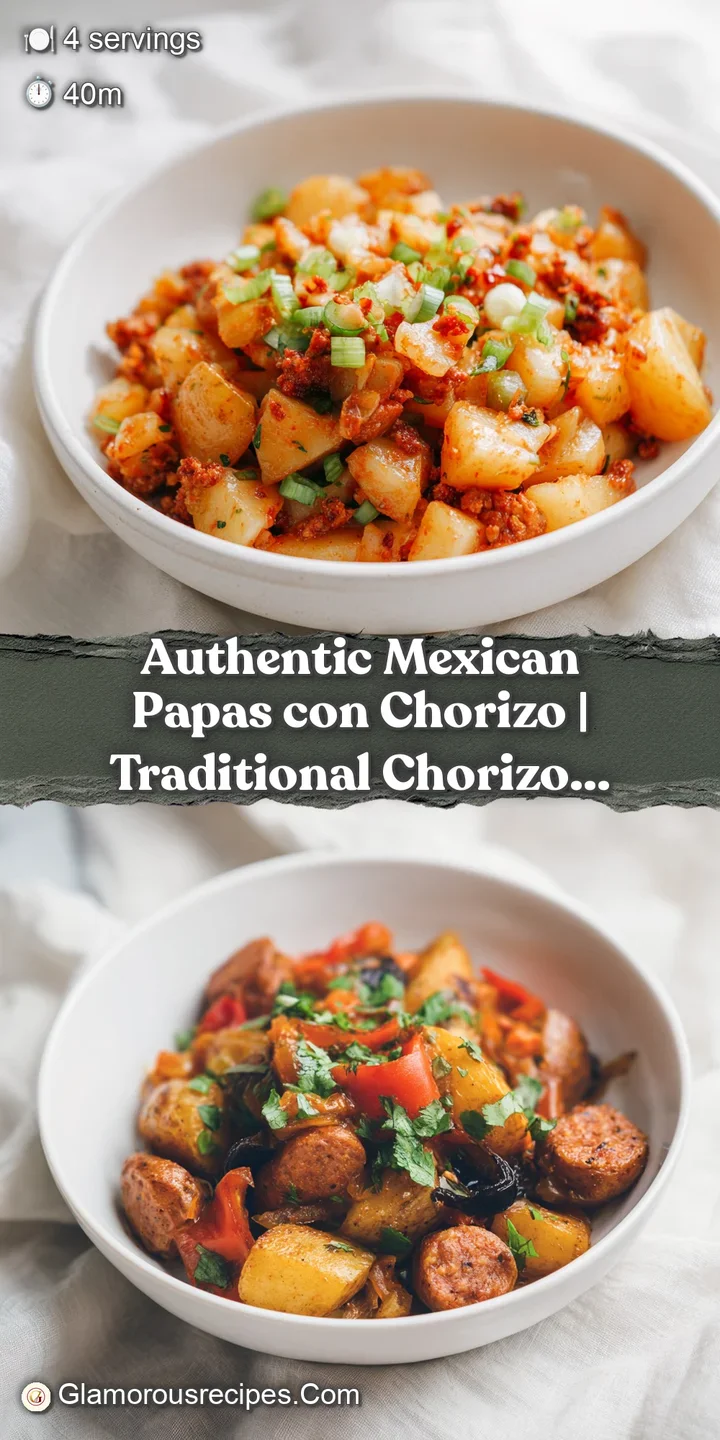
Authentic Mexican Papas Con Chorizo
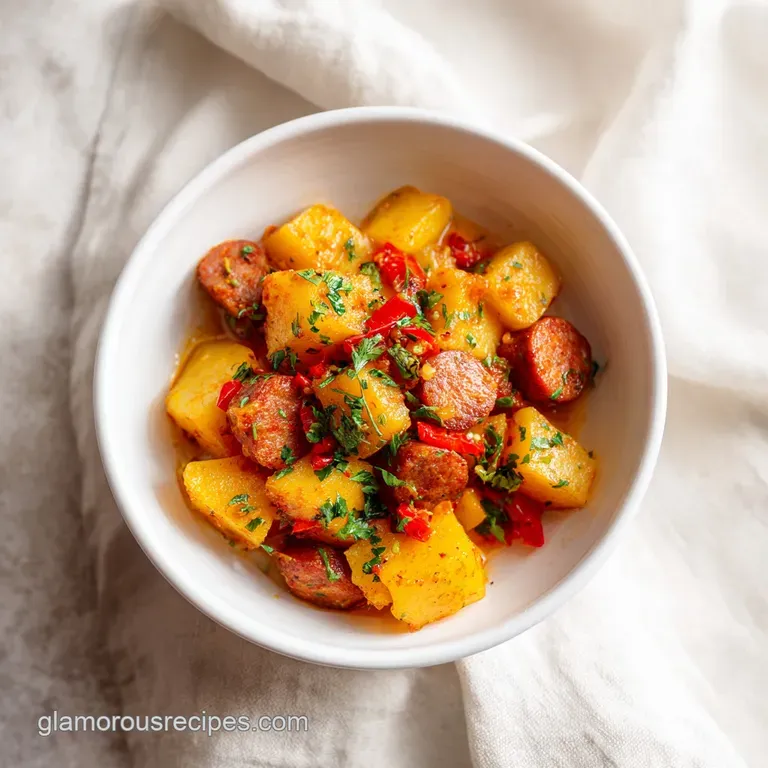
- Time: Active 15 minutes, Passive 25 minutes, Total 40 minutes
- Flavor/Texture Hook: Shatter crisp potato edges and velvety, spiced pork crumbles
- Perfect for: Vibrant weekend brunches or a high protein, adventurous weeknight filling for tacos
- A Smoky Brunch Favorite: Mastering This Papas Con Chorizo Recipe
- Why This Layered Flavor Build Actually Works
- Component Analysis: The Secret Roles of Every Ingredient
- The Alchemy of Umami: Selecting Your Elements
- Essential Kitchen Gear for the Perfect Sear
- From Spuds to Gold: Step-by-Step Instructions
- Troubleshooting the Texture: How to Avoid Sogginess
- Adapting the Batch: Scaling Your Chorizo Potatoes
- Comparison of Methods: Fresh Spuds vs. Frozen Shortcuts
- Global Twists and Protein Packed Variations
- Debunking Myths About Authentic Mexican Chorizo
- Storage Guidelines and Smart Zero Waste Tips
- Creative Ways to Serve Your Finished Dish
- Very High in Sodium
- Recipe FAQs
- 📝 Recipe Card
A Smoky Brunch Favorite: Mastering This Papas Con Chorizo Recipe
The kitchen is still quiet, but the air is about to wake up. There is a specific sound that defines a slow Sunday morning in my house: the heavy thud of a cast iron skillet hitting the stove followed by the rhythmic chopping of cold potatoes.
I remember the first time I tried to make a papas con chorizo recipe for a big group of friends. I thought I could just toss everything in a pan and hope for the best. I ended up with a pile of mushy, orange tinted potatoes that tasted fine but had the texture of wet sand.
It was a disaster, but it taught me that this dish is all about the layers of heat and the architecture of the potato itself.
To get this right, you have to treat the ingredients with a bit of respect for their chemistry. We are looking for that specific moment when the spiced pork fat renders out and becomes a frying medium for the spuds. It is a transformation that smells like smoked paprika, vinegar, and toasted cumin.
When the potatoes finally hit that shimmering red oil, they don't just cook, they undergo a metamorphosis. You get these jagged, golden edges that shatter when you bite into them, revealing a fluffy, cloud like interior that has soaked up all that vinegary chorizo punch.
This is not just "meat and potatoes." This is an adventurous, multicultural staple that brings the vibrant energy of a Mexican street market right to your breakfast table. Whether you are stuffing this into charred flour tortillas or serving it alongside over easy eggs, the goal is the same: bold flavor and addictive texture.
We are going to skip the soggy shortcuts and focus on the techniques that actually build flavor from the ground up. Let's get that skillet screaming hot and dive into why this specific method works every single time.
Why This Layered Flavor Build Actually Works
- Acid Stabilized Pectin: Adding white vinegar to the boiling water keeps the potato's internal structure intact. It prevents the exterior from disintegrating into mush before the starch has a chance to fully hydrate.
- Surface Area Dehydration: The 3 minute steam dry period is vital because it removes surface moisture. Without this, the potatoes would steam in the skillet rather than frying, robbing you of that essential golden crust.
- Fat Soluble Spice Extraction: Mexican chorizo is packed with dried chiles and spices that only release their full aromatic potential when dissolved in hot fat. Rendering the pork first creates a flavored oil that seasons the potatoes from the inside out.
- The Starch Fat Bond: As the par boiled potatoes fry in the rendered chorizo fat, the softened starches on the surface gelatinize and then dehydrate, creating a thick, crunchy shell that traps the spiced oil.
| Thickness | Internal Temp | Rest Time | Visual Cue |
|---|---|---|---|
| 1/2 inch cubes | 210°F (tender) | 3 mins (steam dry) | Edges look matte and slightly rough |
| 1/4 inch dice | 210°F (tender) | 2 mins (steam dry) | Translucent appearance disappears |
| 3/4 inch chunks | 210°F (tender) | 5 mins (steam dry) | Surface looks "fluffy" or starchy |
The physical size of your potato dice changes everything. If you go too large, the centers stay dense; too small, and they vanish into the chorizo. A consistent 1/2 inch cube provides the ideal ratio of crispy surface area to creamy center.
This size also allows the potatoes to cook through during the short par boiling window without falling apart when you toss them in the heavy skillet later.
Component Analysis: The Secret Roles of Every Ingredient
| Ingredient | Science Role | Pro Secret |
|---|---|---|
| Yukon Gold Potatoes | High starch, medium wax | Keep the skins on for extra earthy flavor and a more rustic, adventurous texture |
| Mexican Pork Chorizo | Primary fat and spice source | Look for "raw" or "loose" chorizo in links, not the dried Spanish cured version |
| White Vinegar | Pectin strengthener | This is the "insurance policy" that keeps your potatoes from turning into mashed goop in the pan |
| White Onion | Aromatic sweetness | Dice the onion to the same size as the chorizo crumbles so they melt into the background |
Selecting the right potato is the first step toward success. While Russets offer a great crunch, Yukon Golds provide a velvety, buttery interior that contrasts beautifully with the aggressive spices of the pork.
I always lean toward Yukons for that multicultural fusion feel, as they hold their shape better during the frying phase.
If you find yourself missing a key component, don't panic. This dish is forgiving if you understand the "why" behind each part. For example, if you can't find loose Mexican chorizo, you can use a high-quality spicy ground pork and add a splash of apple cider vinegar and a tablespoon of smoked paprika. If you want to lean into the smoky side of things, try pairing this with a Roasted Salsa Verde to cut through the richness of the pork fat.
The Alchemy of Umami: Selecting Your Elements
- Yukon Gold or Russet potatoes (1.5 lbs): Diced into 1/2 inch cubes. Why this? Yukon Golds offer the creamiest interior, while Russets provide the absolute crunchiest exterior.
- Water (2 Liters): For par boiling. Why this? Plenty of water ensures the temperature doesn't drop too much when potatoes are added.
- White vinegar (1 tbsp): Added to the boiling water. Why this? Essential for structural integrity; prevents the potato from over softening during the boil.
- Mexican pork chorizo (9 oz): Raw and loose. Why this? This provides the fat, heat, and deep red color that defines the entire dish.
- Neutral oil (2 tbsp): Like avocado or grapeseed oil. Why this? Used if the chorizo is lean; ensures the potatoes actually fry rather than just sticking.
- White onion (0.5 medium): Finely diced. Why this? Adds a necessary aromatic sweetness that balances the heavy spices of the meat.
- Kosher salt (1 tsp): To taste. Why this? Enhances the natural earthiness of the potatoes and the pungency of the chiles.
- Fresh cilantro (10g): For garnish. Why this? Provides a bright, herbaceous lift to cut through the saturated fats.
- Fresh lime (1): Cut into wedges. Why this? The citric acid brightens the heavy flavors and makes the spices "pop" on the palate.
| Original Ingredient | Substitute | Why It Works |
|---|---|---|
| Mexican Pork Chorizo | Soyrizo (Plant based) | High spice levels. Note: Use more oil as it lacks the natural rendered pork fat |
| White Onion | Shallots | Sweeter and more delicate. Note: They cook faster, so add them later to avoid burning |
| White Vinegar | Lemon Juice | Provides the same acidic environment to help the potato pectin stay firm |
| Neutral Oil | Lard | Authentic flavor profile. Note: Adds a much heavier, more traditional pork finish |
Essential Kitchen Gear for the Perfect Sear
To get that restaurant quality crust, your equipment matters just as much as your ingredients. I always reach for my 12 inch cast iron skillet. The thermal mass of cast iron is unparalleled; it won't lose its heat the second you dump in those cold potatoes.
If you use a thin non stick pan, the temperature will plummet, and you will end up steaming the food rather than searing it. You want that "sizzle" to stay consistent from the moment the potatoes touch the fat until they are plated.
A wide colander is another unsung hero here. When you drain the potatoes, they need space to breathe. If they are piled high in a narrow strainer, the bottom layer will continue to cook in the trapped steam, becoming mushy. By spreading them out, you allow the surface moisture to evaporate quickly, which is the secret to a shatter crisp finish. For another adventurous meal that relies on simple, high impact pantry staples, you might also enjoy making Sardines in Tomato Sauce for a quick, umami packed dinner.
From Spuds to Gold: step-by-step Instructions
- Prepare the potatoes. Peel 1.5 lbs of potatoes and dice them into uniform 1/2 inch cubes. Note: Uniformity is the key to ensuring every piece reaches the same level of tenderness at the same time.
- Start the par boil. Place the diced potatoes in a large stockpot and cover with 2 liters of cold water. Add 1 tbsp of white vinegar and a pinch of salt. Bring to a boil over high heat.
- Simmer until tender. Once boiling, reduce the heat to a simmer. Cook the potatoes for 5-7 minutes until they are fork tender but still hold a sharp edge.
- Dry the surface. Drain the potatoes into a colander. Let them sit and steam dry for exactly 3 minutes. You will see the surface turn from shiny and wet to a matte, starchy appearance.
- Render the chorizo fat. Heat your 12 inch cast iron skillet over medium heat. Add 9 oz of loose chorizo and cook while breaking it up until the red fat renders out.
- Sauté the aromatics. Toss in the finely diced white onion. Cook in the chorizo fat for about 2-3 minutes until the onion is translucent and stained orange.
- The first fry. Increase the heat to medium high. Add the par boiled potatoes to the skillet. If it looks dry, pour in 2 tbsp of neutral oil. Spread them in a single layer and do not touch them for 3-4 minutes.
- Develop the crust. Once a golden crust has formed on the bottom, toss the potatoes occasionally. Continue frying for 5-8 minutes until the potatoes are crispy on all sides and the chorizo is browned.
- Season and garnish. Taste for salt and adjust. Remove from the heat and sprinkle with fresh cilantro.
- Serve immediately. Squeeze fresh lime wedges over the pan right before serving to release the aroma of the spices.
Troubleshooting the Texture: How to Avoid Sogginess
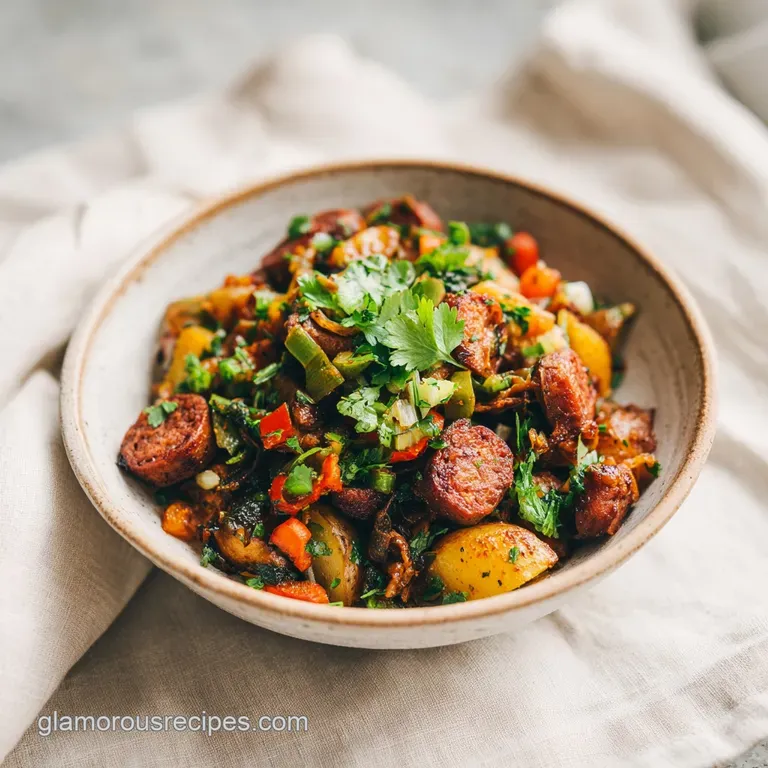
Why Your Potatoes Are Mushy
This is usually caused by skipping the vinegar or over boiling. If the potatoes lose their structure in the water, no amount of frying will save them. They will simply turn into a rustic mash. Always set a timer for that 5-7 minute window and check them early.
You want a fork to go in with just a tiny bit of resistance. If the fork slides through like butter, they are overdone for this specific application.
Why the Chorizo Is Burning
Chorizo has a high sugar and spice content, meaning it can go from "perfectly rendered" to "bitter and burnt" in a matter of seconds. If your pan is smoking or the spices are turning dark brown/black, your heat is too high.
The remedy is to pull the pan off the burner for a minute to let the temperature drop, then proceed on a lower setting. The goal is a steady sizzle, not an aggressive scorch.
| Problem | Root Cause | Solution |
|---|---|---|
| Potatoes sticking | Pan not hot enough or not enough oil | Preheat the skillet for 3 full minutes and add oil before the potatoes |
| Dish tastes flat | Lack of acidity or salt | Add more lime juice at the end and a pinch more Kosher salt |
| Chorizo is oily | Low quality meat with high fat content | Drain excess fat before adding potatoes, but leave enough to coat them |
Common Mistakes Checklist
- ✓ Never start potatoes in boiling water; always start with cold water to ensure even cooking from the core to the surface.
- ✓ Do not crowd the skillet - if you can't see the bottom of the pan, work in two batches to ensure a proper sear.
- ✓ Avoid stirring the potatoes for the first 4 minutes of frying; they need undisturbed contact with the heat to form a crust.
- ✓ Ensure the chorizo is "Mexican" (raw) and not "Spanish" (cured), as the cured version won't render the same volume of flavored fat.
- ✓ Pat the potatoes dry with a paper towel if they still look wet after the 3 minute steam dry period.
Adapting the Batch: Scaling Your Chorizo Potatoes
Scaling a papas con chorizo recipe requires a bit of tactical thinking regarding pan space. If you want to cut the recipe in half for a solo breakfast, you can use a smaller 8 inch skillet.
Keep the cook times mostly the same, as the thickness of the potato cubes dictates the physics of the heat penetration more than the total volume does. Just be careful with the salt; when working with smaller amounts, it's very easy to over season.
If you are doubling the recipe for a large gathering, do not simply dump 3 lbs of potatoes into one pan. You will end up with a crowded mess that steams instead of fries. Instead, use two separate large skillets or work in batches.
When doubling spices or salt, I recommend starting at 1.5x the original amount and tasting as you go. Liquids like the vinegar for boiling can be doubled exactly, but the frying oil should be added incrementally based on how much fat your specific brand of chorizo renders out.
Comparison of Methods: Fresh Spuds vs. Frozen Shortcuts
| Method | Total Time | Texture Outcome | Flavor Impact |
|---|---|---|---|
| Fresh Yukon Golds | 40 minutes | Glassy exterior, fluffy interior | Deep, earthy, and buttery |
| Frozen Hash Brown Cubes | 20 minutes | Uniformly crunchy but often hollow | Slightly salty, less potato "soul" |
| Pre Boiled Leftovers | 15 minutes | Chewier, less "shatter" crunch | Absorbs chorizo flavor very quickly |
Using frozen cubes is a valid shortcut when you're in a rush, but you lose that specific contrast that par boiling with vinegar provides. The frozen versions are usually par fried, which means they won't soak up the chorizo fat in quite the same way.
If you have the time, the fresh spud method is always the winner for an adventurous brunch.
Global Twists and Protein Packed Variations
If you want to take this further, there are plenty of ways to play with the fusion aspect of this dish. One of the most popular ways to serve this is Papas con Chorizo con Huevo. Simply wait until the potatoes are crispy, then push them to the sides of the pan.
Crack 3 or 4 eggs into the center and scramble them directly with the meat and potatoes. It creates a velvety, rich texture that binds everything together.
For a plant based twist, use a high-quality "soyrizo." Since plant based chorizo doesn't usually render much fat, you'll need to be more generous with your neutral oil perhaps adding an extra tablespoon or two to get that same golden fry on the potatoes.
You can also add diced bell peppers or even a handful of kale at the very end for a pop of color and a multicultural nutritional boost. The bold spices of the chorizo will still carry the dish beautifully.
Debunking Myths About Authentic Mexican Chorizo
One of the biggest misconceptions is that the "orange oil" in the pan is something that should be discarded. In reality, that oil is a concentrated infusion of guajillo chiles, vinegar, and garlic. It is the lifeblood of the dish.
I actually like to dip my tortillas directly into that oil before charring them on the burner; it stains them a beautiful sunset orange and adds a layer of flavor you just can't get any other way.
Another myth is that you need to use a non stick pan to prevent the potatoes from gluing to the bottom. While it's true that starches love to stick, a well seasoned cast iron skillet and the right amount of fat will create a naturally non stick surface.
The "sticking" usually happens when people try to flip the potatoes too early. If you wait for the crust to form, the potatoes will naturally release from the pan. It's a lesson in patience that pays off in texture.
Storage Guidelines and Smart Zero Waste Tips
- Storage: Keep leftovers in an airtight container in the fridge for up to 4 days. The potatoes will lose their crunch, but the flavor actually deepens as the spices continue to marinate the spuds.
- Reheating: Avoid the microwave unless you want soggy potatoes. Reheat them in a dry skillet over medium heat for 5-6 minutes. This will help bring back some of the original crispness.
- Freezing: You can freeze the finished dish for up to 2 months. Thaw it overnight in the fridge before reheating in a skillet. It won't be as crispy as day one, but it's still fantastic inside a breakfast burrito.
- Zero Waste: Don't toss those potato peels! Toss them with a little oil and salt and bake them at 400°F until crispy for a quick chef's snack. If you have leftover cilantro stems, finely mince them and add them to the onion sauté; they have more flavor than the leaves anyway.
Creative Ways to Serve Your Finished Dish
While I love eating this straight out of the pan, it really shines when paired with other vibrant components. I often serve this alongside a stack of warm corn tortillas and a bowl of crumbled cotija cheese. The salty, funky cheese is the perfect foil for the smoky pork. If you're looking for a refreshing way to end a heavy, spiced meal like this, you might consider making a batch of Homemade Limoncello to serve as a bright, aromatic digestivo.
Another great way to use these potatoes is as a base for an adventurous "Mexican Poutine." Top a bowl of the crispy potatoes and chorizo with some melted Oaxaca cheese and a drizzle of crema. It's a multicultural fusion that hits every single craving.
No matter how you serve it, the key is that contrast between the heavy, spiced meat and the bright, fresh garnishes like lime and cilantro. That balance is what keeps you coming back for a second and third helping.
Very High in Sodium
917 mg 917 mg of sodium (40% 40% of daily value)
The American Heart Association recommends a limit of about 2,300mg per day, with an ideal limit of less than 1,500mg per day for most adults.
Tips to Reduce Sodium in Your Potato and Chorizo Dish
-
Choose Low-Sodium Chorizo-25%
The primary sodium culprit is the raw chorizo. Look for low-sodium or no-salt added versions of Mexican pork chorizo. This single change can significantly reduce sodium.
-
Halve the Kosher Salt-15%
The 1 teaspoon of Kosher salt contributes a notable amount of sodium. Try reducing this to 1/2 teaspoon. You can always add more at the table if needed.
-
Boost Flavor with Herbs and Spices
Instead of relying solely on salt, amp up the flavor with fresh ingredients. Consider adding garlic powder, onion powder, cumin, or a pinch of chili powder to the potatoes as they cook.
-
Consider Unsalted or Reduced Sodium Broth (if applicable)-10%
Although not explicitly listed as broth, if you were to add any liquid for cooking the potatoes besides water, opt for unsalted or reduced sodium vegetable or chicken broth to further minimize sodium.
Recipe FAQs
Do you cook chorizo or Papas first?
Cook the chorizo first. Rendering the fat from the chorizo provides a flavorful base that coats the potatoes as they fry, which is essential for developing a deep crust.
What spices are traditionally used in Papas con chorizo?
Only Kosher salt is required for seasoning. The Mexican pork chorizo is already highly seasoned, so it provides all the necessary complexity to flavor the potatoes during the frying process.
What to eat with chorizo with Papas?
Serve with lime wedges and fresh cilantro. The acidity of the lime cuts through the richness of the pork fat, creating a balanced bite. If you enjoyed the crispy texture achieved here, try applying the same heat control principles to other fried appetizers.
Are Papas and chorizo healthy?
This dish contains 421 calories per serving. While it provides a hearty source of energy, it is considered a comfort food rather than a low-fat meal due to the rendered fat from the chorizo.
How to keep the potatoes from becoming soggy?
Steam dry the potatoes in a colander for 3 minutes after draining. Removing excess surface moisture is the most effective way to ensure the spuds fry into a crispy crust rather than steaming in the pan.
How to reheat leftovers without losing the crunch?
Reheat in a dry skillet over medium heat for 5-6 minutes. Avoid the microwave, which turns the potatoes mushy; the direct heat of the skillet restores the texture by evaporating remaining moisture.
Is it true that I should peel the potatoes before cooking?
Yes, peeling is recommended for this recipe. Peeling the Yukon Gold or Russet potatoes ensures a uniform texture and prevents the skins from separating while the potatoes are boiling and frying.
Authentic Papas Con Chorizo
Ingredients:
Instructions:
Nutrition Facts:
| Calories | 421 kcal |
|---|---|
| Protein | 10.8 g |
| Fat | 28.5 g |
| Carbs | 31.8 g |
| Fiber | 3.9 g |
| Sugar | 1.8 g |
| Sodium | 917 mg |
