Authentic Cuban Papas Rellenas: Stuffed Potatoes
- Time: Active 30 minutes, Passive 30 minutes, Total 60 minutes
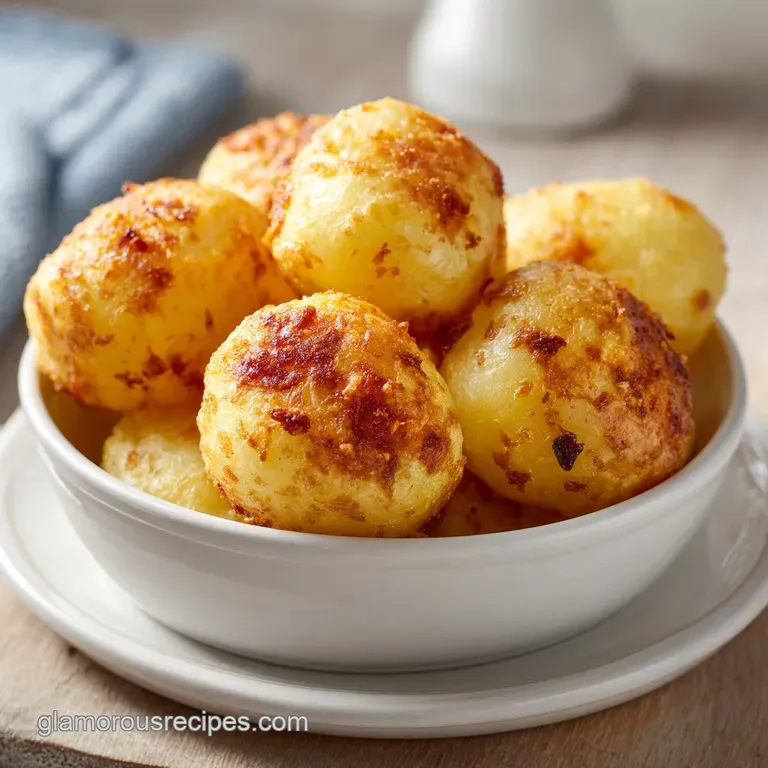
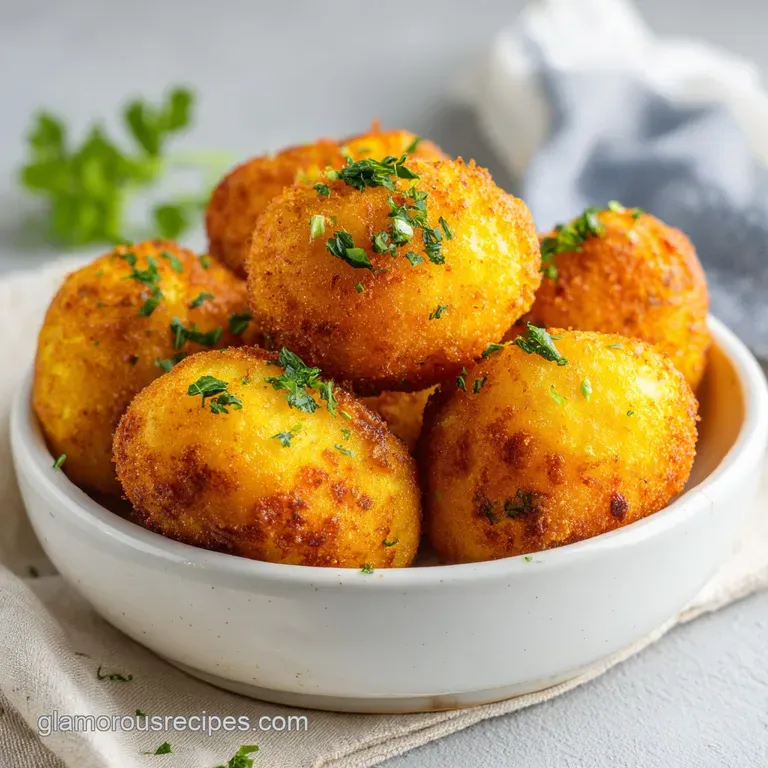
- Flavor/Texture Hook: Velvety potato dough with a mahogany, shattering crust and spiced beef center.
- Perfect for: Adventurous weekend projects, multicultural dinner parties, or impressive freezer meal prep.
- Achieving The Perfect Crispy Stuffed Potatoes
- Essential Recipe Statistics
- Why This Technique Works
- Deep Dive Into Key Ingredients
- Essential Kitchen Gear
- Executing The Frying Method
- Troubleshooting Your Dough Issues
- Global Flavor Modifications
- Optimal Storage Techniques
- The Truth About Potato Frying
- Perfect Side Dish Pairings
- Quick Fix Troubleshooting
- Adjusting for Crowd Size
- Recipe FAQs
- 📝 Recipe Card
Achieving The Perfect Crispy Stuffed Potatoes
The first time I tried to make these, it was a total disaster. The smell of the cumin and garlic was incredible, but as soon as the potato balls hit the oil, they disintegrated into a greasy soup. I realized then that the "hero" of this dish isn't the beef it’s the Russet potato.
This specific tuber is high in starch and low in moisture, which is exactly what we need. If you try to use a waxy potato like a Red Bliss or even a Yukon Gold, the dough becomes a sticky, gummy mess that simply cannot hold the weight of the savory picadillo filling.
The Russet provides that dry, fluffy foundation that, when mixed with just a hint of egg yolk, turns into a workable dough that mimics a soft pastry.
When you peel and quarter those 1.13 kg (2.5 lbs) of Russets, you aren't just prepping a side dish; you're building the walls of a culinary fortress. The aroma of the potatoes boiling in salted water is earthy and honest, but the real magic happens during the steam dry phase.
That brief two minute window where the steam curls off the drained potatoes is the difference between a shell that holds and one that bursts. We want that moisture gone. The result is a velvety texture that manages to be both light and incredibly sturdy.
These Stuffed Potatoes are a multicultural fusion of textures and scents. You have the sharp, vinegary pop of the capers and manzanilla olives clashing beautifully with the warm, heavy notes of ground cumin and dried oregano.
It's a bold global flavor profile that feels like a trip to a Havana street corner or a busy kitchen in Medellín. We're moving past simple comfort food into something more adventurous, where every bite offers a different sensory trigger the sizzle of the oil, the shatter of the cracker meal, and the unctuous, spiced beef hidden inside.
Essential Recipe Statistics
Getting the proportions right is the only way to ensure your balls don't explode or end up hollow. This dish relies on a balance between the weight of the shell and the volume of the filling. If you go too heavy on the beef, the potato won't seal; too little, and you're just eating a very fancy tater tot.
We've optimized these stats to give you the most reliable outcome for 11 generous servings.
Texture vs. Effort Comparison
| Method | Prep Time | Texture Result | Stability |
|---|---|---|---|
| Classic Manual | 60 minutes | Ultra velvety shell | High (less moisture) |
| Food Processor | 45 minutes | Gummy/Sticky dough | Low (bursts easily) |
| Fast Bake Only | 50 minutes | Soft, pale exterior | Medium (no shatter) |
The manual method, specifically using a ricer or food mill, is non negotiable if you want that professional finish. A food processor shears the starch molecules, turning your 1.13 kg of potatoes into a glue like substance.
By hand mashing or ricing, you keep those starch granules intact, creating a crumb that is tender rather than rubbery.
Portion and Serving Calculator
| Servings | Potato Weight | Beef Weight | Best Fryer Size |
|---|---|---|---|
| 5-6 People | 0.57 kg | 0.23 kg | 3 Quart Pot |
| 11 People | 1.13 kg | 0.45 kg | 5 Quart Dutch Oven |
| 22 People | 2.26 kg | 0.90 kg | Large Commercial Fryer |
When scaling this recipe up for a party, remember that the frying oil temperature is your biggest variable. If you drop twelve balls into the oil at once, the temp will plummet from 175°C (350°F) down to 150°C, and your potatoes will absorb oil like a sponge.
Work in small batches of three or four to keep that sizzle aggressive and the crust mahogany.
Why This Technique Works
Success in this dish is all about moisture management and starch gelatinization. We are essentially creating a reinforced starch wall that can withstand the internal pressure of steam as the beef filling heats up during frying.
- Starch Retrogradation: Cooling the mashed potatoes on a sheet pan allows the starch to reorganize into a more stable structure, making the dough easier to handle without adding excessive flour.
- Protein Binding: The single egg yolk provides just enough fat and protein to bind the starch granules together, creating a "short" dough that doesn't become elastic or chewy.
- Evaporative Drying: Simmering the picadillo until the liquid has evaporated prevents the filling from leaking moisture into the potato shell, which is the primary cause of "blowouts" during frying.
- Double Barrier Coating: The flour egg-cracker meal sequence creates a triple layered hull that protects the delicate potato from direct contact with the oil while providing a structural skeleton.
Deep Dive Into Key Ingredients
Every component in this dish has a specific role, from the acidity of the vinegar to the type of breading. Using the right elements ensures the flavors are multicultural and balanced rather than one note.
| Component | Role in Dish | Pro Secret |
|---|---|---|
| Russet Potato | Structural Foundation | Never sub with waxy potatoes; the high starch is what creates the workable dough. |
| Cracker Meal | The "Shatter" Factor | Finer than Panko, it creates a tight, waterproof seal that stays crispy longer. |
| Manzanilla Olives | Acidic Brine Pop | Chop them finely so they distribute their saltiness evenly throughout the beef. |
| Egg Yolk | Emulsified Binder | Using only the yolk (not the white) adds richness without adding excess water to the dough. |
Understanding these ingredients is like knowing the notes in a song. If you use melting potatoes for a different dinner, you'll see how starch behaves differently when roasted versus boiled and fried. For our Stuffed Potatoes, the Russet is the king of the kitchen because of its dry, mealy interior.
Full Ingredient List and Substitutions
- 2.5 lbs (1.13 kg) Russet potatoes: peeled and quartered. Why this? High starch content ensures the dough doesn't become a gummy, sticky mess.
- Substitute: Yukon Gold (Note: Will be much stickier; requires more cooling time).
- 1 lb (0.45 kg) 90/10 lean ground beef: Why this? Lean beef prevents the filling from becoming too greasy, which can split the potato ball.
- Substitute: Ground turkey or plant based crumbles for a lighter version.
- 1 tsp fine sea salt: for the potato water.
- Substitute: Kosher salt (use 1.5 tsp).
- 1 large egg yolk: for the potato dough.
- 0.5 tsp ground white pepper: Why this? Provides a subtle floral heat without the visible black flecks in the pale dough.
- Substitute: Black pepper if you don't mind the aesthetics.
- 1 small yellow onion: finely diced.
- 3 cloves garlic: minced.
- 0.5 green bell pepper: finely diced.
- 0.25 cup tomato sauce: Why this? Adds umami and binds the meat without making it "soupy."
- 2 tbsp pitted green manzanilla olives: chopped.
- 1 tbsp capers: drained.
- 1 tsp ground cumin: the backbone of the aroma.
- 1 tsp dried oregano.
- 1 tbsp red wine vinegar: Why this? Brightens the heavy flavors of beef and starch.
- 1 cup all purpose flour: for dredging.
- 2 large eggs + 1 tbsp water: for the egg wash.
- 1.5 cups fine cracker meal: for the crust.
- 2 cups neutral oil: for frying (Grapeseed or Canola).
Essential Kitchen Gear
You don't need a professional kitchen, but a few specific tools make the difference between a messy afternoon and a successful batch.
- Potato Ricer or Food Mill: This is the most important tool in your arsenal. It forces the potato through small holes, creating the lightest possible mash without overworking the starch.
- Cast Iron Dutch Oven: Great for frying because it holds heat exceptionally well. When you drop a cold potato ball into the oil, the heavy iron prevents the temperature from crashing.
- Digital Thermometer: Crucial for monitoring your oil. You need a steady 175°C (350°F) to get that mahogany color without burning the outside or leaving the inside cold.
- Spider Strainer: This allows you to lift the balls out of the oil gently without piercing the crust, which could cause the filling to leak out.
- Large Sheet Pans: Essential for cooling the potato dough and the filling. Heat is the enemy of structural integrity during the shaping phase.
Executing The Frying Method
This is where the sensory experience peaks. The smell of the onions and peppers sautéing in the pan is the first sign that something special is happening. Listen for the sizzle it should be steady, not violent.
- Boil the potatoes. Place the 1.13 kg of quartered Russets in salted water and boil until fork tender, approximately 15–20 minutes. Note: Overcooking makes them waterlogged, so check them early.
- Steam dry the potatoes. Drain thoroughly and let them sit in the colander for 2 minutes until the visible steam slows down and the surface looks matte.
- Rice and cool. Pass the hot potatoes through a ricer into a bowl. Mix in the egg yolk and white pepper until a smooth, pale dough forms. Spread it thin on a sheet pan to cool quickly.
- Brown the beef. In a large skillet, cook the 0.45 kg of ground beef over medium high heat. Add the onion, garlic, and green pepper, sautéing until the vegetables are translucent and aromatic.
- Build the flavor. Stir in the tomato sauce, olives, capers, cumin, oregano, and vinegar. Simmer until the liquid is completely gone and the mixture looks dry. Let this cool entirely.
- Shape the balls. Scoop a lemon sized portion of potato dough and flatten it. Place 1 tablespoon of beef in the center. The aroma of the warm spices should be pungent here.
- Seal the dough. Fold the potato over the beef, pinching firmly until no seams are visible and the ball is perfectly round.
- The breading sequence. Dredge in flour, dip in the egg wash (2 eggs + 1 tbsp water), then roll in cracker meal until completely and evenly coated.
- The final fry. Heat oil to 175°C (350°F). Fry in batches for 3-5 minutes until the exterior is a deep mahogany and the crust is hard to the touch.
Chef's Tip: If you find the potato dough sticking to your hands, lightly coat your palms with a tiny bit of neutral oil or water. Do not use flour on your hands, as it will dry out the dough and cause it to crack during frying.
Troubleshooting Your Dough Issues
Even with the best intentions, things can go sideways. The most common issues usually stem from temperature or moisture.
Why Your Stuffed Potatoes Burst
This usually happens because the filling was too wet or the oil wasn't hot enough. If the internal steam can't escape through the crust, it will find the weakest point in the potato shell and blow it wide open. Make sure your beef mixture is practically dry before you start stuffing.
Why the Shell is Gummy
If you used a hand mixer or a food processor to mash your potatoes, you've likely overdeveloped the starch. This creates a rubbery texture that feels sticky in the mouth. Always use a ricer or a manual masher to keep those starch molecules happy.
| Problem | Root Cause | Solution |
|---|---|---|
| Balls falling apart in oil | Potato dough was too warm | Chill the shaped balls in the fridge for 20 mins before frying. |
| Filling is cold inside | Oil was too hot | Lower temp to 175°C so the heat has time to penetrate the center. |
| Crust is pale and oily | Oil was too cold | Wait for oil to reach full temp between batches. |
Common Mistakes Checklist
- ✓ Never skip the 2 minute steam dry phase after boiling potatoes.
- ✓ Always let both the potato dough and the beef filling cool completely before assembly.
- ✓ Don't skip the flour dredge; it acts as the glue for the egg wash.
- ✓ Avoid overcrowding the Dutch oven; fry only 3-4 balls at a time.
- ✓ Use a thermometer; "guessing" the oil temp is the fastest way to failure.
Global Flavor Modifications
Once you've mastered the classic Cuban style picadillo, the world is your oyster. This recipe is a fantastic canvas for fusion cooking.
- For a Colombian Style Twist: Add a bit of sazón with achiote to the potato dough for a bright orange hue, and use a hogao (tomato and green onion) base for the beef.
- For a Vegetarian Fusion: Swap the beef for a mixture of sautéed mushrooms, walnuts, and smoked paprika to maintain that deep, earthy umami.
- For an Air Fryer Version: If you want to cut the oil, spray the breaded balls generously with olive oil and air fry at 200°C (400°F) for 12-15 minutes, turning halfway. The crust won't be quite as mahogany, but it will still be crispy.
If you enjoy playing with different potato textures, you might also like scalloped potatoes for a creamier, oven baked experience. The logic of starch behavior remains the same, even if the final dish looks completely different.
Decision Shortcut: Which Version Should You Make? If you want Maximum Crunch, stick to the cracker meal and deep fry in small batches. If you want Healthier Results, use the air fryer method with a light panko coating.
If you want Party Ready Prep, assemble them the day before and fry them fresh when guests arrive.
Optimal Storage Techniques
Leftover Stuffed Potatoes are a gift, but they need proper care to stay velvety and crisp.
- Fridge
- Store in an airtight container for up to 4 days. To reheat, use an oven or air fryer at 180°C (350°F) for 10 minutes. Avoid the microwave, or you'll end up with a soggy shell.
- Freezer
- These freeze beautifully. Place the breaded (but unfried) balls on a tray in the freezer for 2 hours, then transfer to a freezer bag. They will keep for up to 3 months. Fry them directly from frozen, adding 2 minutes to the cook time.
- Zero Waste
- If you have leftover potato dough, roll it into small logs, bread them, and fry them as "croquetas de papa." If you have leftover beef, it’s incredible over rice or tucked into a breakfast omelet.
The Truth About Potato Frying
There are a lot of old wives' tales about frying that just don't hold up to scrutiny. Let's clear some of those up so you can cook with confidence.
"Adding oil to the potato water prevents sticking." This is a myth. All it does is make the potatoes greasy and prevents the salt from penetrating the starch. Just use well salted water.
"You need a gallon of oil to deep fry." Not true. For these balls, you only need enough to submerge them by about an inch. Two cups in a small, heavy pot is often plenty for small batches.
"Potatoes are better if you peel them after boiling." While this works for some salads, for Stuffed Potatoes, we want to peel them first so we can quarter them. This ensures they cook evenly and quickly, which prevents them from absorbing too much water.
Perfect Side Dish Pairings
Because these are so rich and savory, you want something bright and acidic on the side to cut through the starch and fat.
- A Refreshing Contrast: A simple cabbage slaw with lime juice and cilantro is the classic pairing. The crunch of the raw vegetables mimics the shatter of the potato crust.
- The Dipping Sauce: A spicy garlic aioli or a traditional mojo sauce (garlic, citrus, and olive oil) is essential. The acidity in the mojo dances with the cumin in the beef.
- Black Beans and Rice: If you're serving this as a full meal, a side of fluffy white rice and seasoned black beans completes the Caribbean plate.
The aroma of these frying is enough to bring everyone into the kitchen. It’s a scent that signifies a labor of love earthy, spicy, and undeniably inviting. Whether you’re making these for a special occasion or just because you’ve got a 1.13 kg bag of Russets and an afternoon to kill, the result is a handheld masterpiece that celebrates the simple beauty of the potato.
Quick Fix Troubleshooting
| Problem | Cause | Fix |
|---|---|---|
| Surface is cracking during shaping | Dough is too dry | Knead in 1 teaspoon of water or a tiny bit of beaten egg. |
| Ball is flat on one side | Not enough oil | Ensure the ball is fully submerged so it floats freely. |
| Crust falls off after frying | Too much flour dredge | Shake off every bit of excess flour before the egg wash. |
Adjusting for Crowd Size
When you're scaling this up, don't just double everything blindly.
Scaling Down (½ batch): Use a small pot for frying to save oil. Beat one egg and use only half for the wash. Cooking times remain the same.
Scaling Up (2x batch): Spices (cumin, oregano) should be scaled to 1.5x, not 2x, to avoid overpowering the beef. Work in batches of 4 to prevent the oil temperature from dropping too far. Use two separate sheet pans for cooling to maintain the speed of the process.
The "whump" of the beef hitting the skillet and the "hiss" of the potatoes as they hit the oil are the sounds of a kitchen in its prime. This recipe isn't just about feeding people; it's about the sensory journey of turning basic ingredients into something that feels like an event.
Trust the Russets, keep your oil hot, and wait for that mahogany shatter. Happy frying!
1. To Achieve the Smoothest Mash
The texture of the potato dough is the soul of this dish. If you find your mash is lumpy, you didn't cook the potatoes long enough. They should practically fall apart when poked with a fork.
Using the ricer while they are still steaming hot is crucial once they cool, the starch sets, and you'll never get that velvety consistency we're after.
2. To Build Deep Flavor in the Filling
Don't rush the picadillo. The secret is the "sofrito" that mixture of onion, garlic, and bell pepper. Let them sweat until they are sweet and golden. When you add the vinegar and tomato sauce, you're looking for that moment when the sharp acidic smell mellows into a rich, savory aroma.
That's when you know the flavors have fused.
3. To Shape Without the Mess
If the dough is sticking to your hands, don't panic. A light touch is key. Imagine you're handling a delicate piece of jewelry. Press the filling in firmly, but wrap the potato around it gently. If you see a thin spot, just patch it with a tiny bit more dough. It’s very forgiving until it hits the oil!
4. For That Golden Mahogany Finish
The color of your Stuffed Potatoes tells the story of your oil temperature. If they stay pale, they'll taste greasy. You want that deep, dark gold that looks almost like a burnished wood.
That color means the cracker meal has toasted and formed a structural cage that will keep the potato inside soft and fluffy while the outside provides the crunch.

Recipe FAQs
How do you keep papa rellena from falling apart?
Steam dry your potatoes thoroughly after boiling. Removing excess moisture is the secret to a dough that binds properly, and if you enjoyed mastering this precise texture control here, the same logic applies to our Shatter Crisply recipe snacks.
What is papas rellenas in english?
The literal translation is stuffed potatoes. It refers to a traditional dish consisting of mashed potato dough filled with a savory meat mixture, then breaded and fried.
Can you make relleno de papa with instant potatoes?
No, stick with fresh Russet potatoes. Instant varieties lack the starch structure required to form a dough that holds the meat filling during the high heat frying process.
Are papas rellena Cuban?
Yes, they are a staple in Cuban cuisine. While similar stuffed potato dishes exist across Latin America, the specific combination of olives, capers, and tomato sauce is iconic to the Cuban version.
How to ensure the filling stays inside the potato ball?
Simmer your filling until all liquid has evaporated. A dry mixture prevents steam from building up inside the shell, which is the primary cause of bursting during frying.
Is it true you can fry these in a shallow pan?
No, this is a common misconception. You must submerge them in oil heated to 350°F to ensure they cook evenly and achieve the required deep mahogany color without breaking apart.
How to get the perfect exterior crunch?
Dredge thoroughly in cracker meal for the final coating. This creates the most reliable, crispy barrier that protects the soft potato interior while frying in 350°F oil.
Authentic Cuban Papas Rellenas
Ingredients:
Instructions:
Nutrition Facts:
| Calories | 348 kcal |
|---|---|
| Protein | 15.3 g |
| Fat | 12.4 g |
| Carbs | 37.2 g |
| Fiber | 3.1 g |
| Sugar | 1.9 g |
| Sodium | 465 mg |
