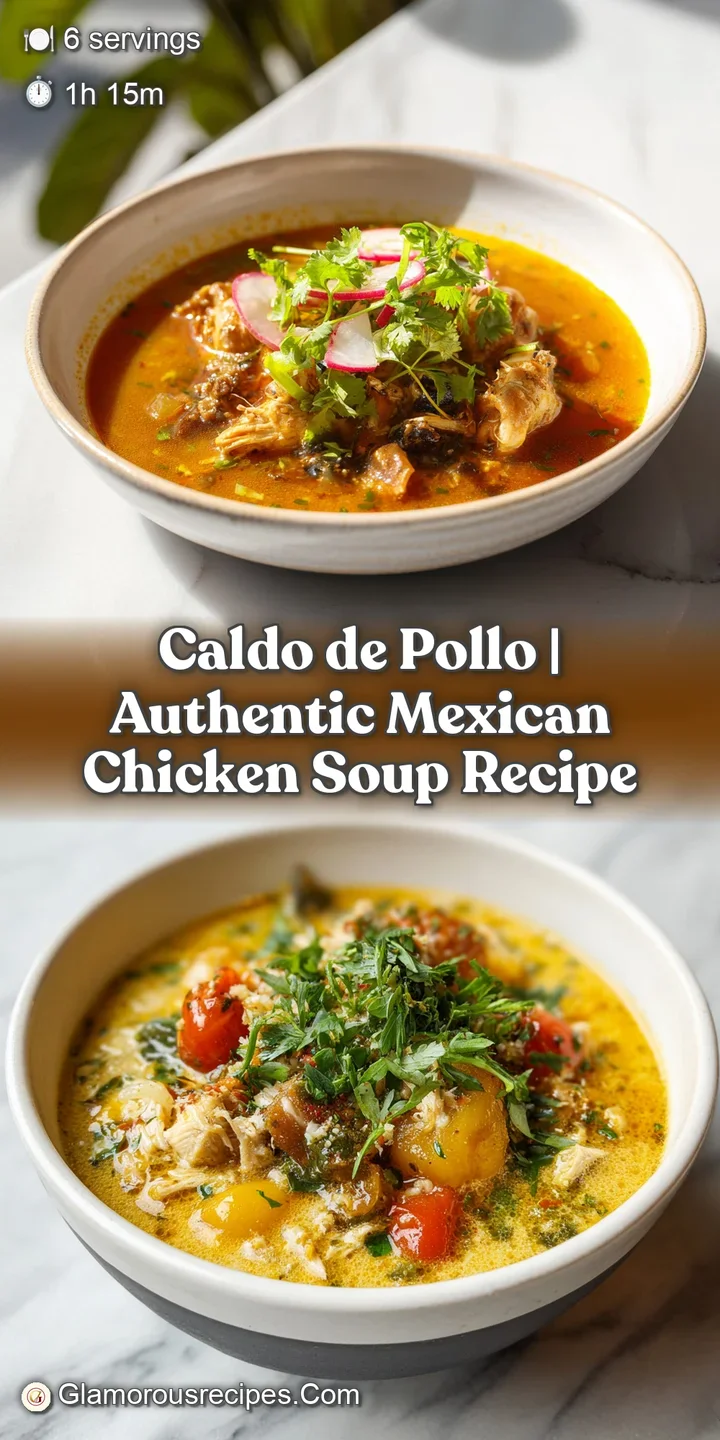
Caldo De Pollo: Authentic Mexican Chicken Soup
- Time: Active 20 minutes, Passive 55 minutes, Total 75 minutes
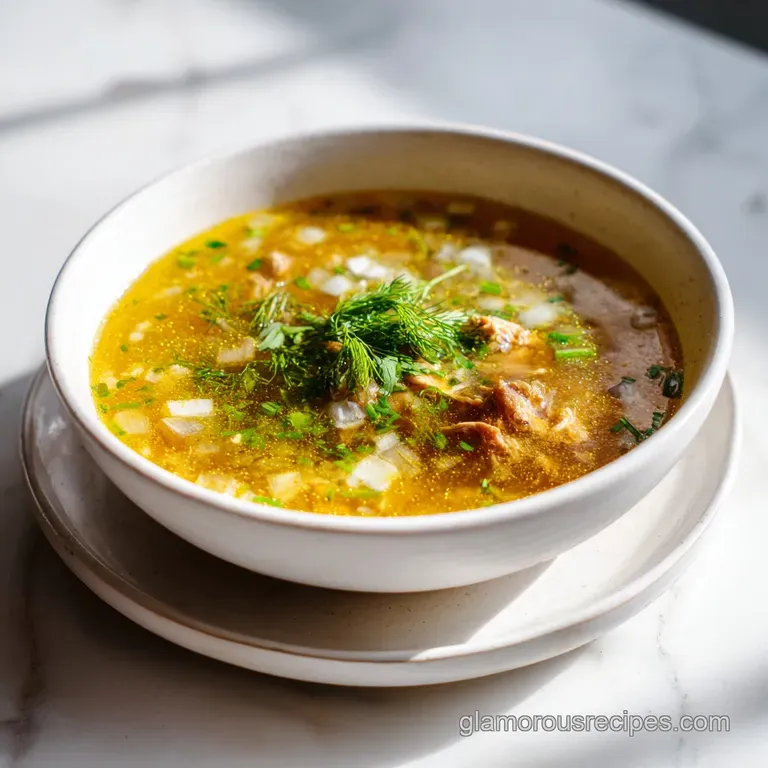
- Flavor/Texture Hook: Silky golden broth with fork tender squash and a zesty lime finish
- Perfect for: Adventurous family dinners or meal prep for a wellness focused week
- Vibrant Authentic Mexican Chicken Soup
- Secrets to Deep Flavor Extraction
- Analyzing Essential Flavor Components
- Essential Tools for Flavor Success
- Constructing the Layered Soup Base
- Correcting Common Texture Problems
- Bold Global Fusion Soup Variations
- Preserving Freshness and Quality
- Adventurous Pairings for Complete Meals
- Culinary Truths and Misconceptions
- Very High in Sodium
- Recipe FAQs
- 📝 Recipe Card
Vibrant Authentic Mexican Chicken Soup
The first time I tried to make a traditional caldo de pollo, I ended up with what I can only describe as "hot chicken tea." It was pale, watery, and lacked that deep, soulful resonance you find in a authentic Mexican chicken soup.
I had committed the ultimate kitchen sin: I rushed the process, used boneless meat, and dumped all my vegetables in at once, turning the zucchini into a sad, gray mush. It was a failure of texture and a total lack of aromatic layering.
But then, I spent an afternoon in a tiny kitchen in Oaxaca watching a friend's grandmother work. There was no "rush." There was only the rhythmic skimming of the broth and the specific scent of fresh mint hitting hot liquid.
I realized that this dish isn't just about boiling protein; it's a culinary story of extraction and timing. You aren't just making a meal; you're building a base that feels like a warm embrace from the inside out.
We are going to fix that watery "dishwater" problem today. We’re moving away from bland, one dimensional liquids and toward a broth that is shimmering, golden, and packed with the essence of bone in chicken.
By the time we’re done, you’ll have a bowl of homemade caldo de pollo that looks like liquid gold and tastes like a multicultural masterclass in flavor.
Secrets to Deep Flavor Extraction
Most people treat their pot like a trash can, just tossing things in and hoping for the best. That’s why their soup tastes like nothing. This Chicken Soup works because it respects the physics of cold to hot transition and the delicate structural integrity of various vegetables.
We aren't just cooking; we're performing a controlled extraction of collagen and minerals.
- Cold Water Start: Beginning with cold filtered water allows the chicken proteins to dissolve slowly, leading to a clearer, more flavorful broth rather than seizing them with heat.
- The Skimming Phase: Removing the gray "scum" or foam in the first ten minutes is the difference between a cloudy, metallic tasting liquid and a pristine, professional grade base.
- Herb Synergy: The combination of cilantro and mint isn't just for garnish; the mint adds a hidden coolness that cuts through the fat of the chicken thighs, creating a balanced profile.
- Staggered Harvest: Vegetables have different densities; by adding carrots and potatoes before zucchini and chayote, we ensure every bite has a "snap" rather than a "squish."
| Method | Total Time | Texture | Best For |
|---|---|---|---|
| Traditional Stovetop | 75 minutes | Clear broth, firm vegetables | Authentic flavor and texture control |
| Instant Pot | 45 minutes | Very tender meat, softer veg | Quick weeknight "set and forget" |
| Slow Cooker | 6 hours | Deeply infused, darker broth | Maximum convenience and rich collagen |
The stovetop method remains the gold standard for this specific recipe because it allows you to be the architect of the texture. You can see the moment the chayote becomes translucent and the exact second the zucchini reaches its peak. If you're looking for another world traveling meal that relies on precise simmering, you might want to try this authentic Chicken Souvlaki for a charred, Mediterranean contrast.
Analyzing Essential Flavor Components
When we talk about the soul of a caldo de pollo recipe, we have to talk about the bone in, skin on thighs and legs. Skin provides the essential lipids that carry flavor, while the bones release gelatin, giving the soup a velvety mouthfeel that boneless breasts simply cannot replicate.
| Ingredient | Science Role | Pro Secret |
|---|---|---|
| Bone in Chicken | Provides gelatin and deep umami | Use drumsticks for the highest bone to meat ratio |
| Chayote Squash | Adds structural "crunch" and sweetness | Keep the skin on if it's tender to maintain shape |
| Fresh Mint | Acts as a flavor brightener and digestive | Tie it in a bundle to remove easily before serving |
| Yukon Gold Potatoes | Releases starch to slightly thicken broth | Do not peel; the skins hold the potato together |
The chayote is a fascinating component. Known in some regions as mirliton, it is technically a fruit but acts like a sturdy, crisp squash. It absorbs the chicken fat beautifully while providing a cooling, watery crunch that contrasts with the earthy sweetness of the carrots.
In my experience, skipping the chayote is what makes a soup feel "generic" rather than truly authentic.
Essential Tools for Flavor Success
You don't need a kitchen full of gadgets, but the right vessel is non negotiable. An 8 quart heavy bottomed stockpot is your best friend here. The heavy base prevents the bottom of the pot from scorching during the initial boil and helps maintain a consistent, gentle simmer.
If the pot is too thin, you’ll find the temperature fluctuates too much, leading to unevenly cooked vegetables.
A fine mesh skimmer is the second most important tool. You could use a spoon, but a skimmer allows you to lift the impurities without losing half of your precious broth. I also recommend a good pair of kitchen shears to cut the corn into rounds and kitchen twine to keep your herbs from scattering like confetti throughout the pot.
Having everything organized before you start is the hallmark of an adventurous home cook.
Constructing the Layered Soup Base
Let's build this Chicken Soup with intention. We are moving through stages of extraction, infusion, and finally, the "harvest" where the vegetables join the party.
- Start cold. Place 3 lbs of bone in, skin on chicken thighs and legs into your pot. Add the halved white onion and 4 cloves of smashed garlic. Pour in 10 cups of cold filtered water and 2 tsp of sea salt. Note: Starting cold ensures the clearest possible liquid.
- Monitor the boil. Bring the pot to a gentle boil over medium high heat. Stay close.
- Perform the skim. Use your fine mesh skimmer to remove the gray foam that rises to the surface. Do this until the surface is clear.
- Introduce aromatics. Reduce heat to low. Add the ear of corn (cut into 4 rounds), the bundle of cilantro, and the 2 sprigs of mint.
- The first simmer. Cover the pot partially. Simmer for 25 minutes until the chicken is tender and the fat begins to shimmer on top.
- Add hearty vegetables. Drop in the 2 large carrots (rounds) and the 2 quartered Yukon Gold potatoes.
- Wait 15 minutes. Simmer until the potatoes are just starting to soften but still have a firm core.
- The delicate finish. Add the sliced chayote squash and the zucchini rounds.
- The final 10-15 minutes. Simmer until the zucchini is vibrant green and the chayote is fork tender.
- Clean the broth. Remove the onion halves and the herb bundle. Serve immediately with a heavy squeeze of lime.
Correcting Common Texture Problems
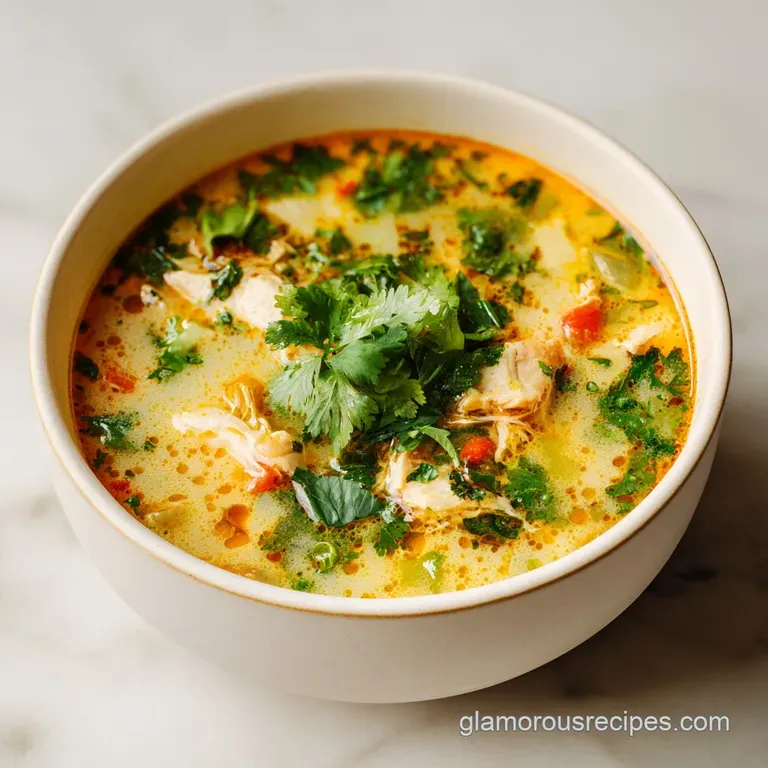
The most frequent heartbreak with caldo de pollo con verduras is the "mush factor." When your vegetables lose their identity and become a singular, soft mass, the adventure is over. Usually, this happens because the pot was boiling too hard. A boil is violent; a simmer is a gentle vibration.
You want the latter.
The Cloudy Broth Trap
If your broth looks like a foggy morning, you likely skipped the skimming or let the soup boil too vigorously. High heat emulsifies the fat and impurities into the water. To fix this next time, keep the heat low enough that only a few bubbles break the surface every second.
If it's already cloudy, it will still taste adventurous, but the visual "shimmer" will be lost.
| Problem | Root Cause | Solution |
|---|---|---|
| Bland liquid | Not enough salt or poor extraction | Add a pinch of salt and a squeeze of lime to finish |
| Rubbery chicken | Boiled too hard for too long | Maintain a low simmer; don't let it reach a hard boil |
| Disintegrating veg | Added too early in the process | Follow the staggered timing; zucchini always goes last |
- ✓ Always use cold water to start your stock for maximum clarity.
- ✓ Skim the foam continuously for the first 10 minutes of boiling.
- ✓ Tie your herbs with twine so they don't disintegrate into the broth.
- ✓ Add acidic elements like lime only at the very end to preserve the bright flavor.
- ✓ Let the soup sit for 5 minutes after turning off the heat to let flavors settle.
Bold Global Fusion Soup Variations
This recipe is a fantastic canvas for multicultural experimentation. While the classic easy mexican chicken soup is unbeatable, you can easily pivot the flavor profile.
If you're feeling a bit more adventurous, you could add a tablespoon of chipotle in adobo for a smoky, spicy kick that turns the golden broth into a deep crimson.
The Smoky Chipotle Twist
Adding chipotle transformed my kitchen into a fusion lab last winter. The heat of the peppers plays beautifully with the cooling mint. I also like to throw in some diced avocado at the very end for a buttery texture that mimics the richness of a caldo de pollo recipe you might find in Mexico City.
Low Carb/Paleo Swap
If you want to skip the potatoes, replace them with extra chayote or even some thick cut radishes. Radishes lose their bite when simmered and take on a texture very similar to a potato but with fewer carbs. For another high protein, veggie packed meal that serves a crowd, you should check out this Broccoli Casserole recipe which uses a similar "staggered" approach to keep the vegetables from getting soggy.
Preserving Freshness and Quality
This soup actually tastes better the next day with one caveat: the vegetables will continue to soften in the residual heat. If you plan on having leftovers, I recommend slightly undercooking the zucchini and chayote. They will reach perfection as the soup cools down.
- Fridge: Store in an airtight container for up to 4 days. The fat will solidify on top; just stir it back in as you reheat.
- Freezer: You can freeze the broth and chicken for up to 3 months. However, I suggest removing the zucchini and potatoes before freezing, as their texture becomes grainy upon thawing. Just add fresh veg when you reheat!
- Zero Waste: Don't throw away the onion halves you removed! Chop them up and sauté them for a base in your next rice dish. The chicken bones can be boiled one more time with water and salt to make a "remouillage" (a second, weaker stock) for cooking grains.
Adventurous Pairings for Complete Meals
To truly round out this homemade caldo de pollo, you need contrast. The soup is warm and silky, so you need something crunchy and bright. I always serve this with a side of warm corn tortillas and a small bowl of chopped raw onions and serrano peppers.
The sharp bite of the raw onion against the velvety broth is a multicultural sensation.
If you want to turn this into a larger feast, consider serving it alongside a simple red rice or even a fresh cabbage slaw with a vinegar dressing. The acidity of the lime in the soup craves a companion that is either starchy or crunchy.
Avoid anything too "creamy" or "heavy," as it will mask the delicate aromatics of the mint and cilantro we worked so hard to extract.
There's something magical about a bowl of Chicken Soup that has been treated with respect. It’s not just a "quick fix" for a cold; it’s a vibrant, adventurous meal that proves that simple ingredients, when layered correctly, can create something truly multicultural and extraordinary.
Trust the process, watch the simmer, and don't forget that final squeeze of lime!
Culinary Truths and Misconceptions
One common myth is that you must sear the chicken before adding water to "lock in juices." In the world of soup making, this isn't true. Searing creates a Maillard reaction on the surface, which is great for stews, but for a clean, vibrant caldo de pollo, you want the pure essence of the chicken.
Boiling the chicken from raw in cold water allows for a better exchange of flavor between the meat and the liquid.
Another misconception is that more ingredients equal more flavor. In reality, adding too many aromatics can muddle the broth. Stick to the onion, garlic, and the mint cilantro bundle. This keeps the profile sharp and recognizable.
This is the difference between a "powerhouse" of random flavors and a sophisticated, layered dish that tells a specific culinary story. Every ingredient in this pot has a job to do; if it isn't adding to the texture or the aromatics, it doesn't belong.
Very High in Sodium
895 mg 895 mg of sodium per serving (39% 39% of daily value)
The American Heart Association recommends a limit of 2,300 mg per day, with an ideal limit of 1,500 mg for most adults.
Tips to Reduce Sodium
-
Reduce Added Salt-25%
Reduce the 2 tsp of sea salt to 1/2 tsp. This is the primary source of sodium in this recipe and a significant reduction can be achieved here.
-
Boost Herbs and Spices
Emphasize the use of fresh herbs like cilantro and mint, along with aromatics like garlic and onion. You can also add black pepper, chili flakes, or other no-sodium spices to enhance flavor.
-
Enhance with Lime-5%
Utilize the lime wedges more generously. The acidity from the lime juice can brighten flavors and make dishes taste more vibrant, reducing the perceived need for salt.
Recipe FAQs
What are the essential ingredients for caldo de pollo?
Use bone-in, skin-on chicken thighs and legs as the base along with one halved white onion, four smashed garlic cloves, 10 cups of cold filtered water, and two teaspoons of sea salt.
For the vegetable and herb profile, you need carrots, Yukon Gold potatoes, chayote squash, zucchini, corn rounds, fresh cilantro, mint sprigs, and lime wedges.
Is chicken soup the same as caldo de pollo?
No, there is a distinct difference in profile and technique. While generic chicken soup is often a broad term for any broth based dish, authentic caldo de pollo focuses on specific extraction methods like skimming impurities to achieve a clear, golden broth and incorporating regional aromatics like
fresh mint and chayote.
What exactly is caldo de pollo?
It is a traditional, slow simmered chicken soup characterized by a clear, golden broth and staggered vegetable additions. The flavor is built by extracting essence from bone-in chicken and aromatic herbs, rather than relying on heavy seasonings or thickeners.
How to prepare caldo de pollo for someone feeling under the weather?
Start by simmering the chicken, garlic, and onion to create a nutrient dense base. Once the chicken is tender, carefully skim away all grey foam from the surface to ensure the liquid remains light and digestible.
Adding the potatoes and carrots later in the process ensures the vegetables provide gentle, easy-to-eat sustenance while retaining their integrity.
How to prevent the vegetables from becoming mushy?
Add your vegetables in stages according to their density. Begin with carrots and potatoes, then introduce softer items like zucchini and chayote only in the final 10 15 minutes of simmering. If you enjoyed mastering the texture control of these vegetables, you can apply similar timing logic to other stews and braises.
How to ensure the broth stays clear rather than cloudy?
Maintain a gentle simmer rather than a rolling boil once the initial surface impurities have been skimmed off. Keeping the heat low prevents the fat and proteins from emulsifying into the liquid, which is the primary cause of a murky, cloudy appearance.
How to store leftovers properly?
Cool the soup quickly and store it in airtight containers in the refrigerator. Remove the cilantro and mint bundle before cooling to keep the flavor profile fresh.
It can be reheated gently on the stovetop within a few days, ensuring the chicken and vegetables are brought back to temperature without overcooking.
Authentic Caldo De Pollo
Ingredients:
Instructions:
Nutrition Facts:
| Calories | 438 kcal |
|---|---|
| Protein | 41.3 g |
| Fat | 19.2 g |
| Carbs | 24.6 g |
| Fiber | 4.8 g |
| Sugar | 6.1 g |
| Sodium | 895 mg |
