Whole 30 Recipe with Roasted Chicken
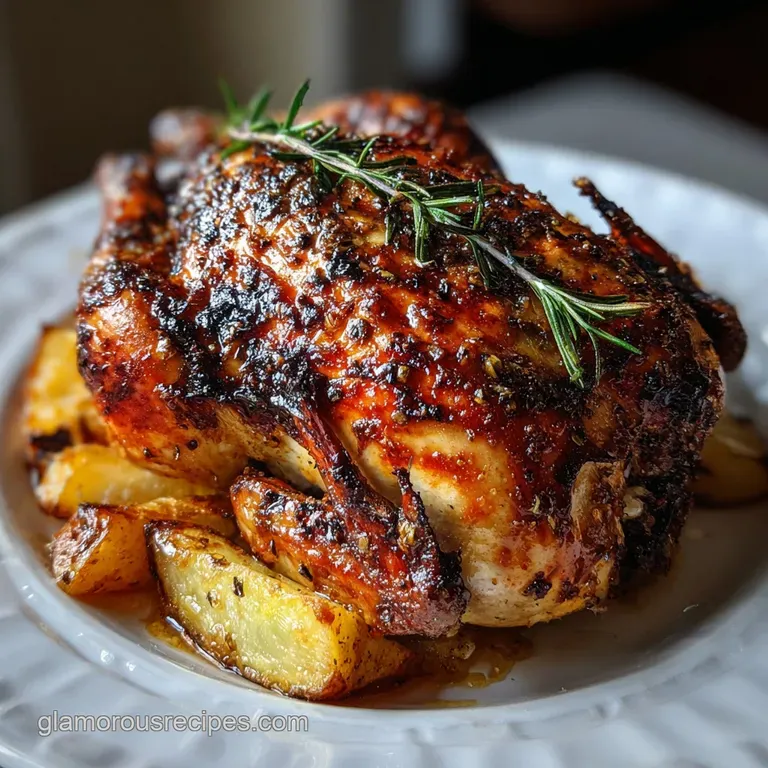
- Time: Active 20 minutes, Passive 1 hours 15 mins, Total 1 hours 35 mins
- Flavor/Texture Hook: Shatter crisp skin with a velvety, lemon infused herb finish
- Perfect for: Sunday dinners, weekly meal prep, or a nourishing family gathering
- Making the Most Succulent Whole 30 Recipe with Roasted Chicken
- Essential Metrics for Your Whole 30 Recipe Success
- Component Deep Dive into Fresh Produce and Poultry
- Essential Gear for Achieving the Perfect Golden Roast
- Mastering the Step-by-Step Roasted Chicken Cooking Process
- Navigating Culinary Pitfalls to Ensure a Juicy Result
- Tailoring the Ingredients for Specific Dietary Preferences
- Preserving Leftovers and Reducing Your Kitchen Waste
- Creative Ways to Serve Your Golden Roasted Chicken
- Debunking Common Roasting Superstitions
- Scaling Your Roast for Larger Crowds
- Critical Sodium Level (🚨)
- Recipe FAQs
- 📝 Recipe Card
Right then, let's talk about the absolute king of comfort food. There is nothing and I mean nothing quite like the aroma of a bird roasting in the oven on a Sunday afternoon.
It’s a scent that pulls me right back to my grandmother’s kitchen in Georgia, where the air was always thick with the smell of rosemary and rendered fat. When I first started my health journey, I was terrified that a Whole 30 Recipe with Roasted Chicken would be bland or dry, but I quickly learned that without the crutch of sugar filled marinades, the natural flavor of the poultry actually gets a chance to shine.
This isn't just a basic roast; it’s a lesson in how simple ingredients like garlic, lemon, and ghee can transform a standard 4.5 lb whole chicken into something sacred. We’ve all been there pulling a bird out of the oven only to find the skin is rubbery and the breast meat has the texture of a bath sponge.
It’s heartbreaking, honestly. But through a lot of trial and error in my own kitchen, I’ve found the trick to getting that "shatter crisp" skin every single time while keeping the inside so juicy it practically melts.
We’re going to focus on the contrast between the rich, nutty notes of the ghee and the bright, sharp acidity of the lemon. You’ll see how the carrots and onions at the bottom of the pan don’t just sit there they catch every drop of liquid gold that falls from the bird, turning into the most tender, flavorful side dish you've ever tasted.
Trust me on this: once you master this method, you’ll never look at a store-bought rotisserie chicken the same way again.
Making the Most Succulent Whole 30 Recipe with Roasted Chicken
The secret to this Whole 30 Recipe with Roasted Chicken isn't hidden in a fancy spice blend; it's all about moisture management and heat distribution. By using a Dutch oven or a heavy cast iron skillet, we create an environment where the heat is consistent, allowing the bird to cook evenly without drying out.
The Science of Why it Works
Protein Denaturation: As the heat rises, the coiled proteins in the chicken uncoil and then coagulate, while the high heat triggers the Maillard reaction, a chemical fusion between amino acids and reducing sugars that creates that deep brown, savory crust.
Collagen also begins to melt into silky gelatin at around 71°C, providing that velvety mouthfeel we love.
- Surface Dryness: Moisture is the enemy of a crisp crust. When you pat the skin dry, you ensure the oven's energy goes into browning the skin immediately rather than evaporating surface water first.
- Fat Conductivity: Ghee has a higher smoke point than butter, meaning it can withstand the 220°C initial blast without burning, acting as a perfect conductor for heat.
- Aromatic Steaming: Placing the lemon and garlic inside the cavity creates an internal sauna. This ensures the breast meat stays hydrated from the inside out while the skin crisps from the outside in.
- Carryover Cooking: Removing the bird at 74°C is vital because the internal temperature will continue to rise about 5 degrees while resting, preventing the fibers from over tightening.
If you are looking for more inspiration for your weekly rotation, this method is quite similar to what I use for my Healthy Dinner Recipe, which focuses on maximizing the natural sugars in root vegetables through slow roasting.
Essential Metrics for Your Whole 30 Recipe Success
| Ingredient Component | Science Role | Pro Secret |
|---|---|---|
| Whole Chicken (2 kg) | Structural Protein | Air dry in the fridge for 2 hours uncovered for maximum skin "shatter." |
| Ghee (45 ml) | Heat Conductor | Rub it under the skin as well as over it to baste the meat directly. |
| Kosher Salt (15 g) | Moisture Drawer | Use coarse flakes to create tiny pockets of flavor and draw out surface water. |
| Fresh Rosemary/Sage | Volatile Aromatics | Bruise the leaves before chopping to release the essential oils faster. |
Roasting a whole bird is often seen as a daunting task, but it’s actually one of the most forgiving ways to cook if you respect the resting time. I used to be so impatient, cutting into the meat the second it hit the cutting board, only to watch all that lovely juice run away.
Now, I let it sit for at least 15 minutes. It’s the difference between a dry meal and a velvety one.
Component Deep Dive into Fresh Produce and Poultry
To get the best results, every ingredient in this Whole 30 Recipe with Roasted Chicken needs to be high-quality. We aren't hiding behind heavy sauces, so the freshness of your herbs and the quality of your bird are the stars of the show.
- 4.5 lb Whole Chicken: Look for an organic or pasture raised bird if your budget allows. Why this? Higher fat content in the skin leads to better browning and more flavor.
- 3 tbsp Ghee: This is just clarified butter with the milk solids removed. Why this? It provides a rich, nutty flavor while remaining 100% Whole 30 compliant.
- 1 tbsp Kosher Salt: Don't use fine table salt here. Why this? The larger grains allow for better coverage without over salting the meat.
- 1 tsp Cracked Black Pepper: Freshly cracked is non negotiable for that punchy heat.
- 2 tbsp Fresh Herbs: A mix of rosemary, sage, and thyme. Why this? These "woody" herbs hold up to high heat without turning bitter.
- 2 Large Carrots: Thickly sliced into rounds.
- 1 Head of Garlic: Halved crosswise to expose all the cloves.
- 1 Large Lemon: Halved; one half for the cavity and one for the pan.
- 1 Yellow Onion: Quartered to provide a sweet, aromatic base for the juices.
| Original Ingredient | Substitute | Why It Works |
|---|---|---|
| Ghee (3 tbsp) | Duck Fat (3 tbsp) | Incredible flavor profile. Note: Gives an even richer, more "French bistro" vibe. |
| Fresh Rosemary | Dried Oregano (1 tsp) | Earthy and savory. Note: Use much less as dried herbs are concentrated. |
| Yellow Onion | Shallots (4 large) | Provides a more delicate, garlicky sweetness to the pan drippings. |
If you find yourself with leftovers, you can easily shred the remaining meat to use in The Chicken Salad Recipe for a quick, compliant lunch the next day. It’s one of those "work once, eat twice" secrets I live by.
Essential Gear for Achieving the Perfect Golden Roast
You don't need a kitchen full of gadgets, but a few heavy duty items will make your life much easier. I personally swear by a large Dutch oven (like a Le Creuset or Lodge) because the high sides prevent grease from splattering all over your oven while reflecting heat back onto the bird.
If you don't have a Dutch oven, a heavy 30 cm cast iron skillet will work beautifully. You just want something with "thermal mass" that’s a fancy way of saying the pan stays hot even when you put a cold chicken in it. You'll also need a sharp chef's knife for carving and a reliable meat thermometer.
Please, don't guess when it comes to poultry. A digital probe thermometer is the only way to be 100% sure you aren't serving "chicken sashimi" or, worse, a dry desert bird.
Chef's Tip: Freeze your ghee for 10 minutes before rubbing it on the bird. It makes it easier to tuck small "plugs" of fat under the skin near the breasts, which acts as a self basting mechanism.
Mastering the step-by-step Roasted Chicken Cooking Process
- Prep the oven. Preheat your oven to 220°C. Note: Starting hot helps render the fat quickly for crispy skin.
- Dry the poultry. Use paper towels to pat the 4.5 lb chicken until it is bone dry. Note: Any moisture left on the skin will steam rather than crisp.
- Season the bird. Liberally apply 1 tbsp kosher salt and 1 tsp black pepper inside the cavity and all over the skin.
- Prepare the aromatics. Stuff the cavity with 1/2 of the lemon, 1/2 of the garlic head, and a sprig of the fresh herbs.
- Apply the fat. Rub 3 tbsp ghee over the entire exterior, ensuring you get into the nooks of the wings and legs.
- Arrange the base. Place the thickly sliced carrots, quartered yellow onion, and the remaining garlic and lemon in the bottom of a Dutch oven.
- Position the chicken. Place the bird breast side up on top of the vegetables. Note: The vegetables act as a natural roasting rack.
- Initial roast. Slide into the oven and roast for 15 minutes at 220°C until the skin begins to sizzle and turn pale gold.
- Finish cooking. Reduce the heat to 190°C and continue roasting for 1 hours until the internal temperature hits 74°C and the juices run clear.
- Rest the meat. Transfer the bird to a board and let it rest for 15 minutes until the juices have redistributed into the fibers.
| Fresh Whole Chicken | Pre cooked Rotisserie | Why Fresh Wins |
|---|---|---|
| Customizable seasoning | Often contains sugar/dextrose | You control every mg of salt and herb. |
| Rendered fat for veg | No pan drippings | The carrots roasted in chicken fat are a delicacy. |
| Perfect skin texture | Skin is usually soggy | You can achieve a "shatter crisp" finish at home. |
Navigating Culinary Pitfalls to Ensure a Juicy Result
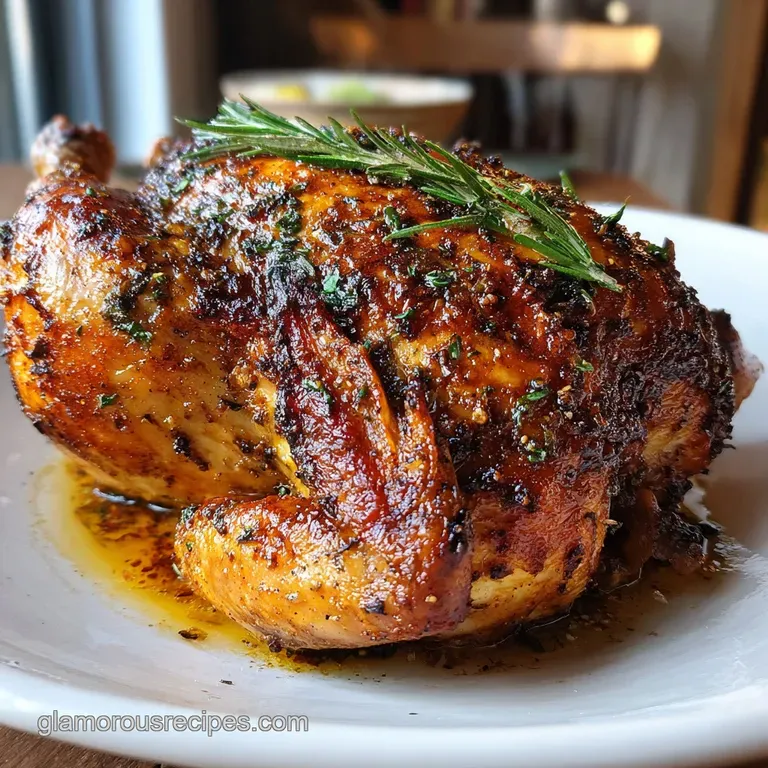
The biggest heartbreak is a bird that looks great on the outside but is raw at the joint or dry at the breast. This usually happens because of uneven heat or rushing the process.
Preventing Common Soggy Skin Issues
If your skin isn't crisping, it’s likely because the oven isn't hot enough or you didn't dry the bird thoroughly. Another culprit is basting. While it sounds traditional, pouring liquid over the skin during roasting actually re hydrates it, preventing it from getting that flaky, brittle texture we want.
Fixing Rubbery Wing Tips
Sometimes the extremities cook too fast and become tough. If you notice the wings or legs browning too quickly, simply tuck them closer to the body or cover those specific spots with a tiny bit of foil. This acts as a heat shield while the thicker parts of the bird catch up.
| Problem | Root Cause | Solution |
|---|---|---|
| Skin is soft/pale | Oven temp too low | Increase heat to 220°C for the final 10 mins. |
| Meat is stringy | Overcooked | Use a thermometer; pull at 74°C internal. |
| Veggies are burnt | Cut too thin | Slice carrots at least 2cm thick to survive the heat. |
Tailoring the Ingredients for Specific Dietary Preferences
While this is a Whole 30 Recipe with Roasted Chicken, you might have other needs in your household. The beauty of a roast is its versatility.
- For AIP (Autoimmune Protocol): Omit the black pepper and use extra herbs like oregano or marjoram for flavor. Ensure your ghee is well tolerated or swap for lard or duck fat.
- For Low FODMAP: Omit the onion and garlic. Stuff the cavity with extra lemon and the green tops of spring onions. Use ginger slices for a different but lovely aromatic punch.
- For a Spicier Kick: If you aren't worried about the "classic" profile, add a teaspoon of compliant dried chili flakes to your salt rub.
If you are looking for a completely different flavor profile that still uses these healthy principles, you might enjoy my Weeknight Recipes which use bold spices to create a similar roasted effect in half the time.
Decision Shortcut: If you want maximum flavor depth, use duck fat instead of ghee. If you want extra tender meat, dry brine the chicken with salt 24 hours in advance.
If you want crispier skin, leave the chicken uncovered in the fridge overnight.
Preserving Leftovers and Reducing Your Kitchen Waste
Don't you dare throw that carcass away! The bones from a roasted bird are a gold mine of flavor and collagen.
Storage Guidelines:Fridge: Store carved meat in an airtight container for up to 4 days. Keep the skin as dry as possible, though it will naturally lose its crunch. Freezer: Shred the meat and freeze in portions for up to 3 months.
This is perfect for quick soups or salads later.
Zero Waste Tips: Take the leftover bones, the ends of your carrots, and the onion skins, and throw them into a pot with water and a splash of apple cider vinegar. Simmer for 12 hours to create a rich, golden bone broth. It’s essentially free liquid gold.
You can also use the leftover schmaltz (rendered fat) from the bottom of the pan to sauté kale or spinach the next morning for breakfast.
Creative Ways to Serve Your Golden Roasted Chicken
When it comes to serving, I like to keep it simple and rustic. Carve the bird right at the table it brings everyone together and makes the meal feel like an event. I usually plate the chicken on a large platter surrounded by those schmaltz roasted carrots and onions.
A bright, acidic side dish is the perfect contrast to the richness of the ghee. A simple arugula salad with lemon juice and olive oil works wonders. Or, if you want something heartier, serve it alongside some cauliflower mash. For those who aren't on a strict protocol, this chicken is the "soulmate" of a Crockpot Chicken and Stuffing recipe, providing that traditional Sunday feel that we all crave.
Debunking Common Roasting Superstitions
There is a lot of "old wives' tale" advice out there that can actually ruin your bird. Let's set the record straight so you can cook with confidence.
Myth: You must wash the chicken before roasting. Truth: Please, don't do this! Washing raw poultry splashes bacteria all over your sink and counters. The high heat of the oven (220°C) is more than enough to kill any surface pathogens.
Plus, a wet bird will never, ever get crispy skin.
Myth: Basting makes the chicken juicier. Truth: Basting only affects the surface. It does nothing for the internal moisture of the meat but it does guarantee the skin will be soft and soggy. For juicy meat, focus on not overcooking it and letting it rest properly.
Myth: Searing meat "seals in" the juices. Truth: Moisture loss happens regardless of a sear. The reason we start the chicken at a high heat is purely for the Maillard reaction the browning of the skin which creates flavor, not a moisture barrier.
Scaling Your Roast for Larger Crowds
If you’re hosting a big family dinner, you might need more than one bird. Here is how to handle the math without losing your mind.
- Scaling Up (2 Birds): If you are roasting two chickens at once, make sure there is at least 5 cm of space between them in the oven so the air can circulate. You may need to increase the total cook time by about 15-20 minutes, and I recommend rotating the pans halfway through to ensure even browning. Keep the spices at 1.5x rather than doubling them to avoid over salting the pan drippings.
- Scaling Down: You can’t really "scale down" a whole chicken, but you can use this exact same method for a 1.5 kg bird or even Cornish hens. For smaller birds, reduce the roasting time at 190°C by about 20 minutes, but always rely on that internal thermometer reaching 74°C.
Whether you're making this for a quiet night in or a big Sunday feast, this Whole 30 Recipe with Roasted Chicken is a testament to the power of simple, honest cooking. It’s about the sizzle in the pan, the golden hue of the skin, and the joy of sharing a meal that makes everyone feel at home. Happy roasting!
Critical Sodium Level (🚨)
1380 mg 1380 mg of sodium (60% 60% of daily value)
The American Heart Association recommends limiting sodium intake to about 2,300mg per day for overall cardiovascular health.
Sodium Reduction Strategies for Your Roasted Chicken Recipe
-
Reduce Salt-25%
Significantly reduce or eliminate the 1 tbsp kosher salt. Start with 1/2 teaspoon and adjust to taste after cooking. You can always add more salt, but you can't take it away.
-
Lemon Enhancement-10%
Increase the lemon flavor by zesting the lemon before halving it. Lemon zest will enhance the flavor, potentially reducing the need for salt.
-
Onion Caramelization-10%
Caramelize the onions before adding them to the chicken. This will bring out their natural sweetness, and potentially reduce the need for salt.
-
Garlic Boost-5%
Roast the garlic separately until soft and mellow, then add it to the chicken during the last 30 minutes of roasting. Roasted garlic has a richer flavor and can help reduce the dependence on salt.
-
Herb Infusion
Maximize the flavor from your fresh herbs (rosemary, sage, and thyme) by rubbing them directly onto the chicken skin and inside the cavity. Consider adding other herbs like oregano or marjoram.
Recipe FAQs
Can I use butter instead of ghee for this Whole 30 roasted chicken recipe?
No, stick with ghee or duck fat. Ghee has a higher smoke point than butter, preventing it from burning at the initial high heat required for crispy skin. Duck fat is also an excellent, compliant substitute for a richer flavor.
How do I prevent the roasted chicken skin from becoming soggy?
Ensure the chicken skin is completely dry before roasting. Pat it thoroughly with paper towels, and for maximum crispness, consider air-drying it uncovered in the refrigerator overnight. Avoid basting during the cooking process, as this rehydrates the skin.
What is the best temperature to roast the chicken?
Start hot, then reduce the heat. Begin roasting at 220°C (425°F) for 15 minutes to render the fat and crisp the skin, then reduce the temperature to 190°C (375°F) for the remainder of the cooking time.
How can I tell when the roasted chicken is fully cooked?
Use a meat thermometer. Insert it into the thickest part of the thigh without touching the bone; the temperature should read 74°C (165°F). The juices should also run clear when the meat is pierced.
Why is resting the chicken important after roasting?
Resting allows juices to redistribute. If you cut into the chicken immediately, the flavorful juices will escape, leaving the meat dry. Letting it rest for at least 15 minutes ensures maximum moisture and tenderness.
What are good Whole 30 compliant sides for roasted chicken?
Roast vegetables are ideal. The carrots and onions roasted in the pan with the chicken are delicious. For more ideas, try a simple salad with lemon vinaigrette or explore dishes like our Daniel Fast Food Recipe with Roasted Vegetables | 40 Min.
Can I use this roasting technique for other poultry?
Yes, this method works well for smaller birds too. You can apply the same principles to Cornish hens or even larger chickens, adjusting the cooking time based on their size. Always rely on a thermometer to confirm doneness.
Whole 30 Roasted Chicken
Ingredients:
Instructions:
Nutrition Facts:
| Calories | 603 kcal |
|---|---|
| Protein | 56.7 g |
| Fat | 37.3 g |
| Carbs | 10.8 g |
| Fiber | 2.6 g |
| Sugar | 3.9 g |
| Sodium | 1380 mg |
