Valentines Day Cupcakes: Velvety & Vanilla
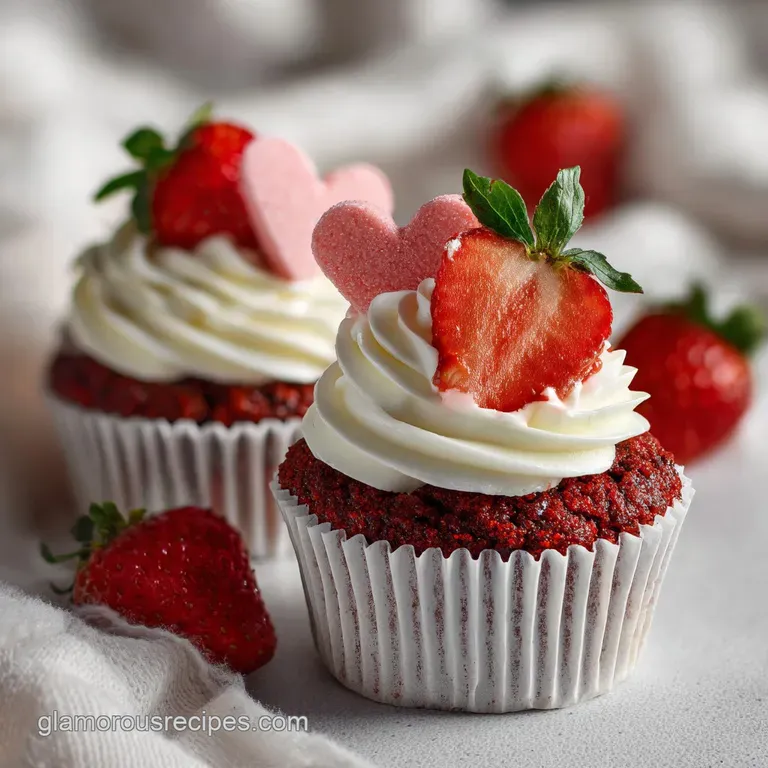
- Time: Active 25 minutes, Passive 20 minutes, Total 45 minutes
- Flavor/Texture Hook: Velvety crumb with a buttery, vanilla bean finish
- Perfect for: Romantic dinners, artisan bake sales, or beginner friendly holiday gifting
- Artisan Methods for Perfect Valentines Day Cupcakes
- The Chemistry of Acidic Cocoa Reactions
- Component Analysis for High Quality Pastry
- The Elements Needed for This Recipe
- The Tools Required for Professional Results
- Detailed Steps for Crafting Artisan Cakes
- Fixing Sunk Centers and Curdled Creams
- Gourmet Twists on Traditional Red Velvet
- Preserving Texture and Reducing Kitchen Waste
- Professional Plating for Three Experience Levels
- Valentine's Day Cupcakes FAQ
- 📝 Recipe Card
Artisan Methods for Perfect Valentines Day Cupcakes
The moment you pull these from the oven, the aroma of warm vanilla and a faint whisper of cocoa fills the room, making it impossible not to hover by the cooling rack. I remember the first time I got this recipe right; I had spent years dealing with "red" cupcakes that tasted like dry bread and food coloring.
Then, I heard that specific sizzle of the vinegar hitting the baking soda in the batter, and I knew the texture was going to be different. The result was a crumb so tender it practically dissolved, paired with a frosting that felt like a cloud.
If you have ever been disappointed by a box mix or a dry bakery version, this is your turning point. We are moving away from heavy, oily sponges and toward something sophisticated. We're talking about a cupcake that has enough structure to hold a massive swirl of buttercream but enough moisture to stay fresh for days.
This isn't just about making something red; it's about the artisan balance of acidity and fat that creates a truly professional mouthfeel.
In this guide, we will walk through the precision needed to avoid the common pitfalls of sunken centers or grainy frosting. Whether you are looking for valentine's day cupcake recipes that impress a partner or just want a reliable treat for the office, the secret lies in the temperature of your ingredients.
Trust me, once you see that velvety texture under the light, you will never go back to the basic methods. It’s about the craft, the precision, and that gorgeous, deep crimson hue.
The Chemistry of Acidic Cocoa Reactions
The Secret to the Velvety CrumbAnthocyanin Activation: The natural acids in buttermilk and vinegar react with the cocoa powder, breaking down gluten strands to create a texture that is exceptionally soft rather than chewy.
This specific pH shift also helps stabilize the red gel coloring, ensuring the hue remains vibrant throughout the bake.
Carbon Dioxide Surge: When the vinegar meets the baking soda in the final stage of mixing, it creates an immediate burst of leavening. This lift happens quickly, which is why we bake these immediately to trap those bubbles before they escape the batter.
| Thickness | Internal Temp | Rest Time | Visual Cue |
|---|---|---|---|
| 3.5 cm (Standard) | 98°C | 10 minutes | Top springs back when touched |
| 4.5 cm (Jumbo) | 98°C | 15 minutes | Skewer comes out with dry crumbs |
| 2 cm (Mini) | 96°C | 5 minutes | Edges pull away slightly from liner |
Getting the temperature right is just as important as the ingredients themselves. If you are planning a full spread, these cupcakes pair beautifully with a lighter Valentine's Sweets recipe to balance the richness of the buttercream.
Component Analysis for high-quality Pastry
| Ingredient | Science Role | Pro Secret |
|---|---|---|
| Buttermilk (180ml) | Acidic Tenderizer | Use full fat for the most tender crumb and a tangier flavor profile. |
| Unsalted Butter (115g) | Flavor & Structure | Cream for exactly 3 minutes to trap micro bubbles for a lighter lift. |
| Red Gel Color (1.5 tsp) | Pigment Stability | Use gel, not liquid, to avoid throwing off the moisture ratio of the batter. |
| Baking Soda (0.5 tsp) | Leavening Agent | Ensure it is fresh; old soda won't react with the vinegar properly. |
The Elements Needed for This Recipe
For the base, you will need 190g of all purpose flour, 150g of granulated sugar, and 7g of unsweetened cocoa powder. Don't forget the 0.5 tsp of baking soda and 0.5 tsp of salt to balance the sweetness.
The liquid gold of this recipe consists of 180ml of room temperature buttermilk, 115g of softened unsalted butter, and 1 large room temperature egg. Finish the batter with 1 tsp of white distilled vinegar, 1 tsp of pure vanilla extract, and 1.5 tsp of red gel food coloring.
For that silky vanilla bean buttercream, grab 225g of softened unsalted butter and 420g of sifted confectioners' sugar. You will also need 30ml of heavy cream to adjust the consistency, 1 tsp of vanilla bean paste for those beautiful black flecks, and a pinch of fine sea salt to cut through the sugar.
| Original Ingredient | Substitute | Why It Works |
|---|---|---|
| Buttermilk (180ml) | 170ml Milk + 10ml Lemon juice | Mimics the acidity needed to react with the soda. Note: Let sit for 10 minutes first. |
| Vanilla Bean Paste | Pure Vanilla Extract | Provides the same flavor profile without the visual bean flecks. |
| All purpose flour | Cake Flour | Creates an even finer, tighter crumb but might be slightly less sturdy. |
The Tools Required for Professional Results
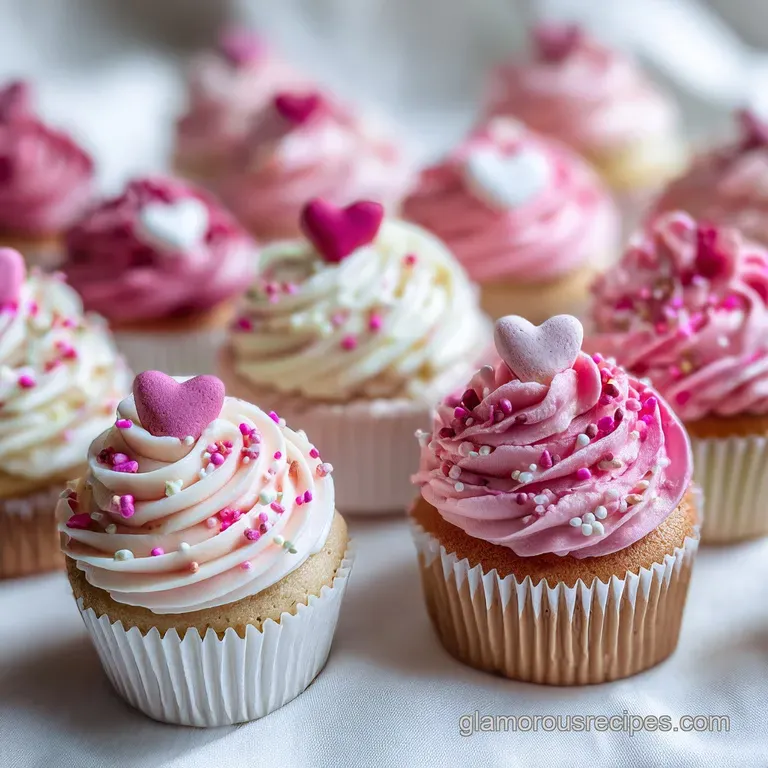
You cannot achieve artisan results without the right gear. A standard 12 cup muffin tin is essential, but the liners matter too; grease proof liners prevent the oil from the butter from soaking through and ruining the aesthetic.
A stand mixer, such as a KitchenAid, is the best way to get enough air into the butter during the creaming stage. If you are using a hand mixer, you will need to increase your mixing time by about 2 minutes to achieve the same aeration.
Precision is key, so a digital kitchen scale is non negotiable for measuring that 190g of flour. Measuring by volume (cups) is notoriously inaccurate for flour and can lead to a dry, dense cupcake.
For the frosting, a large piping bag fitted with a closed star tip (like the Wilton 2D) will give you those classic, professional ruffles. Finally, a wire cooling rack is necessary to stop the cooking process immediately once the pans come out of the oven, preventing the bottoms from becoming tough.
Detailed Steps for Crafting Artisan Cakes
Preparing the Canvas
Preheat your oven to 175°C. Line your 12 cup muffin tin with high-quality paper liners. This ensures the heat distribution is even and the cupcakes don't stick to the metal.
Sifting the Dry Components
Sift together 190g all purpose flour, 7g cocoa powder, 0.5 tsp baking soda, and 0.5 tsp salt into a medium bowl. Note: Sifting removes lumps and aerates the cocoa for a smoother batter.
Creaming for Structure
In your stand mixer, beat 115g softened butter and 150g sugar on medium high speed until pale and fluffy. This usually takes 3 to 4 minutes. Scrape the bowl halfway through.
Emulsifying the Fat and Sugar
Add the 1 large egg and 1 tsp vanilla extract to the butter mixture. Beat for another minute until the mixture looks like thick cream.
Integrating the Color
Whisk 1.5 tsp red gel food coloring into the 180ml buttermilk. Adding the color to the liquid ensures it distributes evenly without over mixing the delicate flour later.
Folding the Silken Batter
Turn the mixer to low. Add the dry ingredients in three parts, alternating with the buttermilk in two parts. Note: Start and end with the dry ingredients to prevent the batter from curdling.
Activating the Reaction
Quickly stir in 1 tsp of white distilled vinegar by hand. You might see a few tiny bubbles this is the chemical reaction that provides the lift.
Mastering the Bake
Divide the batter evenly among the 12 liners. Bake for 20 minutes until a toothpick comes out clean or with just a few dry crumbs.
For the Silky Vanilla Bean Buttercream
Beat 225g butter for 5 minutes until it looks white. Gradually add 420g sifted confectioners' sugar, 30ml heavy cream, 1 tsp vanilla bean paste, and a pinch of salt. Whip on high until the frosting is voluminous and satiny.
Piping the Perfect Swirl
Once the cupcakes are completely cold to the touch, pipe large swirls of buttercream onto each. Start from the outside edge and spiral inward, lifting the bag quickly at the center for a sharp peak.
Fixing Sunk Centers and Curdled Creams
Why Your Cupcakes Sunk
If your cupcakes look like craters, it is usually because the oven door was opened too early or the baking soda was expired. When the structure hasn't set, a rush of cool air causes the carbon dioxide bubbles to collapse. Ensure your oven is fully preheated to 175°C before the pan goes in.
| Problem | Root Cause | Solution |
|---|---|---|
| Dry Crumb | Over baking or too much flour | Use a scale for 190g flour; check doneness 2 mins early. |
| Grainy Frosting | Sugar not sifted or cold butter | Sift confectioners' sugar; ensure butter is 18°C-20°C. |
| Oily Bottoms | Low quality liners or warm batter | Use grease proof liners; don't leave cakes in the hot pan. |
Why Your Frosting Curdled
Frosting breaks when there is a temperature mismatch between the butter and the heavy cream. If your cream is cold from the fridge and your butter is room temperature, the fat will seize and look like cottage cheese.
If this happens, take a tablespoon of the mixture, melt it in the microwave for 5 seconds, and whisk it back in to help the emulsion reform.
Common Mistakes Checklist
- ✓ Always use room temperature eggs and buttermilk to prevent the butter from seizing.
- ✓ Sift your cocoa powder; it is naturally lumpy and won't dissolve properly in the batter otherwise.
- ✓ Fill liners only 2/3 full to allow for the chemical rise without overflowing.
- ✓ Let the cupcakes cool entirely on a wire rack before frosting, or the butter will melt into a puddle.
- ✓ Don't over mix once the flour is added; stop as soon as the last white streak disappears.
Gourmet Twists on Traditional Red Velvet
While the classic is iconic, I love playing with valentines day cupcake decorating ideas to make them feel more personal. One of my favorite tricks is to hide a small surprise in the center. If you want to go the extra mile, these pair excellently with Chocolate Covered Strawberries recipe placed right on top of the frosting.
- Elevating with a Raspberry Core: Use a small knife to remove the center of the baked cupcake and fill it with fresh raspberry jam. The tartness cuts through the sweet buttercream perfectly.
- Incorporating Valentine Cupcake Ideas for Kids: Use pink liners and let the kids go wild with heart shaped sprinkles and freeze dried strawberry dust. It makes the process fun and less about "perfection."
- The Mocha Variation: Add a teaspoon of espresso powder to the dry ingredients. It won't make the cupcakes taste like coffee, but it will make the cocoa flavor much deeper and more complex.
For a different vibe, you might want to try easy valentine's day cupcakes using a shortcut method if you are short on time, though the texture won't be as velvety as this scratch version.
| Method | Time | Texture | Best For |
|---|---|---|---|
| Full Scratch | 45 minutes | Silky, tight crumb | Special occasions |
| Box + Buttermilk | 30 minutes | Spongy, airy | School parties |
| Oil Based | 40 minutes | Very moist, heavy | High humidity days |
Preserving Texture and Reducing Kitchen Waste
Storage Guidelines These homemade valentine's day cupcakes stay fresh at room temperature in an airtight container for up to 2 days. Because of the butter content in the frosting, if your kitchen is warm, move them to the fridge where they will last for 5 days.
Just make sure to take them out 30 minutes before serving so the buttercream can soften back to its silky state.
Zero Waste Tips Never throw away the "cores" if you decide to fill your cupcakes. I crumble the cake scraps into a bowl, mix them with a spoonful of leftover frosting, and roll them into mini cake balls. You can also freeze the egg whites if you ever find yourself making a recipe that only calls for yolks they stay good for up to 3 months and are great for meringues. If you have leftover buttermilk, use it for pancakes the next morning; it's a great way to start a Valentine's Day Brunch recipe celebration.
Professional Plating for Three Experience Levels
Level 1: The Artisan Simple
Focus on the quality of the cake. Use a small offset spatula to swoop the frosting into a rustic "C" shape. Top with a single fresh raspberry or a dusting of cocoa powder. This looks intentional and sophisticated without requiring expert piping skills.
Level 2: The Precision Polished
Use a 2D star tip to create a tall, tight rose swirl. Start in the center and move outward in a circular motion. Sprinkle a tiny bit of edible gold leaf or red sanding sugar on just one side of the swirl to create an asymmetrical, modern look.
Level 3: The Theatrical Restaurant
Plate the cupcake slightly off center on a large white ceramic dish. Pipe three small dots of raspberry coulis on the side and "drag" a spoon through them to create decorative teardrops. Place a shard of white chocolate bark and a sprig of mint next to the cupcake for a high end dessert experience.
| Plating Level | Main Element | Tweak for Success |
|---|---|---|
| Simple | Flat Swoop | Use the back of a warm spoon for a smooth finish. |
| Polished | Rose Swirl | Keep the piping bag strictly vertical for even petals. |
| Restaurant | Coulis Drag | Ensure the sauce is thick enough to hold its shape. |
Decision Shortcut If you want a deeper red color, use "Extra Red" gel rather than adding more standard red, which can turn the batter bitter. If you want a more stable frosting for outdoor events, swap 50g of the butter for high-quality vegetable shortening.
If you want a "quick" version, skip the piping and use a cookie scoop to put mounds of frosting on top, then roll the edges in sprinkles.
Valentine's Day Cupcakes FAQ
What makes a cupcake perfect for Valentine's Day?
Vibrant color and rich flavor. A perfect Valentine's cupcake boasts a striking red hue, often from activated anthocyanins in cocoa powder and acidic ingredients, and a complex, balanced taste that's not overly sweet.
What is the secret to good cupcakes?
Precise ingredient temperatures and ratios. Using room temperature dairy and eggs, accurate weighing of dry ingredients, and avoiding overmixing after flour is added are crucial for a tender crumb.
What cake flavor is best for Valentine's Day?
Red Velvet or Chocolate. Red Velvet is classic for its color and tangy notes, while a deep chocolate flavor offers richness. Both pair beautifully with sweet, creamy frostings.
What cupcakes are trending?
Velvet textures and sophisticated flavor pairings. Beyond classic red velvet, trends include intensely chocolate or coffee infused flavors with swirls of fruit infused or spice accented buttercreams.
How do I ensure my red velvet cupcakes are moist?
Use buttermilk and cream butter properly. The acidity in buttermilk tenderizes the crumb, while creaming butter and sugar adequately traps air for a lighter, moister cake that won't dry out.
How do I get a smooth, non-grainy frosting?
Sift confectioners' sugar and use room temperature butter. Sifting sugar removes lumps, and properly softened butter creams with air for a silky texture. Avoid overmixing once liquid is added.
What are the best Valentine's Day cupcake decorating ideas?
Simple elegance and personal touches. Think classic swirls with edible gold leaf, heart shaped sprinkles, a hidden jam filling, or even a chocolate covered strawberry on top.
Valentines Day Cupcakes
Ingredients:
Instructions:
Nutrition Facts:
| Calories | 467 calories |
|---|---|
| Protein | 2.6 g |
| Fat | 29.6 g |
| Carbs | 59.6 g |
| Fiber | 0.6 g |
| Sugar | 48.1 g |
| Sodium | 178 mg |
