The Ultimate Low Country Boil: Southern Seafood Bash
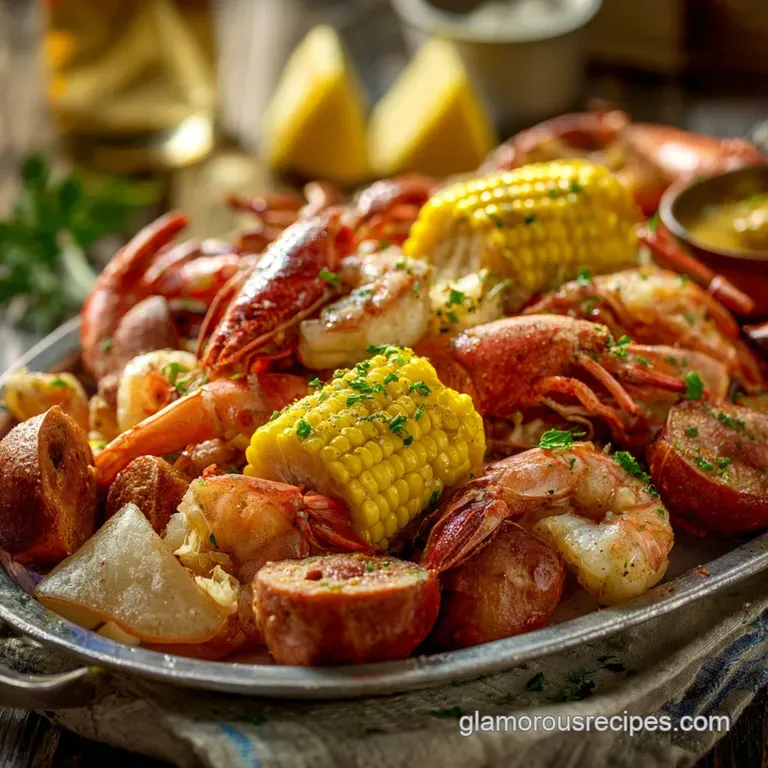
- The Ultimate Low Country Boil: A Proper Southern Seafood Bash
- Decoding the Southern Coastal Feast: What Exactly is a Low Country Boil?
- Essential Components for Your Seafood Boil and Smart Substitutions
- Mastering the Technique: Step-by-Step Low Country Boil
- The Science of the Boil: Why Layering Ingredients Matters
- Expert Hacks and Troubleshooting Your Seafood Cookout
- Handling Leftovers: Storage and Reheating
- Creating the Perfect Southern Feast: What to Serve Alongside
- Recipe FAQs
- 📝 Recipe Card
The Ultimate Low Country Boil: A Proper Southern Seafood Bash
That first blast of steam hitting your face, smelling intensely of spice, salt, lemon, and the Atlantic that's the moment you know you're making a Low Country Boil .
It’s messy, it’s loud, and it instantly transports you to a folding table covered in newspaper next to the marsh grass. This dish isn't about delicate plating or complicated French techniques, thank goodness.
Honestly, this is my favorite thing to cook when I am absolutely exhausted but still hosting. Why? Because you dump everything into one giant pot, and the cleanup is non-existent, especially if you serve it straight onto the paper covered table.
It’s fast, incredibly affordable when feeding a crowd, and provides maximum impact for minimal effort.
If you’ve only tried a timid, under seasoned version of this Southern classic, you haven't lived yet. I’ve refined the timing, cranked up the flavor bomb seasoning, and fixed all the common pitfalls (hello, mushy potatoes).
Trust me, this Ultimate Low Country Boil recipe is the real deal, perfect for your next big gathering.
Decoding the Southern Coastal Feast: What Exactly is a Low Country Boil?
A Low Country Boil is essentially a streamlined, coastal version of a traditional seafood boil. It centers around a few simple, perfect ingredients boiled in an aggressively seasoned liquid base, traditionally focusing on whatever the fishermen caught that day.
We often call it Frogmore Stew or Beaufort Stew, names tied directly to the South Carolina coastal regions where it originated. It's a celebratory meal, designed for community and shared experience, not just eating.
The History and Heart of Frogmore Stew
The name "Frogmore Stew" is actually pretty quirky; it came from a postal community named Frogmore on St. Helena Island, South Carolina. Back in the day, military folks stationed there popularized the dish at massive feasts.
It’s the ultimate expression of regional cooking using locally available shrimp, corn, potatoes, and sausage, all cooked together.
Essential Equipment: Choosing Your Boiling Pot
If you don't have a massive pot, you simply cannot make a proper Low Country Boil . I learned this the hard way when I tried to cram enough food for ten people into a standard spaghetti pot disaster!
You absolutely need a heavy duty stockpot that holds at least 16 to 20 quarts (15 19 Litres). This ensures the water doesn't drop drastically in temperature when you add the cold ingredients, which is essential for consistent cooking.
The Signature Spice Blend: Defining the Flavor Profile
The flavor profile of this Southern seafood boil recipe hinges entirely on the spice blend. It has to be bold, salty, savory, and a little fiery. While you can make your own blend, the vast majority of authentic Low Country Boils rely on one magical, iconic yellow tin: Old Bay Seasoning.
It delivers that specific blend of celery salt, paprika, and peppers that defines the coastal South.
Essential Components for Your Seafood Boil and Smart Substitutions
The beauty of a boil is its simplicity; there are very few ingredients, but each one plays a starring role. We are looking for high-quality, whole ingredients that can handle the aggressive seasoning bath.
| Ingredient | Role | Viable Substitution |
|---|---|---|
| Old Bay | Signature spice blend | Equal parts celery salt, paprika, and black pepper. |
| Red Potatoes | The starch base | Fingerling potatoes (halved) or small sweet potatoes (reduce cook time). |
| Smoked Sausage | Fat and heat infusion | Quality Kielbasa or chorizo sausage (adjust salt if chorizo). |
| Shell-on Shrimp | The protein centerpiece | Frozen, shell-on crawfish or snow crab legs (add last). |
| Lemons/Onions | Aromatic base | Limes or white vinegar for acid/onions are essential, no substitute here. |
Choosing the Right Type of Smoked Sausage (Andouille vs. Kielbasa)
This is a hot debate! Traditionalists often use Kielbasa because it’s a mildly smoked, pork based sausage that adds great texture without overpowering the seafood. However, if you want a true Cajun kick in your Low Country Boil , go for Andouille.
Andouille is spicier, fattier, and gives the cooking liquid a richer, more aggressive flavor profile. I usually stick to a quality Kielbasa and ramp up the hot sauce, but you do you.
Selecting the Best Seafood Seasoning Blend
As mentioned, Old Bay is King for this specific dish. Don’t try to substitute it entirely with salt or just paprika. If you want a bit more heat, throw in a couple of tablespoons of cayenne pepper directly into the water base this takes your Old Bay Low Country Boil from great to phenomenal.
Ingredient Prep: Cleaning the Shrimp and Trimming the Corn
This part is simple. The corn just needs its husks and silks removed, then broken into 2 3 inch segments. For the shrimp, buy the largest, shell-on, head off raw shrimp you can find. Do not peel them before cooking!
The shells protect the meat from the aggressive salt bath and contribute crucial flavor to the overall dish. Deveining is totally optional here; since they are boiled, it's unnecessary extra work in my opinion.
Notes on Selecting the Perfect Potato Variety
Use small, waxy red potatoes, often called New Potatoes. Why? They hold their shape! If you use starchy potatoes (like Russets), they will disintegrate into mush long before the shrimp is cooked. Keep the potatoes whole or halved if they are truly massive. Uniformity is key for consistent cooking.
Mastering the Technique: step-by-step Low Country Boil
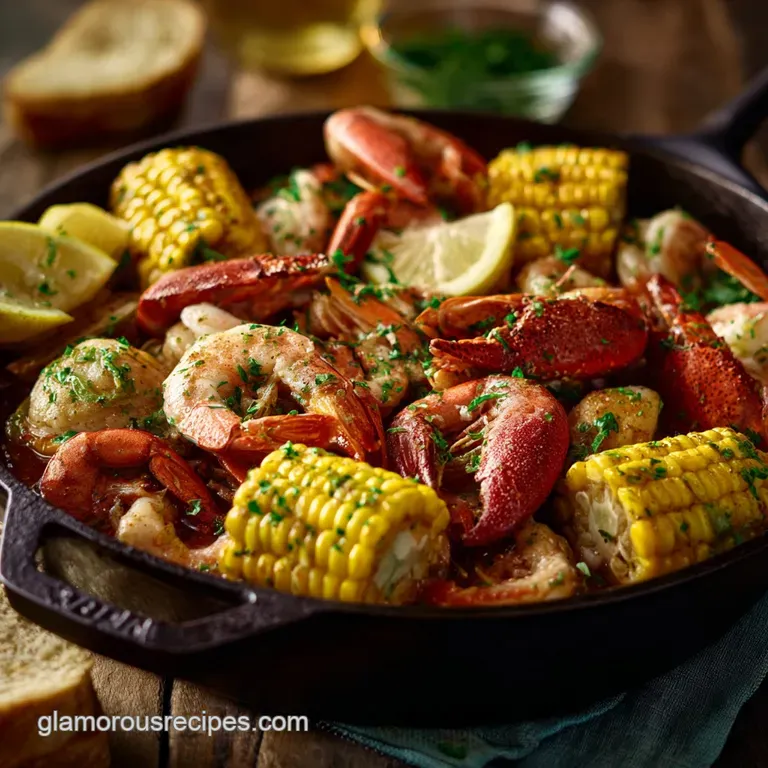
Timing is everything in a Low Country Boil recipe . The success relies on layering ingredients based on their required cooking time.
Phase 1: Preparing the Aromatic Liquid Base
Get that massive pot of water onto the burner and turn the heat to high. Add the coarse salt, the full 1/2 cup of Old Bay, the hot sauce, quartered onions, and halved lemons. Bring the liquid to a rolling, aggressive boil. Don't just simmer it; it needs to be actively churning. Taste it!
It should be aggressively seasoned like saltwater hot enough to strip paint.
Phase 2: Introducing the Slow Cooking Starches and Sausage
Once the water is boiling fiercely, add the red potatoes and the sliced smoked sausage simultaneously. This combination requires the longest cooking time. Boil for 15 minutes undisturbed. This phase is where the seasoning truly infuses the core ingredients.
Phase 3: The Final 5 Minutes: Adding Corn and Shrimp
After the 15 minutes is up, add the halved corn cobs. Let the corn cook for 5 minutes. Now, ensure the water is boiling hard again, then add the raw, shell-on shrimp. The shrimp only need 3 to 5 minutes total.
The second they turn pink and curl into a C-shape, they are done. Don't wait for them to form an "O" shape that means you’ve overcooked them!
The Crucial Resting Period (The Soak)
Some cooks prefer to turn off the heat immediately after the shrimp is cooked and let the whole pot soak for an additional 10 minutes. This increases flavor absorption without risk of overcooking the shrimp, but you must be careful.
I recommend simply turning off the heat and draining immediately; that 3 5 minute cook time is usually enough to incorporate the flavor without getting tough seafood.
Chef's Note: If you want a truly spicy, salty Low Country Boil, let the pot soak for 5 minutes after turning off the heat, then drain. If you prefer your seafood slightly less salty, drain instantly.
The Science of the Boil: Why Layering Ingredients Matters
We layer the ingredients purely because of density and cooking speed. Potatoes are dense and take 20 minutes to soften. Sausage is mostly cooked already but needs time to render fat and infuse the liquid. Corn is a medium cooker. The shrimp?
They are delicate and cook in minutes, hence they go in last. Ignoring the Low Country Boil cook times guarantees a pot of mushy potatoes and rubbery shrimp. We are aiming for perfect synchronization.
Expert Hacks and Troubleshooting Your Seafood Cookout
I have definitely ruined a pot or two of shrimp in my life, thinking "a few extra minutes won't hurt." They hurt. They hurt a lot.
Achieving Perfectly Tender Potatoes and Corn
This is all about timing and uniform size. If your potatoes are all small and waxy, 15– 20 minutes in a vigorous boil is usually spot on. Make sure your corn is broken into small pieces.
This exposes more surface area for the seasoning to cling to and speeds up cooking.
The Role of Smoked Sausage in Flavor Infusion
The sausage is not just protein; it’s a flavor donor. As it boils, the fat renders out into the water, giving the entire pot a richer, smoky taste. This richness is a non-negotiable part of the overall experience.
Preventing Mushy Potatoes: The Salt and Vinegar Trick
We use a ton of salt, and we also use lemon juice (acid). The acid and high salt content actually help stabilize the potato starches, preventing them from completely breaking down. This is why small, waxy potatoes are crucial.
If you use high starch Russets, no amount of salt can save them from turning to soup.
Mistake: Overcrowding the Pot (How to Scale Up)
If you need to feed 30 people, do not use one giant pot. You must use two or even three separate pots running simultaneously. Overcrowding drops the water temperature too far, extending the cooking time unnecessarily and resulting in inconsistent doneness across the different components.
Testing for Doneness: Checking the Shrimp and Sausage
The sausage is done when it’s heated through (easy, since it’s usually pre-cooked). The shrimp is your true timer. Fish one out, slice it open. It should be opaque white, maybe slightly pink in the center, but definitely not glassy. If it’s tough, it’s overcooked.
Handling Leftovers: Storage and Reheating
This is a dish that really shines fresh, but leftovers happen!
Best Practices for Storing Cooked Shrimp and Sausage
Once the boil is done and cooled down, transfer the shrimp, sausage, and vegetables into separate airtight containers. They will keep perfectly fine in the refrigerator for 3 to 4 days.
Do not store them in the leftover boiling liquid; the seasoning will penetrate too deeply and make everything impossibly salty. Freezing is possible for the sausage and vegetables, but shrimp often gets tough when frozen and reheated.
To reheat, the best method is low and slow. Place the ingredients on a baking sheet, cover loosely with foil, and warm them in an oven set to 300°F (150°C) until heated through. Or, a quick 60 second burst in the microwave for the shrimp works too.
Creating the Perfect Southern Feast: What to Serve Alongside
The Ultimate Low Country Boil is a meal on its own, but it needs a couple of key sidekicks to balance the intensity.
We always have a huge bowl of creamy, tart coleslaw ready. The acidity and cold temperature of the slaw cut through the spicy fat perfectly. And for drinking? You need something cold and palate cleansing. I often pair this with a very light pilsner or even a zesty citrus cocktail like my go-to Skinny Margarita: The Zesty, Low-Calorie Recipe (Only 160 Calories) .
Don't forget the melted butter! Serve a giant bowl of melted butter seasoned simply with fresh lemon juice and maybe a tiny splash of the hot sauce you used in the boil. It’s perfect for dipping that sweet, tender shrimp and soaking the corn cobs.
Recipe FAQs
How do I adjust the spice/heat level of the boil?
The spice level is primarily controlled by the quantity and type of cayenne pepper and the quality of your seafood boil seasoning mix (like Zatarain's or Old Bay). For less heat, halve the cayenne; for more heat, add crushed red pepper flakes during the initial simmer.
Always taste the boiling liquid before adding the shrimp to ensure it meets your preference.
Can I use other seafood, like crab or lobster, in my Low Country Boil?
Absolutely. Traditional boils often include Blue Crab or Snow Crab legs. Add these items immediately after the potatoes, as they require a longer cooking time (about 8 10 minutes) than shrimp. Lobster tail segments are also excellent but ensure they are fully submerged to cook evenly.
How do I prevent the shrimp from becoming tough and rubbery?
The key is precise timing. Shrimp should be the absolute last ingredient added to the pot, as they only need about 2 4 minutes to cook fully. When the shrimp turn pink and curl into a C-shape (not an O-shape), they are done; immediately drain the pot and serve to prevent carryover cooking.
Do I really need a massive stockpot for a Low Country Boil?
Yes, size is critical for this recipe, especially if cooking for more than four people, as all ingredients must be fully submerged to cook evenly. A 16 to 20-quart stockpot is ideal for a standard batch, ensuring the water doesn't overflow when you add the bulky ingredients like corn and sausage.
How should I store and reheat leftover boil ingredients?
Store the ingredients separately in airtight containers in the refrigerator for up to two days. Note that the corn and potatoes absorb a lot of moisture and spice, making them soggier upon reheating.
For best results, leftover shrimp should be enjoyed cold in salads rather than reheated, as heat tends to toughen the texture.
Can this recipe be adapted for vegetarians or vegans?
It can be adapted into a delicious vegetable boil by replacing the seafood with hearty root vegetables (carrots, sweet potatoes) and replacing the sausage with sturdy vegan smoked sausage or mushrooms.
Crucially, use vegetable stock instead of water and add extra Old Bay-style seasoning to compensate for the missing seafood depth.
My potatoes are still hard when the shrimp are done. What went wrong?
This usually means the potatoes were cut too large or the water wasn't kept at a vigorous boil during their initial cooking phase. Ensure your potatoes are consistently bite sized or quartered, and always add them first, giving them a full 15 minutes before introducing the sausage and corn.
Ultimate Low Country Boil Recipe
Ingredients:
Instructions:
Nutrition Facts:
| Calories | 550 kcal |
|---|---|
| Fat | 25 g |
| Fiber | 5 g |
