Crawfish Étouffée: a Bayou Classic Made Easy
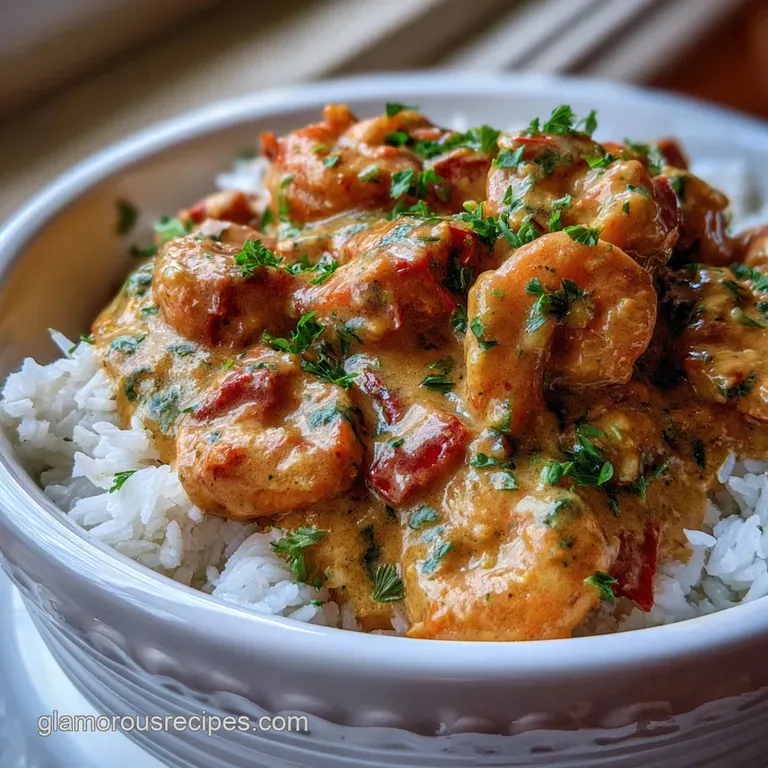
- Welcome to the Bayou: Mastering the Classic Étouffée
- The Flavor Science: Why This Crawfish Dish Excels
- The Anatomy of an Étouffée: Essential Ingredients List
- Sourcing Excellence: Selecting the Best Crawfish
- Step-by-Step: Crafting Your Ultimate Bayou Classic
- Cooking Flowchart: From Roux to Simmer
- Chef's Confidential: Tips, Troubleshooting, and Pro Hacks
- Presentation & Preservation: Serving and Storing the Dish
- Recipe FAQs: Crawfish Étouffée
- 📝 Recipe Card
Welcome to the Bayou: Mastering the Classic Étouffée
Can we talk about that smell? The moment the smoked paprika hits the melted butter and flour, your kitchen transforms, filling with a deep, earthy, almost sweet aroma that promises comfort. This isn't just dinner; this is an experience, a warm, thick Louisiana hug in a bowl that makes every gray day feel bright.
When you ladle this unbelievably rich sauce over fluffy white rice, the velvety texture just surrounds the grains, clinging perfectly to every morsel.
For years, I thought making truly great Crawfish Étouffée was reserved for grandmothers living deep in the bayou, shrouded in culinary mystery. But I was wrong.
This dish is fundamentally a simple smothered preparation, incredibly adaptable, and surprisingly fast once your vegetables are chopped. It saves the day because it tastes like a million bucks but relies on easily accessible ingredients (especially if you keep frozen crawfish tails handy).
So, ditch that ancient, overly complicated recipe you found and stick with me. We are going to nail this classic, creamy, and intensely flavorful Crawfish Étouffée now. Trust me, if I can stop burning the roux, anyone can make a stellar authentic version right at home.
The Flavor Science: Why This Crawfish Dish Excels
The magic of Crawfish Étouffée isn’t complicated; it's smart cooking. It’s all about building flavor through a meticulous layering process that starts long before the crawfish ever enters the pot.
We use a base of fat and flour called a roux, which delivers a deep, nutty flavor that commercial thickeners just can’t touch. This particular Crawfish Étouffée recipe shines because it honors tradition while making the technique accessible.
What Exactly is Traditional Étouffée?
Étouffée translates roughly to "smothered," suggesting a technique where ingredients are slowly cooked in a rich, thick sauce, allowing all the flavours to permeate. Traditionally, a great Crawfish Étouffée has a silky dark blonde roux base, featuring the "holy trinity" of celery, onions, and bell peppers, and culminates in a luxurious finish using sweet, tender crawfish tails.
The result is a vibrant, slightly spicy stew, served over rice.
Étouffée vs. Gumbo: Understanding the Distinction
This is the big question everyone asks! Gumbo is defined by its method of thickening it uses either okra or file powder and is usually thinner, more soup like, and contains a much wider variety of ingredients, often including sausage or chicken.
Meanwhile, Crawfish Étouffée is thicker, almost gravy like, and relies exclusively on the roux for its density. It focuses mainly on the seafood, making the crawfish the undisputed star.
The Role of the Dark Roux in Deepening Flavor
The roux is the heart of any great Cajun or Creole dish, and it is mandatory for classic Crawfish Étouffée . We cook it to a rich, peanut butter color, which requires patience but introduces a complex, nutty depth you simply can’t fake.
This toasted flour is what makes the sauce so velvety smooth and gives it that signature dark, mahogany look.
Achieving That Perfect, Velvety Texture
The thickening agent in this specific Crawfish Étouffée recipe is the fat-based roux, not cornstarch or cream that is key. When you slowly whisk in the stock, the roux emulsifies, creating a sauce that coats the back of a spoon beautifully.
Simmering for 20 minutes allows the flour starches to fully expand and thicken the liquid without ever making it gooey or stringy.
The Anatomy of an Étouffée: Essential Ingredients List
Every ingredient here plays a role in creating the intensely rich flavor that defines genuine Crawfish Étouffée . Quality matters, especially with the stock and the crawfish itself. We keep it simple but impactful, focusing on maximizing the flavor of that beautiful seafood.
| Ingredient | Why It's Needed | Viable Substitute |
|---|---|---|
| Peeled Crawfish Tails | The main event! Sweet, tender seafood. | Peeled, medium sized Shrimp (cook time adjustment needed). |
| Butter & Flour | Foundation of the roux; provides depth and thickening. | Oil (like canola) can replace butter, but the flavour is missing. |
| Seafood Stock | Liquid base; essential for rich seafood flavor. | Vegetable or Chicken Stock if seafood stock is truly unavailable. |
| Holy Trinity | Aromatic base (onion, celery, bell pepper). | Red bell pepper for green if you prefer sweetness. |
| Cayenne/Hot Sauce | Provides the characteristic bayou "pop." | Use chili flakes or increase black pepper dramatically. |
Sourcing Excellence: Selecting the Best Crawfish
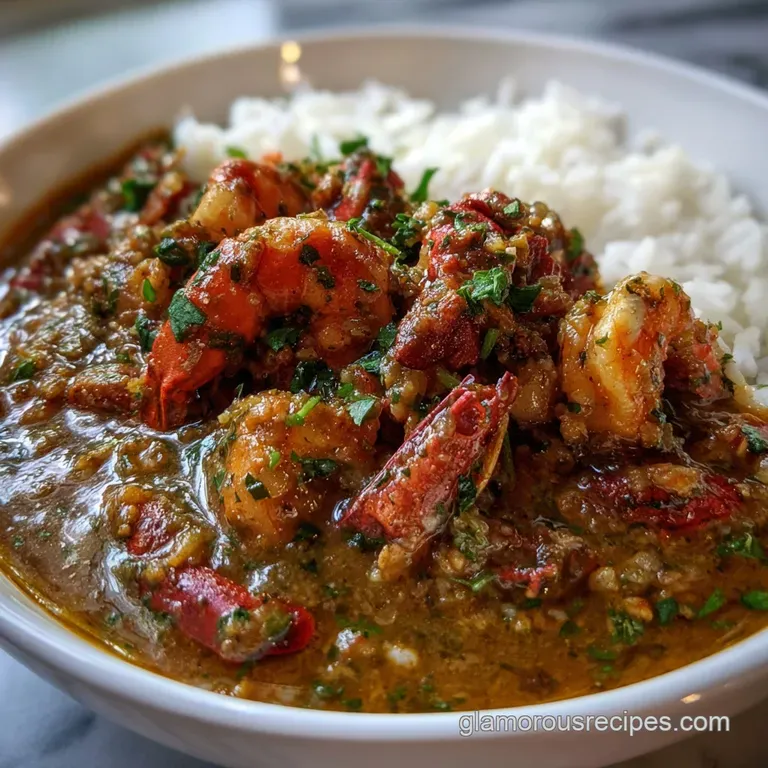
The quality of your crawfish makes or breaks your final Crawfish Étouffée . Since we are adding them at the end, their flavor must be pristine.
Always use pre-cooked, peeled tails for this recipe; wrestling with fresh crawfish for a stovetop Crawfish Étouffée is a project best left for full-on boils.
Pantry & Produce: Preparing the Holy Trinity (Celery, Onion, Bell Pepper)
The “holy trinity” onion, celery, and green bell pepper must be finely chopped so they melt into the sauce, essentially disappearing except for the flavor they leave behind. Don’t get lazy here! Use a sharp knife and chop everything uniformly small.
This ensures even cooking and a smooth sauce texture.
Fats and Seasoning: Clarified Butter and Cajun Spice Blends
We start with butter for the roux because it imparts a sweetness that oil just doesn't provide. For seasoning this incredible Crawfish Étouffée concoction, we use classic dried thyme, smoked paprika (don't skip this for depth), and cayenne.
Always taste and adjust salt and pepper after the stock has reduced you don't want to over salt!
Frozen, Cooked, or Fresh: Choosing Your Crawfish Tails
For convenience and consistency in making this classic Crawfish Étouffée , buy frozen, already peeled, and cooked crawfish tails. Just be sure to thaw them in the fridge overnight and drain them thoroughly on paper towels before use; excess moisture will thin your beautiful sauce.
The Difference Maker: high-quality Crawfish Stock
This is my secret weapon when making outstanding Crawfish Étouffée . If you can find a quality, rich seafood stock, use it. If not, low-sodium chicken stock works fine, but it will lack that deep, briny flavor. Never use water.
You need that concentrated richness to bloom with the roux.
step-by-step: Crafting Your Ultimate Bayou Classic
Get ready to cook! Making this amazing Crawfish Étouffée involves focused, sequential cooking that builds the deep flavors layer by layer. Stay present, especially during the roux phase.
Cooking Flowchart: From Roux to Simmer
Stage 1: The Art of Developing a Peanut Butter Roux
- Melt Butter: In your heavy bottomed Dutch oven, melt 4 Tbsp of butter over medium low heat until it foams dramatically.
- Add Flour: Whisk in the 4 Tbsp of flour immediately, forming a smooth, pale paste that looks a bit like mashed potatoes.
- The Continuous Stir: Now, the meditation begins. Stir this mixture constantly . Use medium low heat. It will slowly transition from white to pale gold, then to a rich nutty brown, the color of peanut butter or milk chocolate. This whole process takes 15 to 20 minutes for a perfect base for your Crawfish Étouffée .
- Stop the Cook: As soon as it reaches that ideal color, yank the pot from the heat. This stops the carryover cooking which can quickly turn a perfect roux into a bitter nightmare.
Chef's Note: If you see even one black fleck in your roux, it is burned. It will make your entire Crawfish Étouffée taste acrid. Toss it and start over. It’s better to lose a few minutes than a whole dish.
Stage 2: Sweating the Holy Trinity and Infusing Stock
- Sauté Aromatics: Return the pot to medium heat. Immediately add the chopped onion, celery, and bell pepper. Listen for that satisfying sizzle! Sauté for 5- 7 minutes. They should soften significantly and absorb all that beautiful dark roux.
- Infuse Spices: Stir in the minced garlic, cayenne, smoked paprika, dried thyme, and bay leaf. Cook for just 60 seconds until they are intensely fragrant.
- Bloom the Paste: Add the tomato paste. Cook and stir for 2 minutes. This brief cooking step deepens the color and removes the metallic edge of the paste, contributing greatly to the complexity of the Crawfish Étouffée .
- Add Stock Slowly: Whisk in the warm seafood stock one cup at a time. Whisk vigorously (but carefully) until all the lumps are dissolved and the liquid is perfectly smooth.
Stage 3: Introducing the Crawfish and Final Simmer
- Simmer Time: Bring the sauce to a gentle simmer. Reduce the heat to low and cook uncovered for 20 minutes. The sauce will thicken slightly and the flavors will meld into the rich consistency required for proper Crawfish Étouffée . Stir occasionally to prevent sticking.
- Final Flavor Adjustments: Stir in the Worcestershire sauce and hot sauce. Salt and liberally season with black pepper until the flavor sings.
- Add Seafood: Reduce the heat to the absolute lowest setting. Gently fold in the peeled, drained crawfish tails.
Crucial Warning: Do not boil the sauce once the crawfish are in. They are already cooked. Vigorous simmering turns them into rubber bands and ruins an otherwise perfect Crawfish Étouffée .
Final Adjustments: Seasoning the Pot and Thickness Check
The final thickness should be slightly thinner than split pea soup thick enough to cling to the rice but still pourable. If it looks too thin, let it simmer uncovered for 5 10 more minutes. If it’s too thick, add a splash of warm stock.
Garnish your finished batch of delicious Crawfish Étouffée abundantly with fresh parsley and green onions.
Chef's Confidential: Tips, Troubleshooting, and Pro Hacks
After making Crawfish Étouffée countless times, I’ve learned exactly where things go wrong, and more importantly, how to fix them. These are the tips that elevate your home cook version to New Orleans quality.
Making authentic Crawfish Étouffée hinges on avoiding a few specific pitfalls.
Avoiding the Pitfalls: Common Roux Mistakes and Solutions
The biggest mistake is thermal impatience. You rush the roux, and it burns. Solution: Keep the heat at medium low. Use a sturdy whisk and dedicated stirring. If you do burn it, there is no saving it start the roux over.
I once tried to scrape the burnt bits out and the whole thing still tasted like ashes. Don't be me.
Achieving the Right Heat Level: Managing the Cayenne Pepper
The delicious heat in a great Crawfish Étouffée is subtle yet present, not overpowering. Start with the ½ tsp of cayenne specified, and add your hot sauce (Tabasco or whatever you like) toward the end, tasting as you go.
Remember, you can always add heat, but you can’t easily take it away. If you added too much, stir in a teaspoon of sugar or a small pat of butter to slightly mellow the capsaicin burn.
Perfect Pairings: What to Serve Alongside Your Étouffée
The classic way to serve this incredible Crawfish Étouffée is over a generous bed of fluffy white rice long grain is preferred. You absolutely must have crusty French bread on the side to mop up every drop of that gorgeous sauce.
A simple green salad or pickled okra provides a necessary acidic counterpoint to the richness of the dish.
make-ahead Strategy and Freezing the Louisiana Favorite
Does this incredible Crawfish Étouffée freeze well? You bet. It’s one of the best make-ahead meals because the flavors deepen overnight. Cook the entire recipe up to the point where you add the crawfish.
Cool it completely, then transfer it to freezer safe containers. When you reheat, thaw overnight, bring the sauce back to a simmer on the stove, and only then fold in the crawfish tails for the final 3- 5 minutes.
Presentation & Preservation: Serving and Storing the Dish
Storing Your Leftover Crawfish Étouffée
If refrigerated in an airtight container, this delectable Crawfish Étouffée will last 3 4 days. The sauce tends to thicken further upon cooling, so don't be alarmed.
To reheat, place it in a saucepan over low heat and add a splash of stock or water if needed to bring it back to that perfect spoon coating consistency. Remember to always serve the rice separately; never store the finished Crawfish Étouffée mixed with the rice.
Freezing for Future Comfort
For longer storage, freeze the base sauce without the crawfish (as noted above) for up to 3 months. If you freeze the completed Crawfish Étouffée with the seafood, the crawfish texture may become slightly rubbery or mealy upon thawing, though the flavor will still be fantastic.
Reheat slowly, stirring often, to prevent the roux from separating. This simple crawfish etouffee recipe is truly a gift that keeps on giving.
Recipe FAQs: Crawfish Étouffée
What is the "Holy Trinity" and why is it essential for the flavor base?
The Holy Trinity refers to the combination of finely diced celery, onions, and bell peppers. This aromatic base is fundamental to Louisiana cooking, providing a deep, sweet, and spicy vegetal flavor that defines Étouffée.
My Étouffée is thin and soupy. How can I thicken it up?
The primary thickener is the roux, but if it still seems thin, mix equal parts soft butter and flour (a beurre manié) and whisk small amounts into the simmering sauce. Alternatively, simmer uncovered for an extra 10 15 minutes to reduce the liquid naturally.
I can't find crawfish tails. Can I substitute them with shrimp or other seafood?
While traditional Étouffée uses crawfish, peeled shrimp is an excellent and widely accepted substitute, transforming the dish into Shrimp Étouffée. If using shrimp, add them in the last 5 minutes of cooking as they cook very quickly.
How do I know when my roux is dark enough, and how can I prevent it from burning?
A good Étouffée roux should be the color of peanut butter or milk chocolate, which takes about 15 20 minutes over medium low heat. To prevent burning, stir continuously and scrape the bottom of the pot; if it burns, you must start over, as the flavor will be ruined.
Can I freeze leftover Crawfish Étouffée?
Yes, Étouffée freezes exceptionally well. Allow the dish to cool completely, then place it in freezer safe containers and store for up to three months. Thaw overnight in the refrigerator and reheat gently on the stovetop, adding a splash of stock or water if needed.
Is it acceptable to make the roux ahead of time to save cooking time?
Absolutely, a large batch of roux can be made and stored in an airtight container at room temperature for weeks. Since the roux is the most time consuming step, preparing it beforehand dramatically reduces the active cooking time needed for the final dish.
My Étouffée tastes flat or bland. How can I boost the flavor?
If the flavor is lacking, it usually means the seasoning needs improvement; start by adding a bit more salt, cayenne pepper, and perhaps a dash of hot sauce. You can also intensify the background notes by stirring in half a teaspoon of Worcestershire sauce or dry mustard.
Ultimate Easy Crawfish Etouffee Recipe
Ingredients:
Instructions:
Nutrition Facts:
| Calories | 518 kcal |
|---|---|
| Protein | 12.1 g |
| Fat | 13.2 g |
| Carbs | 74.6 g |
