Three Cheese Quiche: Silky Custard & Flaky Crust
- Time: Active 25 minutes, Passive 55 minutes, Total 1 hours 20 mins
- Flavor/Texture Hook: Silky egg custard with a golden, shattering crust
- Perfect for: Slow Sunday mornings or elegant holiday brunches
- Master the Art of This Three Cheese Quiche
- Essential Facts for Your Sunday Brunch Success
- Understanding the Science Behind Your Best Ingredients
- The Essential Tools for a Shattering Crust
- Step by Step Guide to Savory Custard
- Avoiding Common Pitfalls for a Better Bake
- Simple Ways to Customize Your Cheese Blend
- Maintaining Freshness and Reducing Kitchen Waste
- The Best Sides for a Complete Meal
- Kitchen Myths Debunked
- Recipe FAQs
- 📝 Recipe Card
Master the Art of This Three Cheese Quiche
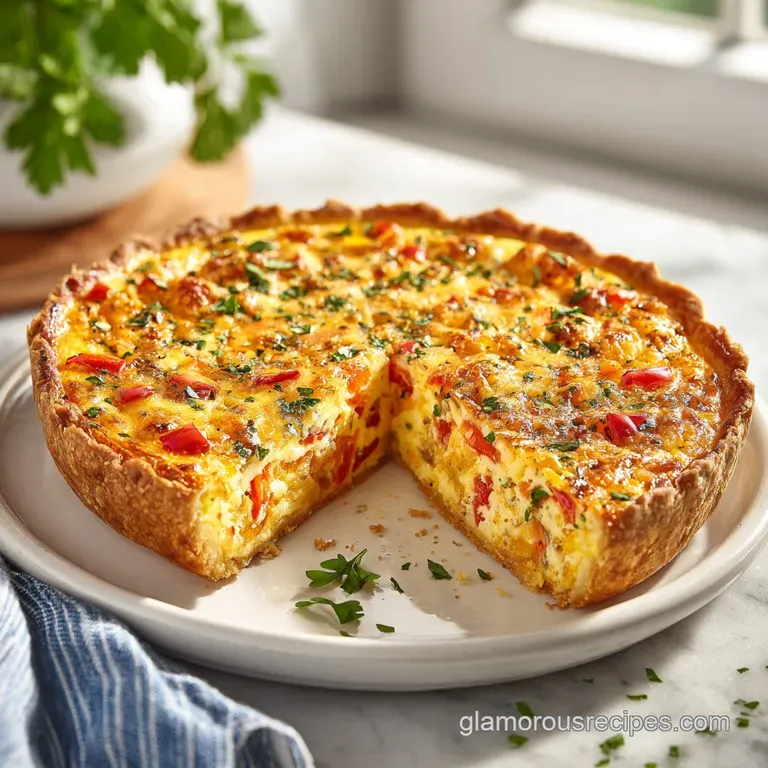
Picture this: it is a slow Sunday morning, the sunlight is streaming through the kitchen window, and the smell of melting Gruyère is swirling through the house. There is nothing quite like the sound of a sharp knife slicing through a perfectly blind baked crust.
That first "crack" tells you everything you need to know about the texture. I remember the first time I tried making a quiche back in my early twenties. I didn't par bake the crust, and the result was a soggy, sad mess that honestly looked more like a savory pudding than a pastry.
We've all been there, hovering over an oven door, hoping for the best. But through years of trial and error in my own kitchen, I've learned that a great Three Cheese Quiche isn't about fancy gadgets. It is about understanding how fat and protein play together.
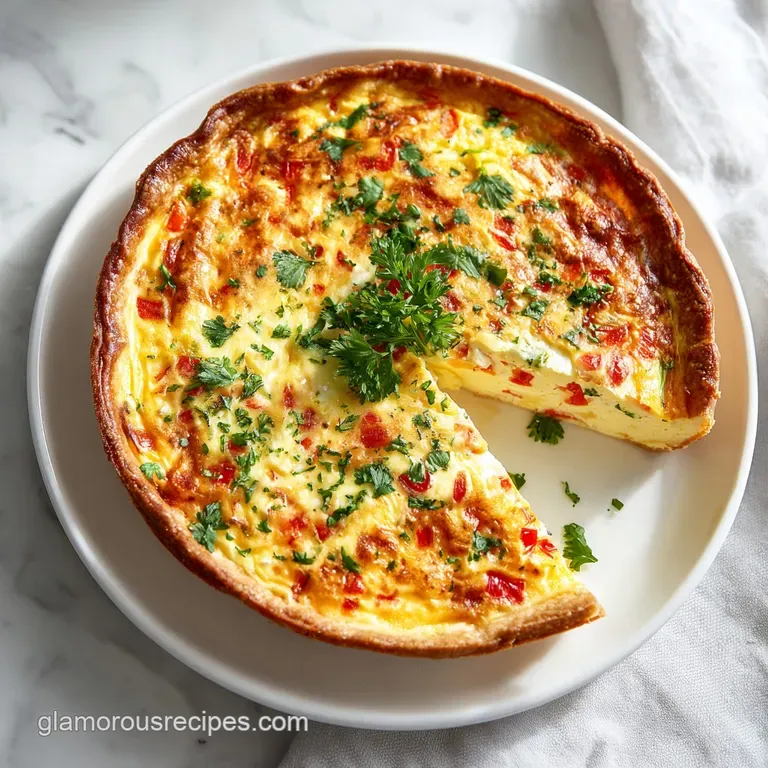
We are looking for that velvety, almost wobbling center that holds its shape just enough to feel substantial. It is the ultimate comfort food, rooted in that Southern tradition of making something humble feel like a sacred feast for the people you love.
In this guide, we are going to walk through exactly how to layer those flavors. We aren't just tossing cheese into eggs and hoping for the best. We are building a foundation with sharp white cheddar, adding depth with Gruyère, and finishing with the salty punch of aged Parmesan.
It is a simple formula, but when done right, it is absolutely transcendent. You’ll see that once you nail the crust to custard ratio, you'll never look at a store-bought quiche the same way again.
Essential Facts for Your Sunday Brunch Success
The magic of a quiche lies in the delicate dance of emulsification. When we whisk those 4 large eggs into 1.5 cups of whole milk, we are creating a stable structure that can trap air and moisture without becoming watery or rubbery.
It is a bit like building a bridge; the proteins in the eggs are the steel beams, and the fats from the milk and cheese are the suspension cables that keep everything flexible and soft.
The Physics of the Perfect Wobble: A low and slow bake ensures the egg proteins coagulate gently, preventing the custard from "weeping" or becoming porous like a sponge. This maintains a silky, uniform texture throughout the entire slice.
| Thickness | Internal Temp | Rest Time | Visual Cue |
|---|---|---|---|
| 1.5 inches | 165°F (74°C) | 10 mins | Edges are set but center jiggles slightly |
| 1 inch | 165°F (74°C) | 5 mins | Golden brown top with no liquid visible |
| 2 inches | 170°F (77°C) | 15 mins | Slight dome in center that settles |
Giving your quiche a bit of breathing room after it leaves the oven is non negotiable. While it sits on the counter, the residual heat finishes the setting process. If you cut into it too early, the steam escapes too quickly, and you lose that luscious, creamy mouthfeel we worked so hard to create.
Trust me, those ten minutes of waiting are the hardest but most rewarding part of the entire process.
Understanding the Science Behind Your Best Ingredients
To get that world class texture, we have to be picky about our components. Using frozen butter is my favorite trick for the crust. When those tiny cold pebbles of fat hit the hot oven, they melt and create little steam pockets. That is what gives you a crust that's truly flaky rather than just crumbly.
If the butter is too soft when it goes in, it just blends into the flour, and you end up with a tough, cookie like base.
| Ingredient | Science Role | Pro Secret |
|---|---|---|
| Frozen Butter (0.5 cup) | Creates steam pockets for lift | Grate the frozen butter directly into the flour for even distribution |
| Gruyère Cheese (0.75 cup) | Provides melting stability and nuttiness | Always grate from a block; pre shredded cheese has starch that alters the texture |
| Ground Nutmeg (0.25 tsp) | Enhances the perception of creaminess | A tiny pinch acts as a bridge between the savory eggs and the salty cheese |
Chef's Tip
Freeze your butter for at least 30 minutes before grating it into your flour. This ensures the fat stays solid until the very moment it hits the heat, which is the only way to get that legendary "shatter" in your pastry.
The Essential Tools for a Shattering Crust
While you can certainly make this in a standard pie dish, a tart pan with a removable bottom is a total game changer for presentation. It allows you to lift the entire quiche out, showing off those beautiful fluted edges. For the filling, a heavy bottomed skillet is best for sautéing your shallot.
You want them translucent and sweet, not burnt and bitter. I often use a microplane for the Parmesan to ensure it integrates into the custard perfectly without leaving heavy clumps.
- 1.5 cups all purpose flour: The structure of our crust.
- 0.5 cup unsalted butter: Must be frozen and cubed.
- 0.25 tsp fine sea salt: To season the dough.
- 4 tbsp ice water: Use only as much as needed to bind.
- 1 cup sharp white cheddar: Grated for a bold base flavor. Why this? Sharpness cuts through the richness of the whole milk.
- 0.75 cup Gruyère cheese: Grated for that classic nutty finish.
- 0.25 cup aged Parmesan: Microplaned for a salty crust on top.
- 4 large eggs: The "glue" of our custard.
- 1.5 cups whole milk: Provides the necessary liquid and fat.
- 1 medium shallot: Minced and sautéed until soft.
- 0.25 tsp ground nutmeg: The secret spice of French style quiche.
- 0.5 tsp cracked black pepper: For a subtle, spicy bite.
| Original Ingredient | Substitute | Why It Works |
|---|---|---|
| Whole Milk (1.5 cups) | Heavy Cream (1.5 cups) | Creates an even richer, more decadent custard. Note: Increases calorie count significantly |
| Sharp White Cheddar | Monterey Jack | Melts beautifully but has a much milder, creamier flavor profile |
| Shallots | Leeks (white parts only) | Offers a similar delicate onion flavor with a slightly more earthy note |
step-by-step Guide to Savory Custard
- Prepare the dough. Pulse the 1.5 cups flour, salt, and 0.5 cup frozen butter in a food processor until it looks like coarse meal. Note: Keep the butter chunks visible to ensure flakiness.
- Hydrate the mixture. Add 4 tbsp ice water one tablespoon at a time, pulsing until the dough just holds together when pinched.
- Chill the pastry. Wrap the dough in plastic and refrigerate for at least 30 minutes. Wait until the dough is cold to the touch before rolling.
- Roll and fit. Roll the dough into a 12 inch circle and drape it into a 9 inch tart pan. Press firmly into the fluted edges to prevent shrinking.
- Blind bake the base. Line with parchment and pie weights. Bake at 375°F (190°C) for 15 minutes. Remove weights and bake for 5 more mins until the bottom looks dry and matte.
- Sauté the aromatics. Cook the minced shallot in a tiny bit of butter over medium heat until soft and translucent.
- Whisk the custard. In a large bowl, beat the 4 eggs, 1.5 cups milk, nutmeg, and pepper until completely smooth and pale yellow.
- Layer the cheeses. Spread the sautéed shallots, cheddar, and Gruyère evenly over the bottom of the par baked crust.
- Pour and finish. Pour the egg mixture over the cheese and sprinkle the microplaned Parmesan on top.
- Bake until set. Bake at 350°F (180°C) for 35 minutes until the edges are slightly puffed and the center has a gentle wobble.
If you are looking for more ways to use that leftover sharp cheddar, you might enjoy my Beef Rigatoni Cheese recipe. It uses a similar cheese melting technique to achieve a golden crust on top of pasta.
Avoiding Common Pitfalls for a Better Bake
The most common heartbreak in the world of Three Cheese Quiche is the dreaded "weeping" custard. This happens when the eggs are overcooked and the protein structure tightens so much that it squeezes out the liquid. It is the difference between a silky bite and a watery one.
Another big mistake is using pre shredded cheese. Those bags are coated in potato starch or cellulose to keep the shreds from sticking together, but that starch prevents the cheese from melting into a smooth, cohesive layer.
The Problem of the Leaking Crust
If you notice liquid seeping through the bottom of your tart, you likely had a small crack in your pastry. This is why blind baking is so vital. It creates a "seal" on the flour. I like to brush the par baked crust with a tiny bit of leftover egg white during the last 2 minutes of blind baking.
This creates a waterproof barrier that keeps the custard from soaking into the dough.
Texture Troubles in the Center
If your quiche looks like a sponge with lots of tiny holes, the oven was likely too hot. Eggs are sensitive to heat. When they cook too fast, the air bubbles expand rapidly and then collapse, leaving behind a rubbery texture.
Always use an oven thermometer to make sure 350°F is actually 350°F.
| Problem | Root Cause | Solution |
|---|---|---|
| Soggy bottom | Underbaked crust or no par baking | Blind bake until the base is fully dry before adding filling |
| Grainy custard | Overcooking or too much high heat | Pull quiche when the center still jiggles; use residual heat |
| Shrinking pastry | Dough wasn't rested enough | Chill for 30 mins after mixing and another 15 mins after rolling |
Common Mistakes Checklist
- ✓ Don't skip the chill time - cold dough is the only way to prevent shrinking.
- ✓ Grate your own cheese - avoid the starches in pre packaged bags.
- ✓ Use room temperature eggs - they emulsify much better with the milk.
- ✓ Sauté the shallots first - raw onions release too much water during baking.
- ✓ Let it rest - slicing immediately after baking will cause the filling to run.
Simple Ways to Customize Your Cheese Blend
When you're comfortable with the base recipe, you can start playing with the proportions. If you're hosting a big family gathering, you'll need to know how to scale things up. For a crowd, I usually double the recipe and bake it in a 9x13 inch ceramic dish.
This turns it into more of a "square" quiche that is easier to serve to 12-16 people.
Three Cheese Quiche Crustless
If you're looking for a lighter option or just want to skip the pastry work, you can absolutely make this crustless. Simply grease a glass pie dish very well with butter. You may want to add an extra egg or a tablespoon of flour to the custard to give it more structural integrity since it won't have the crust to lean on.
The Lightened Up Savory Profile
While I'm a firm believer in whole milk for that classic Southern comfort feel, you can use 2% milk if you're watching your intake. Just be aware that the custard won't be quite as velvety. To compensate, make sure your Gruyère is extra aged to provide that punch of flavor that might be lost with the lower fat content. This version pairs wonderfully with a bright, citrusy side dish, much like the flavors found in my Simple Crispy Jalapeno recipe.
| Servings | Ingredient Adjustments | Pan Size | Cook Time |
|---|---|---|---|
| 4 people | Half ingredients (use 2 large eggs) | 6 inch pan | 25-30 mins |
| 8 people | Standard recipe (as written) | 9 inch pan | 55 mins total |
| 16 people | Double ingredients (8 eggs, 3 cups milk) | 9x13 pan | 65-70 mins |
Maintaining Freshness and Reducing Kitchen Waste
Leftover quiche is one of the great joys of life. It actually tastes quite good cold, but if you want that "just baked" feeling, reheating it correctly is key. Avoid the microwave if you can, as it tends to make the crust rubbery.
Instead, pop a slice into a 325°F (160°C) oven for about 10-12 minutes. This restores the crunch to the butter in the crust while gently warming the custard.
Storage Guidelines: Fridge: Store in an airtight container for up to 4 days. Freezer: Wrap individual slices tightly in foil and then place in a freezer bag. They will stay fresh for up to 2 months. Thaw in the fridge overnight before reheating.
Zero Waste Tips: Don't throw away those cheese rinds! If you have a bit of the Parmesan rind left, toss it into your next batch of vegetable soup or stock. It adds a massive hit of umami.
Also, if you have scraps of dough left over from trimming your tart pan, roll them out, sprinkle with cinnamon and sugar, and bake them alongside the quiche for a little "cook's treat."
The Best Sides for a Complete Meal
Because a Three Cheese Quiche is so rich and buttery, you really want something acidic or crisp to cut through the fat. A simple arugula salad with a lemon vinaigrette is my go to. The peppery bite of the greens and the sharp citrus are the perfect foil for the creamy Gruyère.
If you're leaning into the brunch vibe, fresh fruit specifically berries or sliced melon provides a nice sweetness that balances the saltiness of the cheddar and Parmesan.
The Acidic Counterpoint
Think about things that "brighten" the palate. Pickled red onions or a quick cucumber salad can transform the meal. For a heartier brunch spread, this quiche is a superstar alongside a Breakfast Casserole recipe, giving your guests a choice between a bready strata and a silky custard.
The Brunch Beverage
If you're serving this for a special occasion, a dry sparkling wine like Prosecco or a sharp Mimosa is a classic pairing. The carbonation acts like a "palate cleanser" between bites of the rich egg filling.
For those who prefer non alcoholic options, a cold brew coffee with a splash of cream or a strong Earl Grey tea with lemon works beautifully to mirror those nutty notes in the Gruyère.
Kitchen Myths Debunked
One of the biggest myths in baking is that you need to add heavy cream to get a rich quiche. While cream certainly adds fat, it can sometimes make the quiche too heavy and "cloying." Whole milk, when combined with enough eggs and high-quality cheese, actually provides a cleaner flavor profile that lets the nuances of the Gruyère and cheddar shine through.
Another misconception is that searing or "sealing" the crust with egg wash is just for looks. It actually serves a functional purpose by creating a protein shield that prevents moisture migration. Without it, the bottom of your quiche will almost always be damp.
Finally, many people think you have to use a fancy French cheese for it to be "authentic." Honestly, a good quality sharp American white cheddar brings a punch that most French cheeses can't match, and it’s a staple for a reason!

Recipe FAQs
What is three cheese quiche?
It is an open faced, savory custard tart. The filling typically consists of eggs, milk or cream, and a blend of three distinct cheeses baked in a flaky pastry crust.
What are the best cheeses to use for quiche?
A blend offering sharpness, nuttiness, and saltiness works best. Classic combinations include Gruyère for nuttiness, sharp white Cheddar for tang, and Parmesan for a salty finish.
What are common mistakes when making quiche?
The primary mistake is not blind baking the crust first. Skipping this step results in a soggy bottom because the liquid filling soaks into the raw dough during baking.
Is milk better than heavy cream in quiche?
Whole milk is generally recommended over heavy cream for balance. While cream creates a richer texture, whole milk prevents the custard from becoming overly dense or cloying, allowing the cheese flavor to shine.
How to prevent the custard from turning rubbery when baking?
Bake slowly and pull the quiche when the center still has a slight wobble. Rapid high heat overcooks the egg proteins, forcing out moisture; residual heat will finish setting the center perfectly after removal.
How to substitute ingredients if I don't have Gruyère?
Substitute Gruyère with a high-quality Emmentaler or Swiss cheese. If you enjoyed mastering the flavor layering here, see how the same principle of balanced flavor complexity applies when developing our Scalloped Potatoes Recipe.
Is it true I must always use room temperature eggs in the custard?
Yes, using room temperature eggs is crucial for a smooth custard. Cold eggs do not emulsify as readily with the milk, leading to streaks and a less uniform texture in the final baked product.
Three Cheese Quiche Recipe
Ingredients:
Instructions:
Nutrition Facts:
| Calories | 361 kcal |
|---|---|
| Protein | 14.6 g |
| Fat | 24.1 g |
| Carbs | 21.4 g |
| Fiber | 0.8 g |
| Sugar | 1.2 g |
| Sodium | 235 mg |
