Chocolate Chip Cookies: Thick Chewy Brown Butter Style
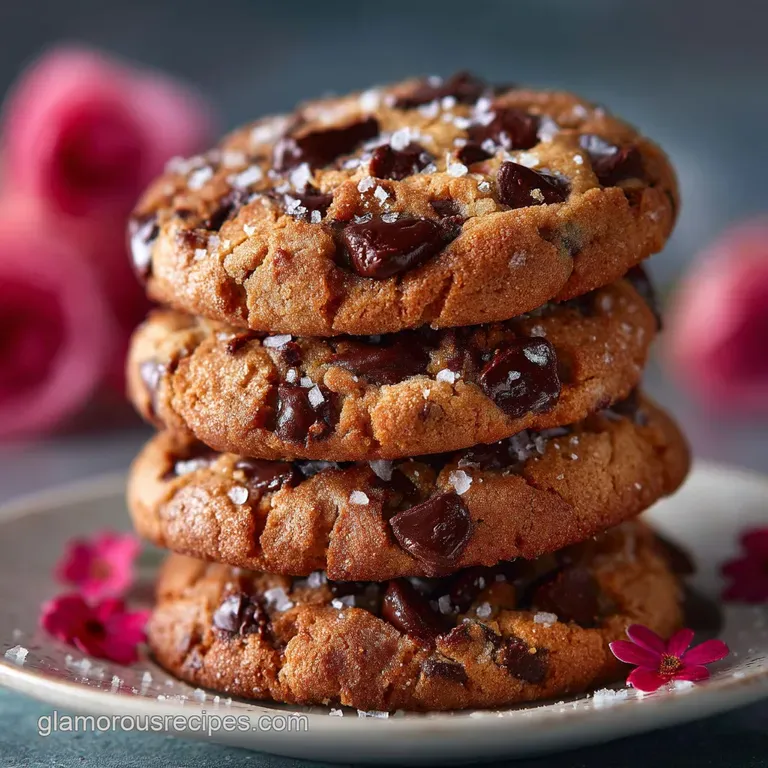
- Welcome to Cornerstone Baking: Achieving the Perfect Cookie Texture
- Decoding the Cookie Matrix: The Role of Fat, Sugar, and Structure
- Essential Components and Strategic Substitutions
- Method: Crafting the Dough for Ultimate Thickness and Flavor
- Troubleshooting and Achieving the Signature Appearance
- Extending Shelf Life: A Practical Guide to Freshness
- Perfect Pairings for Warm Dessert Bliss
- Recipe FAQs
- 📝 Recipe Card
Welcome to Cornerstone Baking: Achieving the Perfect Cookie Texture
There is nothing in the world quite like the aroma of brown butter hitting sugar, followed by that warm, unmistakable scent of baking dough. It smells like home, comfort, and the promise of pure, unadulterated happiness.
When those edges turn golden and the centres remain gloriously gooey, you know you’ve hit the jackpot: you’ve made truly incredible Chocolate Chip Cookies .
I know, I know. Every food blog has a recipe for this, but this specific method for making Chocolate Chip Cookies is a legitimate lifesaver. It relies on ingredients you already own, it’s fast (minus the crucial chilling time, which is non-negotiable), and frankly, nothing cures a bad week faster than a dozen fresh, perfect treats.
This is the ultimate, low-fuss comfort food when you need it most.
We are leaving behind thin, sad discs that look greasy and crack easily. We are committing ourselves to thickness, chewiness, and depth of flavour. Get ready to learn the secrets of the thickest, chewiest Chocolate Chip Cookies you will ever bake from scratch.
Let’s get our aprons on and crack on.
The Philosophy of the Chewy Centre and Crinkled Edge
The goal is structural integrity. If you want that iconic crinkled, caramelized edge that gives way to a dense, fudgy centre, you have to control the spread. My big secret? It all comes down to temperature control and the specific ratio of sugars.
This isn't just baking; it's low-stakes kitchen chemistry, and once you nail the balance, you'll never settle for less than perfect Classic Chocolate Chip Cookies again.
Elevating the Classic: Why Brown Butter Changes Everything
Browning the butter is the single most important step for flavour, full stop. When you heat the butter gently, the milk solids toast, releasing nutty, complex, almost butterscotch notes. This process transforms simple Chocolate Chip Cookies into a sophisticated dessert.
It adds incredible depth, which is why we incorporate those lovely brown bits right into the batter. Don't panic if it looks weird.
The Secret Weapon: Flaky Sea Salt Finish
Don't skip the sea salt. Trust me! That final sprinkle of flaky sea salt (like Maldon) right when the cookies exit the oven is a total game changer. It doesn’t just add a salty note; it cuts through the intense sweetness and richness of the brown butter and chocolate, creating a delightful contrast.
The perfect Chocolate Chip Cookies absolutely demand this savory counterpoint.
Decoding the Cookie Matrix: The Role of Fat, Sugar, and Structure
This recipe isn't revolutionary because of crazy ingredients; it's revolutionary because of technique. Baking is about harnessing science, and understanding why we do things makes all the difference when you’re baking large, thick Best Chocolate Chip Cookies .
We manipulate everything from the state of the fat to the temperature of the egg to achieve that signature texture.
The Maillard Reaction Magic: Infusing Butterscotch Depth
The Maillard reaction is a fancy term for what happens when we brown the butter and when the edges of our cookies caramelize in the oven. The chemical reaction between amino acids and reducing sugars creates hundreds of new flavor compounds this is where the deep, nutty, toffee notes come from.
By browning the butter first, we are essentially pre-loading our Perfect Chocolate Chip Cookies dough with complex flavor, ensuring they taste gourmet even before they hit the oven.
Controlling Spread: The Cold Rest & High Fat Ratio Advantage
If you’re tired of cookies that spread into thin puddles, listen up: chilling is your friend. A 24 hour rest in the fridge allows the butter to re-solidify and the flour to fully hydrate, soaking up the moisture.
This hydration prevents excessive spreading in the oven, ensuring your Chocolate Chip Cookies maintain their thick, beautiful shape. Plus,, using a higher ratio of fat (the brown butter) also helps contain the structure.
The Ideal Chew Factor: Balancing Granulated and Brown Sugars
This is the key to chewiness! Granulated sugar promotes spread and crispness, but brown sugar is hygroscopic meaning it retains moisture because of the molasses content. By using significantly more dark brown sugar than white, we ensure the finished Chocolate Chip Cookies are incredibly moist and chewy in the center.
Flour Power: Selecting the Right Protein Content for Structure
All-purpose flour works perfectly here, but measuring it correctly is crucial. Always spoon and level your flour. Scooping directly from the bag packs it in, adding too much dry material, which makes the dough dry and crumbly.
We want just enough gluten development to give the cookies structure without making them tough.
Leavening Agents: The Difference Between Lift and Spread
Why both baking soda and baking powder? Baking soda requires an acid (which we have in the brown sugar’s molasses) and helps with spread and tenderness, contributing to the rich golden color. Baking powder, however, provides lift upward.
Using both ensures a perfect balance: tender chewiness and thick height. This mix is essential for thick Crinkly Edge Chocolate Chip Cookies .
Chocolate Choice: Selecting Discs vs. Chunks for Texture Pockets
I'm officially banning standard, tiny chocolate chips here. We are going for the bakery look, which means using high-quality chocolate bars (a mix of 60% and 70% is ideal) and roughly chopping them. When these irregular chunks melt, they create gorgeous, molten chocolate puddles in the dough.
This contrast between the chewy dough and the hot pockets of chocolate is what makes these Best Chocolate Chip Cookies truly special.
Essential Components and Strategic Substitutions
Here is the essential breakdown, with a quick safety net for when you realize you're missing that one thing. Remember, a baking scale is your best friend for these kind of detailed measurements.
| Ingredient | Why We Use It | The Viable Substitute |
|---|---|---|
| Unsalted Butter | Fat base; browned for intense flavor. | Quality Vegan Butter sticks (skip browning). |
| Dark Brown Sugar | Provides moisture and chewiness (molasses). | Granulated sugar + 2 Tbsp Molasses (per 1 cup sugar). |
| All-Purpose Flour | Structure and body. | 1:1 gluten-free Baking Blend (ensure xanthan gum). |
| Vanilla Extract | Deepens overall complexity. | Maple Syrup (use slightly less, intense flavor). |
| Large Eggs (Cold) | Binder, structure, emulsifier. | For emergencies only: Use commercial egg substitute (like Ener-G) or flax egg (1 Tbsp ground flax + 3 Tbsp water per egg). |
Chef’s Note: Do not substitute the brown butter process entirely unless you are using a non-dairy option. The flavor depth of these Caramelized Edge Cookies comes primarily from the toasted milk solids!
Method: Crafting the Dough for Ultimate Thickness and Flavor
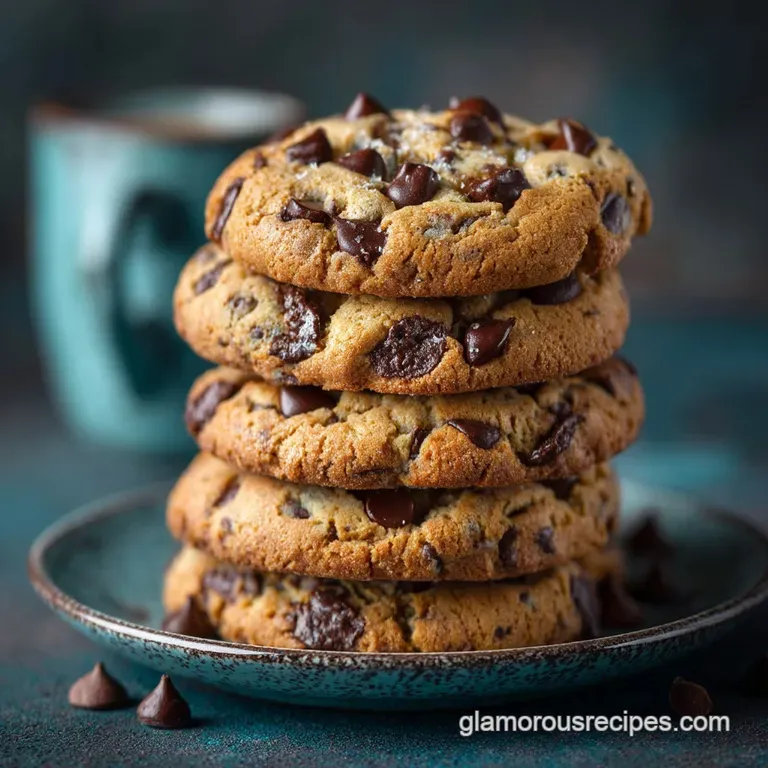
Ready for the steps? These instructions are detailed because small details make a massive difference when you are aiming for bakery quality Chocolate Chip Cookies From Scratch .
Step 1 3: Browning the Butter and Mixing the Wet Ingredients
- Melt the 170g of cold butter gently in a light colored saucepan over medium heat. Watch it like a hawk! It will foam, then settle, and then tiny brown bits will form on the bottom, emitting a gorgeous nutty smell. Swirl constantly until a deep, nutty aroma hits you that's the magic. Transfer it immediately, including the browned bits, to your mixing bowl to cool slightly (about 10 minutes).
- Once the butter is just warm (not hot), pour in both the dark brown and granulated sugars. Mix until the mixture looks like thick, wet sand.
- Beat in the cold eggs, one at a time. The cold eggs are crucial here; they help cool the brown butter down, preventing separation and ensuring a sturdy emulsion. Beat the mixture for a solid two minutes until it lightens in color and thickens beautifully. Add the vanilla extract and mix briefly.
Step 4 6: Incorporating Dry Ingredients (The Mixing Minimum)
- In a separate bowl, whisk together the flour, baking powder, baking soda, and fine salt. This ensures even distribution of the leavening.
- Reduce your mixer speed to low. Gradually add the dry mixture into the wet ingredients. Stop mixing the moment you see only a few streaks of flour remaining. Overmixing develops tough gluten, which we absolutely do not want in our perfect Chocolate Chip Cookies dough.
- Remove the bowl from the mixer and use a spatula to gently fold in the chocolate chunks. Use the spatula to scrape the bottom and sides to incorporate any remaining flour streaks without activating the gluten network.
Step 7 9: The Essential Chill and Portioning Technique
- Portioning first is a pro-tip. Using a 3 ounce scoop, roll the dough into tall balls, not flat pucks, and place them on a parchment lined tray.
- Cover the tray tightly. Chill the dough for a minimum of 2 hours, but 24 to 36 hours is ideal. If you can wait, the intense flavor development achieved by chilling the dough for a full day is unparalleled. The anticipation makes those final Perfect Chocolate Chip Cookies taste even better.
- When you're ready to bake, preheat the oven to 350°F (175°C). Ensure the dough balls are still cold right up until they go into the oven.
Step 10 12: over High heat Start and Finishing the Bake
- Place 6 8 chilled dough balls on a lined tray, giving them plenty of space. Bake for 12 to 15 minutes.
- The cookies are done when the edges are set and a deep golden brown, but the very center still looks soft, puffy, and slightly underbaked. This is the secret to the chewy interior.
- Immediately pull the tray from the oven and, while they are still hot, sprinkle each cookie generously with flaky sea salt. Let the Chocolate Chip Cookies cool on the hot tray for 5- 10 minutes to finish setting before transferring them to a wire rack.
Troubleshooting and Achieving the Signature Appearance
We all have disasters. I once tried to rush the brown butter step and ended up with greasy, scorched butter and sad, thin cookies. The key to successful Chocolate Chip Cookies is recognizing the pitfalls and having a plan to fix them.
The Cookie Spread Disaster: How to Fix Overly Thin Dough
If your dough is too soft (maybe your butter was too hot when you mixed it, or you didn't chill long enough), you have two options: 1) Re-chill the dough, no shortcuts. 2) If the first batch spreads too much, reduce the amount of liquid slightly for the next batch, or add 1 2 tablespoons more flour.
Sometimes humidity affects your flour measurement dramatically.
The Critical Tap: Achieving the Crinkled Top Effect Mid-Bake
This is a fun technique! About 8 minutes into the bake, when the cookies are puffed up like domes, open the oven and gently lift the tray about six inches and drop it back down onto the rack.
This collapses the centre, pushes the edges out, and encourages that beautiful crinkled, dense texture we want in great Chocolate Chip Cookies . Repeat this move once more when you remove the tray from the oven.
Temperature Management: Why Room Temp Eggs are Non-Negotiable
Wait, didn't I say cold eggs earlier? Yes, absolutely! We use cold eggs in this recipe specifically to help cool down the warm brown butter quickly. Standard cookie recipes often call for room temperature eggs to help with emulsification, but here, we are prioritizing temperature control to prevent the fat from separating and causing thin spread.
Cold eggs are mandatory for this brown butter method.
Extending Shelf Life: A Practical Guide to Freshness
Storing Baked vs. Unbaked Brown Butter Chocolate Chip Cookies Dough
Baked cookies store wonderfully in an airtight container at room temperature for up to 4 days. If they start feeling a little dry, put a slice of bread in the container overnight it sounds crazy, but the cookie absorbs the moisture from the bread, softening them right up!
For the raw dough, it keeps beautifully in the fridge for up to a week. The longer it rests, the more complex the flavors become in these Best Chocolate Chip Cookies .
Flash Freezing and Baking from Frozen
This recipe is fantastic for freezing. Once you've portioned the dough balls (Step 7), place them on a tray and flash freeze them uncovered until solid (about 1 hour). Then transfer them to a heavy duty freezer bag or container. They last 3 4 months. When ready to bake, there’s no need to thaw!
Just add 3- 5 minutes to the total baking time and enjoy fresh Chocolate Chip Cookies instantly.
Perfect Pairings for Warm Dessert Bliss
Recommended Beverages: Milk, Coffee, and Creamy Liqueurs
- Classic Cold Milk: Nothing beats it. Whole milk or even oat milk works perfectly for dunking those warm, chewy edges.
- A Solid Coffee: The bitterness and warmth of a quality Americano or French press coffee provides a brilliant contrast.
- The Adult Treat: Try pairing these with a small glass of Bailey’s Irish Cream or another creamy, warming liqueur.
If you’re hosting a casual gathering, these cookies are rich enough to serve as the main dessert, but they also sit beautifully alongside something lighter and fresher. I once served these after a spicy meal of Shredded Chicken Recipes: Easy Slow Cooker Chipotle Lime Tacos , and the contrasting flavors were a huge hit. Alternatively, a sharp, creamy dip provides a great balance of textures if you want something savory alongside, though perhaps save the Corn Dip: Ultra Creamy Baked Chipotle Street Corn Dip Recipe for the appetizers section! Ultimately, these delightful Chocolate Chip Cookies are always the star of the show. Enjoy!

Recipe FAQs
Why did my cookies spread too much and come out thin instead of thick and chewy?
Excessive spreading is typically caused by the butter being too warm or the dough not being chilled sufficiently. If you used the brown butter technique, ensure the butter mixture was cooled completely preferably solidified slightly before mixing with the sugar and eggs.
Also, ensure your flour measurements are accurate and that you chilled the dough for at least 30 minutes.
Do I really need to brown the butter, or can I use regular softened butter?
While you can certainly substitute softened butter, browning it is the culinary secret that imparts deep, nutty, butterscotch notes, elevating this recipe above a standard cookie. If skipping the browning step, ensure the butter is cold enough to prevent immediate spreading during baking, though you will sacrifice some of the complex flavour profile.
My cookies came out dry and cakey rather than chewy. What went wrong?
This is usually a direct result of overmixing the dough once the flour is added, which overdevelops the gluten, or simply overbaking them in the oven. Bake only until the edges are golden and set, but the centers still look slightly soft and glossy.
They will continue to set up perfectly on the hot baking sheet once removed from the oven.
Why does this recipe call for both baking soda and baking powder?
This combination is crucial for achieving the ideal thick and chewy texture. Baking soda reacts with the brown sugar to promote spread and browning at the edges, creating chewiness. The baking powder is double acting and provides an upward lift, ensuring the cookie remains thick and slightly domed in the center.
How should I store the finished cookies to keep them soft and fresh?
Store cooled cookies in an airtight container at room temperature for up to five days. A classic chef trick to retain moisture is to place half a slice of plain white bread inside the container; the cookies will absorb the moisture from the bread, keeping them wonderfully soft and chewy.
Can I freeze the cookie dough, and how should I bake it from frozen?
Yes, freezing the dough is highly recommended for fresh batches anytime. Scoop the dough balls onto a baking sheet, freeze them until solid, and then transfer them to a freezer safe bag. When ready to bake, place the frozen dough balls directly on the baking sheet and add 2 4 minutes to the specified baking time.
What type of chocolate is best for achieving those perfect melted puddles?
For the best texture and flavor balance, use high-quality chocolate bars (60 70% cocoa) and chop them coarsely rather than relying solely on standard chips. Chopped bars contain cocoa butter and melt more smoothly and irregularly than chips, creating those desirable pockets of melted chocolate throughout the cookie.
Thick Chewy Brown Butter Cookies
Ingredients:
Instructions:
Nutrition Facts:
| Calories | 399 kcal |
|---|---|
| Protein | 10.0 g |
| Fat | 18.0 g |
| Carbs | 67.0 g |
