Classic Beef Liver and Onions
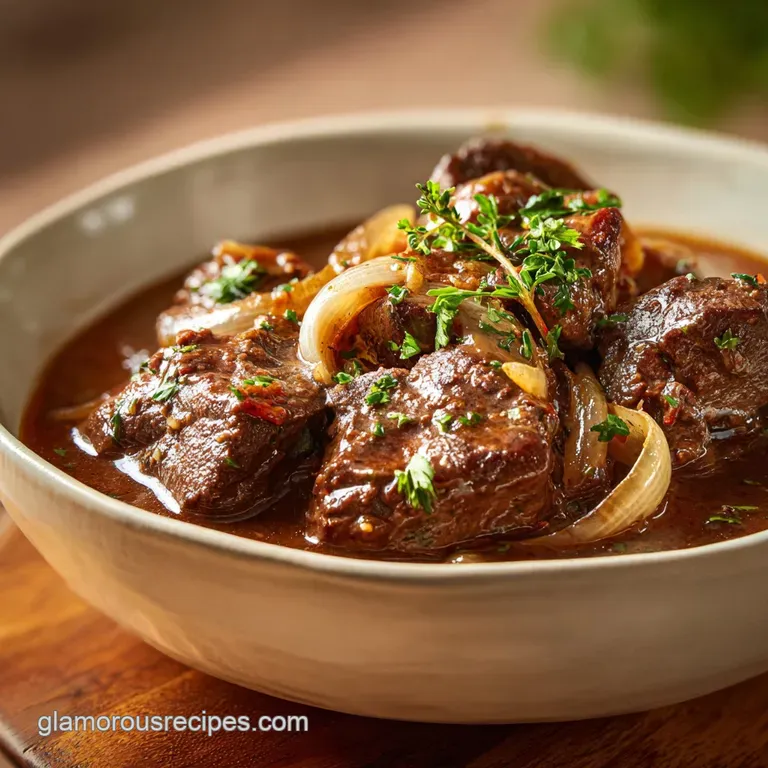
- Time: Active 20 minutes, Passive 45 minutes, Total 1 hours 5 mins
- Flavor/Texture Hook: Velvety liver with a crisp outer edge and sweet, soft onions
- Perfect for: Nostalgic Sunday dinners or nutrient dense meal prepping
- Finding Comfort in the Classic Beef Liver and Onions
- Why This Specific Recipe Method Truly Succeeds
- Breaking Down the Prep Time and Serving Details
- Selecting High Quality Components for Your Pan
- The Essential Tools for a Flawless Sear
- Following the Steps for a Golden Finish
- Better Than Dining Out: The Competitive Edge
- Solving Texture Issues and Gravy Consistency Problems
- Exploring Regional Flavors and Dietary Variations
- Storing Your Leftovers and Reducing Kitchen Waste
- Choosing the Perfect Sides for a Sunday Dinner
- Recipe FAQs
- 📝 Recipe Card
Finding Comfort in the Classic Beef Liver and Onions
The sizzle of a cast iron pan hitting cold butter is a sound that instantly pulls me back to my grandmother’s narrow kitchen in Georgia. For years, I avoided this dish because of one bad experience at a school cafeteria, where the "meat" had the texture of a shoe sole and a metallic tang that stayed for days.
But one rainy Sunday, she sat me down, handed me a glass of milk, and showed me the secret: it is all about the soak.
We are going to treat this Beef Liver and Onions with the respect it deserves, building layers of flavor from the ground up. By the time the onions have turned into a golden, jammy heap and the liver has developed that signature mahogany crust, you will understand why this is considered sacred comfort food.
It's not about hiding the flavor; it's about polishing it until it shines.
This recipe delivers exactly what you need a plate that feels like a warm hug and tastes like home. We’ll walk through how to strip away the "off" flavors and replace them with smoky paprika, sweet yellow onions, and a rich, velvety gravy.
If you've been skeptical about offal, this is the version that will finally win you over. Trust me, we’re doing this the right way.
Why This Specific Recipe Method Truly Succeeds
The secret to success here lies in chemistry rather than luck. By understanding how the proteins and sugars interact, we can prevent the typical pitfalls of toughness and bitterness.
- Casein Neutralization: The calcium and casein in the 475ml of whole milk bind to the iron heavy compounds in the liver, pulling away the metallic "gamey" taste.
- Starch Gelatinization: Coating the strips in all purpose flour creates a barrier that sears into a shatter crisp crust, protecting the delicate interior from drying out.
- Maillard Depth: Searing the liver at high heat after caramelizing the onions allows the meat to brown quickly without overcooking the center.
- Deglazing Magic: Using 355ml of beef stock to scrape up the browned bits (fond) incorporates all that concentrated flavor back into a silky gravy.
| Feature | Fast Method | Classic Method (This Recipe) |
|---|---|---|
| Texture | Often chewy or rubbery | Velvety and tender |
| Flavor Profile | Intense and metallic | Sweet, smoky, and balanced |
| Gravy Quality | Thin or non existent | Thick, mahogany, and rich |
Using this layered approach ensures that every bite is consistent. It is a far cry from the rushed versions that give this dish a bad reputation.
Breaking Down the Prep Time and Serving Details
When planning your Sunday dinner, timing is everything. This dish requires a bit of patience during the soaking phase, but the actual cooking happens fast almost like a stir fry.
| Metric | Measurement | Visual Cue/Checkpoint |
|---|---|---|
| Liver Thickness | 1.25 cm (1/2 inch) | About the width of a finger |
| Internal Temp | 71°C (160°F) | Slightly pink in the very center |
| Rest Time | 3 minutes | Juices settle into the fibers |
The 680g of beef liver is perfectly portioned for 4 people, especially when served alongside a hearty starch. If you find yourself cooking for a larger crowd, work in batches to ensure the pan stays hot and the liver sears rather than steams.
Selecting high-quality Components for Your Pan
Each ingredient in this list serves a specific purpose in building the final flavor profile. Don't skip the fresh thyme; it adds an earthy top note that cuts through the richness of the butter.
- 680g Beef Liver: Sliced into 1.25 cm strips. Why this? Strips cook faster and more evenly than large, whole steaks.
- 475ml Whole Milk: For the soak. Substitute: Buttermilk for a tangier profile.
- 125g All Purpose Flour: The base of our coating. Substitute: Cornstarch for an even crispier, gluten-free edge.
- 2 Large Yellow Onions: Sliced into rings. Why this? High sugar content makes them perfect for deep caramelization.
- 60g Unsalted Butter: For sautéing. Substitute: Lard or bacon grease for a smoky, old-fashioned depth.
- 30ml Extra Virgin Olive Oil: Prevents the butter from burning. Substitute: Avocado oil for higher heat tolerance.
- 355ml Beef Stock: The gravy base. Why this? Provides the savory liquid needed to deglaze the skillet.
- 15ml Worcestershire Sauce: Adds umami and acidity.
- Spices: Smoked paprika, garlic powder, kosher salt, cracked black pepper.
| Ingredient | Science Role | Pro Secret |
|---|---|---|
| Beef Liver | Iron rich Protein | Remove the outer silver skin to prevent curling during frying. |
| Whole Milk | Odor Neutralizer | Cold milk works best; keep it in the fridge during the soak. |
| Yellow Onions | Sugar Source | Adding a pinch of salt early draws out moisture for faster browning. |
Always look for liver that is deep red and glossy. If it looks dull or brownish, it’s past its prime and won't give you that silky texture we're after.
The Essential Tools for a Flawless Sear
You don't need a kitchen full of gadgets, but a heavy bottomed skillet is non negotiable here. I prefer a well seasoned cast iron skillet (like a Lodge) because it holds heat like a champion, which is vital for getting that golden crust.
You will also want a sharp chef's knife to get those onion rings perfectly thin. Thick onions take too long to soften, while paper thin ones might burn before they caramelize. Aim for about 3mm thickness. A wire whisk is also handy for making sure your gravy is smooth and free of flour clumps when you add the stock.
Following the Steps for a Golden Finish
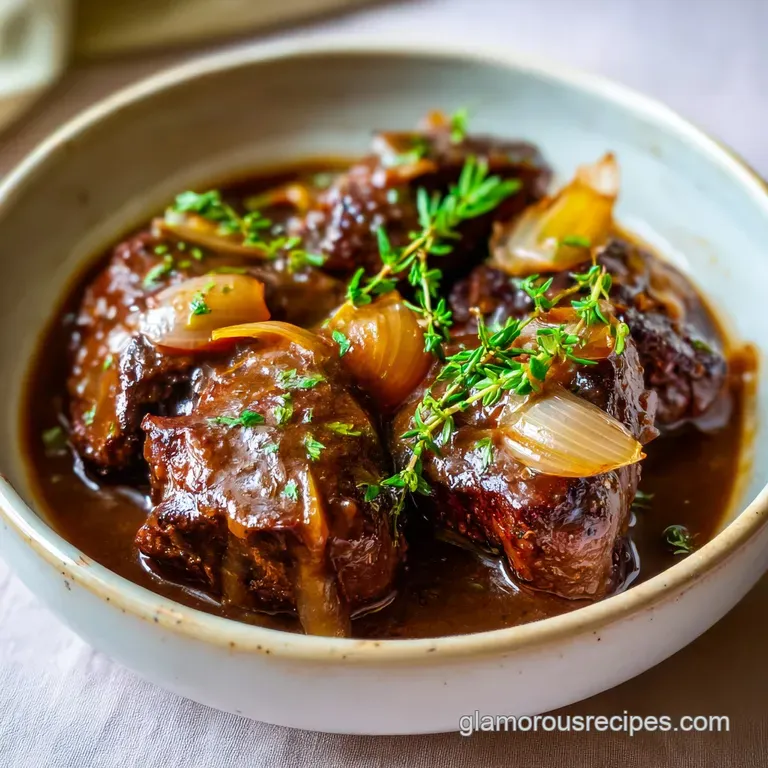
1. The Milk Bath & Dredge
Place your 680g of sliced liver into a shallow bowl and pour over the 475ml of whole milk. Let this sit for at least 45 minutes in the fridge. This step is the difference between a "liver y" taste and a mild, buttery one. Once soaked, pat the strips very dry with paper towels.
Toss the dried liver in a mixture of 125g flour, 1 tsp smoked paprika, 1 tsp garlic powder, 1 tsp salt, and 0.5 tsp pepper.
2. Caramelizing the Onions
Heat 30g of the butter and 30ml of olive oil in your skillet over medium heat. Add the sliced yellow onions. Cook them slowly for about 12-15 minutes until they are soft, translucent, and a deep golden brown. Move the onions to a plate and keep them warm.
Don't wash the pan; those brown bits are flavor gold.
3. Searing for Success
Add the remaining 30g of butter to the same skillet. Crank the heat to medium high. Place the floured liver strips in a single layer, making sure not to crowd the pan. Fry for 2-3 minutes per side until the coating is brown and crisp.
Note: Do not overcook; the liver should still be slightly tender when pressed. Remove liver and set aside with the onions.
4. Building the Mahogany Gravy
Reduce heat to medium. Sprinkle any leftover seasoned flour (about a tablespoon) into the remaining fat in the pan. Whisk for 1 minute to cook out the raw flour taste. Slowly pour in the 355ml of beef stock and 15ml of Worcestershire sauce.
Whisk constantly until the liquid bubbles and thickens into a velvety sauce. Stir in the fresh thyme leaves.
5. The Final Assembly
Slide the liver and onions back into the gravy. Toss gently to coat everything in that glossy sauce. Let it simmer for just 1 minute to warm through. Serve immediately while the crust is still distinct and the gravy is hot.
Better Than Dining Out: The Competitive Edge
The problem with restaurant liver and onions is that it's often sat under a heat lamp, turning the coating soggy and the meat grainy. By making this at home, you control the "flash point."
- Freshness: Searing and serving within minutes preserves the contrast between the crispy flour coating and the soft interior.
- Custom Gravy: You can control the salt and the "punch" of the Worcestershire sauce, making it as savory as you like.
- Quality Fat: Using real butter and extra virgin olive oil instead of industrial seed oils creates a much cleaner, more luxurious mouthfeel.
If you enjoy the deep, savory notes of this dish, you might also love the simplicity of a Savory Ground Beef recipe for your weeknight rotation. Both use similar flavor building blocks but offer different textures for a cozy meal.
Solving Texture Issues and Gravy Consistency Problems
Why Your Liver is Grainy or Tough
This is almost always a result of overcooking. Liver has very little fat and a lot of protein; once it passes 71°C (160°F), the fibers tighten up and squeeze out all the moisture.
The Fix: Use a meat thermometer or cut into one piece it should be slightly pink in the middle. Remove it from the heat 2 degrees early, as carryover cooking will finish the job.
Why the Coating is Soggy
If your liver doesn't have that "shatter" crunch, the pan wasn't hot enough or the meat was too wet when it hit the flour. The Fix: Always pat the milk soaked liver bone dry with paper towels before dredging. Ensure the butter is foaming and sizzling before the meat touches the pan.
| Problem | Root Cause | Solution |
|---|---|---|
| Thin Gravy | Not enough roux/flour | Simmer longer to reduce or add a cornstarch slurry. |
| Bitter Taste | Burnt onions or no soak | Caramelize onions on lower heat; never skip the 45 min milk soak. |
| Curling Liver | Membrane still attached | Score the edges of the liver strips with a knife before frying. |
Common Mistakes Checklist ✓ Never skip the milk soak; it's the only way to remove the metallic tang. ✓ Pat the liver completely dry after soaking to ensure the flour sticks. ✓ Don't crowd the pan; sear in two batches if your skillet is small.
✓ Use a heavy skillet to maintain a consistent high temperature. ✓ Add the salt to the onions early to help them break down and sweeten.
Exploring Regional Flavors and Dietary Variations
If you want to change things up, there are a few ways to tweak this classic to suit your cravings.
- The Southern Deluxe: Fry two strips of bacon in the pan first. Use the bacon fat to cook the onions and liver, then crumble the crispy bacon over the top before serving.
- Keto Friendly Swap: Replace the all purpose flour with a mix of almond flour and crushed pork rinds. Use a splash of heavy cream instead of flour to thicken the gravy at the end.
- British Style: Skip the paprika and add a splash of balsamic vinegar to the onions while they cook for a "sweet and sour" depth that pairs beautifully with the rich meat.
If you're looking for a sharp contrast to the richness of the liver, a dollop of my Horseradish Sauce recipe on the side provides a fantastic spicy kick that clears the palate.
Storing Your Leftovers and Reducing Kitchen Waste
Liver is best eaten fresh, but if you have leftovers, they will keep in the fridge for up to 2 days in an airtight container. When reheating, avoid the microwave! It will turn the liver into rubber. Instead, warm it gently in a skillet with a splash of extra beef stock to keep things moist.
For zero waste cooking, don't throw away the milk used for soaking. While you shouldn't drink it, it can be added to your compost pile (in small amounts) as it's rich in proteins. Also, those onion peels and the ends of the thyme sprigs can be tossed into a freezer bag to make a future batch of homemade beef or vegetable stock.
Choosing the Perfect Sides for a Sunday Dinner
To balance the intensity of the Beef Liver and Onions, you need sides that are either creamy or acidic.
- Mashed Potatoes: The ultimate vessel for that mahogany gravy. Use plenty of butter and a splash of cream.
- Steamed Green Beans: Toss them with lemon juice and sea salt to provide a bright, crunchy contrast to the soft liver.
- Crusty Bread: A thick slice of sourdough is perfect for mopping up every last drop of the Worcestershire spiked sauce.
Right then, you're all set. Grab that skillet, get those onions singing in the butter, and let's make a meal that would make any grandmother proud. It’s simple, it’s honest, and when done right, it’s one of the most satisfying plates of food you’ll ever put on the table.
Trust me on this one the soak is the secret, and the sear is the soul. Happy cooking!
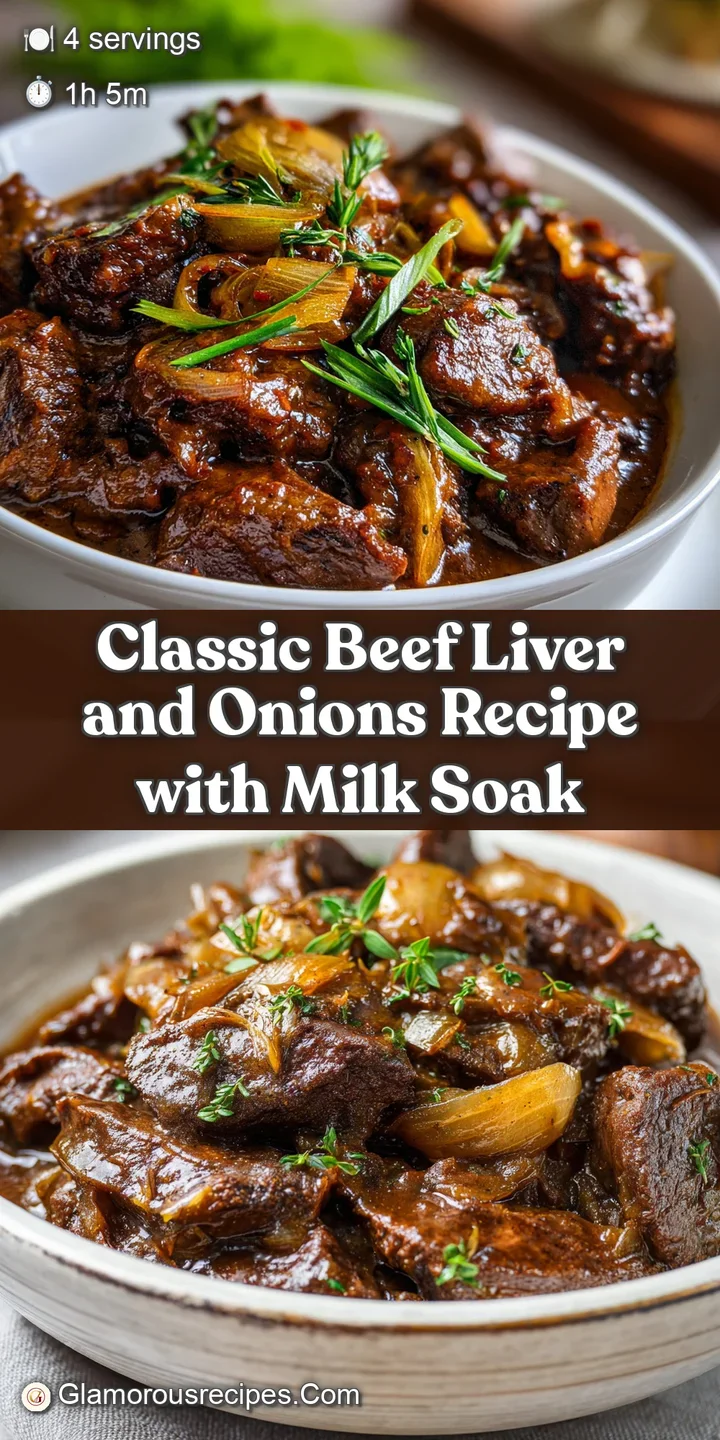
Recipe FAQs
How to cook beef liver with onion?
Soak the liver in milk for 45 minutes, then pat very dry. Sear the milk soaked, floured liver strips in hot butter/oil for 2-3 minutes per side until browned. Set aside, then slowly caramelize the onions separately until deep golden.
Deglaze the pan with beef stock and Worcestershire sauce to form a gravy, then return the liver and onions to coat.
Why do you soak liver in milk before cooking it?
Yes, soaking is crucial for flavor correction. The calcium and casein in the milk effectively bind to the iron heavy compounds that cause the metallic taste often associated with liver.
Does beef liver help with anemia?
Yes, beef liver is extremely rich in iron and Vitamin B12. It is a dense source of heme iron, which is highly bioavailable, making it excellent for supporting healthy red blood cell production.
What is the best cooking method for beef liver?
Pan-searing quickly at medium high heat is the best method. This method creates a flavorful crust while ensuring the inside remains tender and slightly pink, preventing the rubbery texture common with slow cooking or boiling.
Is it true I must use a very hot pan to get a good sear?
No, this is a common misconception. While the pan must be hot enough to sizzle, if it is too hot, the flour coating burns before the liver cooks. Aim for medium high heat, using a mix of butter and oil to prevent scorching.
What should I serve with liver and onions to balance the richness?
Creamy starches and bright green vegetables pair best. Mashed potatoes are perfect for soaking up the gravy, and steamed green beans tossed with lemon juice provide the necessary acidic contrast.
How do I prevent the liver from turning tough and rubbery?
Cook the liver quickly until it reaches an internal temperature of 71°C (160°F). Overcooking dries out the meat rapidly; if you enjoy other quick cooking methods, see how we manage temperature precision in our Chuck Steak recipe.
Tender Beef Liver And Onions
Ingredients:
Instructions:
Nutrition Facts:
| Calories | 472 kcal |
|---|---|
| Protein | 34.2 g |
| Fat | 21.4 g |
| Carbs | 24.8 g |
| Fiber | 1.8 g |
| Sugar | 5.2 g |
| Sodium | 645 mg |
