Sous Vide Short Ribs: 48 Hour Cook
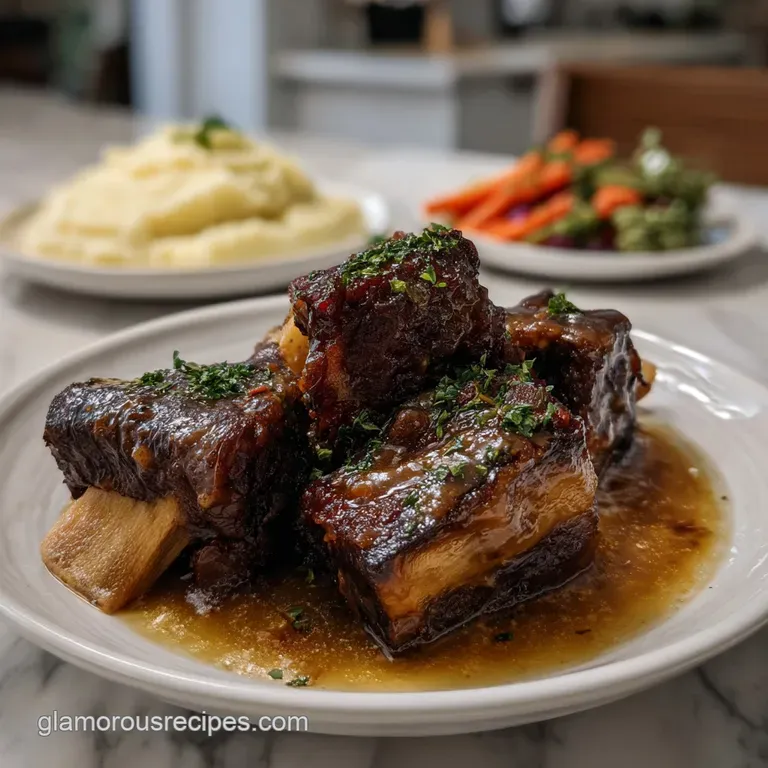
- Time: Active 20 minutes, Passive 48 hours, Total 48 hours 20 minutes
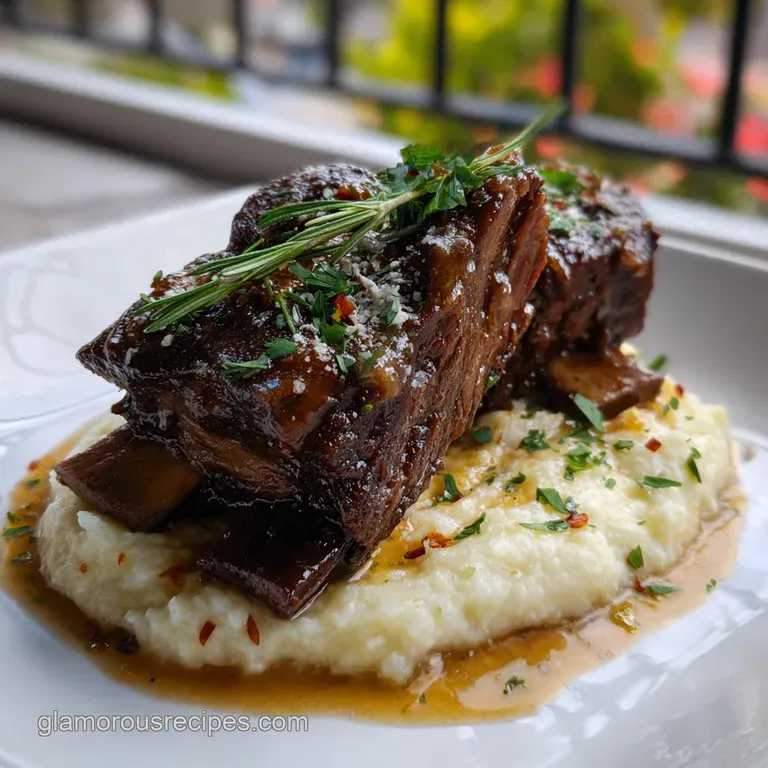
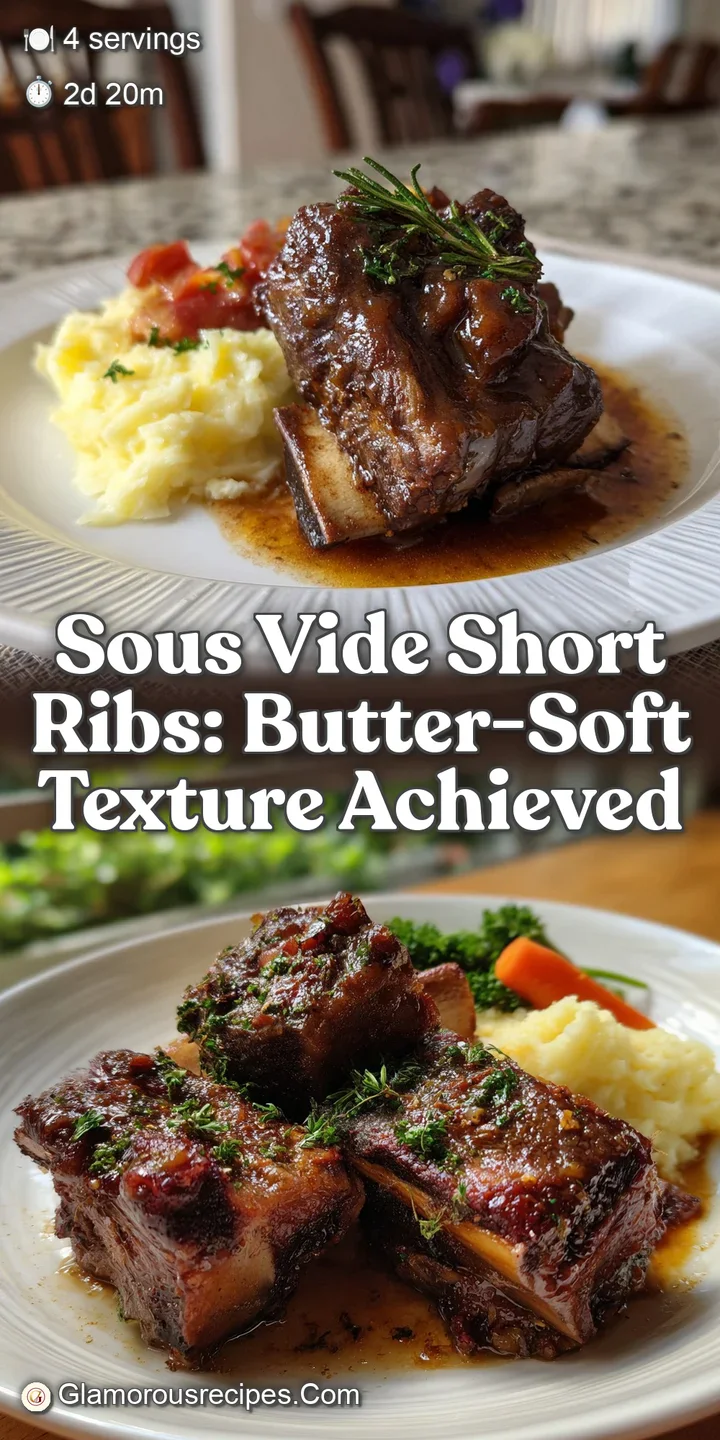
- Flavor/Texture Hook: Velvety, butter-soft beef with a mahogany, shattering crust.
- Perfect for: Anniversary dinners, sacred family gatherings, or anyone who values precision over speed.
Have you ever wondered why even the most careful oven braise can sometimes turn out a bit stringy or dry? We have all been there, hovering over a heavy pot, hoping the liquid hasn't evaporated too much or that the heat hasn't climbed into the "boiled beef" territory.
Traditional braising is a beautiful art, but it relies on high heat to break down tough fibers, which inevitably squeezes moisture out of the muscle.
I remember my first attempt at sous vide short ribs years ago. I was skeptical. Putting a beautiful piece of meat in a plastic bag for 48 hours felt like a strange science experiment rather than a Sunday dinner ritual.
But the moment that first fork tender piece hit my tongue, I realized I could never go back. It wasn't just "good," it was a sacred experience of texture and concentrated beef flavor that changed my kitchen forever.
In this guide, we are going to look at why we commit to such a long cook time and how to build layers of flavor that make the wait entirely worth it. We aren't just making dinner; we are performing a slow, thermal transformation. Right then, let's crack on and get your water bath started.
Why This Method Works
- Collagen Conversion: Sustained low heat (around 62°C) converts tough collagen into silky gelatin without reaching the temperature where muscle fibers tighten and become dry.
- Enzymatic Tenderization: Naturally occurring enzymes in the beef remain active longer at these lower temperatures, further softening the protein structure.
- Aromatic Infusion: The vacuum seal forces aromatics like garlic and thyme directly into the meat fibers, creating a deeper flavor profile than surface seasoning alone.
- Moisture Retention: Because the ribs are sealed, none of the internal juices can evaporate, ensuring every bite is incredibly succulent.
Ingredient Deep Dive
| Component | Science Role | Pro Secret |
|---|---|---|
| English Cut Ribs | High connective tissue provides the structure for gelatin conversion. | Look for heavy marbling; the fat renders into the meat during the 48 hour bath. |
| Diamond Crystal Kosher Salt | Denatures proteins and draws moisture into the cells through osmosis. | Season at least 30 minutes before bagging to allow the salt to penetrate deeply. |
| Dry Red Wine | Acidity helps balance the heavy richness of the rendered beef fat. | Reduce the wine by half separately before adding to the bag to remove raw alcohol notes. |
| Cold Unsalted Butter | Creates a stable emulsion (mounting) for a glossy, thick pan sauce. | Whisk in only at the very end to prevent the sauce from breaking. |
Shopping List and Substitutes
To get the best results, start with high-quality components. Here is what you will need for these sous vide short ribs:
- 4 lbs (1.8 kg) Bone-in English cut short ribs: Why this? The bone adds depth and structural integrity during the long cook.
- Substitute: Boneless short ribs work too, but reduce cook time by 4 hours.
- 1 tbsp (15 ml) Diamond Crystal Kosher salt: Why this? The hollow flakes stick better and dissolve evenly.
- Substitute: Sea salt (use 25% less by volume).
- 1 tsp (5 ml) Freshly cracked black pepper: Why this? Fresh oils provide a punchier aromatic heat.
- Substitute: White pepper for a more subtle, earthy spice.
- 4 cloves Garlic, smashed: Why this? Smashing releases allicin for a more pungent flavor.
- Substitute: 1 tsp garlic powder if you want a more uniform, less sharp taste.
- 4 sprigs Fresh thyme or rosemary: Why this? Woody herbs stand up to 48 hours of heat.
- Substitute: Dried herbs (use 1/2 tsp) if fresh isn't available.
- 2 small Shallots, halved: Why this? Provides a delicate onion sweetness without being overpowering.
- Substitute: Half a small yellow onion, sliced thin.
- 1 cup (240 ml) Dry red wine: Why this? Provides the essential acid backbone for the reduction.
- Substitute: Pomegranate juice for a non-alcoholic version with similar tannins.
- 1 cup (240 ml) Beef bone broth: Why this? Adds gelatin and rich minerals to the final sauce.
- Substitute: high-quality beef stock or veal glace.
- 2 tbsp (30 g) Cold unsalted butter: Why this? Essential for the "Monter au Beurre" sauce technique.
- Substitute: Ghee or a vegan butter substitute (though the emulsion will be less stable).
The step-by-step Process
For the Beef
The first layer of flavor starts with preparation. You want to ensure the meat is dry and well seasoned before it ever sees the water.
- Pat the meat dry. Use paper towels to remove all surface moisture from the ribs. Note: Dry meat takes seasoning more effectively.
- Season generously. Rub the Diamond Crystal Kosher salt and pepper into every side of the beef.
- Seal the aromatics. Place the ribs into a heavy duty vacuum bag with the smashed garlic, shallots, and herb sprigs.
- Vacuum seal tightly. Use a FoodSaver or similar vacuum sealer to remove all air. Check for a strong seal to prevent any leaks during the long immersion.
The Precision Water Bath
This is where the magic happens. We are looking for a specific temperature time relationship that yields a steak like texture with braise like tenderness.
- Preheat the water. Set your Anova Precision Cooker to 62°C (144°F).
- Submerge the bags. Drop the sealed ribs into the water bath. Ensure they are fully submerged for the entire duration.
- Wait 48 hours. This requires patience. Cover the container with a lid or plastic wrap to prevent evaporation.
The Ice Bath and Drying
Don't skip the chill. It's a critical step for a perfect sear.
- Shock the beef. Remove the bags from the water and plunge them into a large bowl filled with 50% ice and 50% water for 20 minutes. Note: This prevents overcooking when you sear the outside later.
- Dry again. Remove the ribs from the bag (save the juices!) and pat the meat extremely dry. Look for a matte surface on the beef.
The Sear Finish
We want a crust that shatters, contrasting the velvety interior.
- Heat the skillet. Get a Lodge cast iron skillet ripping hot with a splash of high smoke-point oil.
- Sear all sides. Place the ribs in the skillet for about 45 seconds per side until a deep mahogany crust forms.
The Pan Sauce
The final layer of flavor comes from the bag juices.
- Reduce the liquids. In a small saucepan, combine the saved bag juices, red wine, and bone broth. Simmer until the liquid coats the back of a spoon.
- Mount with butter. Remove from heat and whisk in the cold butter one tablespoon at a time. Stop when the sauce looks glossy and thick.
Chef's Tip: For a truly professional finish, freeze your butter for 10 minutes before whisking it into the sauce. The extreme temperature difference helps create a more stable, velvety emulsion that won't separate on the plate.
Solving Common Cooking Issues
Even with precision tools, things can go a bit sideways. Here is how to handle the most common hurdles with sous vide short ribs.
Bag Float Solutions
If you notice your bag is bobbing at the surface, it usually means there is trapped air or gas is being released from the aromatics. This is dangerous because any part of the meat above the water line isn't being held at a safe temperature.
Use a heavy ceramic plate or dedicated sous vide weights to keep them pinned down.
Funky Smell Prevention
Sometimes, after a 48 hour cook, you might open the bag and notice a "cheesy" or "funky" aroma. This is often caused by Lactobacillus, a bacteria that can survive at lower temperatures. It isn't necessarily harmful, but it is unpleasant.
To prevent this, dip your sealed bags into boiling water for 30 seconds before putting them into the 62°C bath. This kills surface bacteria instantly.
| Problem | Cause | Fix | Pro Tip |
|---|---|---|---|
| Soggy Crust | Surface was too wet before searing. | Pat dry with multiple paper towels until the meat feels tacky. | Use a hair dryer on the "cool" setting for 2 minutes to ensure total dryness. |
| Broken Sauce | Butter was added to boiling liquid. | Remove from heat and whisk in a teaspoon of cold water. | Always add butter off-heat and whisk constantly. |
| Tough Meat | Temperature was too low or time too short. | Ensure your circulator is calibrated and don't pull them early. | Trust the 48 hour mark; 24 hours often leaves them too chewy. |
Comparison: Fast vs Classic
| Feature | Oven Braise (Fast) | Sous Vide (Classic Precision) |
|---|---|---|
| Texture | Shreddy and fall apart | Slicable, buttery, and steak like |
| Moisture Loss | Up to 30% | Less than 10% |
| Flavor Depth | High (due to liquid reduction) | Intense (concentrated in the bag) |
Scaling the Recipe
If you are cooking for a crowd or just a cozy couple, you'll need to adjust.
- Scaling DOWN (1/2 size): If you only have 2 lbs of ribs, the cook time remains exactly the same. Use a smaller container to save energy, and cut the salt and aromatics in half.
- Scaling UP (2x or 4x): You can fit as many bags in the water as your container allows. However, only increase the salt and spices to 1.5x the original amount. Spices can become overwhelming in a vacuum environment. Make sure there is enough water circulation between the bags; don't pack them like sardines.
- The 3 Bullet Rule for Results:
- If you want a traditional "shreddy" texture, increase the temp to 74°C for 24 hours.
- If you want a medium rare steak texture, keep it at 54°C for 48 hours.
- If you want the perfect middle ground, stick to my recommended 62°C.
If you enjoy the deep, smoky profile of slow cooked meats, you might also find my Smoked Ribs recipe to be a great alternative for outdoor cooking days.
Busting Beef Myths
Myth: "You must sear the meat before bagging to lock in juices." Truth: Searing does not lock in juices; it creates flavor through the Maillard reaction. Searing after the sous vide bath is better because the surface is drier, leading to a superior crust.
Myth: "Cooking for 48 hours makes the meat mushy." Truth: At 62°C, the meat retains its structure. Mushiness only happens if the temperature is too high for the duration of the cook.
Storage and Zero Waste
These ribs are a meal prep dream. You can leave them in their sealed bags and drop them into an ice bath, then store them in the fridge for up to 5 days. When you are ready to eat, simply reheat the bag in 60°C water for 30 minutes, then perform the sear finish and make the sauce.
They also freeze beautifully for up to 3 months.
Don't you dare throw away those bones or the leftover bag liquid! The bones can be simmered with scraps of carrots and celery to make a rich beef stock. Any leftover sauce is essentially "liquid gold" I love to stir it into a morning bowl of grits or use it as a base for a killer French Onion soup.
If you have extra meat, it makes for the best "Short Rib Benedict" you have ever tasted on a Monday morning. Trust me on this, your future self will thank you for saving every drop.
Common Questions
How long do you sous vide short ribs?
48 hours is the standard duration for peak tenderness. This extended time fully breaks down connective tissue into silky gelatin.
Can you sous vide short ribs?
Yes, vacuum sealing ensures maximal flavor infusion. The sustained low temperature guarantees superior collagen conversion over traditional braising.
How long to sous vide short ribs?
48 hours is optimal for the 62°C temperature setting. Collagen requires this extended thermal exposure to fully transform into gelatin.
How to sous vide beef short ribs?
Season, seal with aromatics, and cook at 62°C for 48 hours. After chilling, pat dry thoroughly before searing aggressively in a ripping hot skillet.
How to cook short ribs sous vide?
62°C (144°F) provides a perfect balance of tenderness and structure. Lower temperatures (e.g., 54°C) yield a more steak like texture.
What temperature should I use for sous vide short ribs?
62°C (144°F) offers the best universally tender result. This temperature is high enough to break down collagen efficiently without drying muscle fibers.
Should I sear before or after the sous vide bath?
Sous Vide Short Ribs Recipe
Ingredients:
Instructions:
Nutrition Facts:
| Calories | 774 kcal |
|---|---|
| Protein | 46g |
| Fat | 62g |
| Carbs | 4g |
| Fiber | 0.5g |
| Sugar | 1g |
| Sodium | 1180mg |
