Soul Food Seasoning Blend
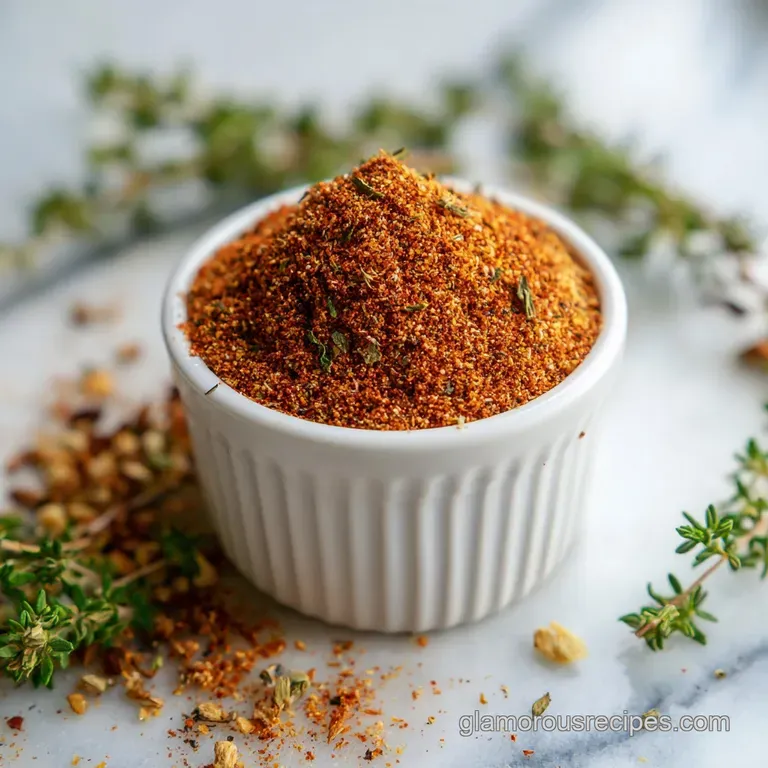
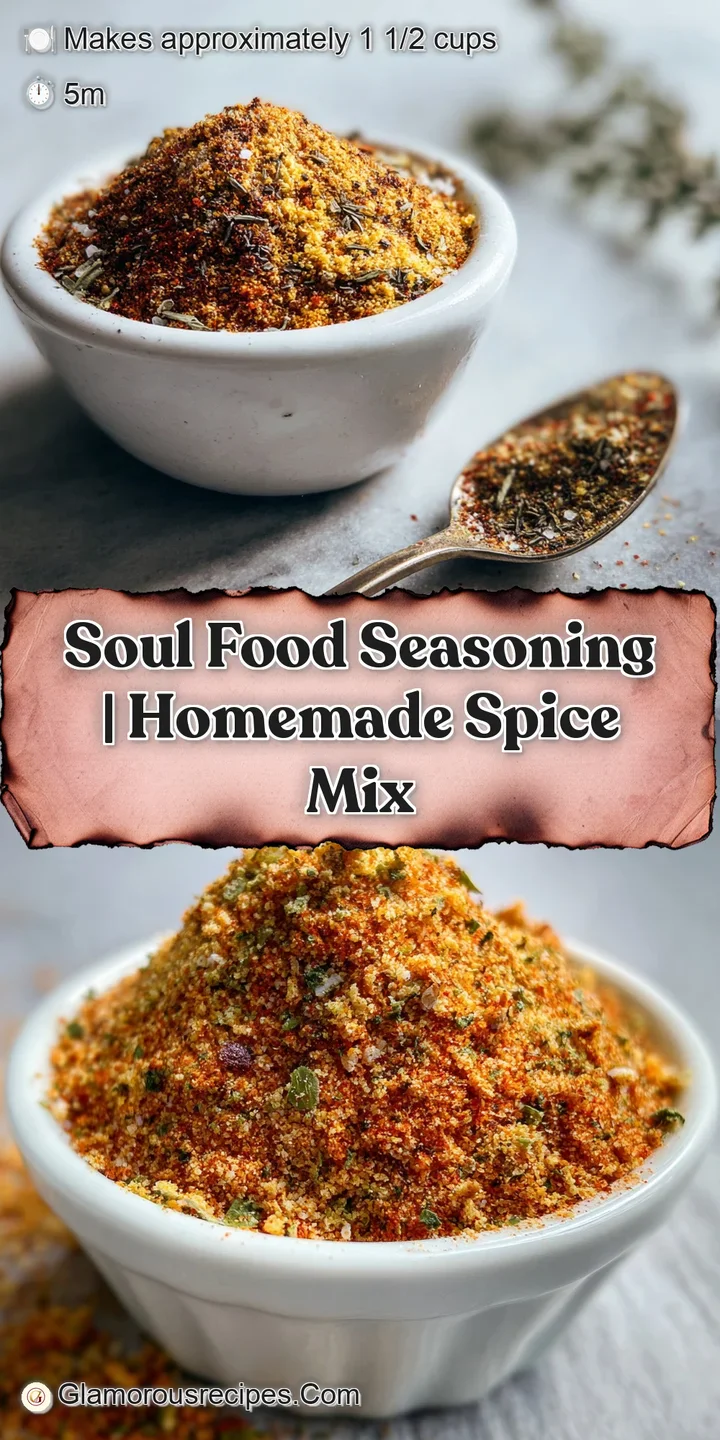
- Time: Active 5 minutes, Passive 0 minutes, Total 5 minutes
- Flavor/Texture Hook: Smoldering smokiness with a zesty, herbal finish
- Perfect for: Sunday dinners, slow cooked greens, and poultry dry rubs
- Unlock the Secret Depth of Soul Food Seasoning
- Why This Flavor Map Works
- Component Analysis
- Essential Elements for Your Blend
- Simple Tools for Mixing Spices
- Steps to Mixing the Blend
- Fixes for Common Mixing Errors
- Tasty Variations and Ingredient Swaps
- Keeping Your Seasoning Fresh
- Best Ways to Use It
- Very High in Sodium
- Soul Food Seasoning FAQs
- 📝 Recipe Card
Unlock the Secret Depth of Soul Food Seasoning
I remember standing in my Aunt May’s kitchen on a humid July afternoon, the air thick with the scent of simmering pot likker and the rhythmic sizzle of chicken hitting hot lard. She didn't use measuring spoons; she used her palms, tossing pinches of red, white, and black powders into a weathered mason jar.
When I finally asked for the secret, she just laughed and told me a good spice blend should "talk to the food, not scream at it." That jar was the heartbeat of her kitchen, turning humble collards into a velvety, rich experience that felt like a hug in a bowl.
For years, I tried to mimic that exact vibration of flavors, but I kept making the rookie mistake of using fine table salt, which made everything one dimensionally harsh. Once I switched to the coarse, craggy texture of kosher salt and learned to balance the sharp bite of cayenne with the earthy sweetness of smoked paprika, everything clicked.
This homemade soul food seasoning is the result of those messy kitchen trials it’s the backbone of every sacred Sunday dinner I serve now, and it’s miles ahead of any store-bought "creole" or "all purpose" shaker you’ll find.
We’re not just mixing dust here; we’re creating a foundation for memories. Whether you’re dusting it over a cast iron sear or stirring it into a Traditional New Year recipe for black eyed peas, this blend provides that deep, resonant "soul" that defines Southern cooking. It’s about the contrast between the sharp black pepper and the mellow onion powder, working together to make your ingredients sing.
Why This Flavor Map Works
- Hygroscopic Balance: Salt draws surface moisture out of meats, allowing the sugars and proteins to undergo the Maillard reaction faster for a darker, crustier sear.
- Capsaicin Layering: Using three types of pepper (black, cayenne, and flakes) hits different heat receptors on the tongue, creating a rounded warmth rather than a singular burn.
- Alliaceous Foundation: The high ratio of garlic and onion powders provides a savory "umami" base that mimics the depth of long simmered aromatics in seconds.
- Herbal Volatility: Dried thyme and celery seed release essential oils when they hit heat, cutting through the richness of fried or fatty foods with a bright, garden fresh finish.
| Servings | Seasoning Amount | Protein/Veggie Weight | Best Cooking Method |
|---|---|---|---|
| 4 People | 1.5 tablespoons | 1 lb Chicken/Pork | Pan searing or Roasting |
| 6 People | 2 tablespoons | 2 lbs Fish/Shrimp | Grilling or Air frying |
| 8 People | 3 tablespoons | 1 Large Pot of Greens | Slow Simmering |
This chart helps you gauge exactly how much of your soul food seasoning spice mix to use without oversalting your dish. If you are prepping a larger feast, like a Festive Finger Food recipe, you can easily scale these proportions to ensure every bite is seasoned to the bone.
Component Analysis
| Ingredient | Science Role | Pro Secret |
|---|---|---|
| Kosher Salt | Moisture Extractor | Use Diamond Crystal for lighter flakes that adhere better to uneven meat surfaces. |
| Smoked Paprika | Aromatic Depth | This provides the "wood fired" flavor without needing a smoker or outdoor grill. |
| Granulated Garlic | Savory Catalyst | Granulated (not powder) resists clumping and disperses more evenly in dry rubs. |
| Celery Seed | Flavor Bridge | It adds an "old-fashioned" savory note that makes vegetables taste like they’ve cooked all day. |
This soul food seasoning ingredients list is designed for maximum impact. While you might be tempted to use fine table salt, don't. The larger crystals of kosher salt provide a controlled saltiness and a physical texture that helps create that coveted "shatter" on fried chicken skin.
Essential Elements for Your Blend
To get started with this easy soul food seasoning, gather your supplies. You likely have most of these in the pantry already, but the quality of your spices will dictate the final vibrancy of the mix.
- 1/2 cup (140g) Kosher Salt: Why this? The coarse grain prevents over salting while providing a satisfying crunch. A great substitute for soul food seasoning bases if you are watching sodium is using a potassium based salt substitute, though it lacks the same mineral punch.
- 1/4 cup (35g) Granulated Garlic: Why this? It offers a more pungent, toasted flavor than fine garlic powder. If you only have garlic powder, use 20% less to avoid a dusty texture.
- 1/4 cup (35g) Onion Powder: Why this? Provides the sweetness and body that defines Southern gravy and stews.
- 2 tbsp (12g) Coarsely Ground Black Pepper: Why this? The large bits provide "heat spikes" rather than a muted grey flavor.
- 3 tbsp (21g) Smoked Paprika: Why this? This is the secret to that "slow cooked" aroma in quick meals.
- 1 tbsp (7g) Sweet Paprika: Why this? Balances the smoke with a bright, red hue and mild pepper sweetness.
- 1 tsp (2g) Cayenne Pepper: Why this? Adds a necessary back of-the throat kick.
- 1 tsp (2g) Red Pepper Flakes: Why this? These bloom in oil, spreading heat through the entire dish.
- 1 tbsp (2g) Dried Thyme: Why this? The quintessential herb for poultry and earthy greens.
- 1 tsp (2g) Celery Seed: Why this? It mimics the flavor of "The Holy Trinity" (onion, celery, bell pepper).
- 1 tsp (4g) Granulated Sugar: Why this? It helps the spices caramelize and take on a golden color.
Simple Tools for Mixing Spices
You don't need fancy machinery, but a few specific tools will ensure your soul food seasoning blend is consistent throughout. I once tried to mix a batch in a shallow bowl with a fork, and the salt all settled at the bottom my first chicken breast was bland, and the last one was a salt lick.
- Glass Mason Jar: Essential for storage. Plastic can absorb the strong scents of garlic and cumin over time.
- Fine Mesh Sieve: Note: This helps break up any clumps in the onion powder or paprika for a silky smooth mix.
- Metal Whisk: A small whisk ensures the heavy salt crystals are fully suspended in the lighter herbal powders.
- Funnel: Unless you want red paprika dust all over your counter, use a funnel to transfer the mix into your storage container.
Steps to Mixing the Blend
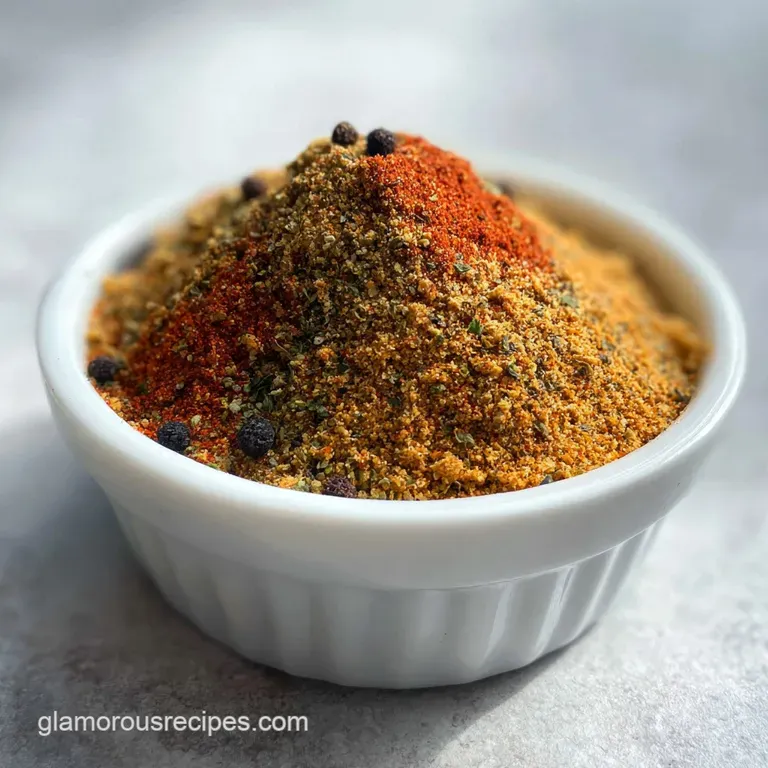
Sifting the Base
Place your sieve over a large, dry mixing bowl. Pour in the granulated garlic, onion powder, and both types of paprika. Sift these together until no lumps remain and the powder looks like soft sand. This ensures that every pinch you take later has the same ratio of flavor.
Incorporating the Pigments
Add the smoked and sweet paprika into the sifted base. Use your whisk to stir in a circular motion. Watch for the color to transition from a pale tan to a deep, burnt orange.
Concentrating Umami Through Dry Aromatics
Pour in the kosher salt and the black pepper. Note: Using coarse salt at this stage helps "scrub" any remaining small lumps of onion powder as you stir. Whisk vigorously for 30 seconds until the white salt grains are evenly speckled with black pepper.
Activating the Herbs
Rub the dried thyme between your palms as you drop it into the bowl. This friction releases the dormant oils in the dried leaves. Stir in the celery seed and red pepper flakes until the green flecks are distributed throughout the red mix.
Balancing the Heat to Sweet Ratio
Add the cayenne pepper and the teaspoon of sugar. The sugar is tiny here, but it acts as a flavor bridge, mellowing the sharp edges of the cayenne. Stir one last time until the mixture is completely uniform in color.
Funneling the Blend
Place your funnel into a clean, bone dry jar. Slowly pour the homemade soul food seasoning into the jar. Note: Tap the jar on the counter occasionally to help the mixture settle.
Sealing for Freshness
Wipe the rim of the jar with a dry cloth to remove any stray spice dust. This ensures a tight seal. Screw the lid on firmly.
Labeling the Jar
Mark the jar with the date. Even though spices don't "spoil" in the traditional sense, they lose their aromatic punch after about six months.
Fixes for Common Mixing Errors
Why Your Seasoning Clumps
If you live in a humid area, onion and garlic powder act like sponges. They grab moisture from the air and turn into hard bricks. I once left my jar open while boiling a massive pot of pasta, and by the next day, my blend was a solid rock.
| Problem | Root Cause | Solution |
|---|---|---|
| Hard Clumps | Excess Humidity | Add a food safe silica packet or 1 tsp of uncooked rice to the jar. |
| Muted Flavor | Old Spices | Toast the mix in a dry pan for 30 seconds before using to wake up the oils. |
| Too Much Salt | Ratio Imbalance | Add an extra tablespoon of onion powder and paprika to dilute the salinity. |
Common Mistakes Checklist
- ✓ Never use a wet spoon to scoop from the jar (this introduces moisture and bacteria).
- ✓ Always store the jar in a dark pantry, not right above the stove where heat kills flavor.
- ✓ Shake the jar before every use, as heavier salt crystals naturally sink to the bottom over time.
- ✓ Pat meat dry with paper towels before applying the rub so the seasoning sticks instead of sliding off.
Tasty Variations and Ingredient Swaps
If you want to customize your best soul food seasoning, there are plenty of ways to pivot. Some people prefer a sweeter profile for pork, while others want a "Low Country" vibe that leans heavily into the herbal side.
| Original Ingredient | Substitute | Why It Works |
|---|---|---|
| Smoked Paprika | Chipotle Powder | Adds a much deeper, earthier heat. Note: Very spicy! |
| Granulated Sugar | Brown Sugar | Creates a sticky, caramelized glaze. Best for ribs or smoked meats. |
| Dried Thyme | Dried Oregano | Shifts the flavor toward a more Mediterranean or Creole profile. |
If you are planning a New Years Eve recipe featuring a heavy cast iron sear, consider adding a teaspoon of ground espresso to this mix. The bitterness of the coffee mimics the charred flavor of a professional steakhouse crust without overcooking the meat.
Crafting a Low Country Sweet Rub
To turn this into a rib rub, simply mix 1 part of this seasoning with 1 part dark brown sugar. The molasses in the sugar will cling to the meat and create a bark that is dark, sweet, and incredibly savory.
Creating a Salt Free Soul Blend
For those monitoring their heart health, you can omit the salt entirely. Increase the onion powder and add 1 teaspoon of lemon zest powder. The citrus notes provide a "perceived" saltiness that tricks the tongue into thinking the dish is fully seasoned.
Keeping Your Seasoning Fresh
Achieving Chemical Stability for Storage
To keep your soul food seasoning recipe tasting like day one, the environment is everything. Heat is the enemy of spice. If you store your jar on the back of the stove, the constant temperature fluctuations will cause the aromatic oils to evaporate, leaving you with a jar of colorful sand.
- Storage
- 6 months in a cool, dark pantry.
- Freezing
- Not recommended, as the condensation when thawing will ruin the dry texture.
- Zero Waste
- If you have a batch that is getting older (past 6 months), don't toss it! Mix it into softened butter to make a "Soul Butter." It’s incredible melted over cornbread or rubbed under the skin of a roasting turkey. You can also use the last bits of the jar to season flour for frying green tomatoes or okra, ensuring no spice goes to waste.
Best Ways to Use It
This blend is a workhorse. For the best soul food seasoning for collard greens, sauté a bit of smoked turkey or bacon first, then add two tablespoons of the blend directly into the fat before adding the greens and liquid. This "blooms" the spices, making the broth incredibly flavorful.
- The Poultry Punch: Use 1 tablespoon per pound of chicken. Let it sit for 30 minutes before cooking to allow the salt to penetrate the meat.
- The Seafood Spark: Sprinkle lightly over catfish or shrimp. Because fish is delicate, the sweet paprika provides a beautiful color without overpowering the natural sweetness of the seafood.
- The Veggie Vibe: Toss roasted sweet potatoes or carrots in oil and a heavy dusting of the mix. The sugar in the seasoning will help the vegetables caramelize in the oven.
Chef's Note: If you want a truly professional crust on fried foods, mix 2 tablespoons of this seasoning into your flour dredge and another teaspoon into the egg wash. This "layered seasoning" ensures the flavor is locked into every single level of the breading.
If you’re hosting a crowd and need a Simple Family Friendly recipe for a holiday spread, this seasoning can be stirred into sour cream or Greek yogurt for an instant, zesty dip. It’s versatile, bold, and carries the history of Southern kitchens in every single grain. Trust me, once you have a jar of this on your counter, you'll wonder how you ever cooked without it.
Very High in Sodium
2305 mg mg of sodium per serving (100% of daily value)
The American Heart Association recommends limiting sodium intake to approximately 2,300mg per day for overall health.
Tips to Reduce Sodium
-
Reduce Kosher Salt-25%
Kosher salt is the primary sodium source in this recipe. Start by reducing the amount by half, using only 1/4 cup (70g). You can adjust further based on taste preferences.
-
Eliminate Celery Seed-5%
Celery seed contributes to the overall sodium content. Removing it won't significantly change the flavor profile but will help reduce sodium. Consider substituting with a pinch of dried parsley.
-
Control Pepper Flakes-3%
Reducing the amount of red pepper flakes can decrease the need for salt. Adjust the amount used according to desired heat level and taste buds.
-
Balance Flavors
Experiment with fresh or dried herbs and spices, like oregano, basil, rosemary, or garlic powder, to add flavor depth without sodium. Adjust spice ratios to find the best flavor for this recipe.
Soul Food Seasoning FAQs
What seasoning is used in soul food?
A blend of savory, smoky, and subtly spicy ingredients. Classic soul food seasoning typically includes salt, black pepper, garlic powder, onion powder, smoked paprika, and sometimes cayenne pepper for heat. It's designed to enhance, not overpower, the natural flavors of dishes like greens, meats, and beans. For a deeper understanding of flavor building, explore our Delicious Creamy Southern Black Eyed Peas Recipe | Velvety Smooth.
What are some African seasonings?
A diverse array of spices and herbs. Many West African cuisines, which have significantly influenced soul food, use ingredients like ground ginger, turmeric, chili peppers, coriander, and fenugreek. These add warmth, earthiness, and vibrant color to dishes. If you're interested in complex, layered flavors, see how similar spice techniques are used in our Crock Pot Hoppin John The Cagle: Rich & Smoky Comfort.
Is Soul seasoning Cajun?
No, they are distinct but related. Cajun seasoning often features paprika, cayenne, garlic powder, onion powder, and herbs, with a notable emphasis on heat. Soul food seasoning, while sharing some ingredients, tends to be more balanced with smoky and savory notes, prioritizing depth of flavor over intense spice.
Both traditions are rich and flavorful, drawing from similar culinary roots.
What is Southern Soul House seasoning?
It's a specific brand or homemade blend aiming for authentic Southern flavor. While "Soul House" isn't a universally defined term, it implies a seasoning crafted to capture the essence of traditional Southern cooking hearty, comforting, and deeply flavorful.
Think of it as a signature blend that evokes the warmth of a home cooked meal. This concept of building foundational flavors is key to many Southern dishes.
How do I make soul food seasoning at home?
Combine common pantry staples in specific ratios. A basic blend includes kosher salt, black pepper, garlic powder, onion powder, and smoked paprika, often with a touch of cayenne for heat. For a more nuanced flavor, consider adding celery seed and dried thyme. The key is balancing savory, smoky, and slightly spicy elements. Mastering ingredient ratios is a transferable skill; if you enjoyed balancing flavors here, see how we apply similar principles in Protein Balls: Healthy No-Bake Recipe for delicious sweet savory combinations.
What is the primary flavor profile of soul food seasoning?
Savory, smoky, and warmly spiced. The goal is to create a foundation that enhances the main ingredients, offering depth and comfort. It's less about a single sharp note and more about a harmonious blend where the smokiness of paprika and the earthiness of garlic and onion powders are prominent.
The subtle heat from cayenne adds a pleasant warmth that lingers.
Can I use soul food seasoning on vegetables?
Absolutely, it's incredibly versatile. This seasoning works wonderfully on roasted, sautéed, or braised vegetables like collard greens, sweet potatoes, or green beans. It adds a savory, slightly smoky dimension that complements their natural flavors beautifully. If you're looking for a comforting vegetable dish, try our Delicious Creamy Southern Black Eyed Peas Recipe | Velvety Smooth.
Soul Food Seasoning
Ingredients:
Instructions:
Nutrition Facts:
| Calories | 16 kcal |
|---|---|
| Protein | 0.6 g |
| Fat | 0.2 g |
| Carbs | 3.5 g |
| Fiber | 0.8 g |
| Sugar | 0.2 g |
| Sodium | 2305 mg |
